Preservatives(food)
 Flavors
 Acidulants
 Sweeteners
 Antioxidants
 Colorants(food)
 Nutraceutical Ingredients (food)
 Nutrient Supplements
 Emulsifiers
 Collectors
 Dust Suppressants
 Explosives and Blasting Agents
 Flocculants and Coagulants
 Frothers
 Leaching Agents
 pH Modifiers
 Precious Metal Extraction Agents
 Antioxidants(plastic)
 Colorants (Pigments, Dyes)
 Fillers and Reinforcements
 Flame Retardants
 Monomers
 Plasticizers
 Polymerization Initiators
 Stabilizers (UV, Heat)
 Antifoaming Agents
 Chelating Agents
 Coagulants and Flocculants
 Corrosion Inhibitors
 Disinfectants and Biocides
 Oxidizing Agents
 pH Adjusters
 Scale Inhibitors( water)
 Antioxidants(cosmetic)
 Emollients
 Oils
Oils Carrier Oills
 Essential Oils
 Humectants
 Preservatives
 Surfactants(cosmetic)
 Thickeners
 UV Filters
 Fragrance (Cosmetics)
 Fertilizers
 Soil Conditioners
 Plant Growth Regulators
 Animal Feed Additives
 Biostimulants
 Pesticides (Herbicides, Insecticides, Fungicides)
 Active Pharmaceutical Ingredients (APIs)
 Excipients
 Solvents(pharmaceutical)
 Antibiotics
 Antiseptics and Disinfectants
 Vaccine Adjuvants
 Nutraceutical Ingredients (pharmaceutical)
 Analgesics & Antipyretics
 Analytical Reagents
 Solvents(lab)
 Chromatography Chemicals
 Spectroscopy Reagents
 microbiology-and-cell-culture-reagents
 Molecular Biology Reagents
 Biochemical Reagents
 Inorganic and Organic Standards
 Laboratory Safety Chemicals
 Specialty Laboratory Chemicals(Special Laboratory Equipment)
 Demulsifiers
 Hydraulic Fracturing Fluids
 Scale Inhibitors(oil)
 Surfactants(oil)
 Drilling Fluids
 Dyes and Pigments
 Bleaching Agents
 Softening Agents
 Finishing Agents
 Antistatic Agents
 Admixtures
 Waterproofing Agents
 Sealants and Adhesives
 Curing Compounds
 Concrete Repair Chemicals
 Anti-Corrosion Coatings
 Surfactants(cleaning)
 Builders
 Enzymes
 Solvents (Cleaning)
 Electronic Chemicals
 Catalysts
 Lubricants
 Photographic Chemicals
 Refrigerants
 Automotive chemicals
 Pyrotechnic Chemicals
 Biodegradable Surfactants
 Bio-based Solvents
 Renewable Polymers
 Carbon Capture Chemicals
 Wastewater Treatment Chemicals
 Pigments
 Solvents(paint)
 Specialty Coatings
 Binders/Resins
 Additives
 Driers
 Anti-Corrosion Agents
 Functional Coatings
 Application-Specific Coatings
 Leavening Agents
 Dough Conditioners
 Flour Treatments
 Fat Replacers
 Decoratives
 Preservatives(baking)
 Plasticizers & Softeners
 Reinforcing Agents
 Adhesion Promoters
 Vulcanizing Agents
 Antidegradants
 Blowing Agents
 Fillers & Extenders
 Accelerators & Retarders
♻️ Laboratory Waste Disposal: Global Standards and Local Practices 🧪🌍🔬

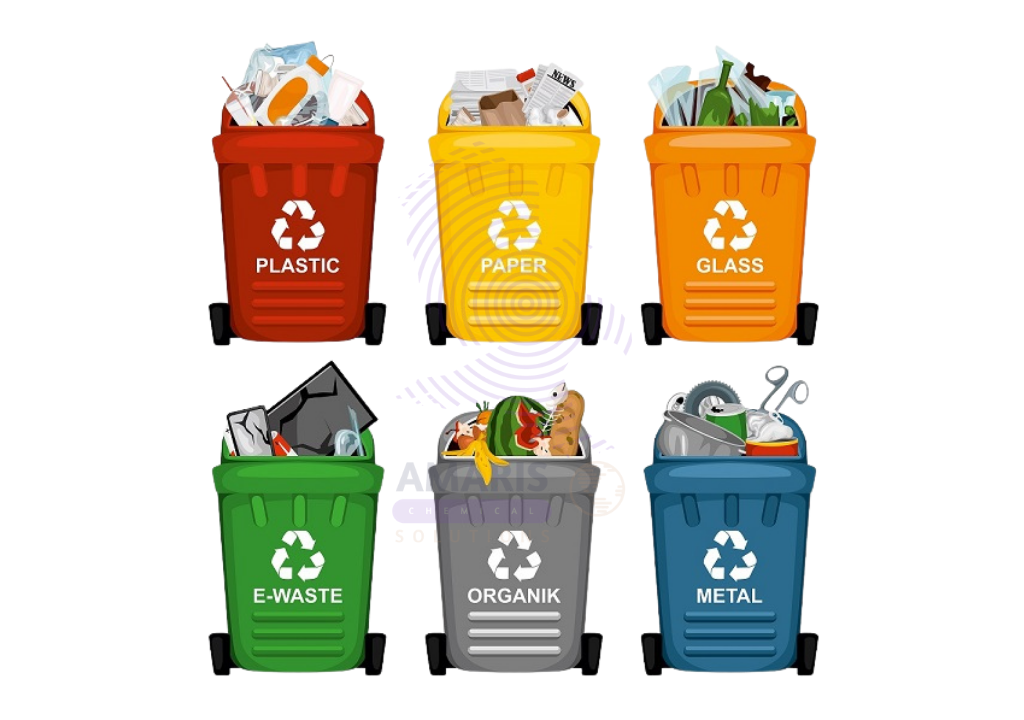
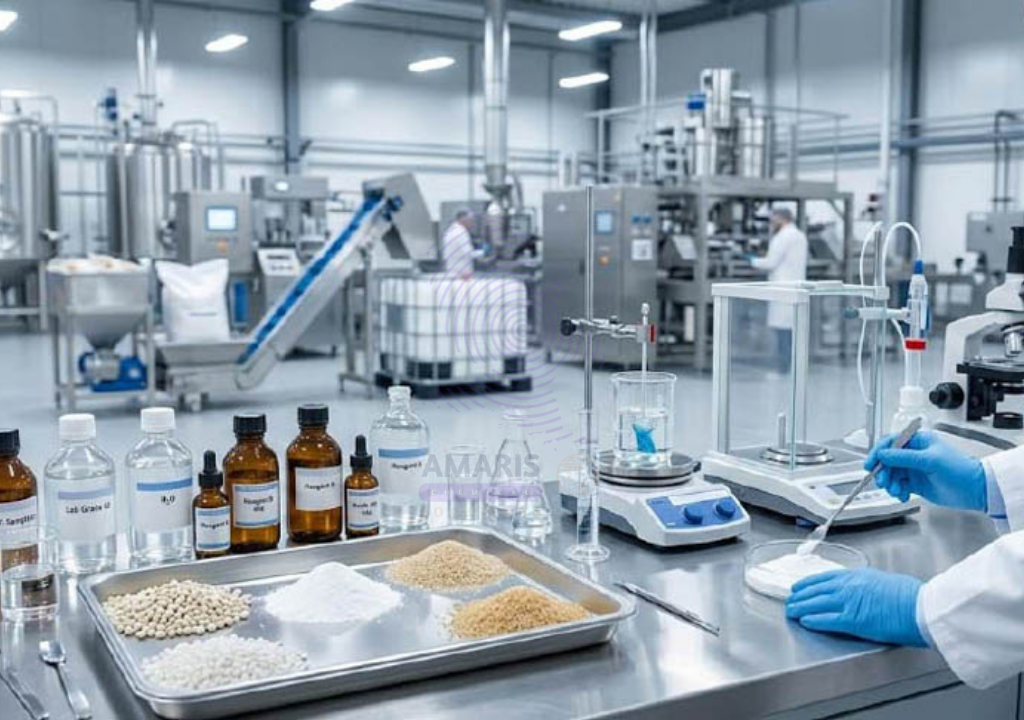
Laboratories play an essential role in scientific research, healthcare, education, manufacturing, environmental testing, and quality control. However, laboratory activities also generate different forms of waste, including chemicals, contaminated materials, biological waste, broken glass, and expired reagents. Managing this waste responsibly is essential for protecting laboratory personnel, communities, and the environment. 🧤🌱
Laboratory waste disposal is not simply about throwing unwanted materials away. Different types of waste require different handling, storage, treatment, and disposal methods. A responsible waste management system begins by identifying the type and potential hazards of each material before determining the appropriate disposal route.
Chemical waste is one of the most important categories to manage carefully. Laboratories may generate acids, bases, solvents, heavy-metal-containing materials, reagents, and other chemical residues. These substances should not automatically be poured down laboratory sinks or placed in ordinary waste containers. Instead, they should be collected, clearly identified, and managed according to applicable laboratory procedures and environmental requirements. ⚗️📦
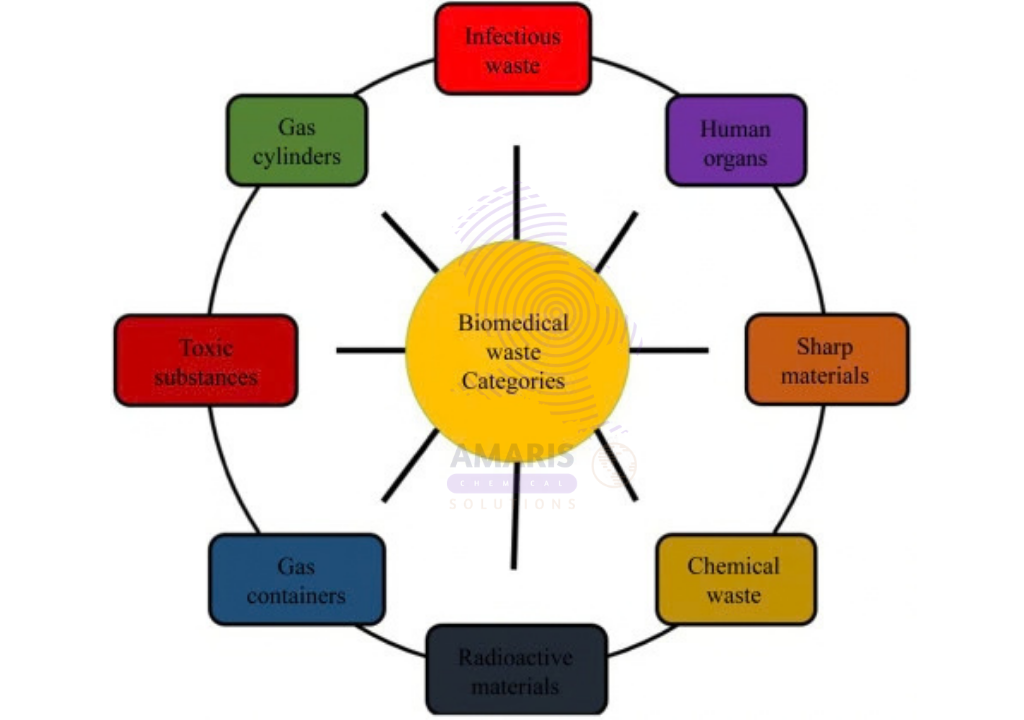
Proper waste segregation is a fundamental part of laboratory waste management. Different waste streams should be kept separate to prevent incompatible materials from reacting and to make treatment or disposal more efficient. For example, chemical waste, biological waste, sharps, broken laboratory glass, and ordinary non-hazardous waste may require different collection systems. Clear labeling helps laboratory personnel identify waste correctly and reduces the possibility of accidental mixing.
Internationally, laboratory waste management is guided by principles of environmental protection, occupational safety, chemical classification, and responsible resource management. Organizations and regulators around the world establish requirements covering waste identification, packaging, transportation, treatment, documentation, and disposal. While specific requirements differ between countries, the underlying goal remains the same: protect people and the environment while ensuring hazardous materials are managed responsibly. 🌍🛡️
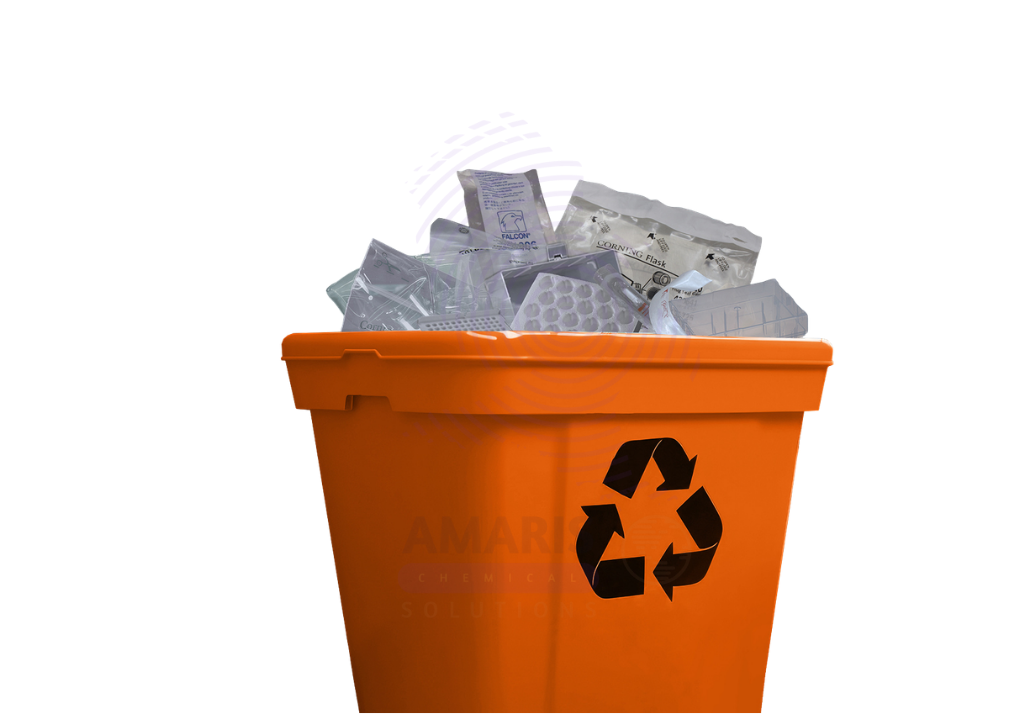
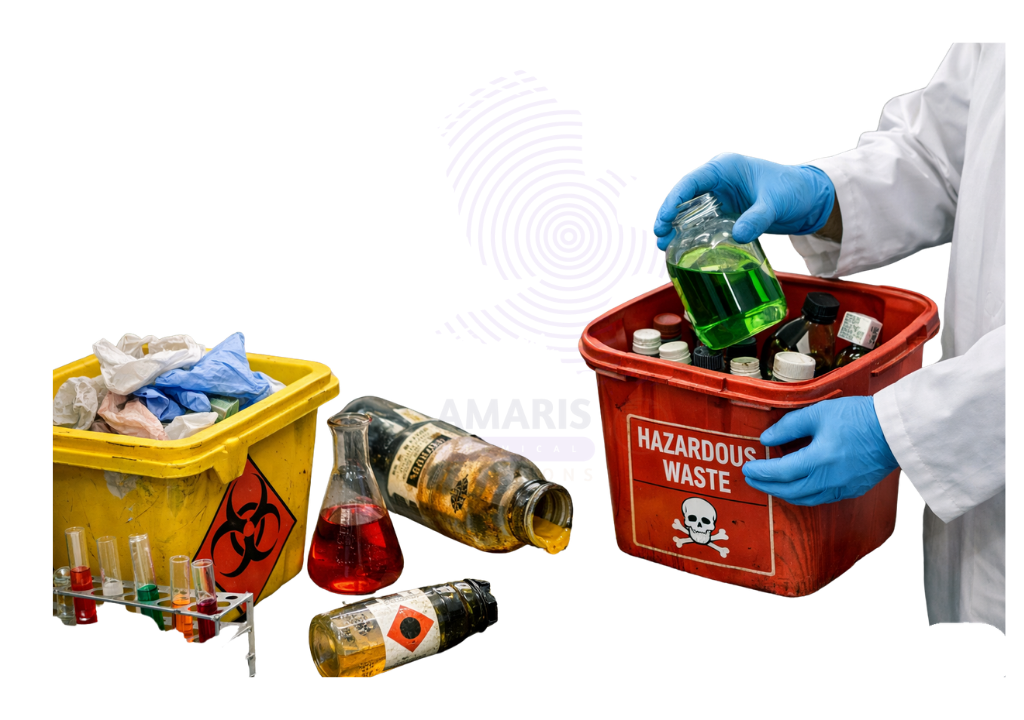
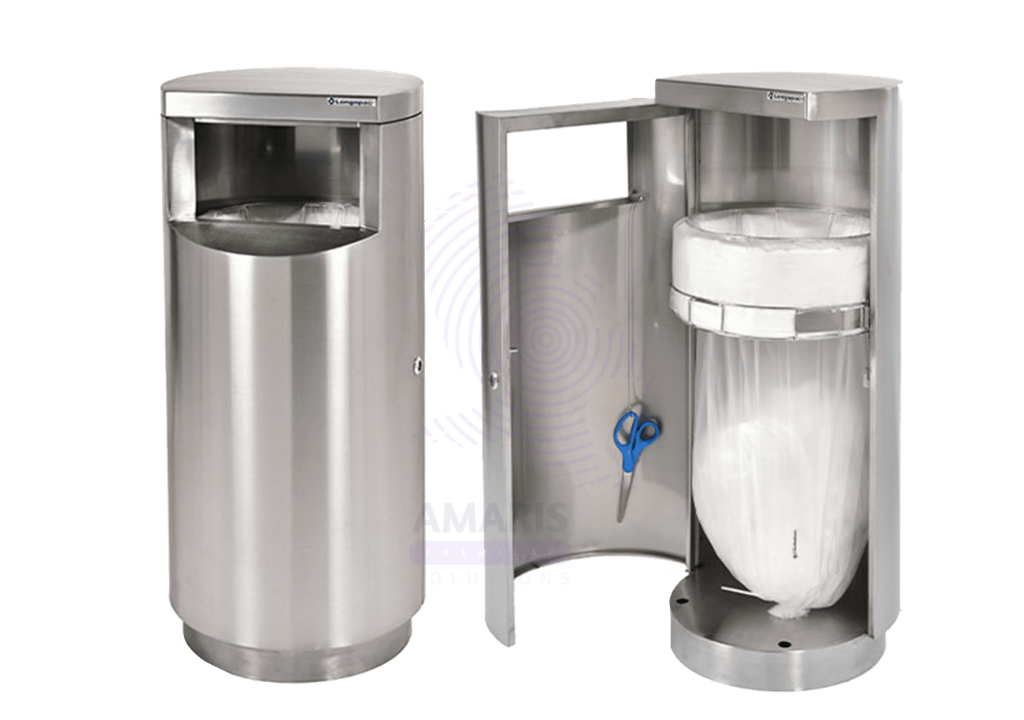
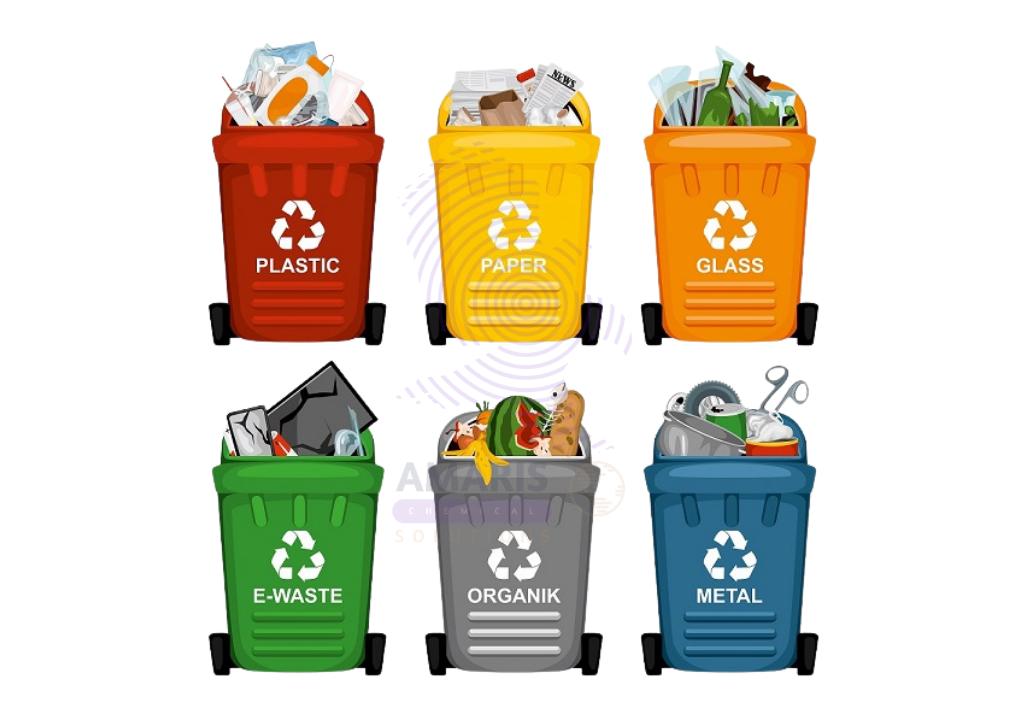
Local practices are particularly important in Africa, where laboratory facilities may operate under national environmental, occupational health, public health, and hazardous waste regulations. In Kenya, for example, laboratories and businesses handling chemical waste need to consider applicable requirements from relevant environmental and occupational safety authorities. Organizations should verify current national and local requirements rather than relying solely on international guidance.
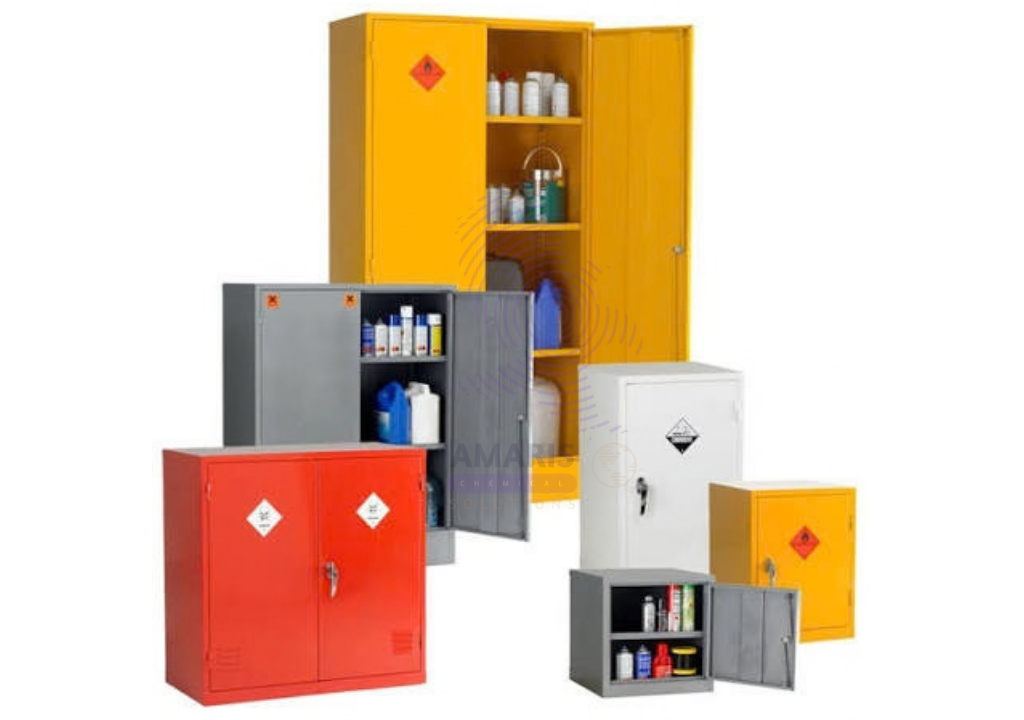
Proper storage before disposal is another important consideration. Waste containers should be compatible with their contents, clearly labeled, securely closed, and stored in designated areas. Waste should not accumulate indefinitely, and laboratories should have procedures for arranging collection or treatment by appropriately qualified waste management providers. 🚛📋
Training is essential for creating an effective waste management culture. Laboratory personnel should understand how to identify waste categories, use designated containers, respond to spills, and follow internal waste procedures. Appropriate personal protective equipment should be used whenever handling chemical or potentially hazardous waste. Regular training also helps reduce accidental mixing and improper disposal.
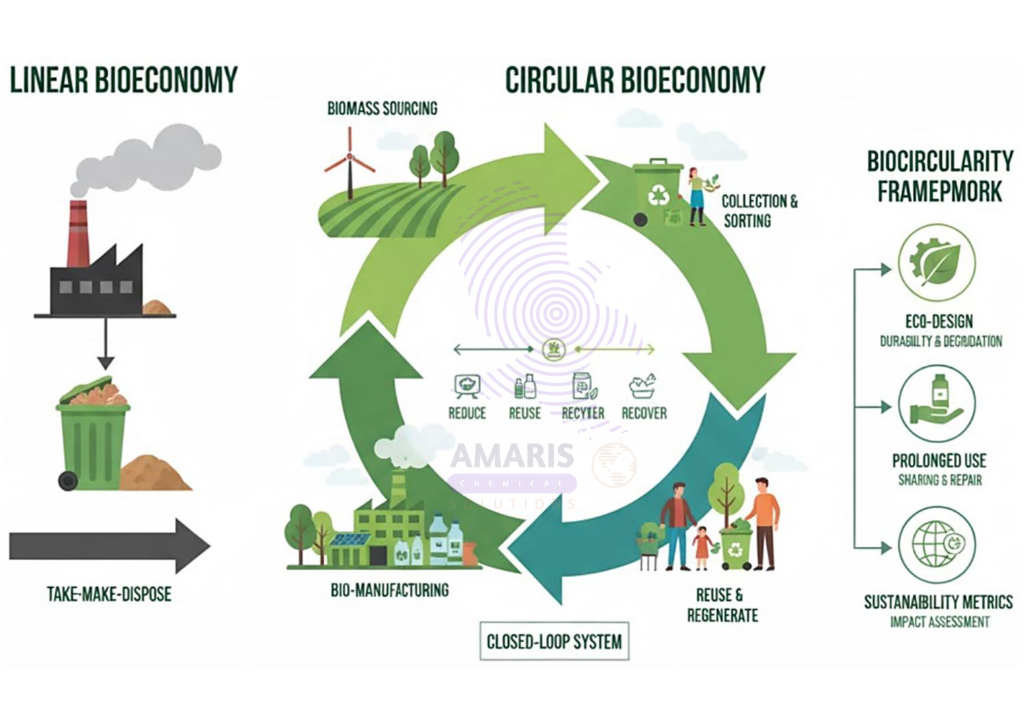
Waste minimization should be considered before disposal becomes necessary. Laboratories can reduce waste by purchasing appropriate quantities, maintaining accurate inventories, using chemicals efficiently, and selecting procedures that generate less waste where scientifically appropriate. Good inventory management can also reduce the amount of expired chemicals requiring disposal. This approach can lower costs while supporting environmental sustainability. ♻️💡
Technology is creating new opportunities for better laboratory waste management. Digital inventory systems can track chemical quantities and expiry dates, while electronic records can improve documentation of waste movements. Better forecasting can prevent unnecessary purchases, and modern treatment technologies can help reduce the volume or hazard of certain waste streams when properly implemented.
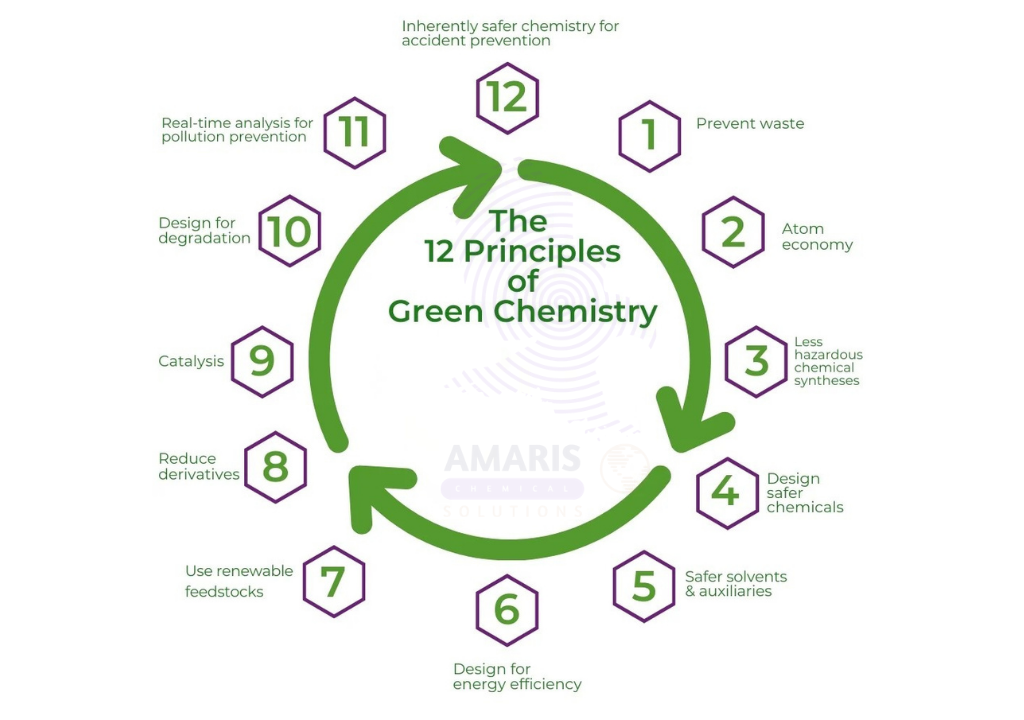
Responsible laboratory waste disposal also supports sustainable science. Laboratories around the world are increasingly adopting green chemistry principles that seek to reduce hazardous substances, minimize waste, improve energy efficiency, and use safer alternatives where practical. Combining these principles with responsible waste management can significantly reduce the environmental footprint of laboratory operations. 🌱🔬
In conclusion, laboratory waste disposal is an essential part of safe and responsible scientific practice. Effective waste management requires proper identification, segregation, labeling, storage, documentation, treatment, and disposal. While international standards provide important principles, local regulations and available waste-management infrastructure must also be considered. By combining good laboratory practices with appropriate local compliance, staff training, waste minimization, and sustainable approaches, laboratories can protect people, preserve the environment, and contribute to a safer future for scientific research. 🧪♻️🌍✨