Preservatives(food)
 Flavors
 Acidulants
 Sweeteners
 Antioxidants
 Colorants(food)
 Nutraceutical Ingredients (food)
 Nutrient Supplements
 Emulsifiers
 Collectors
 Dust Suppressants
 Explosives and Blasting Agents
 Flocculants and Coagulants
 Frothers
 Leaching Agents
 pH Modifiers
 Precious Metal Extraction Agents
 Antioxidants(plastic)
 Colorants (Pigments, Dyes)
 Fillers and Reinforcements
 Flame Retardants
 Monomers
 Plasticizers
 Polymerization Initiators
 Stabilizers (UV, Heat)
 Antifoaming Agents
 Chelating Agents
 Coagulants and Flocculants
 Corrosion Inhibitors
 Disinfectants and Biocides
 Oxidizing Agents
 pH Adjusters
 Scale Inhibitors( water)
 Antioxidants(cosmetic)
 Emollients
 Oils
Oils Carrier Oills
 Essential Oils
 Humectants
 Preservatives
 Surfactants(cosmetic)
 Thickeners
 UV Filters
 Fragrance (Cosmetics)
 Fertilizers
 Soil Conditioners
 Plant Growth Regulators
 Animal Feed Additives
 Biostimulants
 Pesticides (Herbicides, Insecticides, Fungicides)
 Active Pharmaceutical Ingredients (APIs)
 Excipients
 Solvents(pharmaceutical)
 Antibiotics
 Antiseptics and Disinfectants
 Vaccine Adjuvants
 Nutraceutical Ingredients (pharmaceutical)
 Analgesics & Antipyretics
 Analytical Reagents
 Solvents(lab)
 Chromatography Chemicals
 Spectroscopy Reagents
 microbiology-and-cell-culture-reagents
 Molecular Biology Reagents
 Biochemical Reagents
 Inorganic and Organic Standards
 Laboratory Safety Chemicals
 Specialty Laboratory Chemicals(Special Laboratory Equipment)
 Demulsifiers
 Hydraulic Fracturing Fluids
 Scale Inhibitors(oil)
 Surfactants(oil)
 Drilling Fluids
 Dyes and Pigments
 Bleaching Agents
 Softening Agents
 Finishing Agents
 Antistatic Agents
 Admixtures
 Waterproofing Agents
 Sealants and Adhesives
 Curing Compounds
 Concrete Repair Chemicals
 Anti-Corrosion Coatings
 Surfactants(cleaning)
 Builders
 Enzymes
 Solvents (Cleaning)
 Electronic Chemicals
 Catalysts
 Lubricants
 Photographic Chemicals
 Refrigerants
 Automotive chemicals
 Pyrotechnic Chemicals
 Biodegradable Surfactants
 Bio-based Solvents
 Renewable Polymers
 Carbon Capture Chemicals
 Wastewater Treatment Chemicals
 Pigments
 Solvents(paint)
 Specialty Coatings
 Binders/Resins
 Additives
 Driers
 Anti-Corrosion Agents
 Functional Coatings
 Application-Specific Coatings
 Leavening Agents
 Dough Conditioners
 Flour Treatments
 Fat Replacers
 Decoratives
 Preservatives(baking)
 Plasticizers & Softeners
 Reinforcing Agents
 Adhesion Promoters
 Vulcanizing Agents
 Antidegradants
 Blowing Agents
 Fillers & Extenders
 Accelerators & Retarders
💊 How Laboratory Chemicals Support Pharmaceutical Innovation 🧪🔬✨

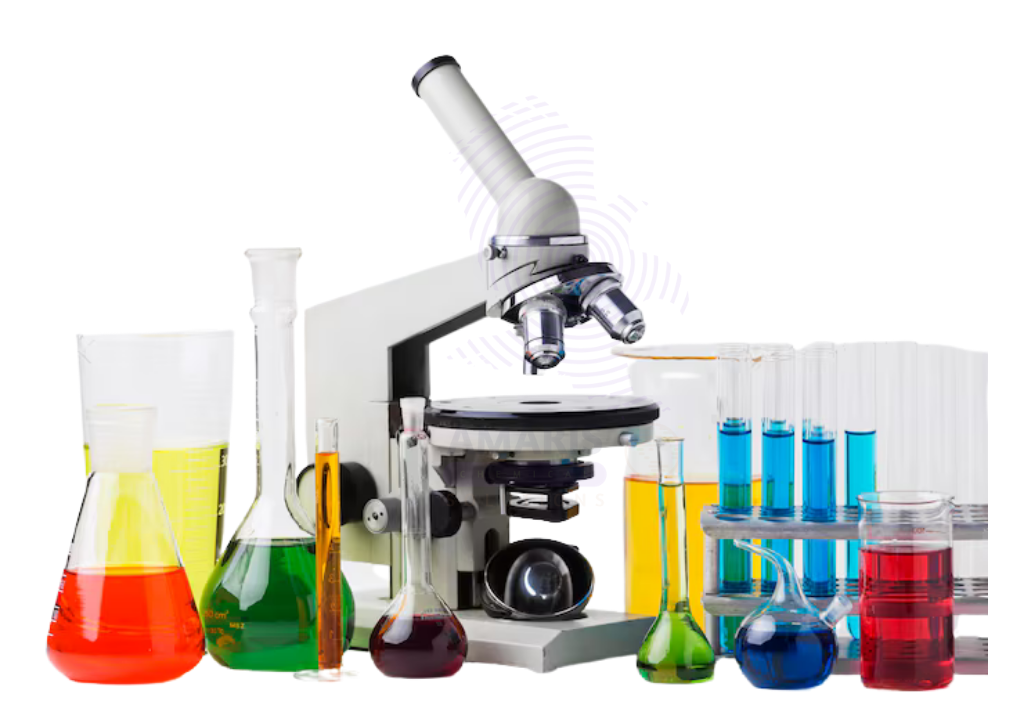
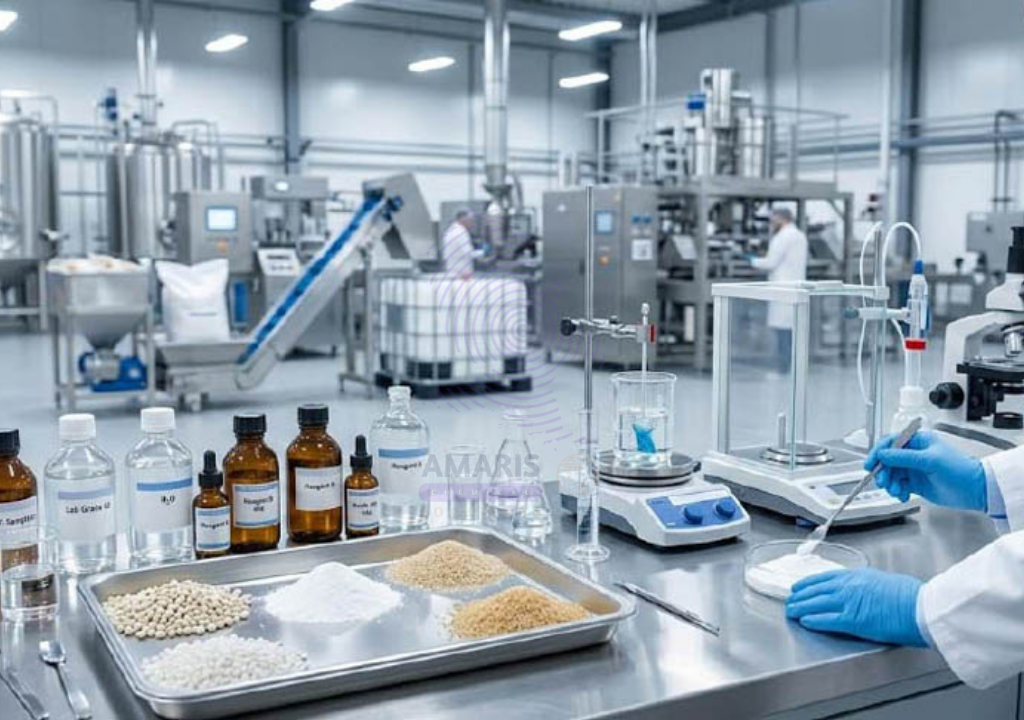
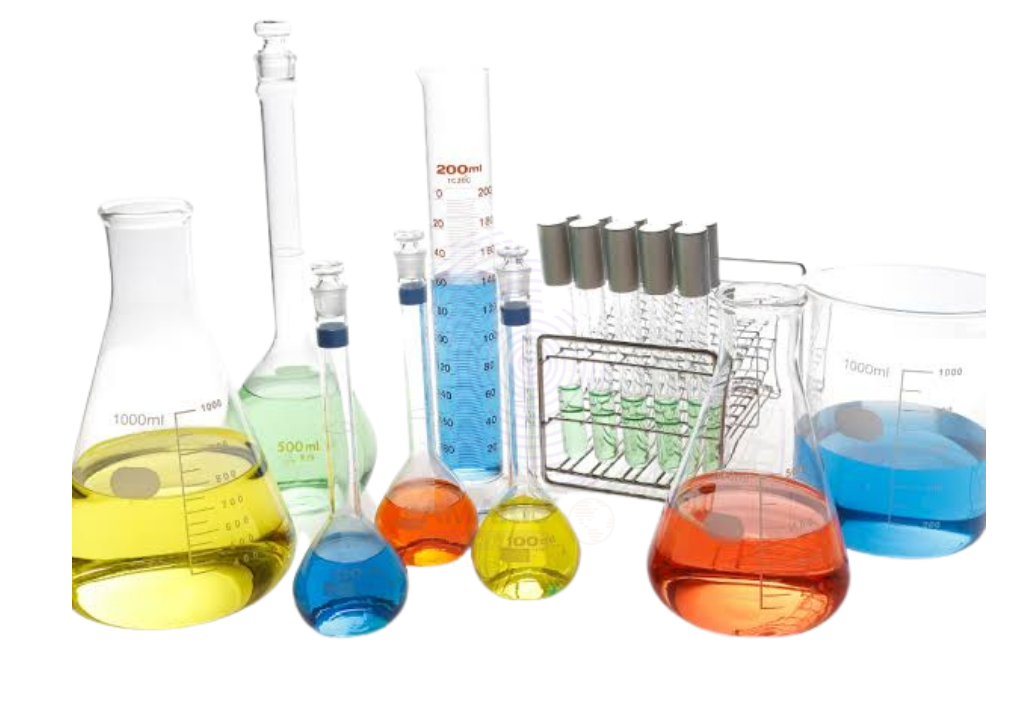
The pharmaceutical industry is one of the most scientifically advanced sectors in the world, constantly working to discover new medicines, improve existing treatments, and develop safer and more effective healthcare solutions. Behind every pharmaceutical breakthrough is extensive laboratory research, and at the heart of this research are laboratory chemicals. From early-stage discovery to quality control and formulation, high-quality laboratory chemicals provide the foundation for accurate testing, experimentation, and innovation. 🧬💡
Pharmaceutical development involves numerous stages, each requiring carefully selected chemicals and reagents. Scientists use laboratory chemicals to study biological processes, investigate potential active compounds, analyze materials, and evaluate how different substances interact. The purity and consistency of these chemicals are particularly important because even small impurities can influence experimental results and make it difficult to reproduce findings.
One of the earliest stages of pharmaceutical innovation is drug discovery. Researchers investigate thousands of chemical compounds to identify candidates that could potentially become useful medicines. Laboratory reagents and solvents are used during synthesis, purification, screening, and analysis. These chemicals help scientists create and evaluate compounds while generating reliable data that guides decisions about which candidates should move forward. 🧪🔍
Laboratory chemicals also play a critical role in chemical synthesis. Pharmaceutical researchers often modify existing molecules or develop entirely new compounds with specific properties. Solvents, catalysts, acids, bases, and other reagents can be used in carefully controlled chemical reactions. The quality of these materials directly influences the efficiency and consistency of the process, making reliable laboratory chemicals essential for successful research.
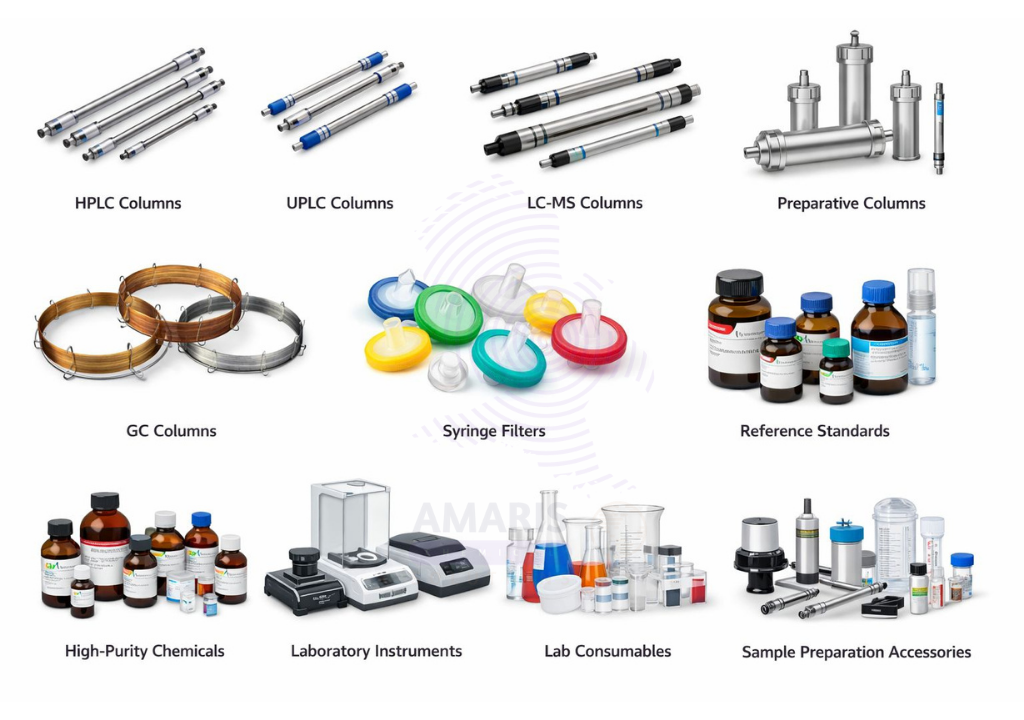
Once potential compounds have been identified, scientists need to determine their composition and purity. Analytical chemistry provides this information through techniques such as chromatography, spectroscopy, titration, and other instrumental methods. High-purity reagents are essential for preparing samples, calibrating instruments, and detecting impurities. Accurate analytical results allow researchers to understand exactly what they have produced and whether a compound meets the required specifications. 🔬📊
Laboratory chemicals are also essential during pharmaceutical formulation. Developing a medicine involves combining active pharmaceutical ingredients with other materials to create an appropriate dosage form, such as a tablet, capsule, liquid, or topical preparation. Researchers evaluate factors such as stability, solubility, compatibility, and shelf life. Carefully selected laboratory chemicals help scientists test different formulations and identify combinations that provide consistent performance.
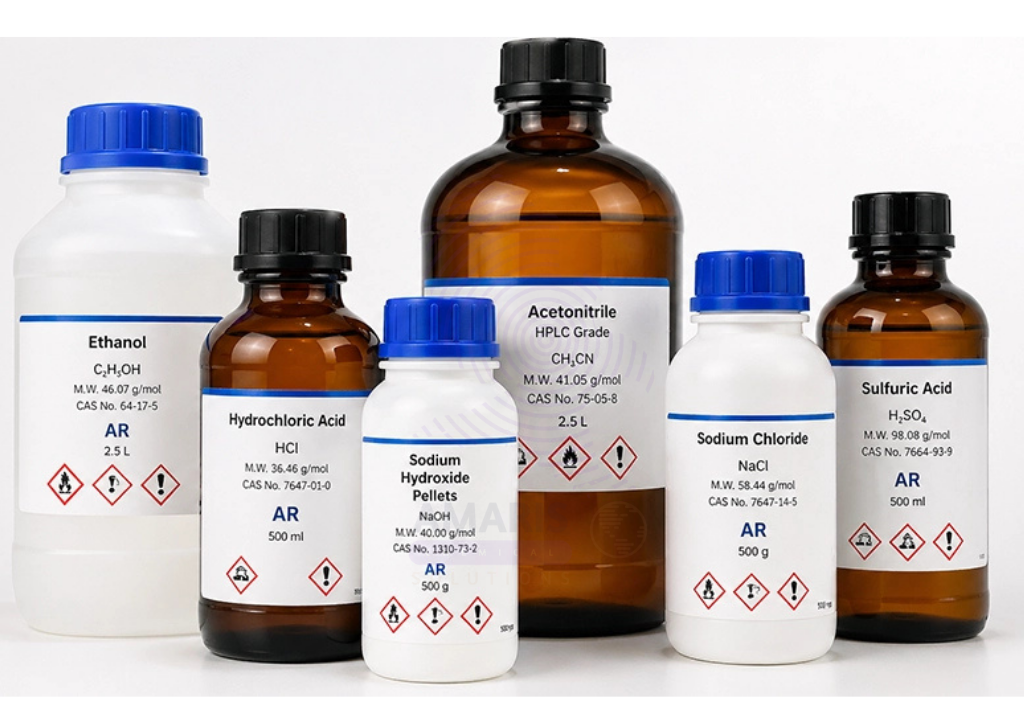

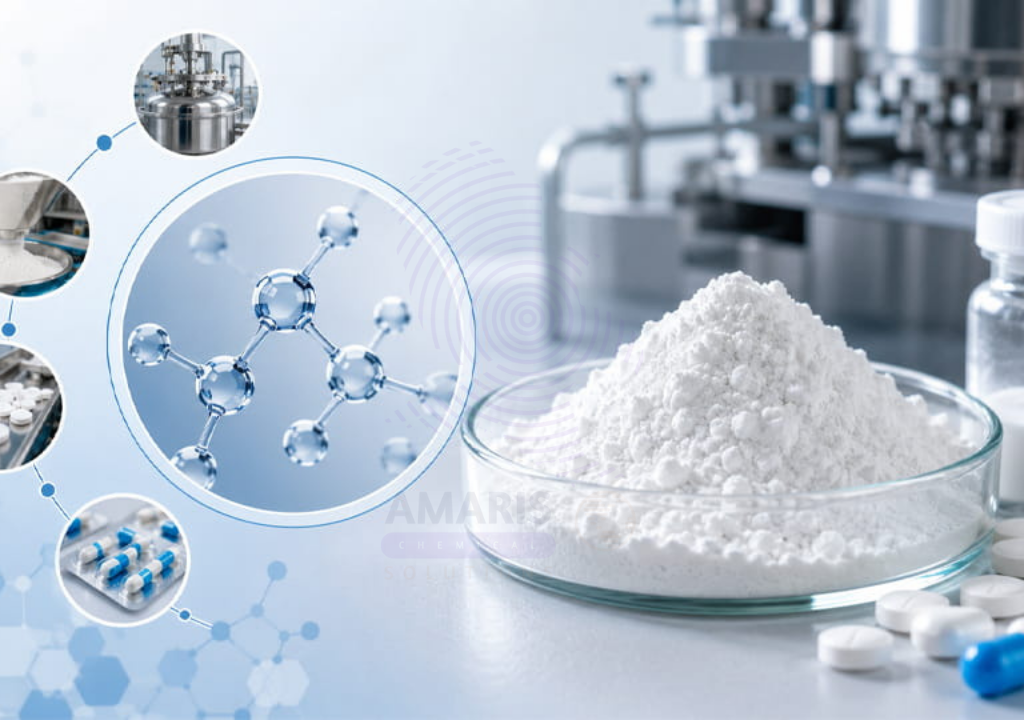
Quality control is another major area where laboratory chemicals support pharmaceutical innovation. Before medicines reach consumers, manufacturers conduct extensive testing to confirm identity, purity, strength, stability, and consistency. Laboratory reagents are used to analyze raw materials, intermediate products, and finished formulations. Reliable testing helps manufacturers identify potential problems early and maintain consistent product quality. 🧫✅
Laboratory chemicals also support pharmaceutical research into biologics and biotechnology. Modern medicine increasingly includes products developed using biological systems, such as vaccines, therapeutic proteins, and other advanced treatments. Research in these areas requires specialized reagents, buffers, solvents, and analytical materials to support complex laboratory procedures and characterization.
Safety and regulatory compliance are equally important. Pharmaceutical laboratories operate under strict quality systems designed to ensure that research and manufacturing processes are properly controlled and documented. Using chemicals with appropriate specifications and maintaining accurate records helps laboratories demonstrate consistency and support regulatory requirements. Proper labeling, storage, handling, and documentation are therefore essential throughout the research process. 🛡️📋
Innovation is also driving demand for increasingly specialized laboratory chemicals. Emerging areas such as personalized medicine, molecular diagnostics, gene-based technologies, advanced drug-delivery systems, and nanotechnology require highly controlled experimental environments. As researchers explore increasingly complex scientific questions, the need for high-purity reagents and specialized laboratory materials continues to grow.
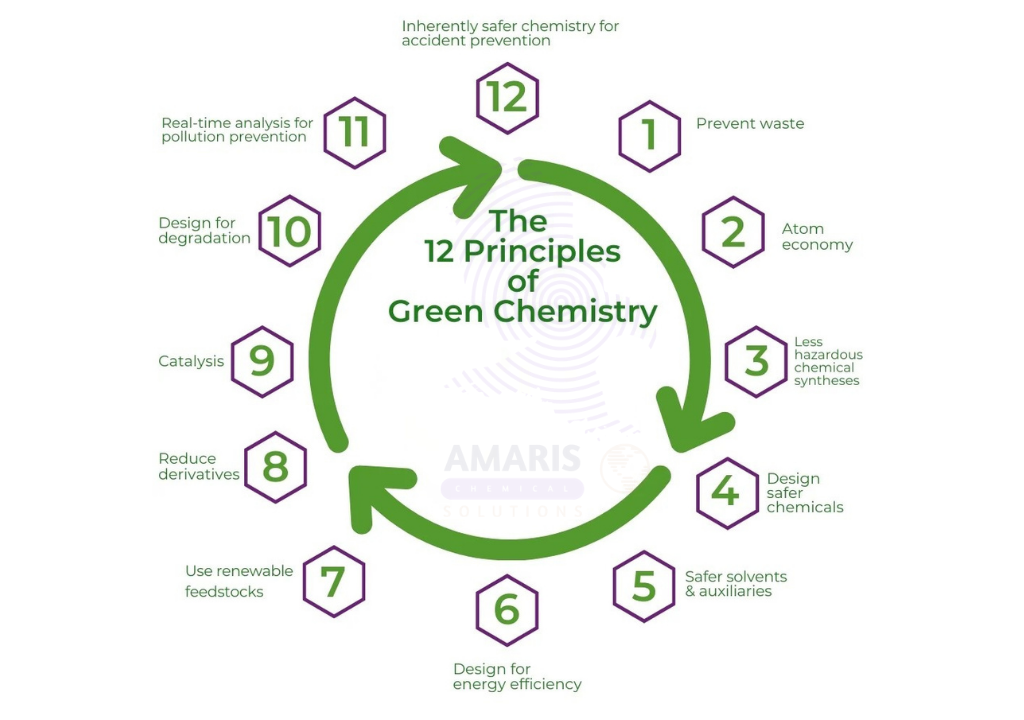
Sustainability is becoming another consideration in pharmaceutical research. Scientists and manufacturers are increasingly exploring greener solvents, more efficient reactions, reduced waste, and safer chemical alternatives. Green chemistry principles can help pharmaceutical research become more resource-efficient while reducing environmental impact without compromising scientific performance. 🌱♻️
In conclusion, laboratory chemicals are fundamental to pharmaceutical innovation. They support drug discovery, chemical synthesis, analytical testing, formulation development, quality control, biotechnology, and advanced pharmaceutical research. Their purity, consistency, and reliability allow scientists to generate accurate data and make informed decisions throughout the development process. As pharmaceutical science continues to advance, high-quality laboratory chemicals will remain an essential foundation for discovering new treatments, improving existing medicines, and developing innovative healthcare solutions for the future. 💊🧪🔬🌍✨