Preservatives(food)
 Flavors
 Acidulants
 Sweeteners
 Antioxidants
 Colorants(food)
 Nutraceutical Ingredients (food)
 Nutrient Supplements
 Emulsifiers
 Collectors
 Dust Suppressants
 Explosives and Blasting Agents
 Flocculants and Coagulants
 Frothers
 Leaching Agents
 pH Modifiers
 Precious Metal Extraction Agents
 Antioxidants(plastic)
 Colorants (Pigments, Dyes)
 Fillers and Reinforcements
 Flame Retardants
 Monomers
 Plasticizers
 Polymerization Initiators
 Stabilizers (UV, Heat)
 Antifoaming Agents
 Chelating Agents
 Coagulants and Flocculants
 Corrosion Inhibitors
 Disinfectants and Biocides
 Oxidizing Agents
 pH Adjusters
 Scale Inhibitors( water)
 Antioxidants(cosmetic)
 Emollients
 Oils
Oils Carrier Oills
 Essential Oils
 Humectants
 Preservatives
 Surfactants(cosmetic)
 Thickeners
 UV Filters
 Fragrance (Cosmetics)
 Fertilizers
 Soil Conditioners
 Plant Growth Regulators
 Animal Feed Additives
 Biostimulants
 Pesticides (Herbicides, Insecticides, Fungicides)
 Active Pharmaceutical Ingredients (APIs)
 Excipients
 Solvents(pharmaceutical)
 Antibiotics
 Antiseptics and Disinfectants
 Vaccine Adjuvants
 Nutraceutical Ingredients (pharmaceutical)
 Analgesics & Antipyretics
 Analytical Reagents
 Solvents(lab)
 Chromatography Chemicals
 Spectroscopy Reagents
 microbiology-and-cell-culture-reagents
 Molecular Biology Reagents
 Biochemical Reagents
 Inorganic and Organic Standards
 Laboratory Safety Chemicals
 Specialty Laboratory Chemicals(Special Laboratory Equipment)
 Demulsifiers
 Hydraulic Fracturing Fluids
 Scale Inhibitors(oil)
 Surfactants(oil)
 Drilling Fluids
 Dyes and Pigments
 Bleaching Agents
 Softening Agents
 Finishing Agents
 Antistatic Agents
 Admixtures
 Waterproofing Agents
 Sealants and Adhesives
 Curing Compounds
 Concrete Repair Chemicals
 Anti-Corrosion Coatings
 Surfactants(cleaning)
 Builders
 Enzymes
 Solvents (Cleaning)
 Electronic Chemicals
 Catalysts
 Lubricants
 Photographic Chemicals
 Refrigerants
 Automotive chemicals
 Pyrotechnic Chemicals
 Biodegradable Surfactants
 Bio-based Solvents
 Renewable Polymers
 Carbon Capture Chemicals
 Wastewater Treatment Chemicals
 Pigments
 Solvents(paint)
 Specialty Coatings
 Binders/Resins
 Additives
 Driers
 Anti-Corrosion Agents
 Functional Coatings
 Application-Specific Coatings
 Leavening Agents
 Dough Conditioners
 Flour Treatments
 Fat Replacers
 Decoratives
 Preservatives(baking)
 Plasticizers & Softeners
 Reinforcing Agents
 Adhesion Promoters
 Vulcanizing Agents
 Antidegradants
 Blowing Agents
 Fillers & Extenders
 Accelerators & Retarders
🌱 Fertilizers vs Soil Conditioners: What Farmers Need to Know 🚜🌾🧪

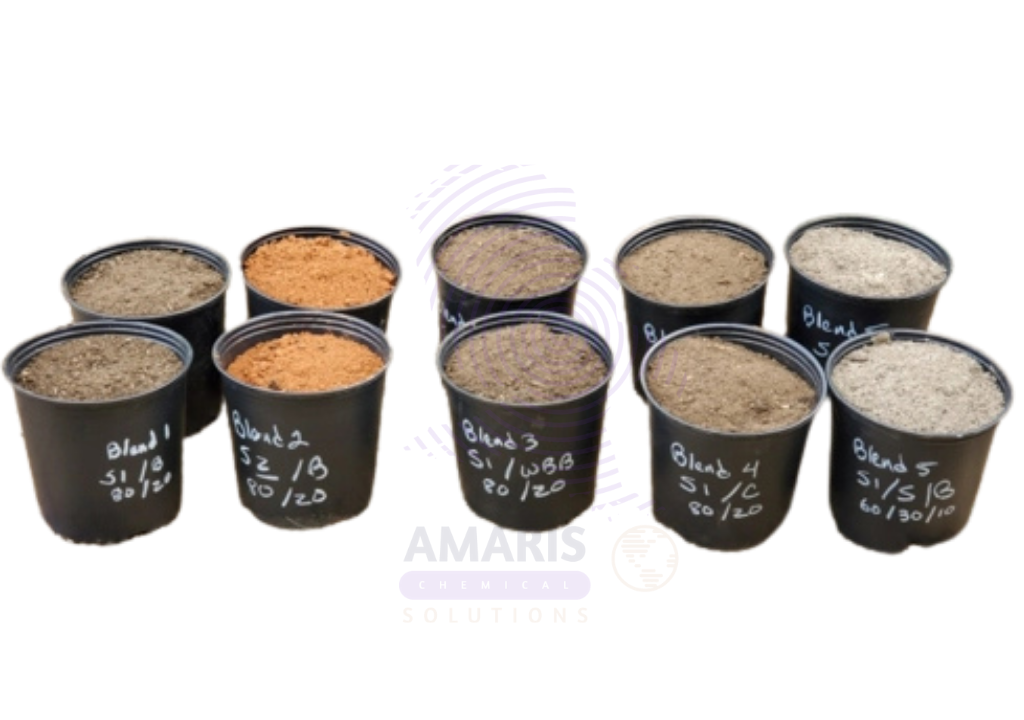
Healthy soil is the foundation of productive agriculture, and every successful harvest begins with giving crops the right growing conditions. As farmers work to increase yields and maintain soil health, two products are commonly used to improve crop performance: fertilizers and soil conditioners. Although these terms are sometimes used interchangeably, they serve different purposes. Understanding how each works helps farmers make informed decisions that improve productivity, enhance soil quality, and support sustainable farming.
Fertilizers are primarily designed to supply essential nutrients that plants need for healthy growth. Crops require nutrients such as nitrogen (N), phosphorus (P), and potassium (K), along with secondary nutrients and trace elements, to develop strong roots, healthy leaves, flowers, and fruits. When soils become depleted after repeated cultivation or intensive farming, fertilizers replenish these nutrients, enabling crops to grow vigorously and produce higher yields.
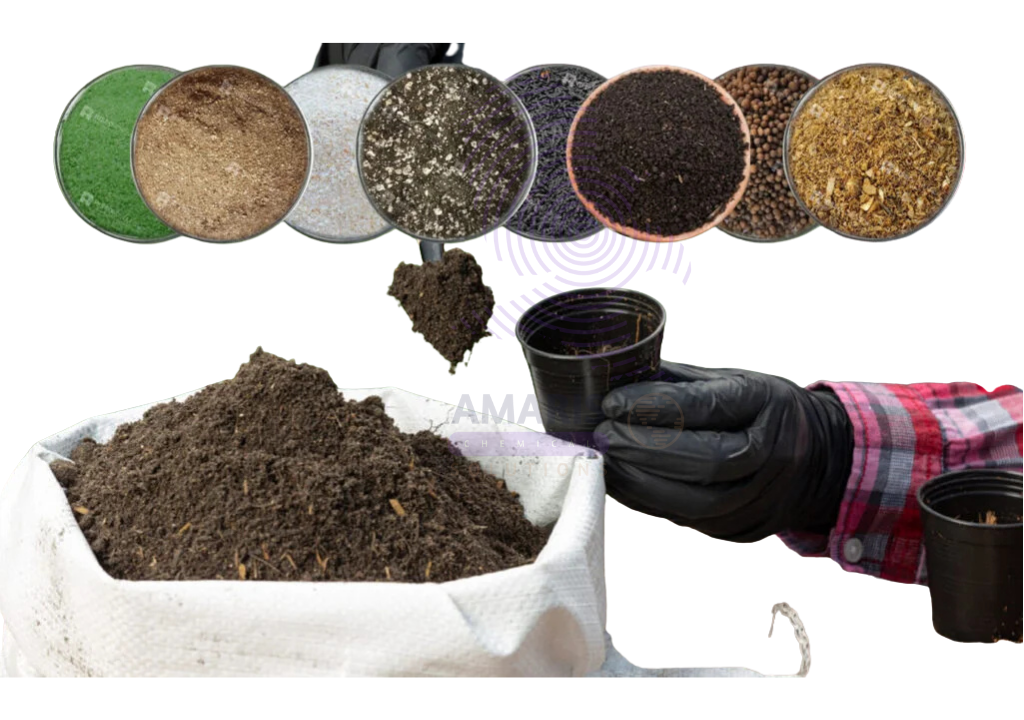
Soil conditioners, on the other hand, focus on improving the physical, chemical, and biological properties of the soil rather than feeding the plant directly. They help improve soil structure, increase water retention, enhance aeration, reduce compaction, and encourage beneficial microbial activity. While soil conditioners may contain some nutrients, their primary purpose is to create a healthier environment where plant roots can grow more efficiently and absorb nutrients more effectively. 🌍💧
One of the biggest differences between fertilizers and soil conditioners is how quickly they produce visible results. Fertilizers often provide nutrients that plants can absorb relatively quickly, making them ideal when crops show signs of nutrient deficiency or require additional nutrition during important growth stages. Soil conditioners generally produce gradual, long-term improvements by enhancing the soil itself. Their benefits become more noticeable over multiple growing seasons as soil health continues to improve.
Another important distinction is their impact on soil fertility and sustainability. Fertilizers directly replace nutrients removed by harvested crops, ensuring that plants have the resources they need for healthy development. Soil conditioners improve the soil’s ability to retain nutrients, moisture, and oxygen, making fertilizer applications more efficient. When used together, these products complement each other, helping farmers maximize crop performance while maintaining productive soils for future planting seasons. 🌱
Water management is another area where soil conditioners offer significant advantages. In many parts of Africa, rainfall can be unpredictable, making efficient water use essential. Soil conditioners help improve moisture retention in sandy soils while enhancing drainage in heavy clay soils. This creates better growing conditions during both dry and wet periods. Fertilizers support healthy root development, allowing crops to make better use of the available water and nutrients.
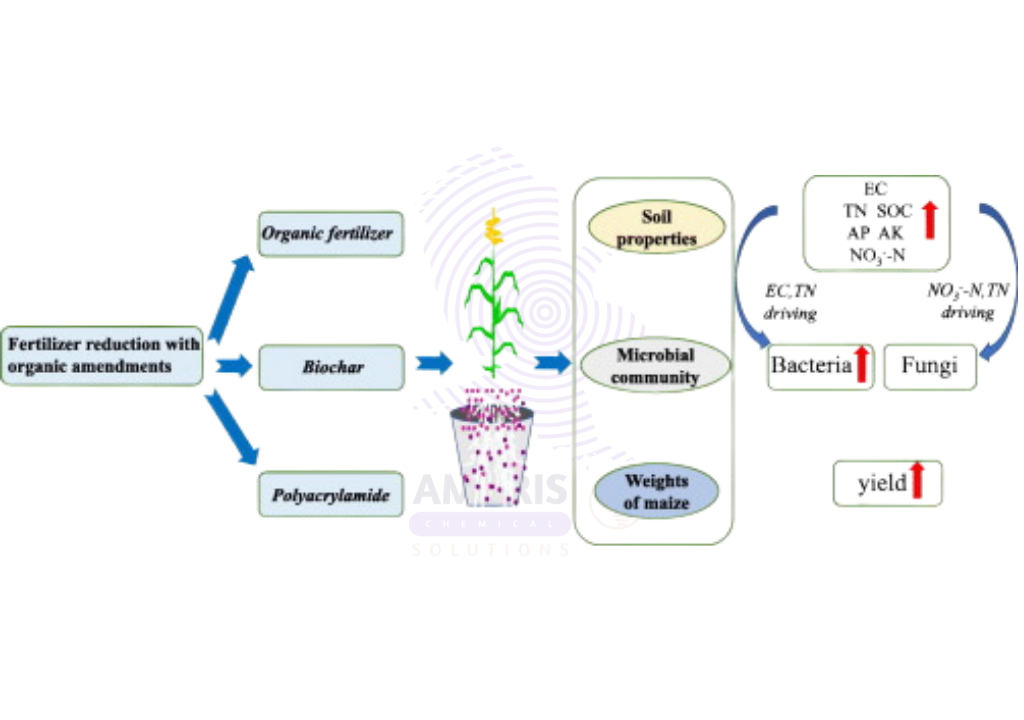
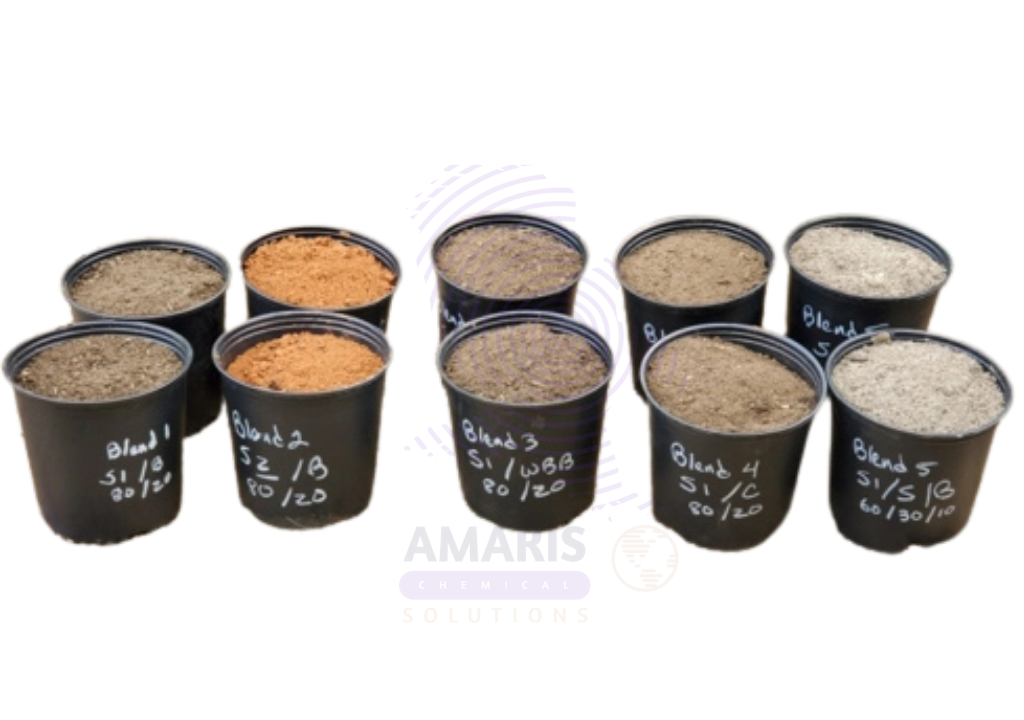
Farmers also benefit from using these products to improve crop quality and profitability. Fertilizers encourage healthy growth, increased flowering, and better fruit or grain development, while soil conditioners create stronger root systems that improve nutrient uptake and overall plant health. Healthier crops often produce higher-quality harvests that meet market standards and generate better financial returns.
The choice between fertilizers and soil conditioners should depend on the condition of the soil and the specific needs of the crop. Soil testing is one of the best ways to determine nutrient levels, pH, and soil structure before selecting products. This information allows farmers to apply the right inputs at the right time, reducing unnecessary costs and improving overall efficiency. Precision agriculture practices also help optimize chemical use while minimizing environmental impact. 📊🌾
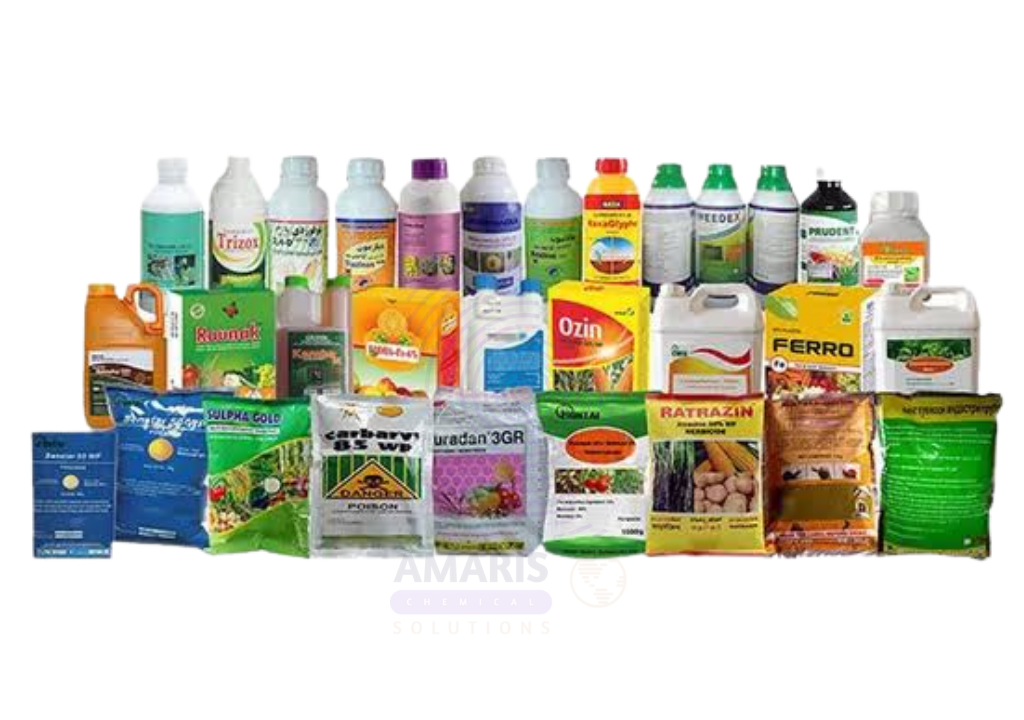
Responsible application is equally important. Both fertilizers and soil conditioners should be used according to manufacturer recommendations and good agricultural practices. Applying excessive amounts of fertilizer can lead to nutrient runoff and environmental pollution, while improper use of soil conditioners may not deliver the desired improvements. Safe storage, proper handling, and appropriate application equipment help ensure effective and responsible use.
In conclusion, fertilizers and soil conditioners are not competing products—they are complementary tools that play different but equally important roles in modern agriculture. Fertilizers provide the nutrients crops need for immediate growth, while soil conditioners improve the soil environment that supports long-term productivity. By understanding the strengths of each and using them together where appropriate, farmers can increase crop yields, improve soil health, conserve resources, and build more resilient farming systems. As agriculture continues to evolve, combining effective nutrient management with healthy soils will remain one of the keys to sustainable and profitable farming. 🌱🚜🌍