Preservatives(food)
 Flavors
 Acidulants
 Sweeteners
 Antioxidants
 Colorants(food)
 Nutraceutical Ingredients (food)
 Nutrient Supplements
 Emulsifiers
 Collectors
 Dust Suppressants
 Explosives and Blasting Agents
 Flocculants and Coagulants
 Frothers
 Leaching Agents
 pH Modifiers
 Precious Metal Extraction Agents
 Antioxidants(plastic)
 Colorants (Pigments, Dyes)
 Fillers and Reinforcements
 Flame Retardants
 Monomers
 Plasticizers
 Polymerization Initiators
 Stabilizers (UV, Heat)
 Antifoaming Agents
 Chelating Agents
 Coagulants and Flocculants
 Corrosion Inhibitors
 Disinfectants and Biocides
 Oxidizing Agents
 pH Adjusters
 Scale Inhibitors( water)
 Antioxidants(cosmetic)
 Emollients
 Oils
Oils Carrier Oills
 Essential Oils
 Humectants
 Preservatives
 Surfactants(cosmetic)
 Thickeners
 UV Filters
 Fragrance (Cosmetics)
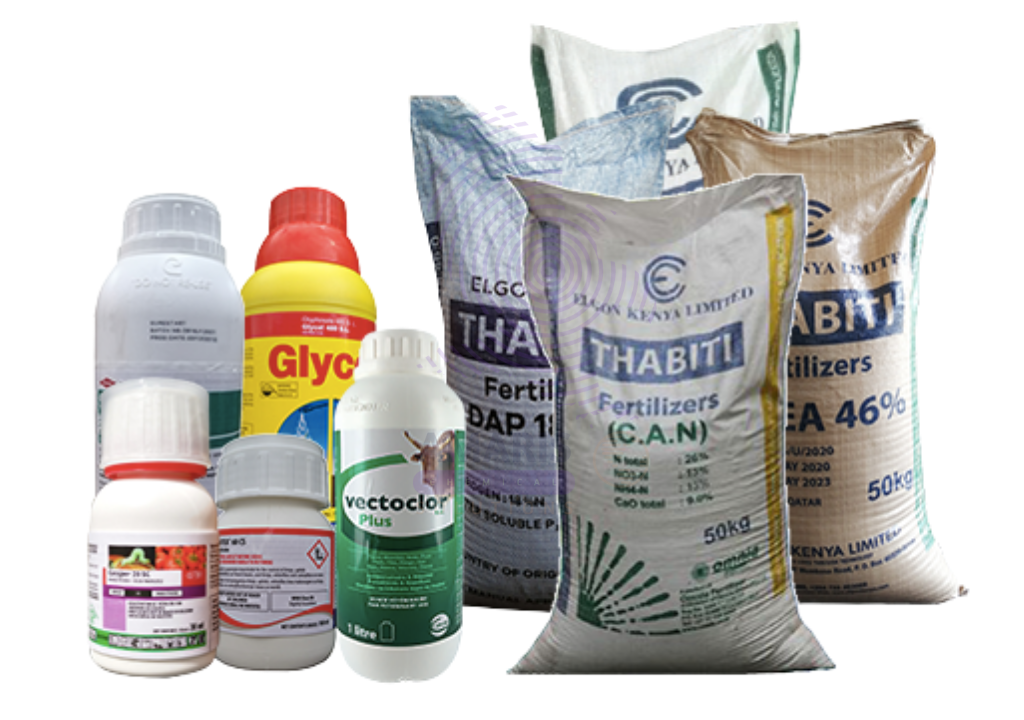
 Fertilizers
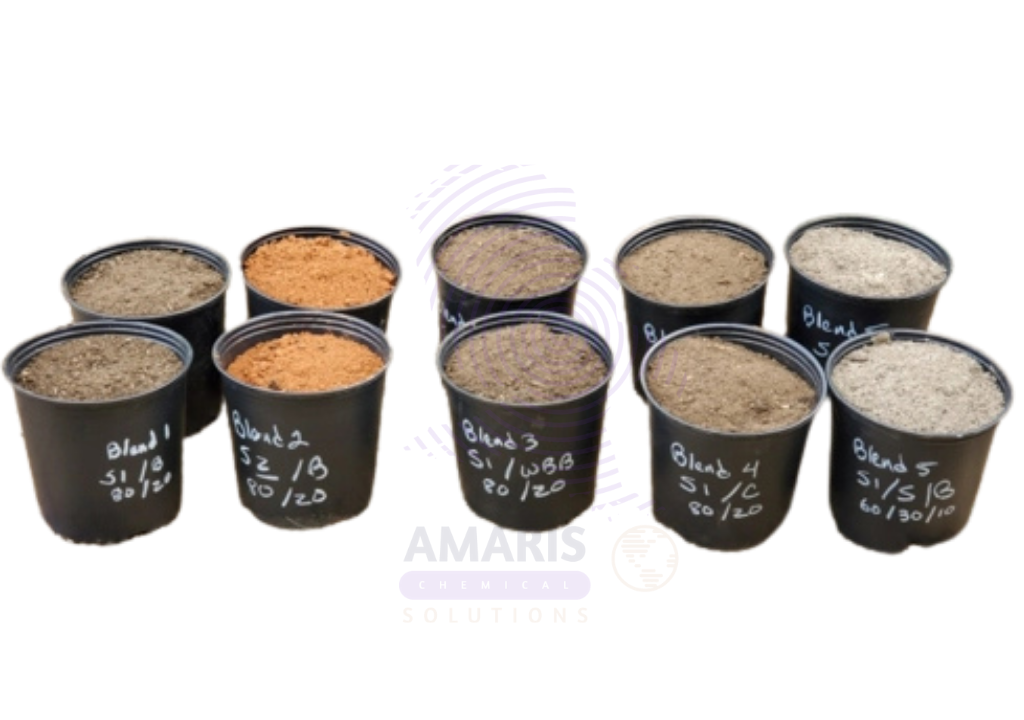
 Soil Conditioners
 Plant Growth Regulators
 Animal Feed Additives
 Biostimulants
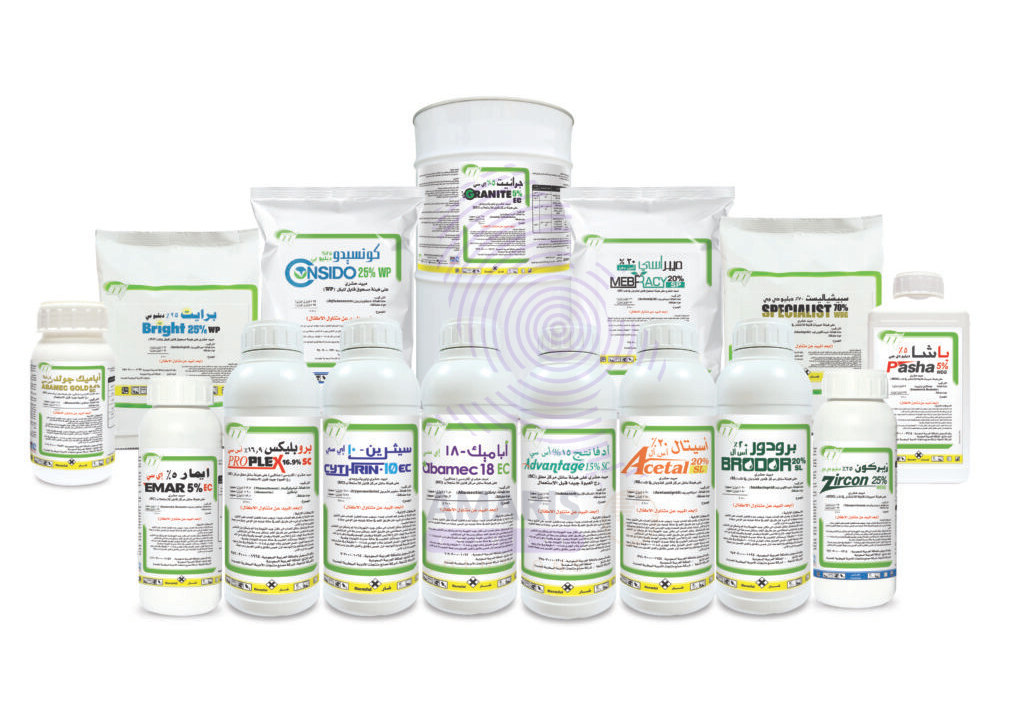
 Pesticides (Herbicides, Insecticides, Fungicides)
 Active Pharmaceutical Ingredients (APIs)
 Excipients
 Solvents(pharmaceutical)
 Antibiotics
 Antiseptics and Disinfectants
 Vaccine Adjuvants
 Nutraceutical Ingredients (pharmaceutical)
 Analgesics & Antipyretics
 Analytical Reagents
 Solvents(lab)
 Chromatography Chemicals
 Spectroscopy Reagents
 microbiology-and-cell-culture-reagents
 Molecular Biology Reagents
 Biochemical Reagents
 Inorganic and Organic Standards
 Laboratory Safety Chemicals
 Specialty Laboratory Chemicals(Special Laboratory Equipment)
 Demulsifiers
 Hydraulic Fracturing Fluids
 Scale Inhibitors(oil)
 Surfactants(oil)
 Drilling Fluids
 Dyes and Pigments
 Bleaching Agents
 Softening Agents
 Finishing Agents
 Antistatic Agents
 Admixtures
 Waterproofing Agents
 Sealants and Adhesives
 Curing Compounds
 Concrete Repair Chemicals
 Anti-Corrosion Coatings
 Surfactants(cleaning)
 Builders
 Enzymes
 Solvents (Cleaning)
 Electronic Chemicals
 Catalysts
 Lubricants
 Photographic Chemicals
 Refrigerants
 Automotive chemicals
 Pyrotechnic Chemicals
 Biodegradable Surfactants
 Bio-based Solvents
 Renewable Polymers
 Carbon Capture Chemicals
 Wastewater Treatment Chemicals
 Pigments
 Solvents(paint)
 Specialty Coatings
 Binders/Resins
 Additives
 Driers
 Anti-Corrosion Agents
 Functional Coatings
 Application-Specific Coatings
 Leavening Agents
 Dough Conditioners
 Flour Treatments
 Fat Replacers
 Decoratives
 Preservatives(baking)
 Plasticizers & Softeners
 Reinforcing Agents
 Adhesion Promoters
 Vulcanizing Agents
 Antidegradants
 Blowing Agents
 Fillers & Extenders
 Accelerators & Retarders
🌍 Climate Change and Chemical Solutions for Sustainable Farming 🌱🧪🚜

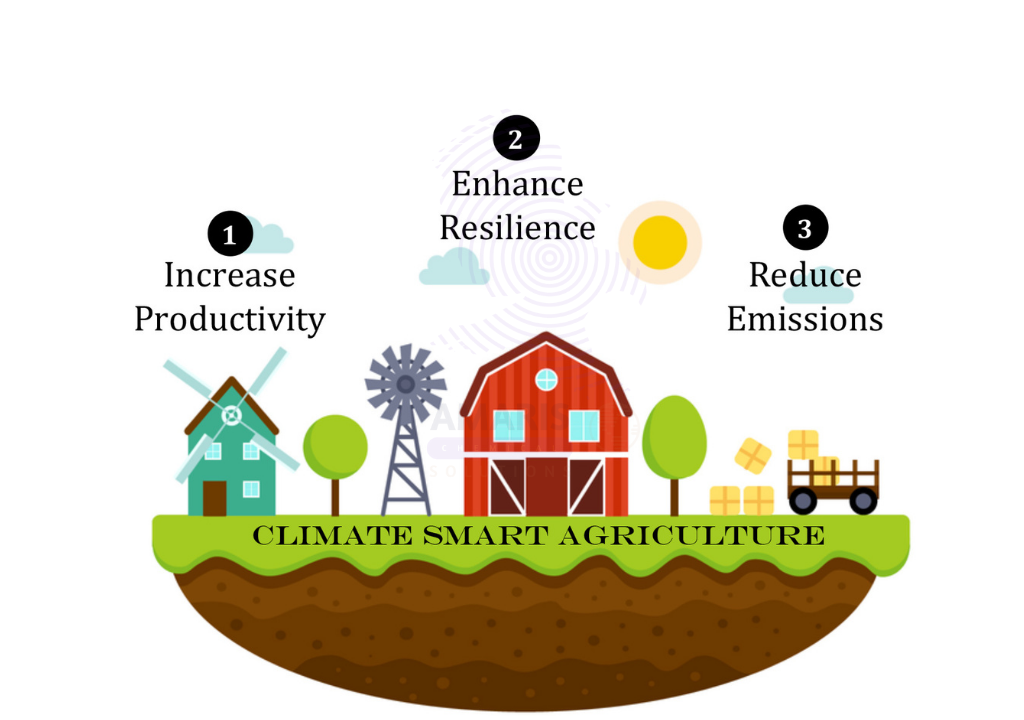
Climate change is transforming agriculture across the world. Changing rainfall patterns, rising temperatures, prolonged dry periods, soil degradation, and extreme weather events are making it increasingly challenging for farmers to maintain consistent crop production. At the same time, the global demand for food continues to increase. This combination has made sustainable and climate-smart agriculture more important than ever.
Chemical solutions can play an important role in helping farmers respond to these challenges. When selected carefully and used responsibly, fertilizers, soil conditioners, crop protection products, micronutrients, and other agricultural inputs can improve resource efficiency, protect crops, and support healthier soils. The goal is not simply to use more chemicals, but to use the right products, in the right amounts, at the right time. 🌾💧
One of the most important agricultural challenges associated with climate change is declining soil productivity. Repeated cultivation, erosion, nutrient removal, and changing weather conditions can reduce soil fertility. Fertilizers help replace essential nutrients such as nitrogen, phosphorus, and potassium that crops require for healthy growth. Proper nutrient management can support stronger plants and improve yields without requiring farmers to continually expand cultivated land.
Micronutrients are also important for plant development. Elements such as zinc, iron, manganese, and boron are required in smaller quantities but contribute to important plant functions. Where soil testing identifies deficiencies, targeted micronutrient applications can help crops achieve healthier growth and make better use of available resources. 🧪🌱
Soil conditioners provide another useful approach to climate-resilient agriculture. Healthy soil should be able to retain appropriate amounts of water, provide sufficient aeration, and support strong root development. Depending on the soil type and specific conditions, soil conditioners can help improve soil structure, moisture management, and nutrient availability. Better soil conditions can help crops cope with periods of limited rainfall while also improving drainage when excessive water is present.
Water efficiency is becoming particularly important in regions affected by drought and unpredictable rainfall. Healthy root systems and improved soil structure can help crops make more effective use of available moisture. Combining appropriate soil management with efficient irrigation and carefully planned nutrient applications can reduce unnecessary water and input consumption. 💧🚜
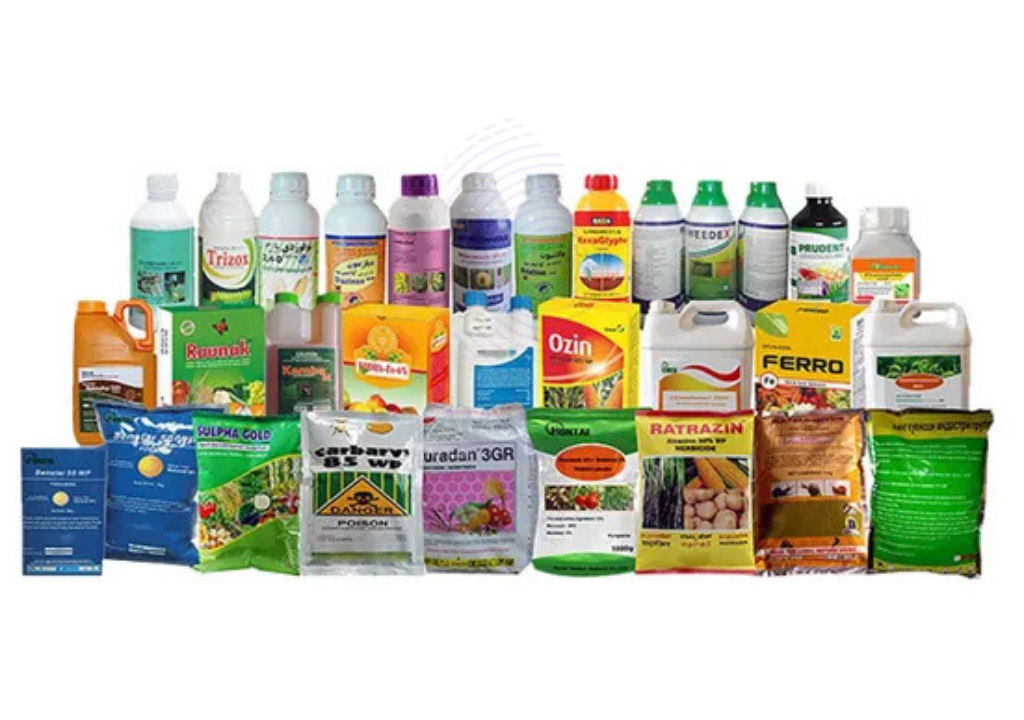
Climate change can also influence the spread and behavior of agricultural pests and diseases. Warmer temperatures and changing environmental conditions may create favorable conditions for certain insects, weeds, and plant pathogens. Crop protection products, including herbicides, insecticides, and fungicides, can help farmers protect crops from these threats. However, responsible application is essential. Integrated pest management combines chemical controls with monitoring, biological methods, cultural practices, and other techniques to reduce unnecessary chemical use.
Another area of innovation is the development of more efficient agricultural formulations. Modern products are increasingly designed to deliver effective performance using optimized application rates. Precision agriculture technologies can further improve efficiency by allowing farmers to identify areas of a field that require specific nutrients or crop protection measures. This targeted approach can reduce waste, lower input costs, and minimize unnecessary environmental exposure. 📡🌱
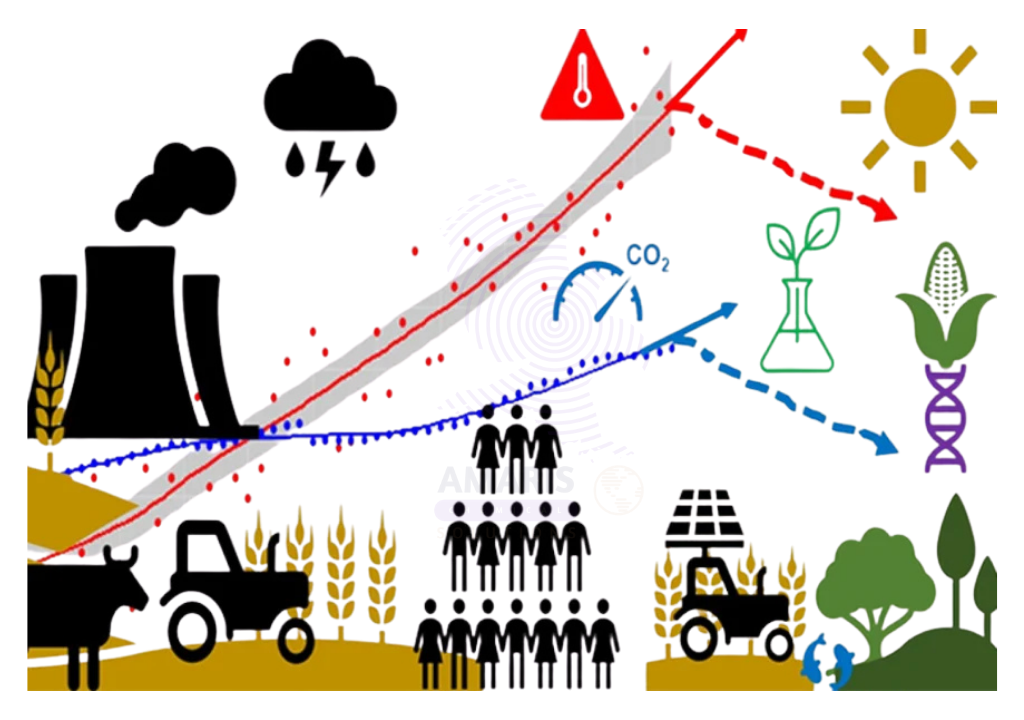
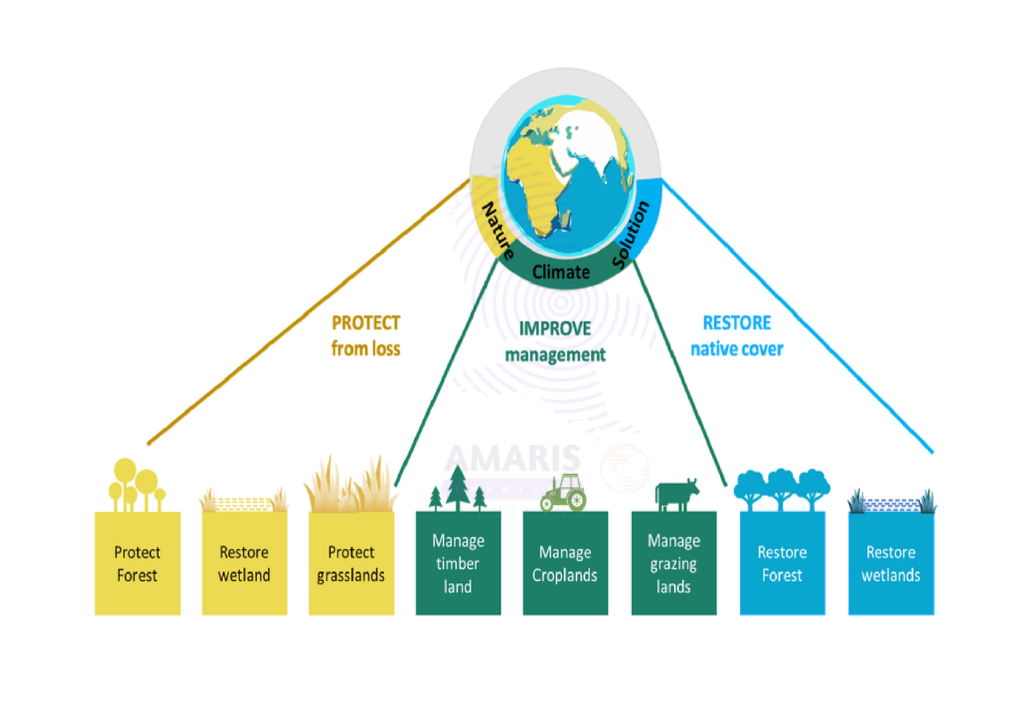
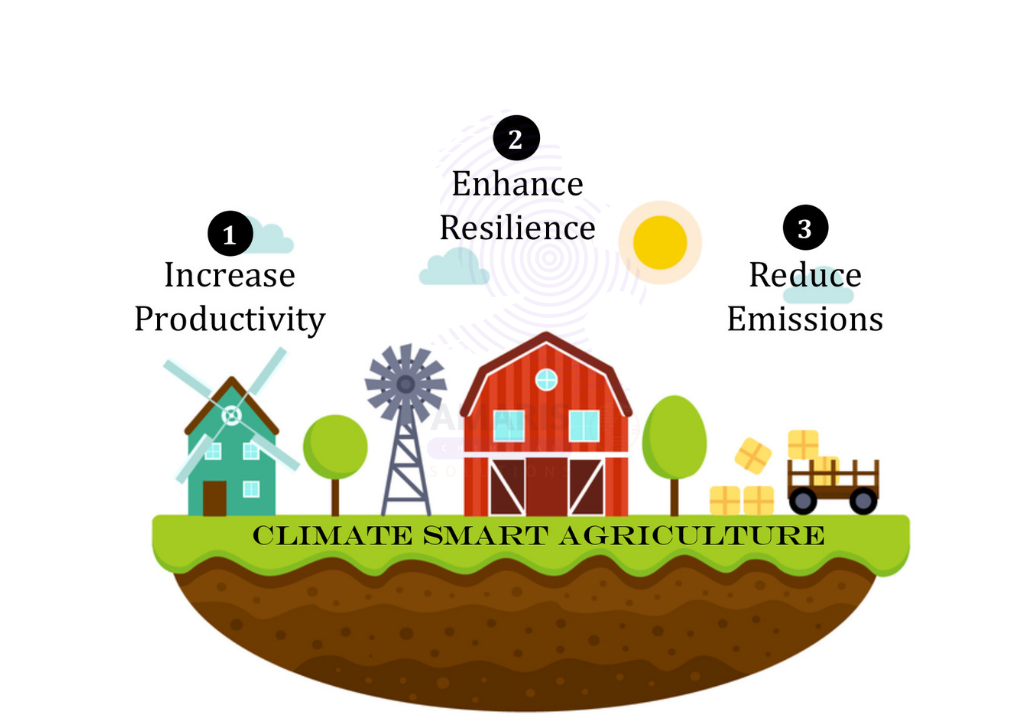
Chemical solutions can also contribute to carbon-efficient farming when they are part of a broader sustainable strategy. Improving crop productivity can help farmers produce more food from existing farmland, reducing pressure to convert additional land for agriculture. Better nutrient management can also reduce unnecessary fertilizer use and improve resource efficiency.
Sustainability, however, depends on responsible chemical management. Farmers should follow product labels and professional recommendations, use appropriate protective equipment, store agricultural chemicals safely, and observe applicable requirements for application and disposal. Soil testing is particularly useful because it allows farmers to make decisions based on actual soil conditions instead of applying inputs unnecessarily. 🧤📋
The future of sustainable farming will increasingly involve combining chemistry, technology, and traditional agricultural knowledge. Fertilizers and soil conditioners can support soil health, crop protection products can reduce losses, and precision technologies can help farmers apply inputs more efficiently. Together with crop rotation, water conservation, improved seeds, organic matter management, and other sustainable practices, these approaches can create more resilient agricultural systems.
For African agriculture, these solutions are particularly relevant. Farmers across the continent face diverse challenges ranging from soil nutrient depletion and water scarcity to pest pressure and unpredictable weather. Improving access to quality agricultural inputs, technical knowledge, and modern farming technologies can help strengthen food production while supporting rural livelihoods. 🌍🌾
In conclusion, climate change presents major challenges for agriculture, but innovative chemical solutions can be part of the response. Fertilizers, micronutrients, soil conditioners, and crop protection products can help farmers improve productivity, manage resources more efficiently, and protect crops from changing environmental pressures. The future of sustainable farming will depend not on chemical use alone, but on smart, responsible, and integrated agricultural practices that balance productivity with environmental protection. 🌱🧪♻️