Preservatives(food)
 Flavors
 Acidulants
 Sweeteners
 Antioxidants
 Colorants(food)
 Nutraceutical Ingredients (food)
 Nutrient Supplements
 Emulsifiers
 Collectors
 Dust Suppressants
 Explosives and Blasting Agents
 Flocculants and Coagulants
 Frothers
 Leaching Agents
 pH Modifiers
 Precious Metal Extraction Agents
 Antioxidants(plastic)
 Colorants (Pigments, Dyes)
 Fillers and Reinforcements
 Flame Retardants
 Monomers
 Plasticizers
 Polymerization Initiators
 Stabilizers (UV, Heat)
 Antifoaming Agents
 Chelating Agents
 Coagulants and Flocculants
 Corrosion Inhibitors
 Disinfectants and Biocides
 Oxidizing Agents
 pH Adjusters
 Scale Inhibitors( water)
 Antioxidants(cosmetic)
 Emollients
 Oils
Oils Carrier Oills
 Essential Oils
 Humectants
 Preservatives
 Surfactants(cosmetic)
 Thickeners
 UV Filters
 Fragrance (Cosmetics)
 Fertilizers
 Soil Conditioners
 Plant Growth Regulators
 Animal Feed Additives
 Biostimulants
 Pesticides (Herbicides, Insecticides, Fungicides)
 Active Pharmaceutical Ingredients (APIs)
 Excipients
 Solvents(pharmaceutical)
 Antibiotics
 Antiseptics and Disinfectants
 Vaccine Adjuvants
 Nutraceutical Ingredients (pharmaceutical)
 Analgesics & Antipyretics
 Analytical Reagents
 Solvents(lab)
 Chromatography Chemicals
 Spectroscopy Reagents
 microbiology-and-cell-culture-reagents
 Molecular Biology Reagents
 Biochemical Reagents
 Inorganic and Organic Standards
 Laboratory Safety Chemicals
 Specialty Laboratory Chemicals(Special Laboratory Equipment)
 Demulsifiers
 Hydraulic Fracturing Fluids
 Scale Inhibitors(oil)
 Surfactants(oil)
 Drilling Fluids
 Dyes and Pigments
 Bleaching Agents
 Softening Agents
 Finishing Agents
 Antistatic Agents
 Admixtures
 Waterproofing Agents
 Sealants and Adhesives
 Curing Compounds
 Concrete Repair Chemicals
 Anti-Corrosion Coatings
 Surfactants(cleaning)
 Builders
 Enzymes
 Solvents (Cleaning)
 Electronic Chemicals
 Catalysts
 Lubricants
 Photographic Chemicals
 Refrigerants
 Automotive chemicals
 Pyrotechnic Chemicals
 Biodegradable Surfactants
 Bio-based Solvents
 Renewable Polymers
 Carbon Capture Chemicals
 Wastewater Treatment Chemicals
 Pigments
 Solvents(paint)
 Specialty Coatings
 Binders/Resins
 Additives
 Driers
 Anti-Corrosion Agents
 Functional Coatings
 Application-Specific Coatings
 Leavening Agents
 Dough Conditioners
 Flour Treatments
 Fat Replacers
 Decoratives
 Preservatives(baking)
 Plasticizers & Softeners
 Reinforcing Agents
 Adhesion Promoters
 Vulcanizing Agents
 Antidegradants
 Blowing Agents
 Fillers & Extenders
 Accelerators & Retarders
Potassium Carbonate: The Powerful Alkali Used in Glass, Food Processing, Agriculture, and Industrial Manufacturing 🧪⚪⚙️

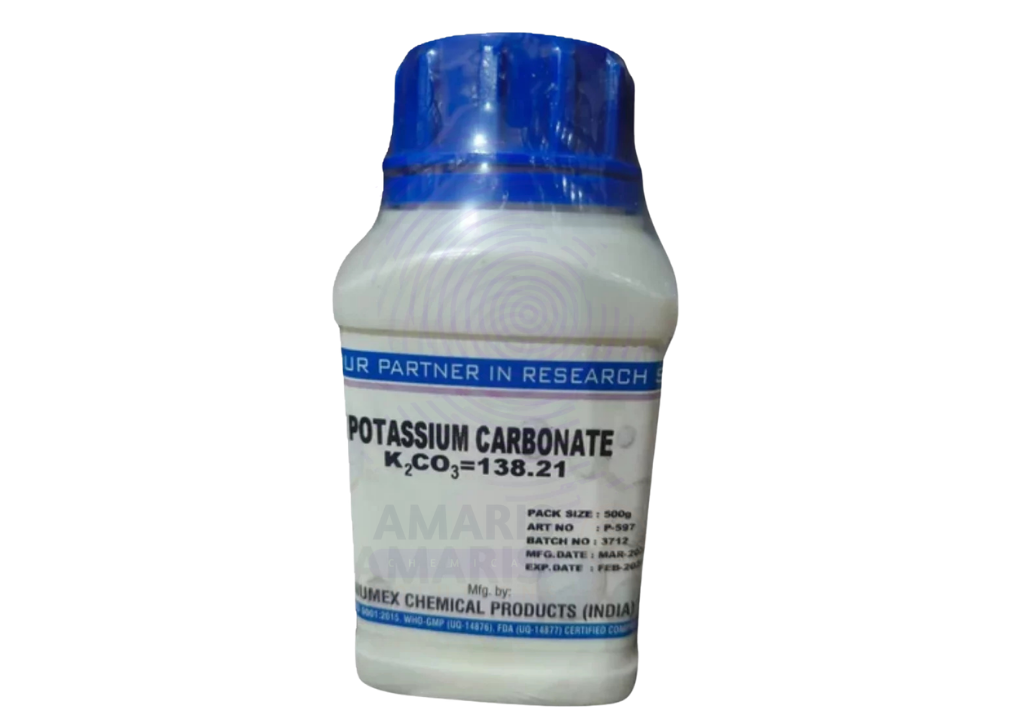
Potassium Carbonate is one of the most versatile and widely used inorganic compounds in modern industry. Known for its strong alkaline properties and excellent solubility in water, this white crystalline chemical plays an essential role in industries such as glass manufacturing, food processing, agriculture, soap production, pharmaceuticals, and laboratory applications.
Often referred to as “potash” in industrial settings, potassium carbonate has been used for centuries in manufacturing and chemical processing. Today, its importance continues to grow because of its efficiency, versatility, and compatibility with numerous industrial systems. From strengthening glass products to supporting agricultural formulations and food production, potassium carbonate remains a key chemical in global manufacturing.
What is Potassium Carbonate?
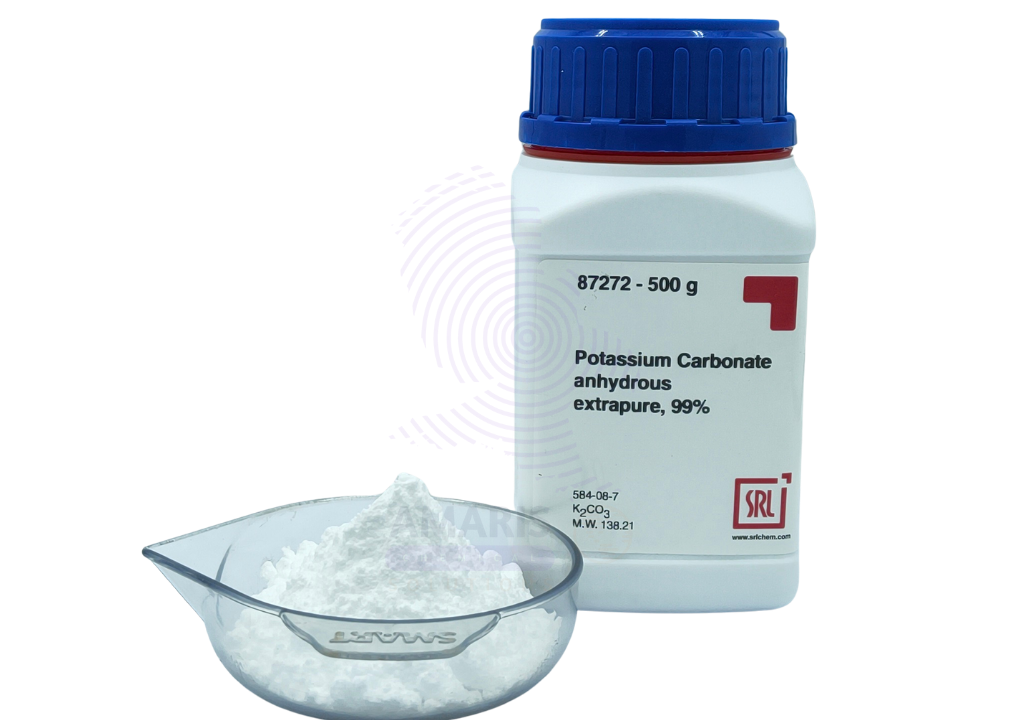
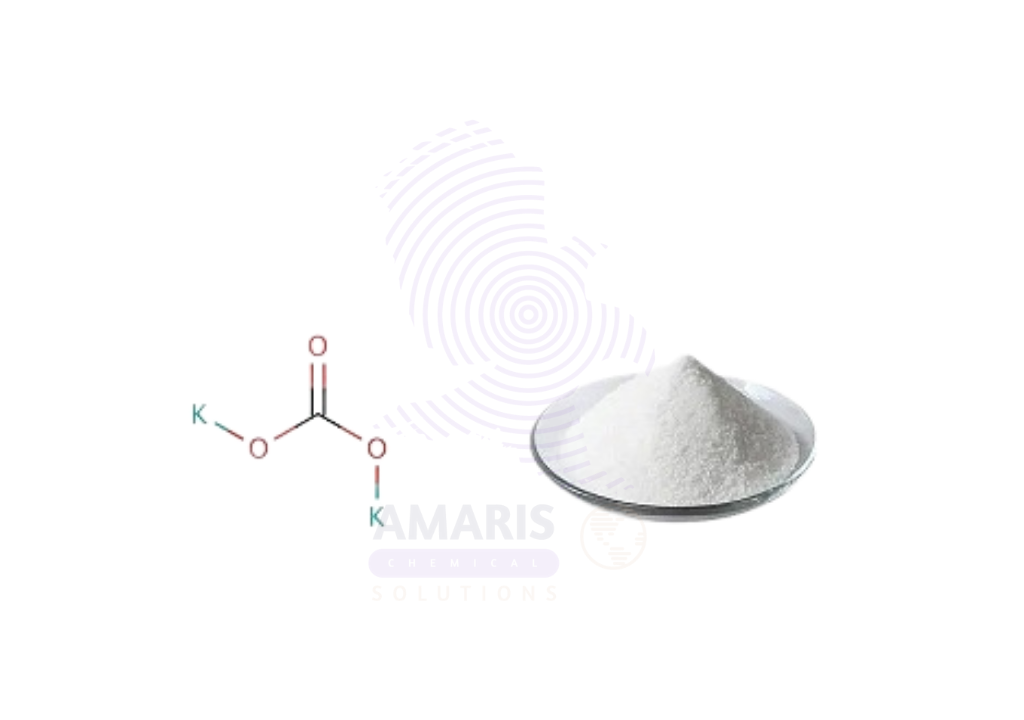
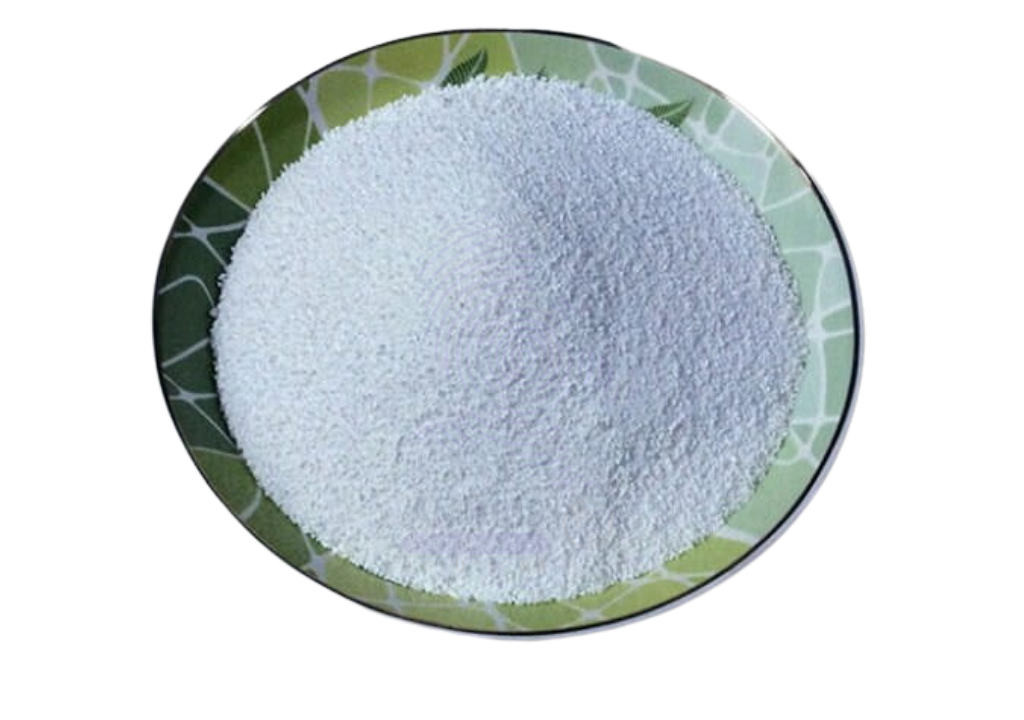
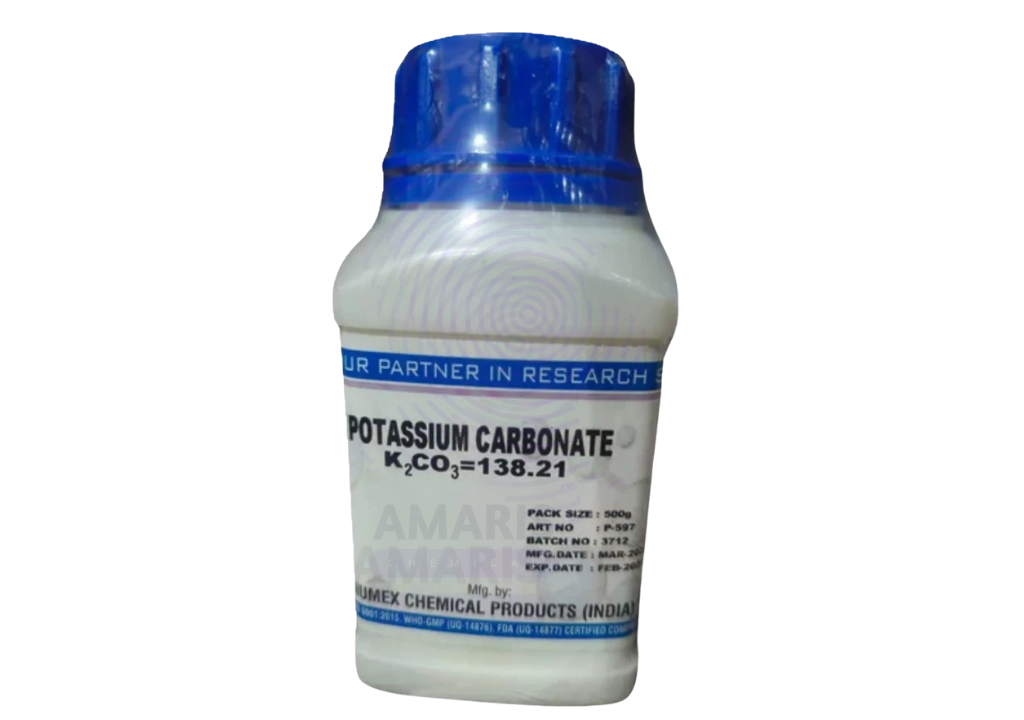
Potassium carbonate is an inorganic compound with the chemical formula K₂CO₃. It usually appears as a white hygroscopic powder or granular solid that dissolves easily in water to form a strongly alkaline solution.
The compound is valued because of its:
• Strong alkaline nature
• High water solubility
• Chemical stability
• Wide industrial compatibility
Potassium carbonate is commonly produced through industrial chemical processes and is widely used where controlled alkalinity and potassium content are required.
Applications in Glass Manufacturing 🏭
One of the most important industrial uses of potassium carbonate is in the glass industry. It is used in the production of specialty glass because it helps improve clarity, durability, and refractive properties.
Manufacturers use potassium carbonate in:
• Optical glass
• Television and display glass
• Laboratory glassware
• Specialty industrial glass products
The compound lowers the melting point of silica mixtures, making glass production more efficient while improving the overall quality of the finished material.
Because of these advantages, potassium carbonate continues to be an important ingredient in advanced glass manufacturing.
Importance in Food Processing 🍞
Potassium carbonate is also widely used in the food industry, where it functions as a food additive and pH regulator.
It may be used in:
• Cocoa processing
• Baking applications
• Food acidity control
• Production of specialty food products
Its alkaline properties help adjust acidity levels and improve texture in certain food formulations. In cocoa processing, for example, potassium carbonate can help modify flavor and color characteristics.
Food-grade potassium carbonate is carefully processed to meet strict quality and safety standards.
Role in Soap and Detergent Manufacturing 🧼
Potassium carbonate plays a major role in the production of soaps and cleaning products because of its alkaline behavior.
It is used in:
• Liquid soap manufacturing
• Industrial cleaning products
• Specialty detergents
The compound helps support cleaning performance and formulation stability, making it useful in both household and industrial cleaning systems.
Historically, potassium carbonate was one of the earliest alkalis used in soap production, and it remains valuable in modern formulations today.
Agricultural Applications 🌱
In agriculture, potassium carbonate serves as a useful source of potassium, an essential nutrient for plant growth.
It may be used in:
• Fertilizer formulations
• Agricultural nutrient blends
• Plant treatment products
Potassium is important for healthy plant development, water regulation, and crop productivity. Potassium carbonate helps supply this critical nutrient in agricultural systems.
Its alkaline properties can also assist in certain agricultural processing applications.
Laboratory and Chemical Applications 🔬
Potassium carbonate is widely used in laboratories and chemical industries because of its role as an alkali and chemical reagent.
It is commonly used in:
• Chemical synthesis
• Analytical chemistry
• pH adjustment
• Laboratory experiments
Chemists value potassium carbonate because it is stable, easy to handle, and highly effective in many chemical reactions.
In laboratories, high-purity potassium carbonate is often preferred to ensure accurate and reproducible results.
Advantages of Potassium Carbonate
Potassium carbonate offers several important advantages that contribute to its widespread industrial use. It is highly soluble, chemically stable, and effective in alkaline formulations. Its versatility allows it to function in food processing, industrial manufacturing, agriculture, and laboratory applications.
It also provides a valuable source of potassium while supporting efficient chemical processing and product performance.
Safe Handling and Storage 🛡️
Because potassium carbonate is alkaline, it should be handled carefully in professional environments.
Recommended precautions include:
• Store in tightly sealed containers
• Keep in a cool and dry environment
• Avoid excessive moisture exposure
• Use protective gloves and eye protection during handling
Proper storage helps maintain product quality and prevents absorption of moisture from the atmosphere.
Final Thoughts
Potassium Carbonate is a highly valuable industrial chemical that continues to support numerous industries through its alkaline properties, versatility, and efficiency. Its importance in glass manufacturing, food processing, soap production, agriculture, and laboratory chemistry highlights its broad industrial significance.
From improving specialty glass and supporting food production to enhancing cleaning products and agricultural systems, potassium carbonate demonstrates how essential inorganic compounds contribute to modern industrial development.
As industries continue to evolve and demand reliable multifunctional chemicals, Potassium Carbonate will remain a key ingredient driving manufacturing, innovation, and chemical performance worldwide. 🧪⚪⚙️