Preservatives(food)
 Flavors
 Acidulants
 Sweeteners
 Antioxidants
 Colorants(food)
 Nutraceutical Ingredients (food)
 Nutrient Supplements
 Emulsifiers
 Collectors
 Dust Suppressants
 Explosives and Blasting Agents
 Flocculants and Coagulants
 Frothers
 Leaching Agents
 pH Modifiers
 Precious Metal Extraction Agents
 Antioxidants(plastic)
 Colorants (Pigments, Dyes)
 Fillers and Reinforcements
 Flame Retardants
 Monomers
 Plasticizers
 Polymerization Initiators
 Stabilizers (UV, Heat)
 Antifoaming Agents
 Chelating Agents
 Coagulants and Flocculants
 Corrosion Inhibitors
 Disinfectants and Biocides
 Oxidizing Agents
 pH Adjusters
 Scale Inhibitors( water)
 Antioxidants(cosmetic)
 Emollients
 Oils
Oils Carrier Oills
 Essential Oils
 Humectants
 Preservatives
 Surfactants(cosmetic)
 Thickeners
 UV Filters
 Fragrance (Cosmetics)
 Fertilizers
 Soil Conditioners
 Plant Growth Regulators
 Animal Feed Additives
 Biostimulants
 Pesticides (Herbicides, Insecticides, Fungicides)
 Active Pharmaceutical Ingredients (APIs)
 Excipients
 Solvents(pharmaceutical)
 Antibiotics
 Antiseptics and Disinfectants
 Vaccine Adjuvants
 Nutraceutical Ingredients (pharmaceutical)
 Analgesics & Antipyretics
 Analytical Reagents
 Solvents(lab)
 Chromatography Chemicals
 Spectroscopy Reagents
 microbiology-and-cell-culture-reagents
 Molecular Biology Reagents
 Biochemical Reagents
 Inorganic and Organic Standards
 Laboratory Safety Chemicals
 Specialty Laboratory Chemicals(Special Laboratory Equipment)
 Demulsifiers
 Hydraulic Fracturing Fluids
 Scale Inhibitors(oil)
 Surfactants(oil)
 Drilling Fluids
 Dyes and Pigments
 Bleaching Agents
 Softening Agents
 Finishing Agents
 Antistatic Agents
 Admixtures
 Waterproofing Agents
 Sealants and Adhesives
 Curing Compounds
 Concrete Repair Chemicals
 Anti-Corrosion Coatings
 Surfactants(cleaning)
 Builders
 Enzymes
 Solvents (Cleaning)
 Electronic Chemicals
 Catalysts
 Lubricants
 Photographic Chemicals
 Refrigerants
 Automotive chemicals
 Pyrotechnic Chemicals
 Biodegradable Surfactants
 Bio-based Solvents
 Renewable Polymers
 Carbon Capture Chemicals
 Wastewater Treatment Chemicals
 Pigments
 Solvents(paint)
 Specialty Coatings
 Binders/Resins
 Additives
 Driers
 Anti-Corrosion Agents
 Functional Coatings
 Application-Specific Coatings
 Leavening Agents
 Dough Conditioners
 Flour Treatments
 Fat Replacers
 Decoratives
 Preservatives(baking)
 Plasticizers & Softeners
 Reinforcing Agents
 Adhesion Promoters
 Vulcanizing Agents
 Antidegradants
 Blowing Agents
 Fillers & Extenders
 Accelerators & Retarders
The Future of Industrial Chemicals in Africa: Trends Shaping 2026 🌍🧪⚙️

The industrial chemicals sector in Africa is entering a transformative phase, and 2026 is expected to be a defining year for growth, innovation, and structural change. As industries across the continent expand—from mining and agriculture to construction, water treatment, and manufacturing—the demand for reliable and high-quality chemicals continues to rise rapidly. This shift is not only about increased consumption but also about how chemicals are produced, distributed, and used in more efficient and sustainable ways.
Africa’s chemical industry is evolving in response to global pressure for sustainability, local industrialization efforts, and technological advancement. These combined forces are shaping a new era where industrial chemicals will play an even more critical role in economic development and infrastructure growth.
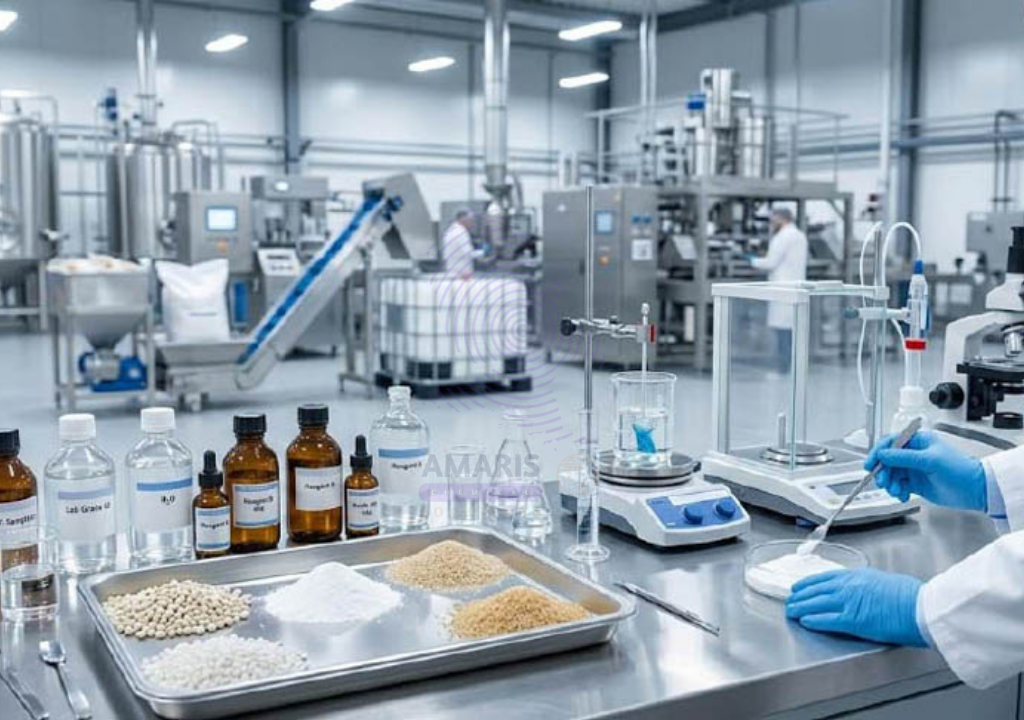
One of the most important trends shaping 2026 is the push toward local production and reduced import dependency. Many African countries are investing in domestic chemical manufacturing to reduce reliance on imported raw materials and finished products. This shift is driven by the need for supply chain stability, cost reduction, and job creation. As a result, more chemical blending plants, formulation facilities, and processing units are being established closer to end-user industries. This localization trend is expected to significantly improve availability and affordability of essential industrial chemicals across the continent.
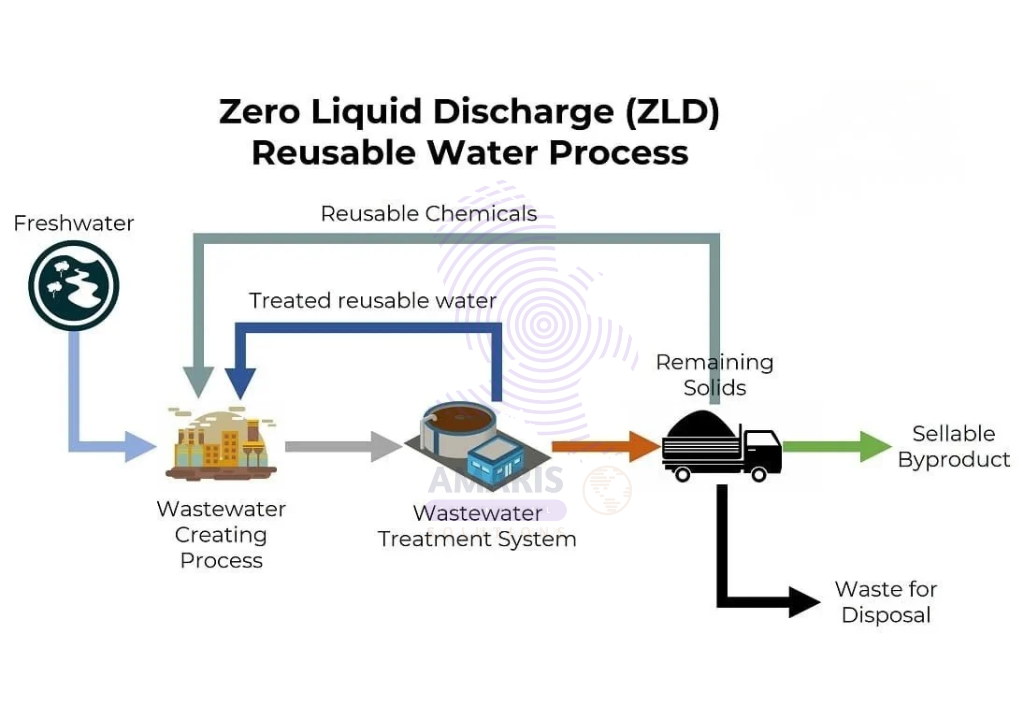
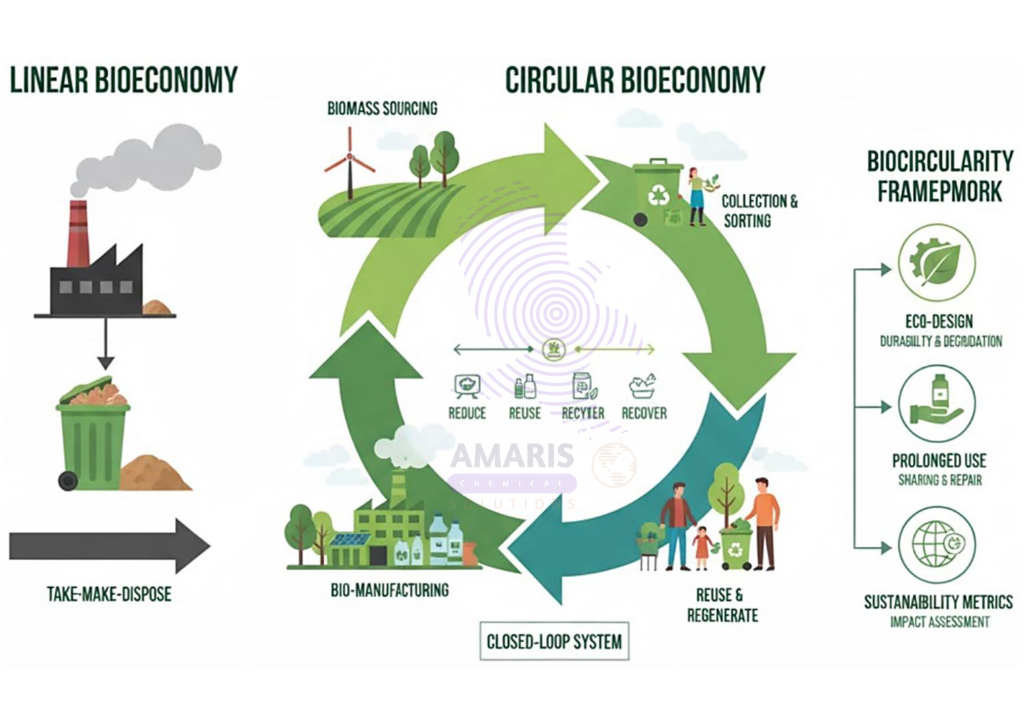
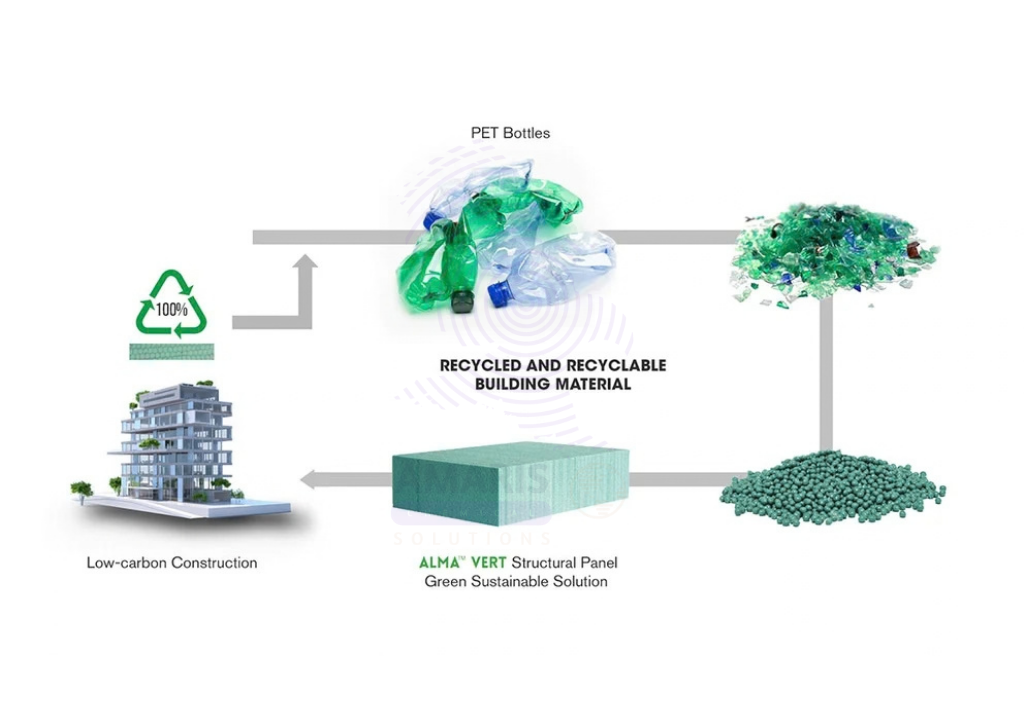
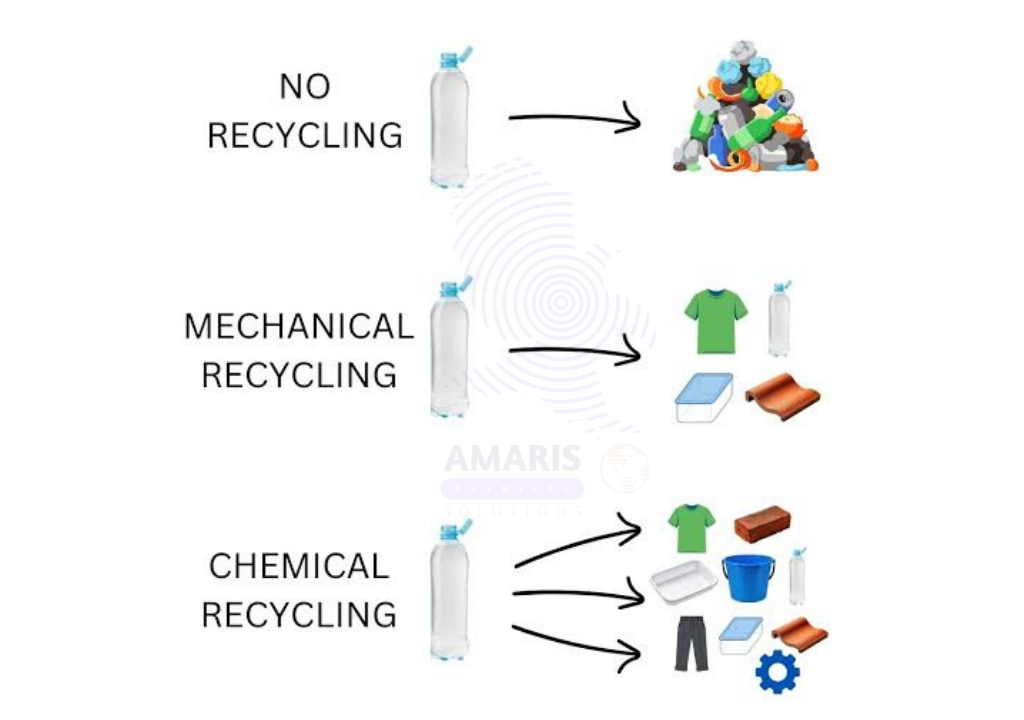
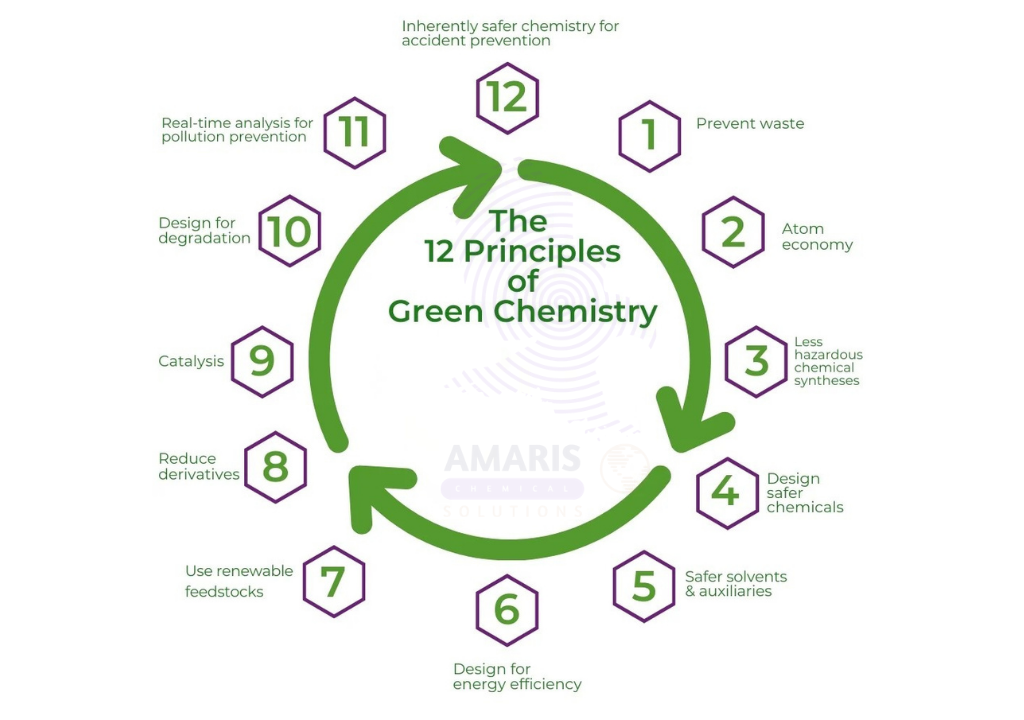
Another major trend is the growing emphasis on green and sustainable chemistry 🌱. Environmental concerns, climate change awareness, and stricter regulations are pushing industries to adopt cleaner production methods. In 2026, more companies are expected to invest in eco-friendly chemical processes, biodegradable formulations, and low-toxicity alternatives. Industries such as detergents, agriculture, and water treatment are already moving toward greener solutions that reduce environmental impact while maintaining performance. This transition is also encouraging innovation in recycling, waste reduction, and circular economy practices within the chemical sector.
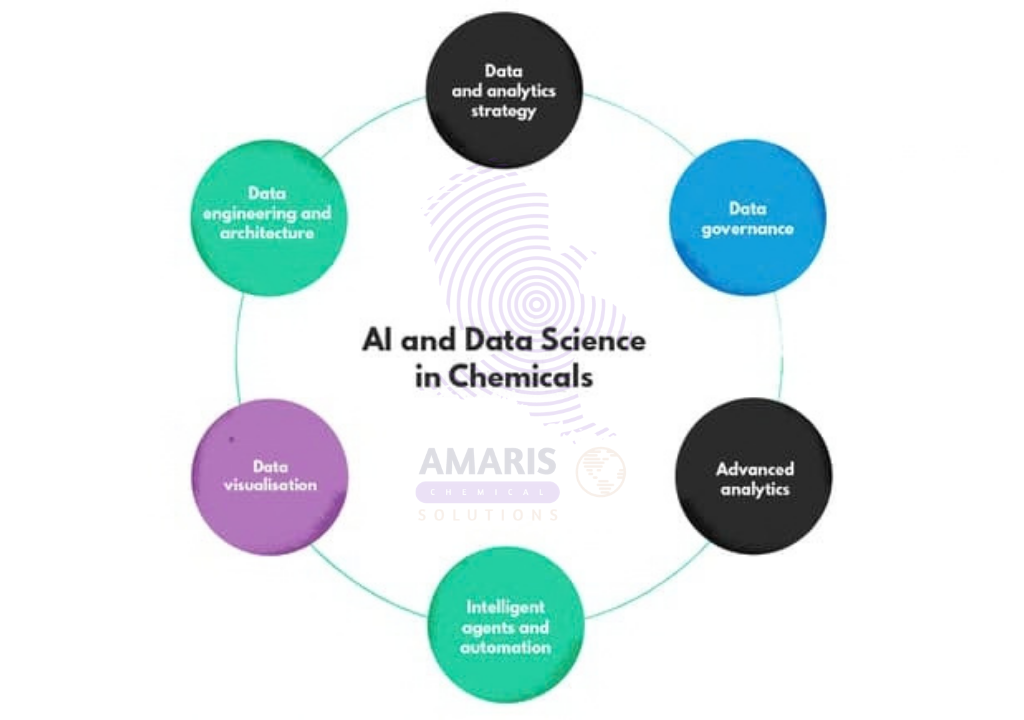
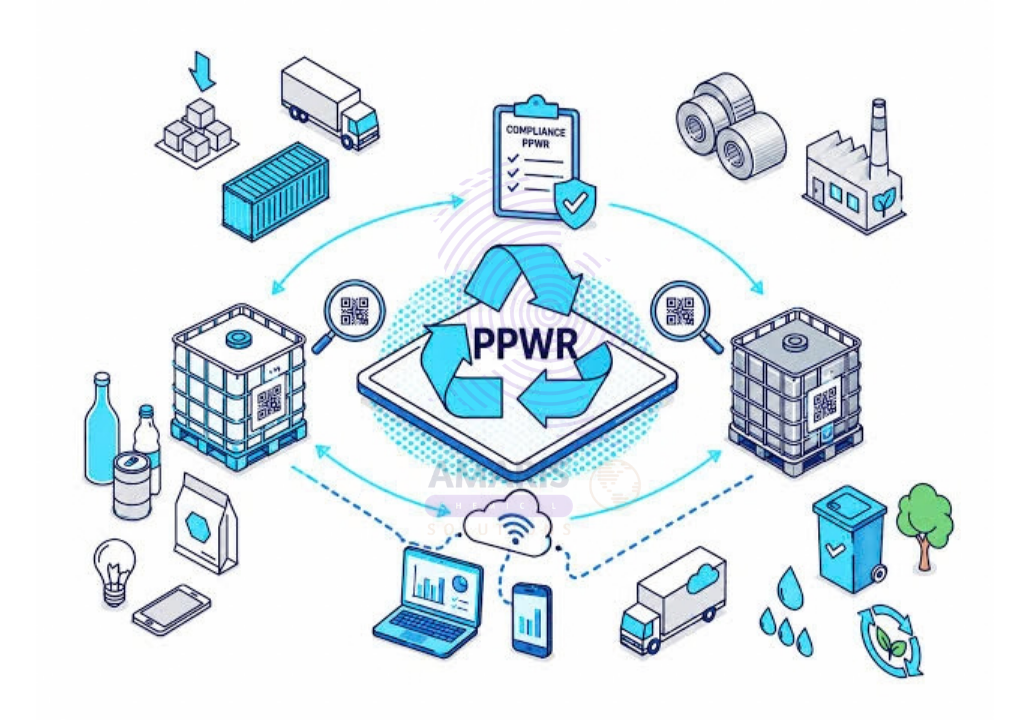
The rise of digitalization and smart chemical management systems is also reshaping the industry. Digital tools are being used to improve supply chain tracking, inventory control, and quality monitoring. In manufacturing plants, automation and data-driven systems are helping companies improve efficiency and reduce operational errors. By 2026, digital platforms are expected to play a much larger role in connecting chemical suppliers, distributors, and industrial users across Africa, making trade more transparent and efficient.
Africa’s expanding infrastructure and construction sector is another powerful driver of chemical demand. Large-scale projects involving roads, housing, energy systems, and urban development require vast quantities of industrial chemicals such as cement additives, coatings, adhesives, and waterproofing agents. As urbanization continues to accelerate, the need for durable construction materials and performance-enhancing chemicals will remain strong. This growth is expected to significantly boost demand for specialty chemicals designed for long-lasting infrastructure performance.

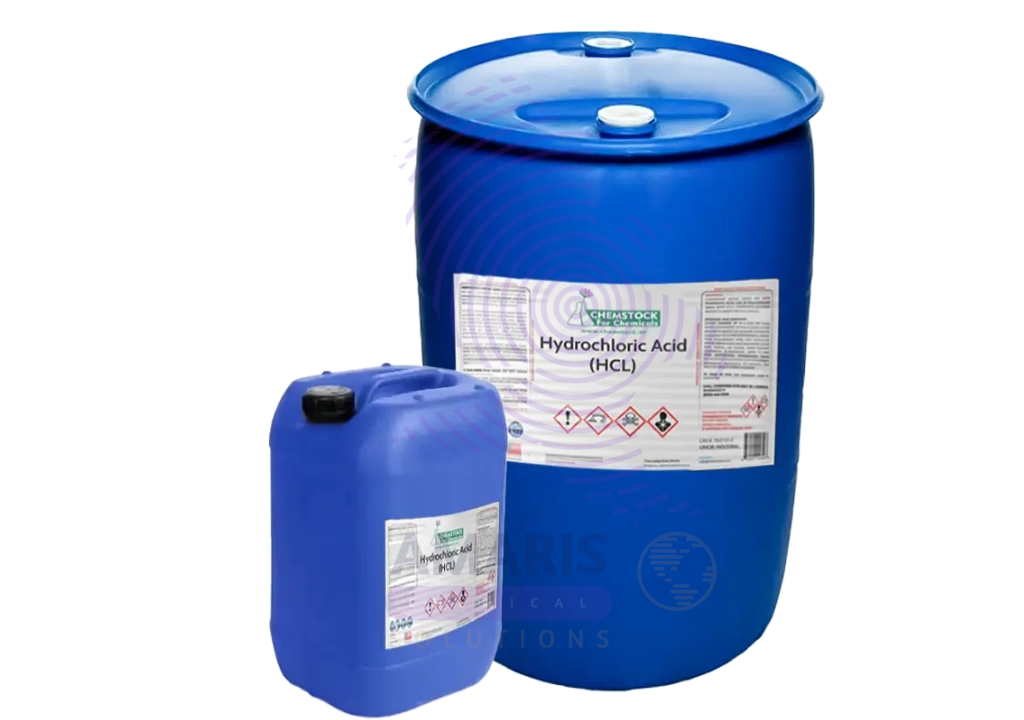
The mining and mineral processing industry also continues to be a major consumer of industrial chemicals in Africa. With the continent rich in minerals such as gold, copper, cobalt, and lithium, chemical usage in extraction, purification, and processing is increasing. In 2026, improved mining technologies and efficiency-focused chemical applications are expected to enhance productivity while reducing environmental impact. This sector remains one of the strongest pillars supporting chemical demand across the region.
Agriculture remains another critical area influencing chemical trends 🌾. Fertilizers, soil conditioners, pesticides, and plant nutrition chemicals are essential for improving food production and ensuring food security. As climate variability affects farming conditions, there is a growing need for more efficient and sustainable agricultural chemicals. In response, companies are developing formulations that improve crop yields while minimizing soil degradation and environmental harm.
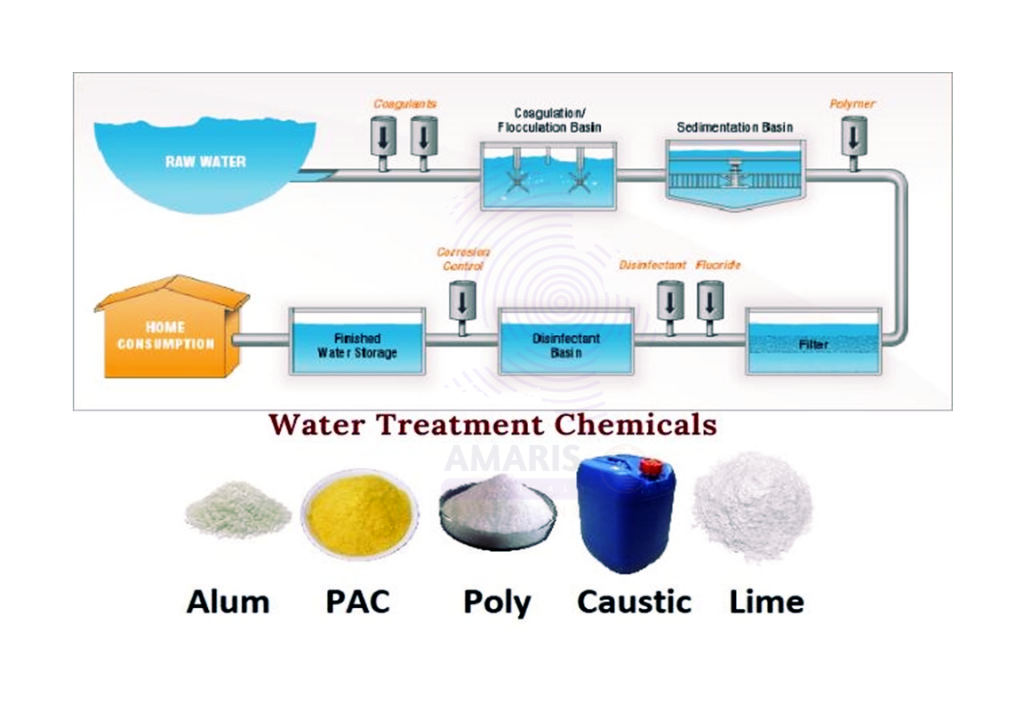
Water treatment and environmental protection are also becoming increasingly important. Many African cities are investing in better water purification systems, wastewater treatment plants, and industrial effluent management. This is driving demand for chemicals used in filtration, disinfection, and purification processes. By 2026, water-related chemical applications are expected to become one of the fastest-growing segments in the industrial chemical market.
Another emerging trend is the rise of energy transition and battery-related chemicals ⚡. As renewable energy projects expand and electric mobility begins to grow, demand for chemicals used in batteries, energy storage systems, and solar panel production is expected to increase. This marks a shift toward more advanced chemical applications that support modern energy systems.
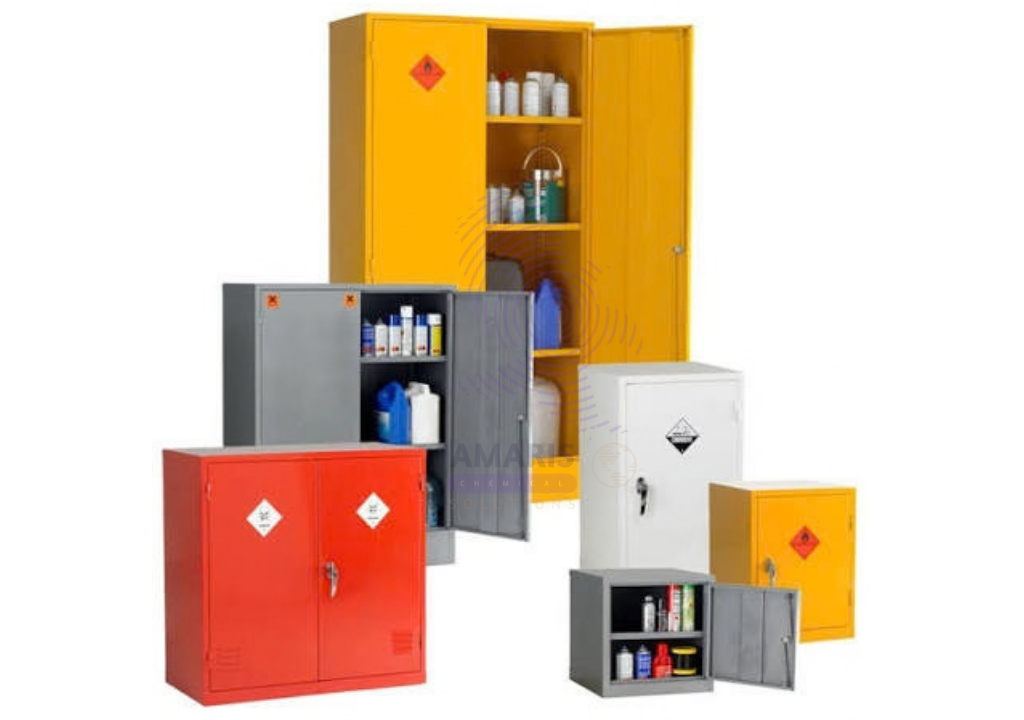
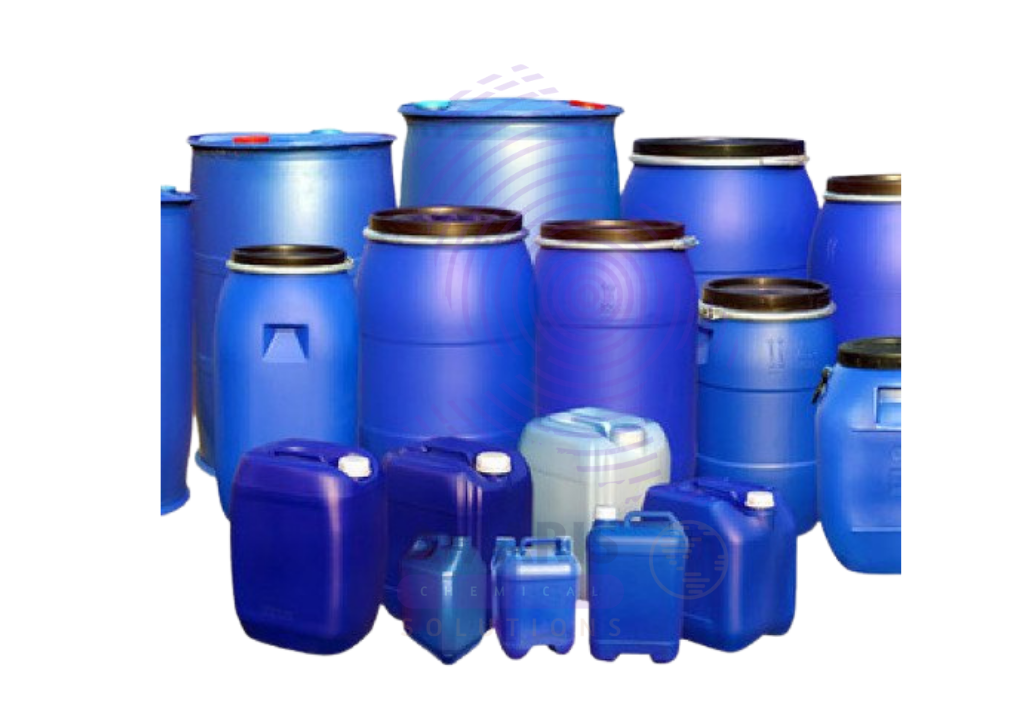
Finally, improved regulatory frameworks and safety standards are shaping the future of the industry. Governments and regional bodies are strengthening chemical handling regulations, environmental compliance requirements, and workplace safety standards. This is encouraging companies to adopt better storage systems, safer formulations, and more transparent operations.
In conclusion, the future of industrial chemicals in Africa is dynamic and full of opportunity. The combination of local manufacturing growth, sustainability efforts, digital transformation, and expanding industrial sectors is creating a strong foundation for long-term development. By 2026, the chemical industry is expected to be more innovative, more localized, and more environmentally conscious than ever before, playing a central role in Africa’s industrial and economic transformation 🌍🧪⚙️