Preservatives(food)
 Flavors
 Acidulants
 Sweeteners
 Antioxidants
 Colorants(food)
 Nutraceutical Ingredients (food)
 Nutrient Supplements
 Emulsifiers
 Collectors
 Dust Suppressants
 Explosives and Blasting Agents
 Flocculants and Coagulants
 Frothers
 Leaching Agents
 pH Modifiers
 Precious Metal Extraction Agents
 Antioxidants(plastic)
 Colorants (Pigments, Dyes)
 Fillers and Reinforcements
 Flame Retardants
 Monomers
 Plasticizers
 Polymerization Initiators
 Stabilizers (UV, Heat)
 Antifoaming Agents
 Chelating Agents
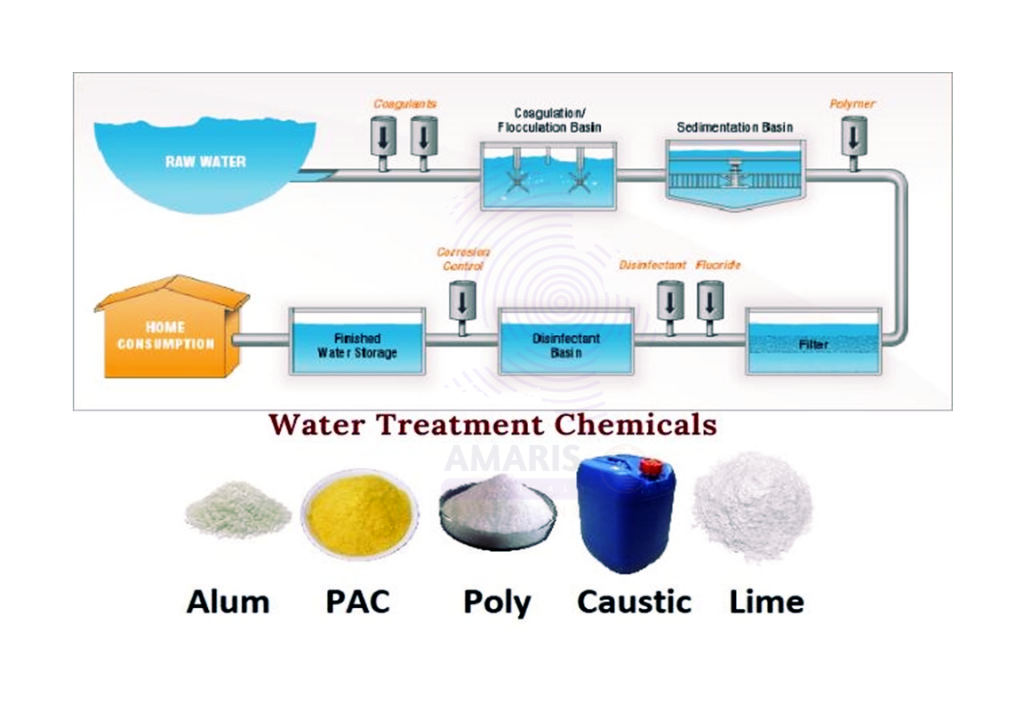
 Coagulants and Flocculants
 Corrosion Inhibitors
 Disinfectants and Biocides
 Oxidizing Agents
 pH Adjusters
 Scale Inhibitors( water)
 Antioxidants(cosmetic)
 Emollients
 Oils
Oils Carrier Oills
 Essential Oils
 Humectants
 Preservatives
 Surfactants(cosmetic)
 Thickeners
 UV Filters
 Fragrance (Cosmetics)
 Fertilizers
 Soil Conditioners
 Plant Growth Regulators
 Animal Feed Additives
 Biostimulants
 Pesticides (Herbicides, Insecticides, Fungicides)
 Active Pharmaceutical Ingredients (APIs)
 Excipients
 Solvents(pharmaceutical)
 Antibiotics
 Antiseptics and Disinfectants
 Vaccine Adjuvants
 Nutraceutical Ingredients (pharmaceutical)
 Analgesics & Antipyretics
 Analytical Reagents
 Solvents(lab)
 Chromatography Chemicals
 Spectroscopy Reagents
 microbiology-and-cell-culture-reagents
 Molecular Biology Reagents
 Biochemical Reagents
 Inorganic and Organic Standards
 Laboratory Safety Chemicals
 Specialty Laboratory Chemicals(Special Laboratory Equipment)
 Demulsifiers
 Hydraulic Fracturing Fluids
 Scale Inhibitors(oil)
 Surfactants(oil)
 Drilling Fluids
 Dyes and Pigments
 Bleaching Agents
 Softening Agents
 Finishing Agents
 Antistatic Agents
 Admixtures
 Waterproofing Agents
 Sealants and Adhesives
 Curing Compounds
 Concrete Repair Chemicals
 Anti-Corrosion Coatings
 Surfactants(cleaning)
 Builders
 Enzymes
 Solvents (Cleaning)
 Electronic Chemicals
 Catalysts
 Lubricants
 Photographic Chemicals
 Refrigerants
 Automotive chemicals
 Pyrotechnic Chemicals
 Biodegradable Surfactants
 Bio-based Solvents
 Renewable Polymers
 Carbon Capture Chemicals
 Wastewater Treatment Chemicals
 Pigments
 Solvents(paint)
 Specialty Coatings
 Binders/Resins
 Additives
 Driers
 Anti-Corrosion Agents
 Functional Coatings
 Application-Specific Coatings
 Leavening Agents
 Dough Conditioners
 Flour Treatments
 Fat Replacers
 Decoratives
 Preservatives(baking)
 Plasticizers & Softeners
 Reinforcing Agents
 Adhesion Promoters
 Vulcanizing Agents
 Antidegradants
 Blowing Agents
 Fillers & Extenders
 Accelerators & Retarders
How Import & Export Chemicals Are Driving African Manufacturing Growth 🌍🧪⚙️


Africa’s manufacturing sector is undergoing a steady transformation, and at the center of this growth is the expanding trade in industrial chemicals through import and export channels. From basic raw materials to specialized industrial reagents, chemicals form the backbone of almost every manufacturing process across the continent. Whether it is food production, construction, textiles, pharmaceuticals, mining, or water treatment, the availability and movement of chemicals directly determine how fast and how efficiently industries can grow.
In 2026, the relationship between chemical trade and manufacturing development in Africa is becoming even more important. As industries scale up and diversify, the import and export of chemicals is no longer just a supply chain activity—it is a key driver of industrialization.
One of the main ways chemical imports are supporting African manufacturing is by filling critical raw material gaps. Many African countries do not yet produce all the specialized chemicals needed for advanced manufacturing processes. As a result, essential inputs such as solvents, laboratory reagents, polymers, additives, and industrial acids are imported to keep production lines running. These imported chemicals enable local factories to produce goods like plastics, paints, detergents, fertilizers, pharmaceuticals, and construction materials. Without this supply, many industries would struggle to operate at scale or meet quality standards.
At the same time, the growing local demand for finished products is encouraging more chemical imports that support downstream manufacturing. For example, imported resins are used in plastics production, imported preservatives support food processing, and imported treatment chemicals are essential for water purification plants. This steady inflow of chemicals allows African manufacturers to produce higher-value goods locally instead of relying on finished imports, gradually strengthening domestic industrial capacity.
On the export side, Africa is also becoming an increasingly important supplier of raw materials and base chemicals to global markets. Countries rich in natural resources such as minerals, salts, and petroleum feedstocks are exporting inputs used in chemical manufacturing abroad. These exports generate revenue that can be reinvested into local industrial development, infrastructure, and technology. In some regions, semi-processed chemicals and mineral-based compounds are also being exported, adding more value than traditional raw commodity exports.
Another important impact of chemical trade is the growth of local formulation and blending industries. Instead of importing only finished chemicals, many African businesses are now importing raw chemical ingredients and processing them locally into finished or semi-finished products. This includes detergents, paints, adhesives, fertilizers, and cleaning agents. This shift not only creates jobs but also builds technical expertise and reduces dependency on finished imports.
The expansion of chemical import and export networks has also strengthened supply chain infrastructure across Africa. Improved ports, better logistics systems, and growing regional trade agreements are making it easier to move chemicals across borders. This is particularly important because many industries depend on timely delivery of raw materials to avoid production delays. As logistics improve, manufacturing operations become more stable, efficient, and competitive.
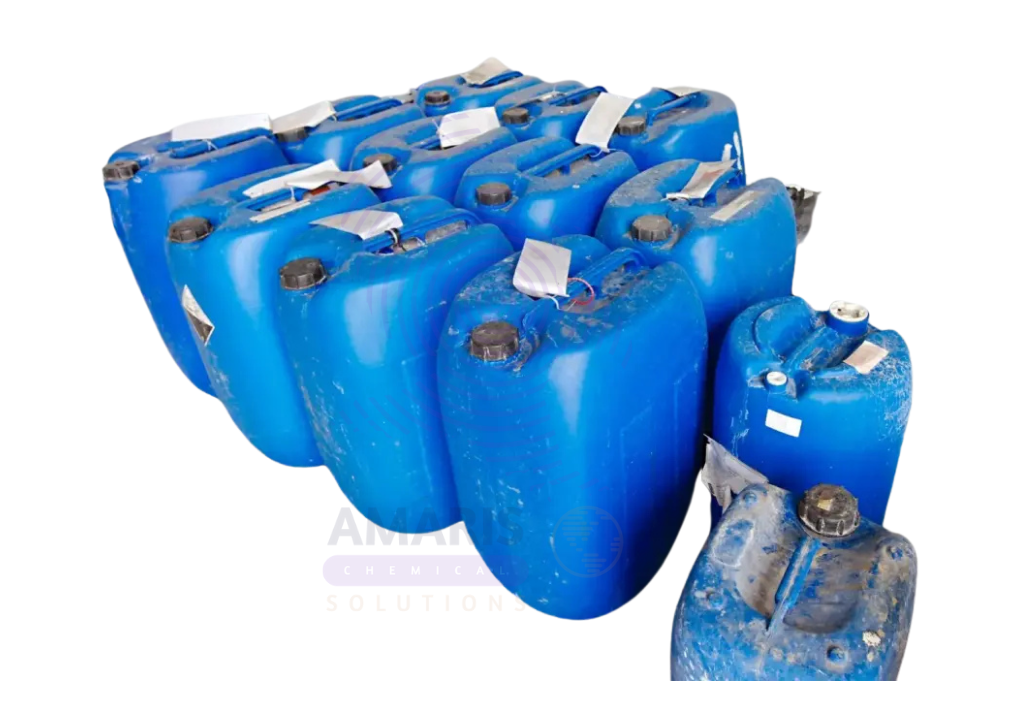
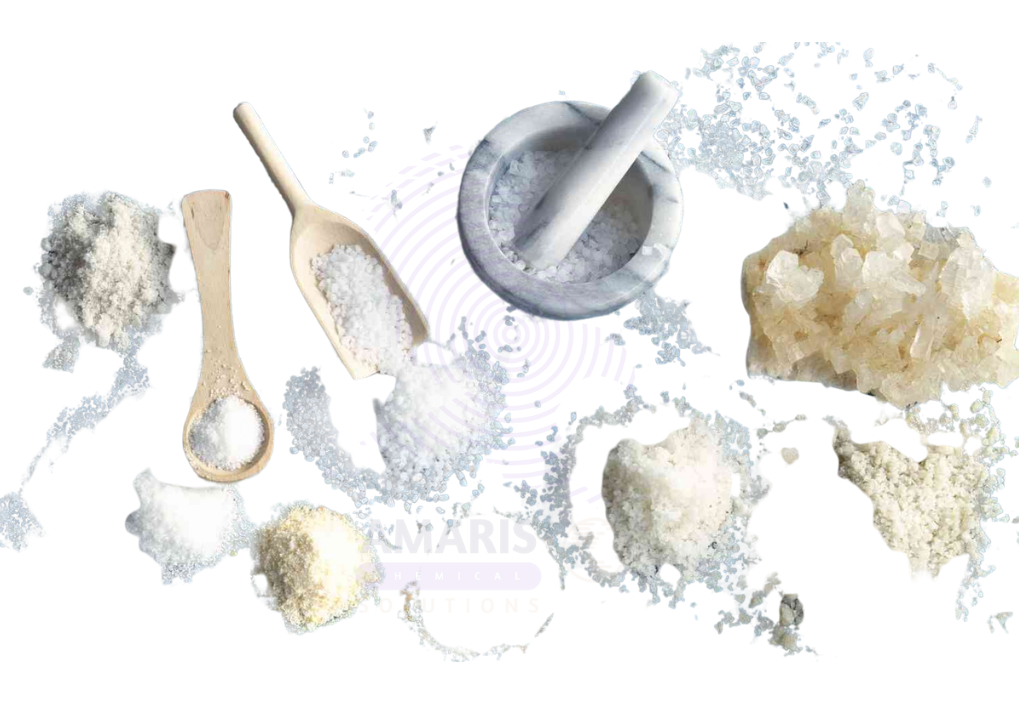


In addition, the chemical trade is supporting the rapid growth of key manufacturing sectors such as construction, agriculture, and mining. Construction industries rely heavily on imported additives, coatings, and adhesives to produce durable infrastructure materials. Agriculture depends on imported fertilizers, soil enhancers, and crop protection chemicals to improve yields. Mining operations use a variety of imported processing chemicals to extract and refine minerals more efficiently. These sectors are among the fastest-growing in Africa, and chemical availability directly influences their productivity.
Technology transfer is another indirect benefit of chemical import and export activity. As international chemical suppliers enter African markets, they often introduce new formulations, safety standards, and industrial practices. Local manufacturers learn to work with more advanced materials and adopt better production techniques. Over time, this helps raise the overall quality of manufacturing across the continent and encourages innovation.
However, challenges still exist, including high import costs, currency fluctuations, and regulatory differences between countries. These issues can affect pricing and availability, making it difficult for smaller manufacturers to access consistent chemical supplies. Despite these challenges, the overall trend remains strongly positive, with increasing investment in regional production hubs and distribution networks.
In conclusion, the import and export of chemicals is playing a central role in shaping Africa’s manufacturing future. By supplying essential raw materials, enabling local production, supporting key industries, and strengthening supply chains, chemical trade is directly accelerating industrial growth. As Africa continues to industrialize, the chemical sector will remain one of the most powerful engines driving manufacturing expansion, innovation, and economic development across the continent 🌍🧪⚙️