Preservatives(food)
 Flavors
 Acidulants
 Sweeteners
 Antioxidants
 Colorants(food)
 Nutraceutical Ingredients (food)
 Nutrient Supplements
 Emulsifiers
 Collectors
 Dust Suppressants
 Explosives and Blasting Agents
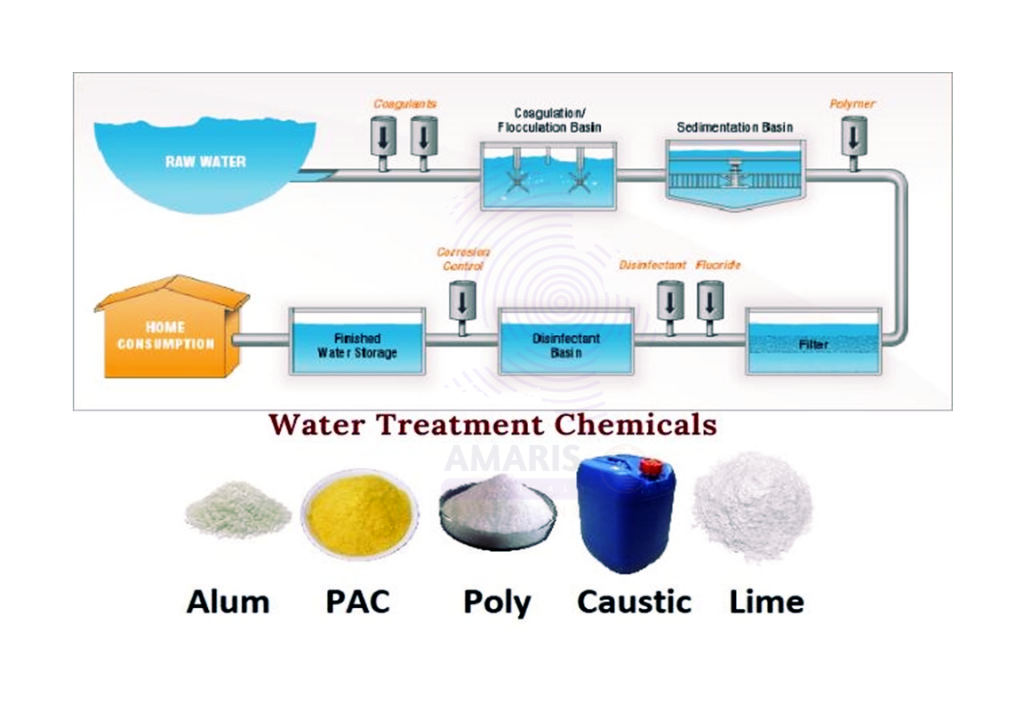
 Flocculants and Coagulants
 Frothers
 Leaching Agents
 pH Modifiers
 Precious Metal Extraction Agents
 Antioxidants(plastic)
 Colorants (Pigments, Dyes)
 Fillers and Reinforcements
 Flame Retardants
 Monomers
 Plasticizers
 Polymerization Initiators
 Stabilizers (UV, Heat)
 Antifoaming Agents
 Chelating Agents
 Coagulants and Flocculants
 Corrosion Inhibitors
 Disinfectants and Biocides
 Oxidizing Agents
 pH Adjusters
 Scale Inhibitors( water)
 Antioxidants(cosmetic)
 Emollients
 Oils
Oils Carrier Oills
 Essential Oils
 Humectants
 Preservatives
 Surfactants(cosmetic)
 Thickeners
 UV Filters
 Fragrance (Cosmetics)
 Fertilizers
 Soil Conditioners
 Plant Growth Regulators
 Animal Feed Additives
 Biostimulants
 Pesticides (Herbicides, Insecticides, Fungicides)
 Active Pharmaceutical Ingredients (APIs)
 Excipients
 Solvents(pharmaceutical)
 Antibiotics
 Antiseptics and Disinfectants
 Vaccine Adjuvants
 Nutraceutical Ingredients (pharmaceutical)
 Analgesics & Antipyretics
 Analytical Reagents
 Solvents(lab)
 Chromatography Chemicals
 Spectroscopy Reagents
 microbiology-and-cell-culture-reagents
 Molecular Biology Reagents
 Biochemical Reagents
 Inorganic and Organic Standards
 Laboratory Safety Chemicals
 Specialty Laboratory Chemicals(Special Laboratory Equipment)
 Demulsifiers
 Hydraulic Fracturing Fluids
 Scale Inhibitors(oil)
 Surfactants(oil)
 Drilling Fluids
 Dyes and Pigments
 Bleaching Agents
 Softening Agents
 Finishing Agents
 Antistatic Agents
 Admixtures
 Waterproofing Agents
 Sealants and Adhesives
 Curing Compounds
 Concrete Repair Chemicals
 Anti-Corrosion Coatings
 Surfactants(cleaning)
 Builders
 Enzymes
 Solvents (Cleaning)
 Electronic Chemicals
 Catalysts
 Lubricants
 Photographic Chemicals
 Refrigerants
 Automotive chemicals
 Pyrotechnic Chemicals
 Biodegradable Surfactants
 Bio-based Solvents
 Renewable Polymers
 Carbon Capture Chemicals
 Wastewater Treatment Chemicals
 Pigments
 Solvents(paint)
 Specialty Coatings
 Binders/Resins
 Additives
 Driers
 Anti-Corrosion Agents
 Functional Coatings
 Application-Specific Coatings
 Leavening Agents
 Dough Conditioners
 Flour Treatments
 Fat Replacers
 Decoratives
 Preservatives(baking)
 Plasticizers & Softeners
 Reinforcing Agents
 Adhesion Promoters
 Vulcanizing Agents
 Antidegradants
 Blowing Agents
 Fillers & Extenders
 Accelerators & Retarders
Why Specialty Chemicals Are Becoming the Backbone of Modern Industry 🧪⚙️🌍

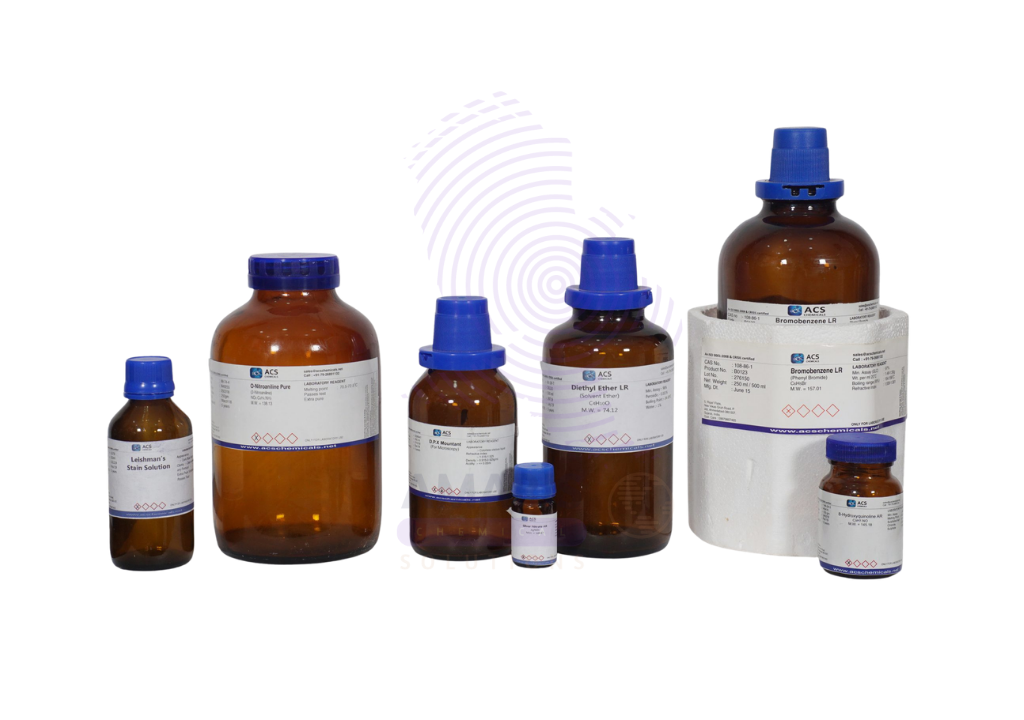
Modern industry is undergoing a major shift, and at the center of this transformation is the rising importance of specialty chemicals. Unlike bulk chemicals that are produced in large volumes for general use, specialty chemicals are designed for specific functions, performance requirements, and end-user applications. This makes them essential in industries where precision, efficiency, and high performance are required.
Across sectors such as pharmaceuticals, agriculture, construction, electronics, water treatment, cosmetics, and advanced manufacturing, specialty chemicals are now playing a foundational role. As industries evolve toward more advanced technologies and higher quality standards, these chemicals are becoming the backbone that supports innovation and product development.
One of the main reasons specialty chemicals are gaining importance is their high level of customization and functionality. Instead of being general-purpose materials, they are engineered to solve specific industrial problems. For example, in construction, specialty additives improve concrete strength and durability. In agriculture, tailored formulations enhance crop protection and soil health. In cosmetics, carefully designed chemical blends improve texture, stability, and skin compatibility. This targeted performance is what sets specialty chemicals apart and makes them indispensable in modern production systems.
Another key factor driving their importance is the global shift toward higher quality standards and performance efficiency. Industries today are no longer focused only on production volume—they are focused on product quality, safety, and long-term performance. Specialty chemicals help manufacturers achieve these goals by improving consistency, reducing defects, and enhancing the overall functionality of finished products. Whether it is improving the shelf life of food products, increasing the efficiency of industrial cleaning agents, or enhancing the durability of coatings, specialty chemicals are essential in achieving modern quality expectations.
The rapid growth of technology and advanced manufacturing has also increased demand for specialty chemicals. In electronics, for example, highly purified chemicals are required for semiconductors, batteries, and circuit board production. In pharmaceuticals, precise chemical formulations are needed to develop safe and effective medicines. In water treatment systems, specialized chemicals are used to remove contaminants and ensure safe drinking water. These industries rely heavily on chemical precision, and bulk chemicals cannot meet these specialized requirements.
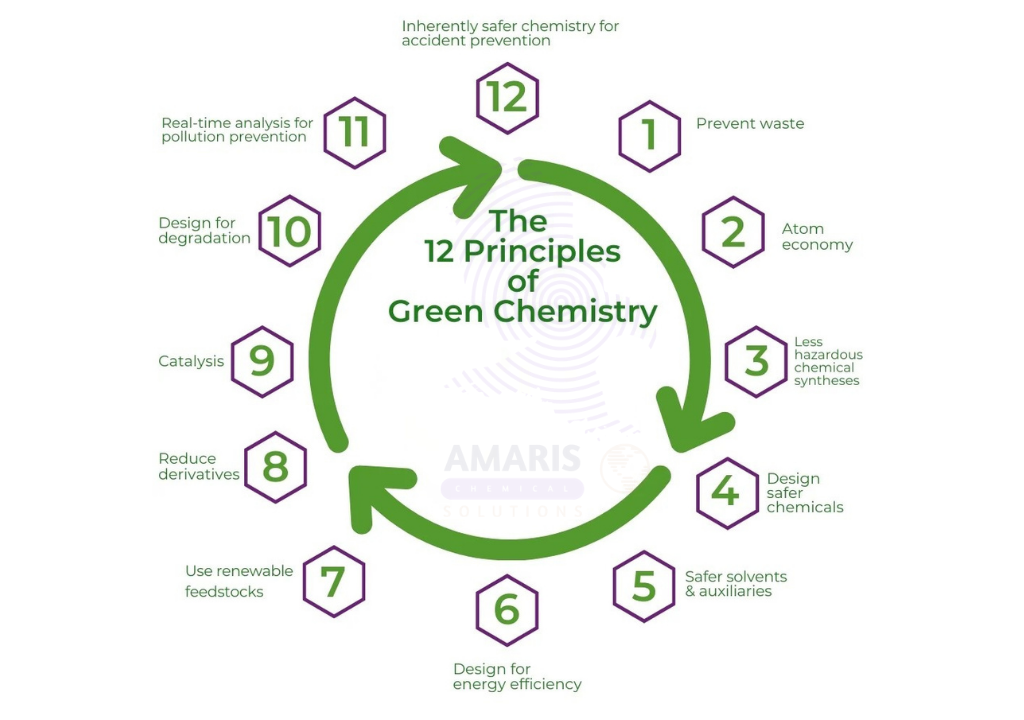
Sustainability is another major reason why specialty chemicals are becoming so important 🌱. As industries move toward greener practices, there is increasing demand for environmentally friendly formulations, biodegradable materials, and low-toxicity alternatives. Specialty chemical companies are leading this transition by developing products that reduce environmental impact while maintaining high performance. This includes eco-friendly coatings, sustainable agricultural inputs, and safer industrial cleaning agents. As environmental regulations become stricter worldwide, the role of specialty chemicals in supporting sustainable industry practices will continue to grow.

The expansion of industrial diversification and urbanization, especially in developing regions, has also contributed to the rise of specialty chemicals. As economies grow, industries become more complex and require more advanced materials to support production. Urban development increases demand for high-performance construction chemicals, while expanding healthcare systems require advanced pharmaceutical ingredients. At the same time, modern consumer products—from electronics to personal care items—depend heavily on specialty formulations to meet evolving customer expectations.
Another important factor is the role of specialty chemicals in innovation and product differentiation. Companies use these chemicals to create unique product features that set them apart in competitive markets. For example, improved coatings that resist corrosion, adhesives with stronger bonding properties, or skincare products with enhanced absorption all rely on specialty chemical formulations. This ability to innovate and differentiate products gives manufacturers a competitive advantage in both local and global markets.
Additionally, the growth of research and development activities has significantly strengthened the specialty chemicals sector 🔬. Continuous experimentation and testing are leading to the discovery of new formulations that improve efficiency and open new industrial applications. As industries invest more in innovation, the demand for advanced chemical solutions continues to rise.
In conclusion, specialty chemicals have become the backbone of modern industry because they provide the precision, performance, and innovation required in today’s complex manufacturing environment. Their role extends far beyond basic chemical supply—they enable industries to improve quality, enhance sustainability, and develop advanced products across nearly every sector of the global economy. As technology and industrial demands continue to evolve, specialty chemicals will remain at the center of progress, driving the next generation of industrial development worldwide 🧪⚙️🌍