Preservatives(food)
 Flavors
 Acidulants
 Sweeteners
 Antioxidants
 Colorants(food)
 Nutraceutical Ingredients (food)
 Nutrient Supplements
 Emulsifiers
 Collectors
 Dust Suppressants
 Explosives and Blasting Agents
 Flocculants and Coagulants
 Frothers
 Leaching Agents
 pH Modifiers
 Precious Metal Extraction Agents
 Antioxidants(plastic)
 Colorants (Pigments, Dyes)
 Fillers and Reinforcements
 Flame Retardants
 Monomers
 Plasticizers
 Polymerization Initiators
 Stabilizers (UV, Heat)
 Antifoaming Agents
 Chelating Agents
 Coagulants and Flocculants
 Corrosion Inhibitors
 Disinfectants and Biocides
 Oxidizing Agents
 pH Adjusters
 Scale Inhibitors( water)
 Antioxidants(cosmetic)
 Emollients
 Oils
Oils Carrier Oills
 Essential Oils
 Humectants
 Preservatives
 Surfactants(cosmetic)
 Thickeners
 UV Filters
 Fragrance (Cosmetics)
 Fertilizers
 Soil Conditioners
 Plant Growth Regulators
 Animal Feed Additives
 Biostimulants
 Pesticides (Herbicides, Insecticides, Fungicides)
 Active Pharmaceutical Ingredients (APIs)
 Excipients
 Solvents(pharmaceutical)
 Antibiotics
 Antiseptics and Disinfectants
 Vaccine Adjuvants
 Nutraceutical Ingredients (pharmaceutical)
 Analgesics & Antipyretics
 Analytical Reagents
 Solvents(lab)
 Chromatography Chemicals
 Spectroscopy Reagents
 microbiology-and-cell-culture-reagents
 Molecular Biology Reagents
 Biochemical Reagents
 Inorganic and Organic Standards
 Laboratory Safety Chemicals
 Specialty Laboratory Chemicals(Special Laboratory Equipment)
 Demulsifiers
 Hydraulic Fracturing Fluids
 Scale Inhibitors(oil)
 Surfactants(oil)
 Drilling Fluids
 Dyes and Pigments
 Bleaching Agents
 Softening Agents
 Finishing Agents
 Antistatic Agents
 Admixtures
 Waterproofing Agents
 Sealants and Adhesives
 Curing Compounds
 Concrete Repair Chemicals
 Anti-Corrosion Coatings
 Surfactants(cleaning)
 Builders
 Enzymes
 Solvents (Cleaning)
 Electronic Chemicals
 Catalysts
 Lubricants
 Photographic Chemicals
 Refrigerants
 Automotive chemicals
 Pyrotechnic Chemicals
 Biodegradable Surfactants
 Bio-based Solvents
 Renewable Polymers
 Carbon Capture Chemicals
 Wastewater Treatment Chemicals
 Pigments
 Solvents(paint)
 Specialty Coatings
 Binders/Resins
 Additives
 Driers
 Anti-Corrosion Agents
 Functional Coatings
 Application-Specific Coatings
 Leavening Agents
 Dough Conditioners
 Flour Treatments
 Fat Replacers
 Decoratives
 Preservatives(baking)
 Plasticizers & Softeners
 Reinforcing Agents
 Adhesion Promoters
 Vulcanizing Agents
 Antidegradants
 Blowing Agents
 Fillers & Extenders
 Accelerators & Retarders
Top Chemical Innovations Transforming Global Supply Chains Today 🌍🧪⚙️

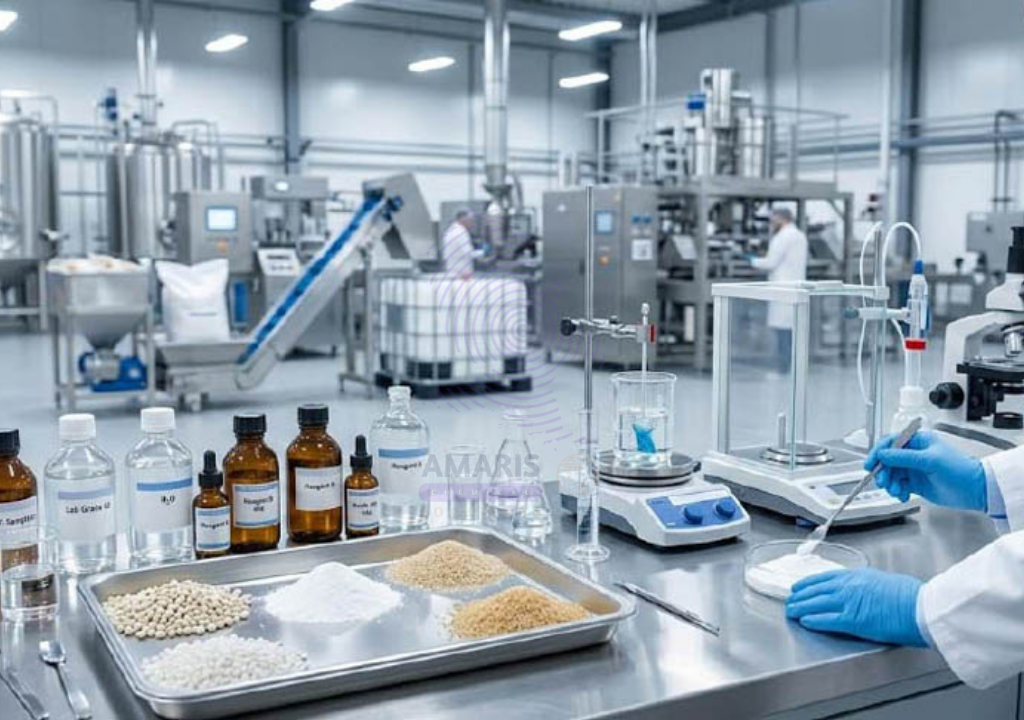
Global supply chains are changing rapidly, and chemical innovation is one of the strongest forces driving that transformation. From smarter materials to greener production methods and digitalized chemical management systems, the modern chemical industry is reshaping how goods are manufactured, transported, and delivered across the world.
In today’s interconnected economy, industries such as manufacturing, agriculture, pharmaceuticals, construction, and energy depend heavily on chemical inputs. Because of this, even small improvements in chemical innovation can have a major impact on efficiency, cost, sustainability, and supply chain reliability.
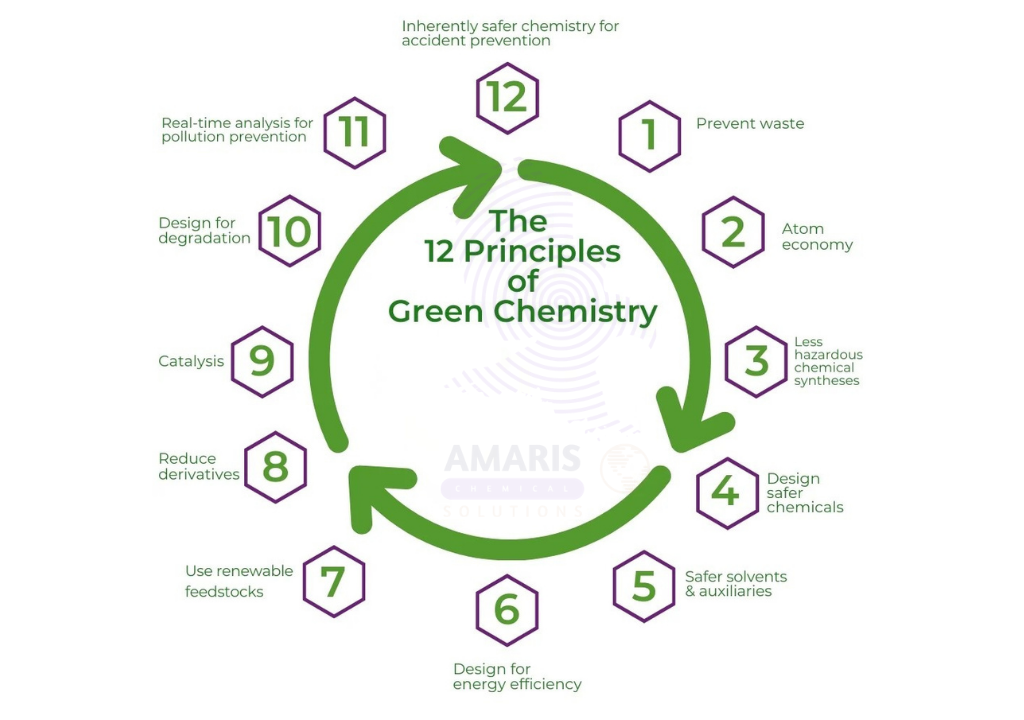
One of the most significant innovations reshaping supply chains is the rise of green and sustainable chemistry 🌱. Companies are increasingly developing chemicals that reduce environmental impact while maintaining performance. This includes biodegradable polymers, low-toxicity solvents, and eco-friendly cleaning agents. These innovations are not only helping industries meet environmental regulations but also reducing waste and improving long-term supply chain sustainability. As more governments enforce stricter environmental policies, green chemistry is becoming a core requirement rather than an optional upgrade.
Another major development is the advancement of smart materials and functional chemicals. These are specially engineered substances designed to respond to environmental changes such as temperature, pressure, or pH. In supply chains, they are used in packaging that extends product shelf life, coatings that protect goods during transport, and materials that reduce spoilage in food logistics. These innovations reduce losses during transportation and storage, making supply chains more efficient and reliable.
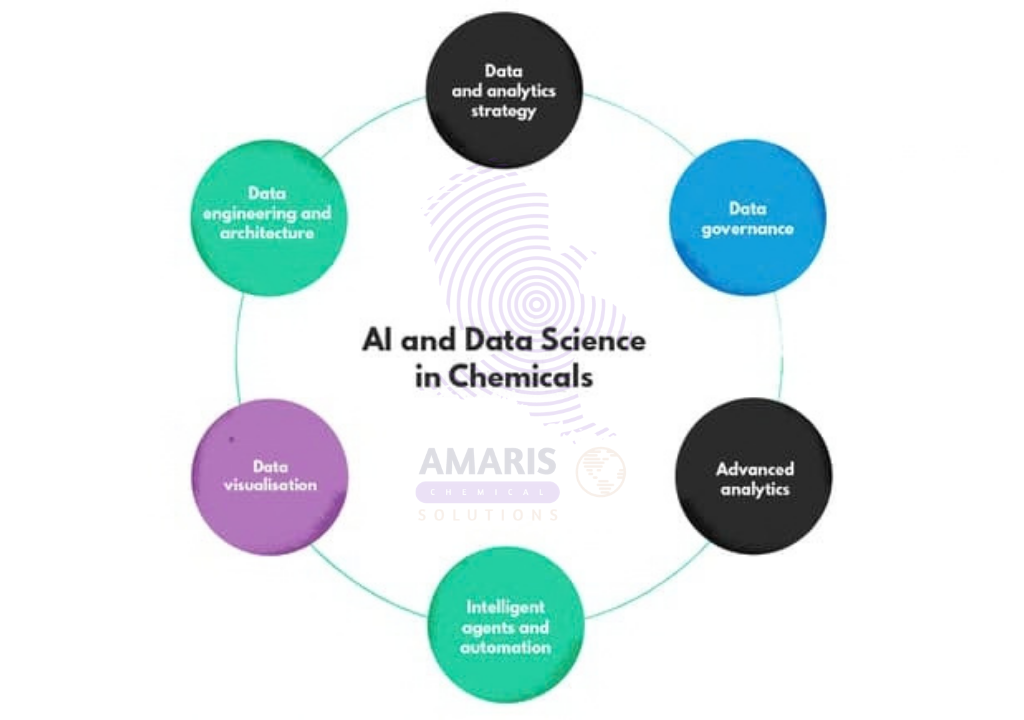
Digital transformation is also revolutionizing the chemical industry and its role in supply chains 💻. Modern chemical companies are adopting digital tracking systems, artificial intelligence, and predictive analytics to manage production and distribution more effectively. This allows companies to forecast demand, optimize inventory levels, and reduce delays in chemical delivery. Digital platforms also improve transparency, enabling businesses to track chemical shipments in real time and ensure compliance with safety and quality standards.
A particularly important innovation is the development of advanced catalysts and process chemicals ⚗️. These substances speed up chemical reactions, reduce energy consumption, and increase production efficiency. In large-scale manufacturing, this leads to lower costs and faster production cycles. For supply chains, this means faster turnaround times and more stable supply of essential materials such as plastics, fertilizers, and industrial intermediates.
The growth of bio-based chemicals is another major transformation shaping global supply chains 🌿. Instead of relying solely on petroleum-based raw materials, industries are increasingly turning to renewable sources such as plant oils, agricultural waste, and natural fermentation processes. Bio-based plastics, solvents, and resins are becoming more common in packaging, textiles, and consumer goods. These innovations reduce dependence on fossil fuels and help stabilize supply chains by diversifying raw material sources.
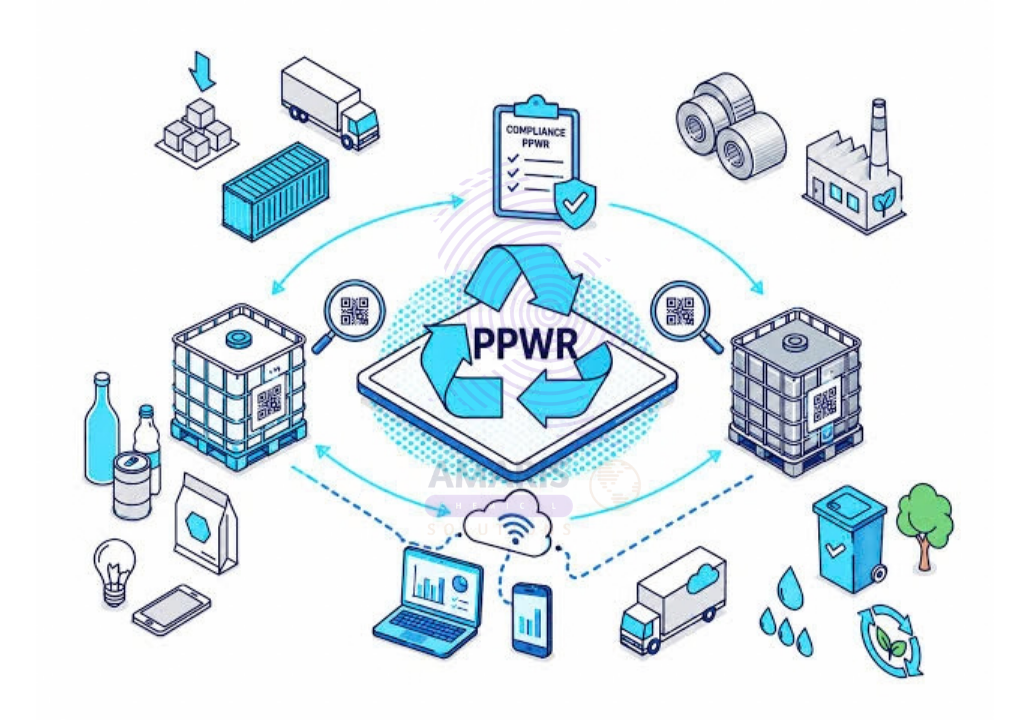
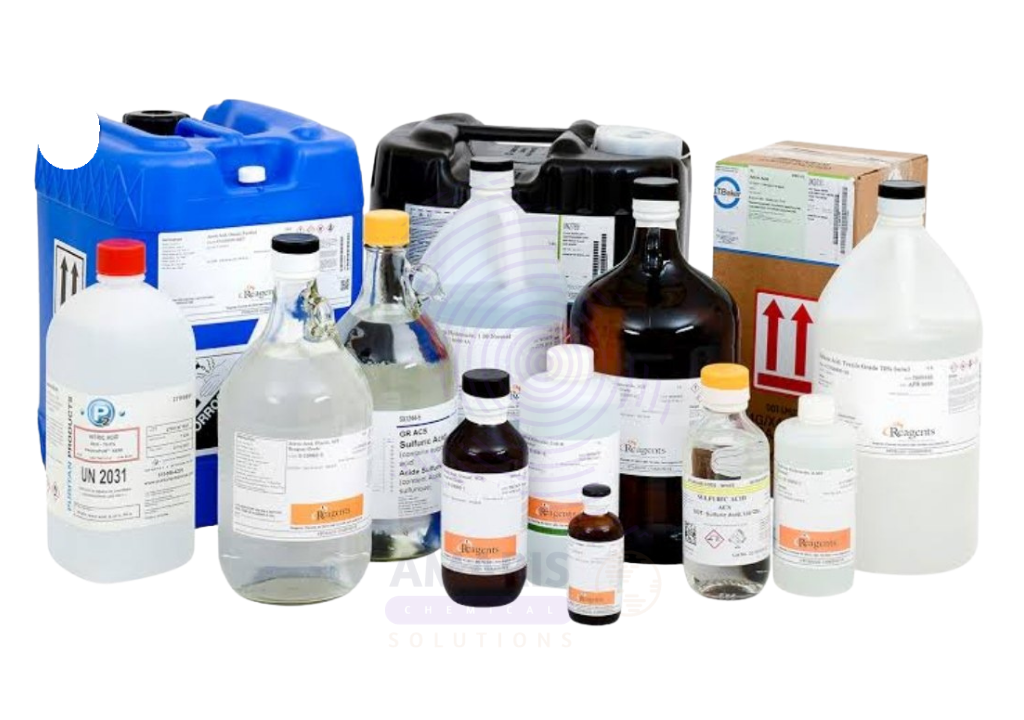
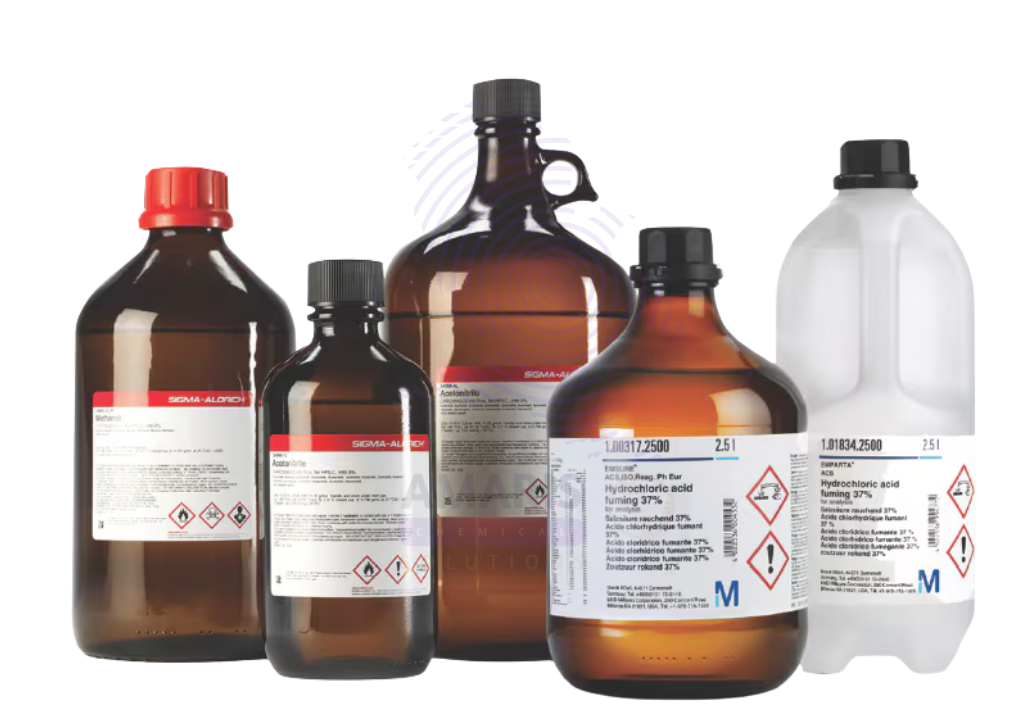
In addition, innovations in logistics-grade chemical packaging and stabilization technologies are improving how chemicals are stored and transported. Many chemicals are sensitive to temperature, moisture, or contamination, and new packaging technologies are helping maintain product integrity throughout long supply chains. This reduces spoilage, improves safety, and ensures that end users receive chemicals in optimal condition.
The rise of localized chemical manufacturing hubs is also transforming supply chain dynamics. Instead of relying heavily on long-distance imports, many regions are developing local production facilities for key chemicals. This reduces transportation costs, shortens delivery times, and improves supply chain resilience against global disruptions. It also supports regional industrial growth and job creation.
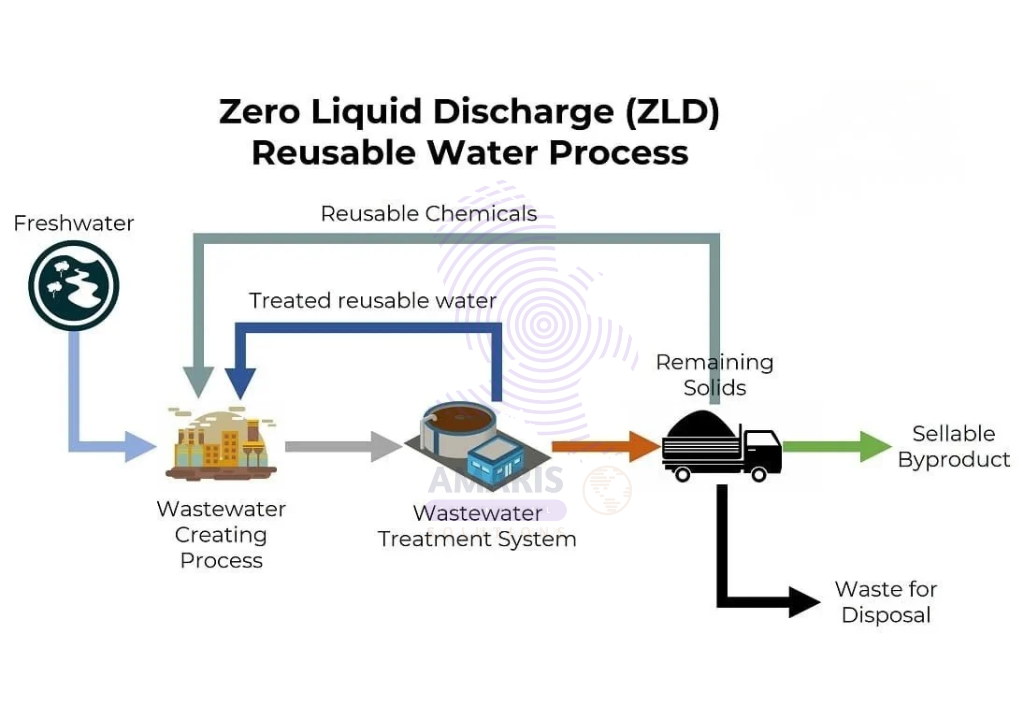
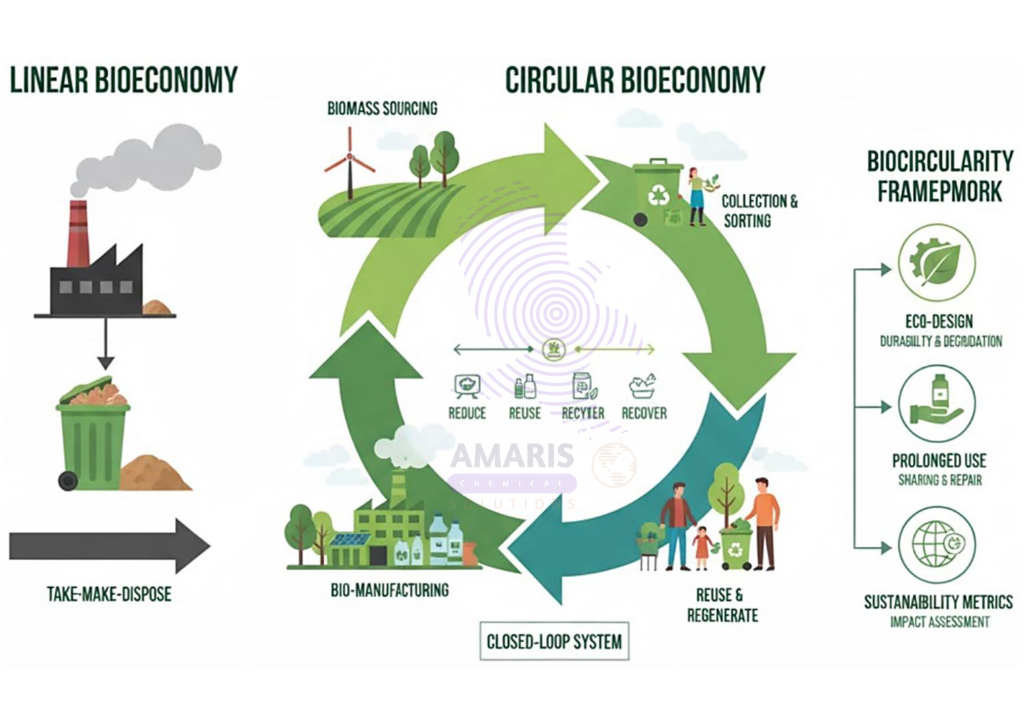
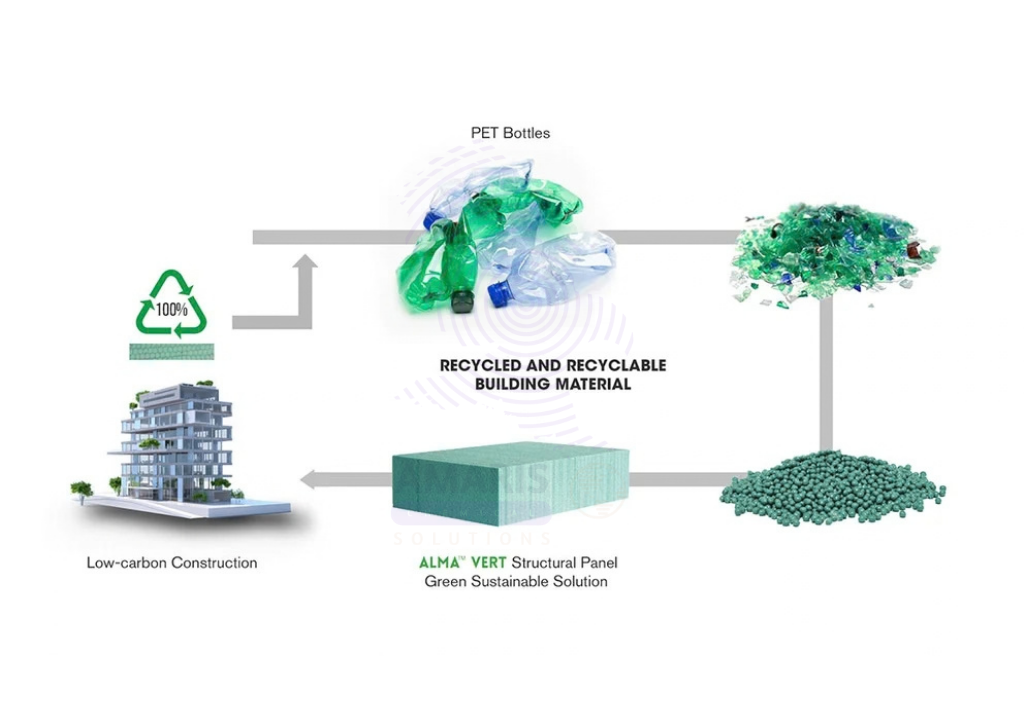
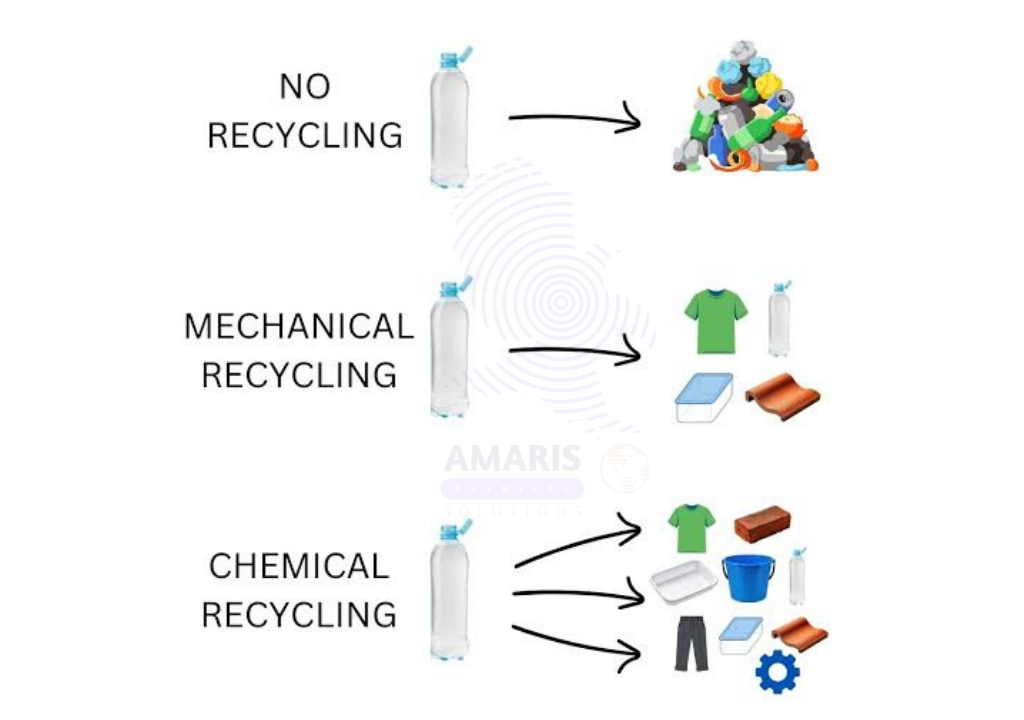
Another key innovation is the use of recycling and circular chemistry systems ♻️. Industries are increasingly focusing on recovering and reusing chemical materials from waste streams. This includes recycling plastics into raw materials, recovering solvents, and reprocessing industrial by-products. These circular systems reduce dependency on virgin raw materials and make supply chains more sustainable and cost-efficient.
Finally, specialty chemical innovation continues to play a central role in supply chain transformation. High-performance additives, coatings, adhesives, and formulations are enabling industries to produce more durable, efficient, and high-quality products. These specialty solutions improve everything from food preservation and pharmaceutical stability to construction durability and electronic performance.
In conclusion, chemical innovations are fundamentally reshaping global supply chains by making them smarter, greener, faster, and more resilient. From digitalization and bio-based materials to advanced catalysts and sustainable chemistry, these developments are reducing inefficiencies and unlocking new possibilities for global trade and manufacturing. As industries continue to evolve, chemical innovation will remain a central force driving the future of supply chain performance worldwide 🌍🧪⚙️