Preservatives(food)
 Flavors
 Acidulants
 Sweeteners
 Antioxidants
 Colorants(food)
 Nutraceutical Ingredients (food)
 Nutrient Supplements
 Emulsifiers
 Collectors
 Dust Suppressants
 Explosives and Blasting Agents
 Flocculants and Coagulants
 Frothers
 Leaching Agents
 pH Modifiers
 Precious Metal Extraction Agents
 Antioxidants(plastic)
 Colorants (Pigments, Dyes)
 Fillers and Reinforcements
 Flame Retardants
 Monomers
 Plasticizers
 Polymerization Initiators
 Stabilizers (UV, Heat)
 Antifoaming Agents
 Chelating Agents
 Coagulants and Flocculants
 Corrosion Inhibitors
 Disinfectants and Biocides
 Oxidizing Agents
 pH Adjusters
 Scale Inhibitors( water)
 Antioxidants(cosmetic)
 Emollients
 Oils
Oils Carrier Oills
 Essential Oils
 Humectants
 Preservatives
 Surfactants(cosmetic)
 Thickeners
 UV Filters
 Fragrance (Cosmetics)
 Fertilizers
 Soil Conditioners
 Plant Growth Regulators
 Animal Feed Additives
 Biostimulants
 Pesticides (Herbicides, Insecticides, Fungicides)
 Active Pharmaceutical Ingredients (APIs)
 Excipients
 Solvents(pharmaceutical)
 Antibiotics
 Antiseptics and Disinfectants
 Vaccine Adjuvants
 Nutraceutical Ingredients (pharmaceutical)
 Analgesics & Antipyretics
 Analytical Reagents
 Solvents(lab)
 Chromatography Chemicals
 Spectroscopy Reagents
 microbiology-and-cell-culture-reagents
 Molecular Biology Reagents
 Biochemical Reagents
 Inorganic and Organic Standards
 Laboratory Safety Chemicals
 Specialty Laboratory Chemicals(Special Laboratory Equipment)
 Demulsifiers
 Hydraulic Fracturing Fluids
 Scale Inhibitors(oil)
 Surfactants(oil)
 Drilling Fluids
 Dyes and Pigments
 Bleaching Agents
 Softening Agents
 Finishing Agents
 Antistatic Agents
 Admixtures
 Waterproofing Agents
 Sealants and Adhesives
 Curing Compounds
 Concrete Repair Chemicals
 Anti-Corrosion Coatings
 Surfactants(cleaning)
 Builders
 Enzymes
 Solvents (Cleaning)
 Electronic Chemicals
 Catalysts
 Lubricants
 Photographic Chemicals
 Refrigerants
 Automotive chemicals
 Pyrotechnic Chemicals
 Biodegradable Surfactants
 Bio-based Solvents
 Renewable Polymers
 Carbon Capture Chemicals
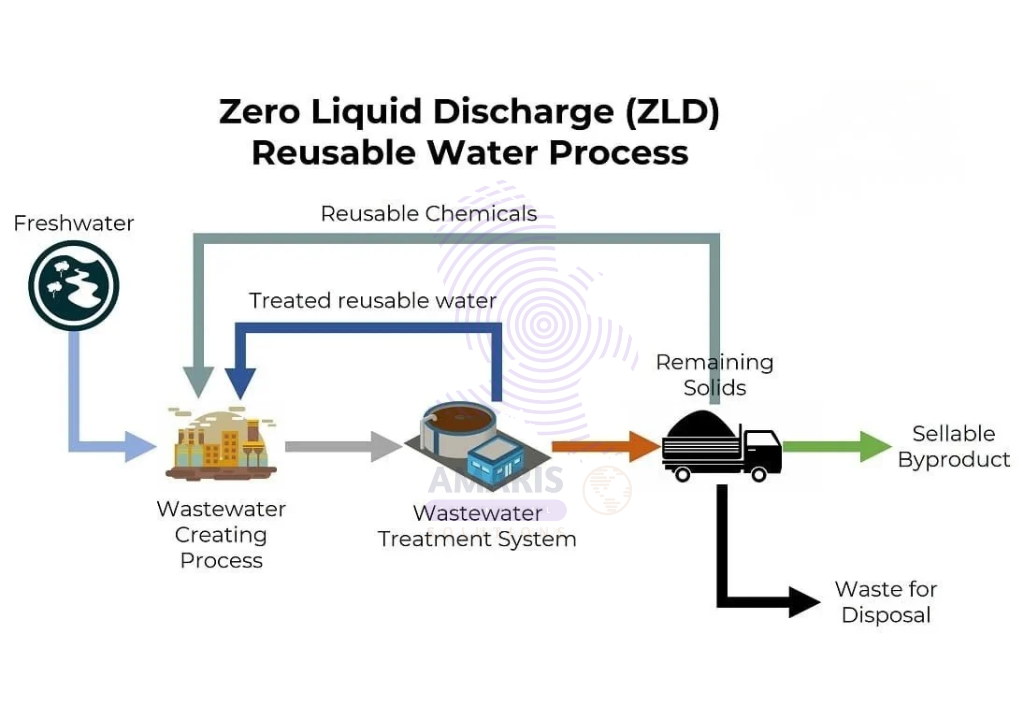
 Wastewater Treatment Chemicals
 Pigments
 Solvents(paint)
 Specialty Coatings
 Binders/Resins
 Additives
 Driers
 Anti-Corrosion Agents
 Functional Coatings
 Application-Specific Coatings
 Leavening Agents
 Dough Conditioners
 Flour Treatments
 Fat Replacers
 Decoratives
 Preservatives(baking)
 Plasticizers & Softeners
 Reinforcing Agents
 Adhesion Promoters
 Vulcanizing Agents
 Antidegradants
 Blowing Agents
 Fillers & Extenders
 Accelerators & Retarders
The Role of Chemical Suppliers in Industrial Sustainability and Green Manufacturing 🌍🧪🌱

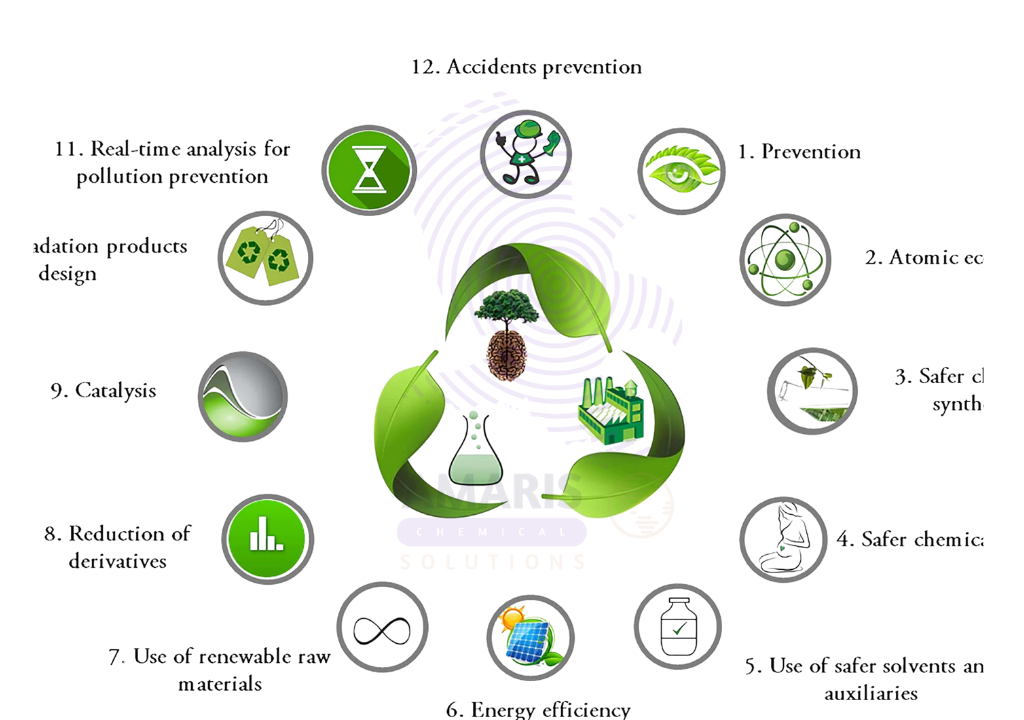
As industries across the world face increasing pressure to reduce environmental impact, chemical suppliers are becoming central players in the shift toward sustainability and green manufacturing. They are no longer just distributors of raw materials—they are now strategic partners helping industries design cleaner processes, reduce waste, improve efficiency, and transition toward environmentally responsible production systems.
In modern industrial ecosystems, everything from agriculture and construction to pharmaceuticals, mining, water treatment, and consumer goods depends on chemical inputs. This means that the sustainability performance of entire industries is heavily influenced by how chemicals are sourced, formulated, transported, and applied. As a result, chemical suppliers are now deeply involved in shaping the future of industrial sustainability.
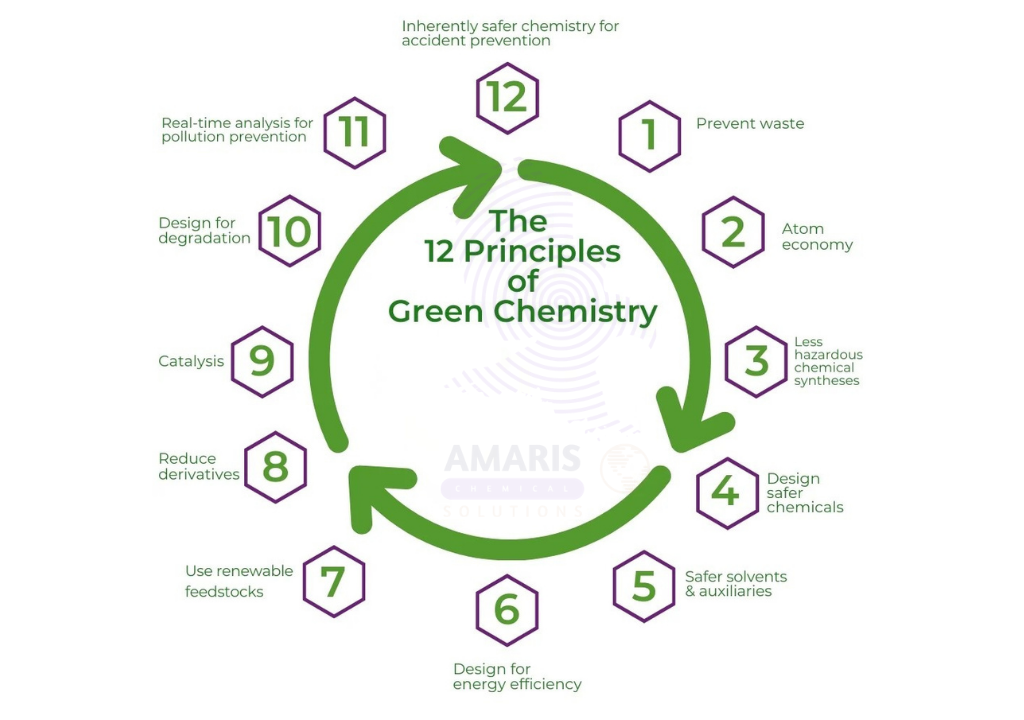
One of the most important roles chemical suppliers play is offering eco-friendly and sustainable alternatives 🌱. Many industries are actively replacing traditional high-impact chemicals with greener options such as biodegradable solvents, low-VOC coatings, non-toxic cleaning agents, and plant-based raw materials. Suppliers are at the forefront of this transition by researching, sourcing, and distributing these sustainable alternatives. By making greener chemicals more accessible and affordable, they enable manufacturers to reduce their environmental footprint without compromising performance.
Another key contribution is in supporting cleaner production processes. Chemical suppliers work closely with manufacturers to recommend formulations and materials that reduce energy consumption, minimize emissions, and lower waste generation during production. For example, in construction, suppliers may provide additives that reduce cement usage while maintaining strength. In agriculture, they may supply fertilizers that improve nutrient absorption efficiency, reducing runoff and environmental contamination. These improvements help industries operate more sustainably at every stage of production.
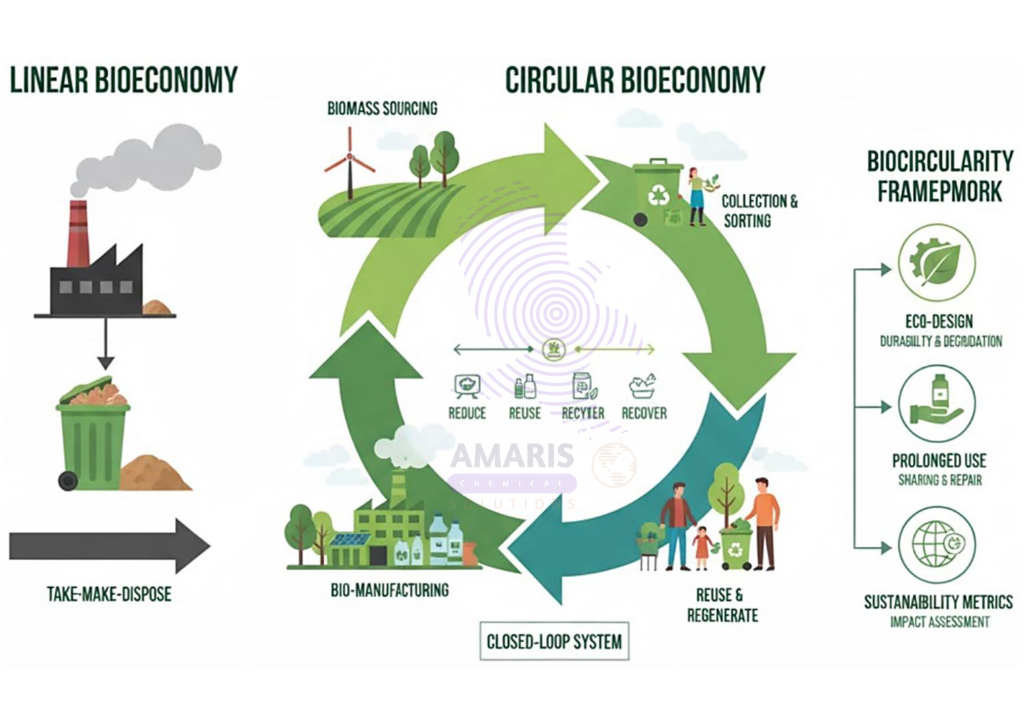
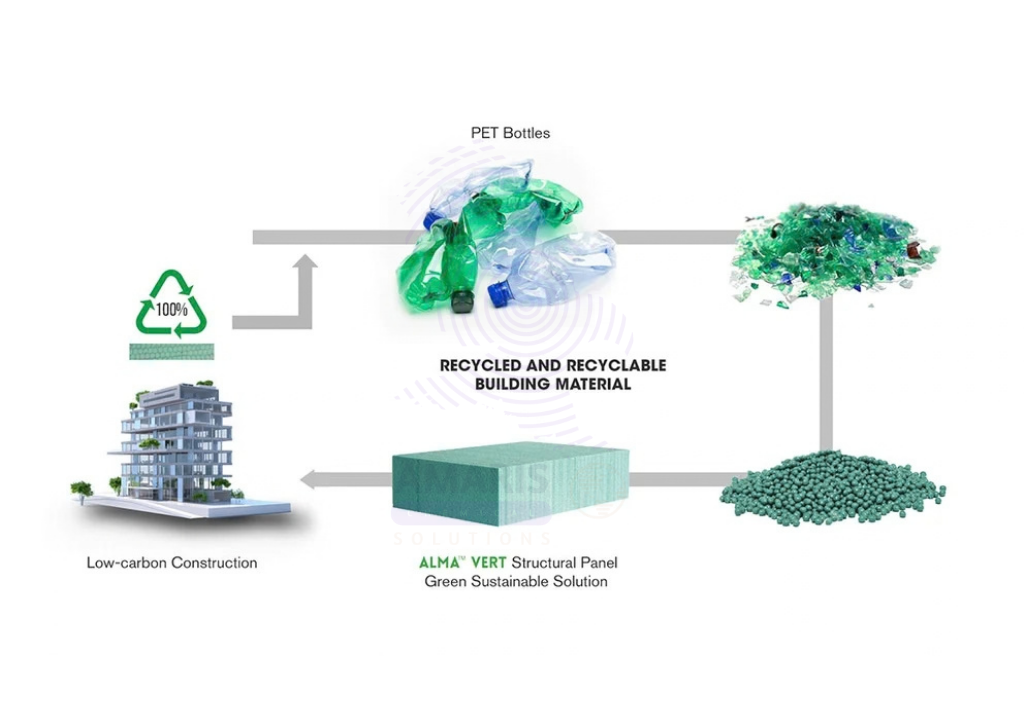
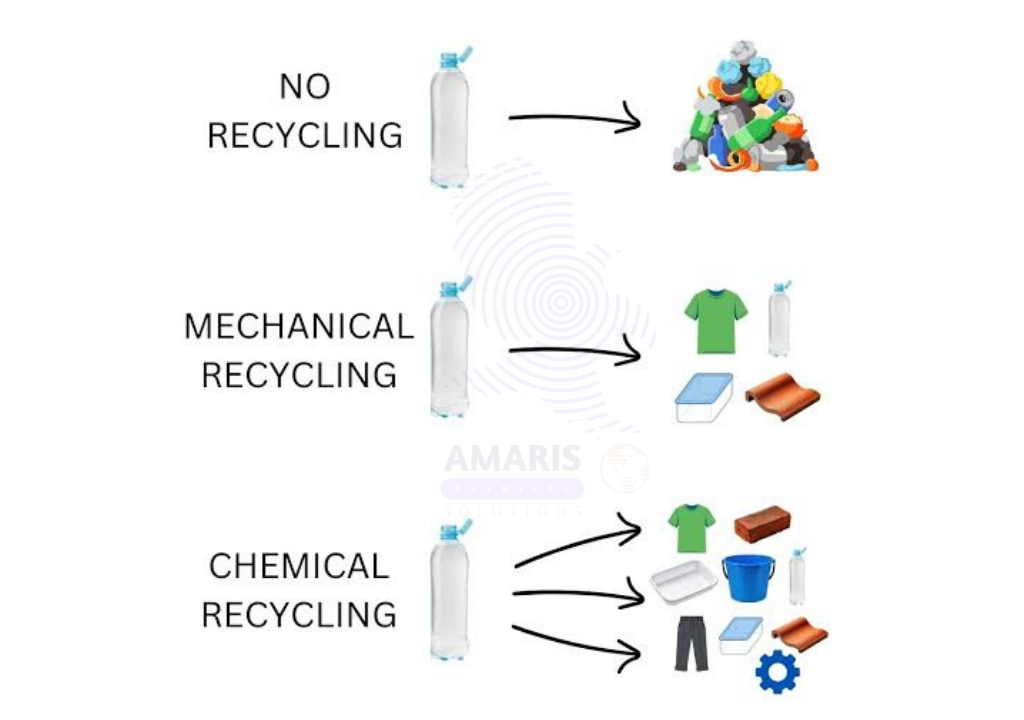
Chemical suppliers also play a major role in advancing circular economy practices ♻️. Instead of a linear “produce-use-dispose” model, industries are shifting toward systems where materials are reused, recycled, and recovered. Suppliers contribute by offering recyclable materials, recovered solvents, and raw inputs designed for reuse. They also help industries implement closed-loop systems where chemical waste is minimized and reintegrated into production cycles. This reduces dependency on virgin raw materials and significantly improves resource efficiency.
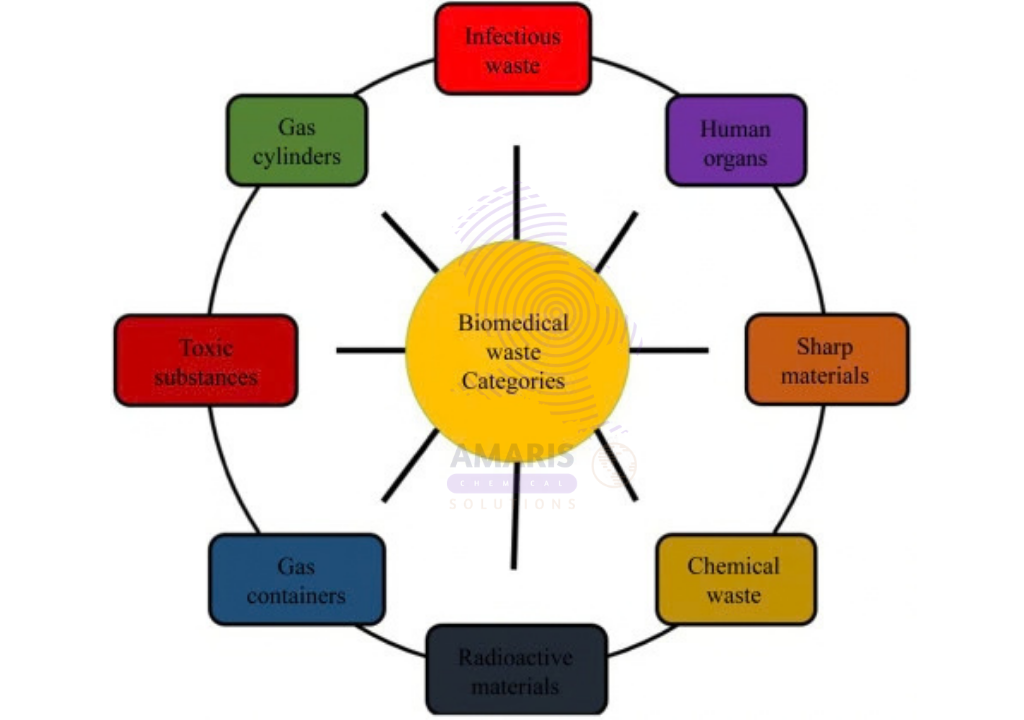
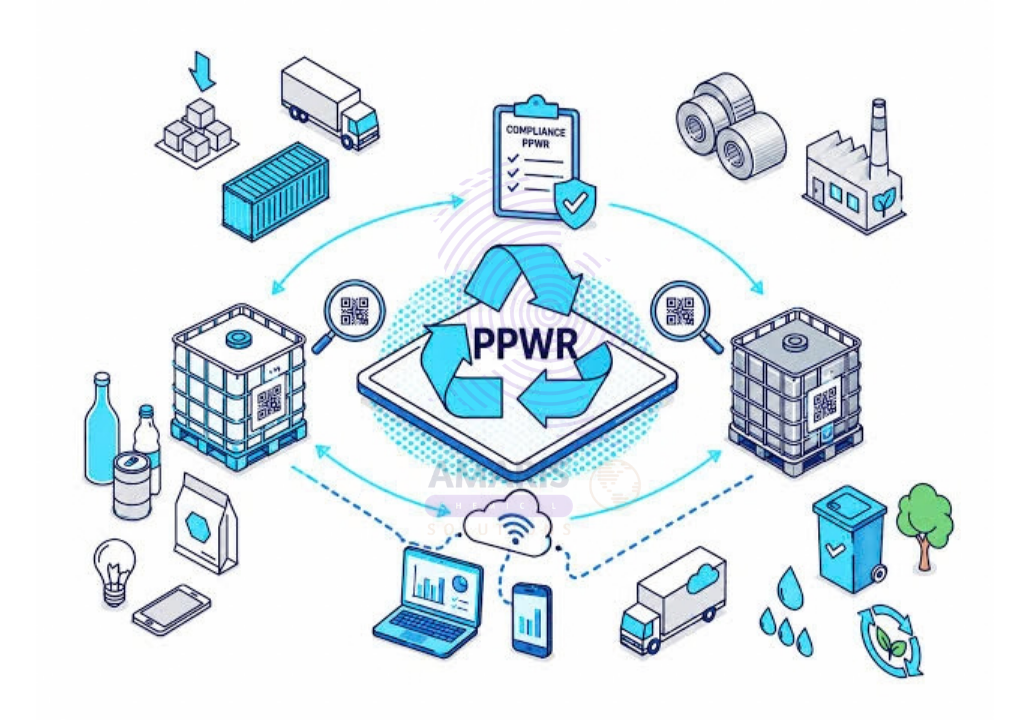
In addition, suppliers are increasingly involved in ensuring regulatory compliance and environmental safety. Governments worldwide are tightening environmental and chemical safety regulations, requiring industries to meet strict standards for emissions, toxicity, storage, and disposal. Chemical suppliers help businesses comply by providing certified products, safety documentation, and guidance on proper handling and usage. This ensures that industries not only perform efficiently but also meet environmental and legal requirements.


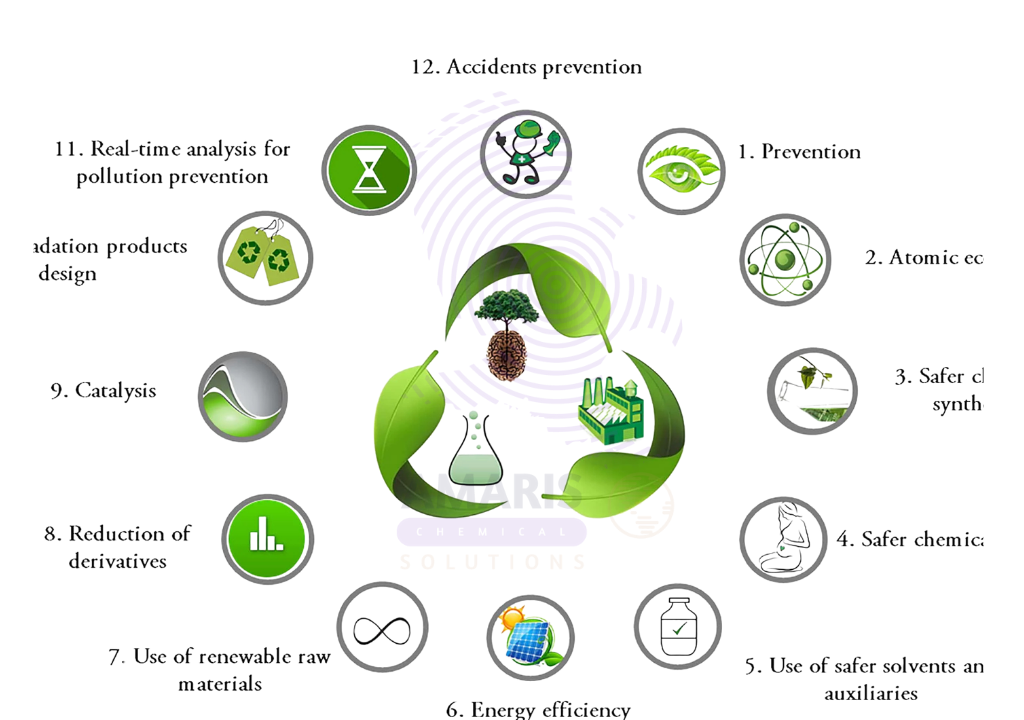
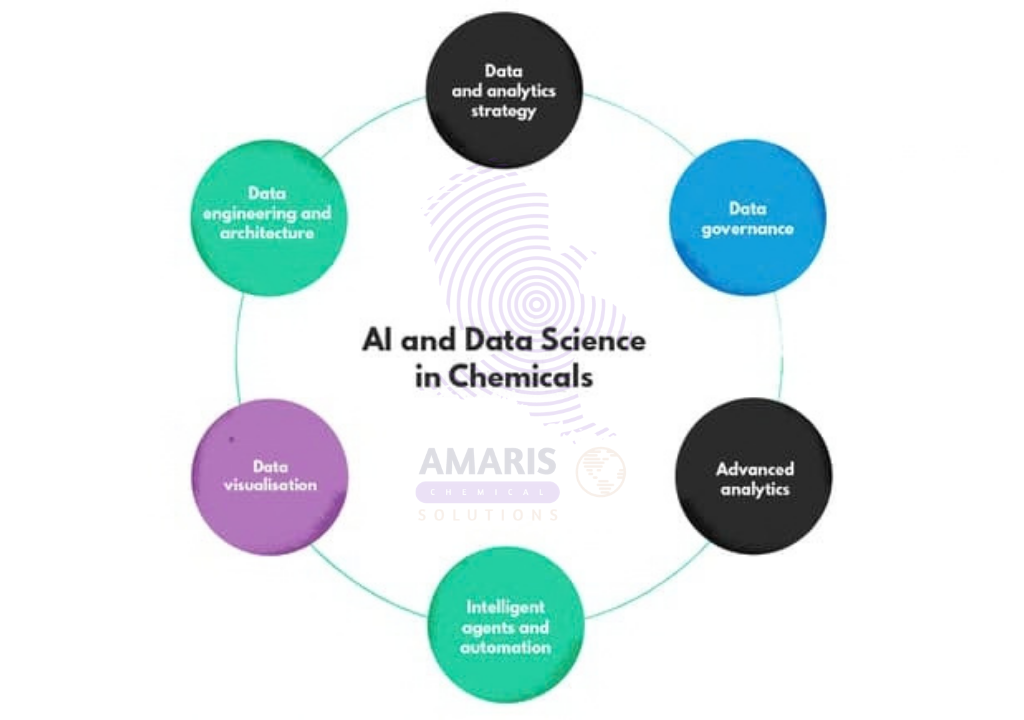
Digital transformation is also enhancing the role of chemical suppliers in sustainability 💻. Modern suppliers are using digital platforms to track supply chains, monitor inventory, and optimize logistics. This reduces transportation inefficiencies, lowers carbon emissions, and improves transparency across the entire distribution process. Some suppliers are also using data analytics to help clients select the most efficient and sustainable chemical solutions for their specific applications.
Another important contribution is in innovation and product development support 🔬. Chemical suppliers often collaborate with manufacturers, researchers, and industrial engineers to develop new formulations that improve sustainability. This includes high-performance adhesives with lower environmental impact, water-based coatings that replace solvent-heavy alternatives, and advanced materials that improve product lifespan and reduce waste. Through these partnerships, suppliers actively drive innovation across multiple industries.
Sustainability in logistics is also becoming a major focus. Chemical suppliers are improving transportation efficiency and packaging systems to reduce environmental impact during delivery. This includes using bulk packaging to minimize waste, optimizing shipping routes, and adopting safer transport systems for hazardous materials. These improvements not only reduce costs but also significantly lower the environmental footprint of chemical distribution networks.
In developing regions, chemical suppliers also play a critical role in building industrial capacity and awareness. They provide technical knowledge, training, and guidance to help industries adopt safer and more sustainable chemical practices. This helps bridge the gap between advanced global standards and local industrial capabilities, ensuring that sustainability becomes a shared priority across all levels of production.
In conclusion, chemical suppliers are no longer passive intermediaries in the industrial value chain—they are active drivers of sustainability and green manufacturing. Through eco-friendly product offerings, process optimization, regulatory support, innovation partnerships, and digital transformation, they are helping industries transition toward more responsible and efficient production systems. As global demand for sustainability continues to grow, the role of chemical suppliers will become even more critical in shaping a cleaner, greener, and more resilient industrial future 🌍🧪🌱