Preservatives(food)
 Flavors
 Acidulants
 Sweeteners
 Antioxidants
 Colorants(food)
 Nutraceutical Ingredients (food)
 Nutrient Supplements
 Emulsifiers
 Collectors
 Dust Suppressants
 Explosives and Blasting Agents
 Flocculants and Coagulants
 Frothers
 Leaching Agents
 pH Modifiers
 Precious Metal Extraction Agents
 Antioxidants(plastic)
 Colorants (Pigments, Dyes)
 Fillers and Reinforcements
 Flame Retardants
 Monomers
 Plasticizers
 Polymerization Initiators
 Stabilizers (UV, Heat)
 Antifoaming Agents
 Chelating Agents
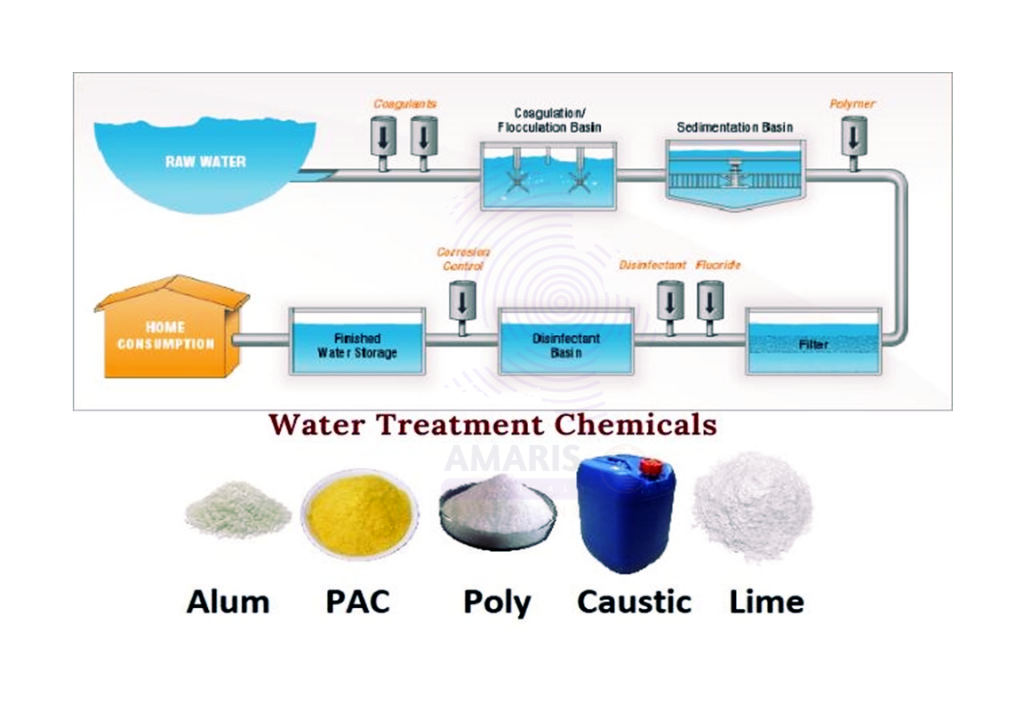
 Coagulants and Flocculants
 Corrosion Inhibitors
 Disinfectants and Biocides
 Oxidizing Agents
 pH Adjusters
 Scale Inhibitors( water)
 Antioxidants(cosmetic)
 Emollients
 Oils
Oils Carrier Oills
 Essential Oils
 Humectants
 Preservatives
 Surfactants(cosmetic)
 Thickeners
 UV Filters
 Fragrance (Cosmetics)
 Fertilizers
 Soil Conditioners
 Plant Growth Regulators
 Animal Feed Additives
 Biostimulants
 Pesticides (Herbicides, Insecticides, Fungicides)
 Active Pharmaceutical Ingredients (APIs)
 Excipients
 Solvents(pharmaceutical)
 Antibiotics
 Antiseptics and Disinfectants
 Vaccine Adjuvants
 Nutraceutical Ingredients (pharmaceutical)
 Analgesics & Antipyretics
 Analytical Reagents
 Solvents(lab)
 Chromatography Chemicals
 Spectroscopy Reagents
 microbiology-and-cell-culture-reagents
 Molecular Biology Reagents
 Biochemical Reagents
 Inorganic and Organic Standards
 Laboratory Safety Chemicals
 Specialty Laboratory Chemicals(Special Laboratory Equipment)
 Demulsifiers
 Hydraulic Fracturing Fluids
 Scale Inhibitors(oil)
 Surfactants(oil)
 Drilling Fluids
 Dyes and Pigments
 Bleaching Agents
 Softening Agents
 Finishing Agents
 Antistatic Agents
 Admixtures
 Waterproofing Agents
 Sealants and Adhesives
 Curing Compounds
 Concrete Repair Chemicals
 Anti-Corrosion Coatings
 Surfactants(cleaning)
 Builders
 Enzymes
 Solvents (Cleaning)
 Electronic Chemicals
 Catalysts
 Lubricants
 Photographic Chemicals
 Refrigerants
 Automotive chemicals
 Pyrotechnic Chemicals
 Biodegradable Surfactants
 Bio-based Solvents
 Renewable Polymers
 Carbon Capture Chemicals
 Wastewater Treatment Chemicals
 Pigments
 Solvents(paint)
 Specialty Coatings
 Binders/Resins
 Additives
 Driers
 Anti-Corrosion Agents
 Functional Coatings
 Application-Specific Coatings
 Leavening Agents
 Dough Conditioners
 Flour Treatments
 Fat Replacers
 Decoratives
 Preservatives(baking)
 Plasticizers & Softeners
 Reinforcing Agents
 Adhesion Promoters
 Vulcanizing Agents
 Antidegradants
 Blowing Agents
 Fillers & Extenders
 Accelerators & Retarders
How Construction Chemicals Improve Durability and Reduce Building Costs

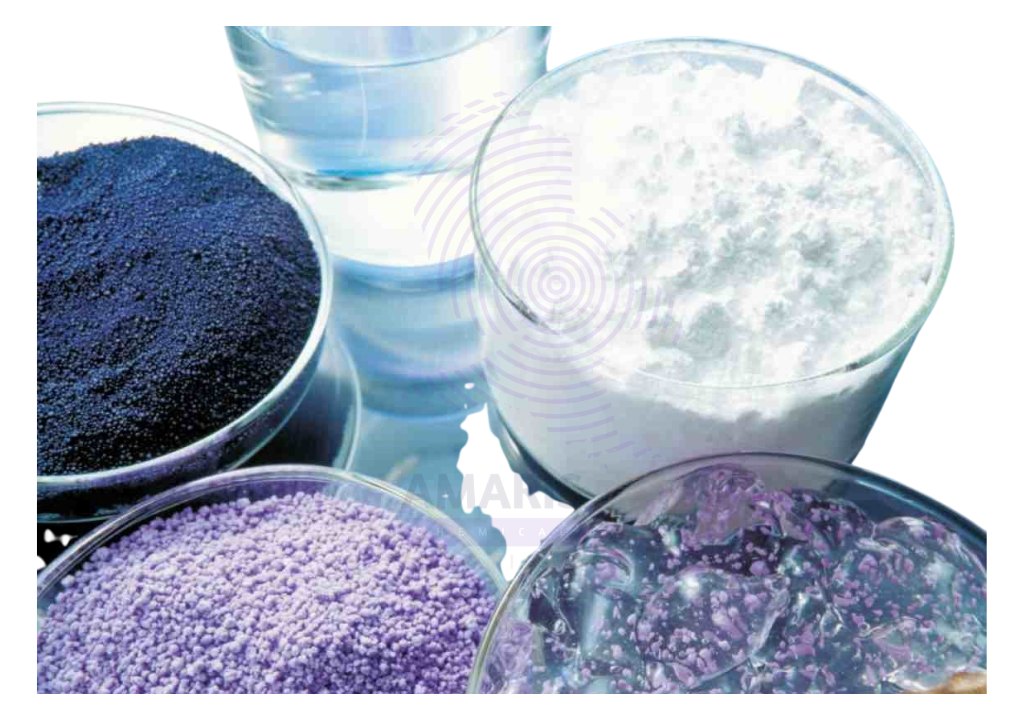
In modern construction, performance and cost efficiency are no longer separate goals—they are closely connected. One of the biggest contributors to achieving both is the use of construction chemicals, a category of specialty products designed to enhance the strength, durability, workability, and lifespan of building materials. From concrete admixtures and waterproofing compounds to sealants, adhesives, and surface treatments, construction chemicals are transforming how buildings, roads, bridges, and infrastructure projects are designed and maintained.
As urbanization accelerates and infrastructure demands grow, construction chemicals are becoming essential tools for engineers, contractors, and developers who want to build stronger structures while controlling long-term costs.
One of the most important ways construction chemicals improve durability is through enhancing concrete performance. Concrete is the backbone of most construction projects, but it is naturally prone to cracking, shrinkage, and water penetration over time. Concrete admixtures such as plasticizers, superplasticizers, and curing agents help improve the mix design by increasing strength, reducing water demand, and improving workability. This results in denser, more durable concrete that can withstand heavy loads and harsh environmental conditions for longer periods.
Another major benefit is waterproofing and moisture protection 💧. Water is one of the leading causes of structural damage in buildings, as it leads to corrosion of reinforcement steel, weakening of foundations, and growth of mold and mildew. Construction chemicals such as waterproofing membranes, sealants, and crystalline waterproofing agents create protective barriers that prevent water infiltration. This significantly extends the life of structures and reduces the need for frequent repairs or maintenance.
Construction chemicals also play a key role in reducing maintenance and lifecycle costs. While the initial cost of using these chemicals may slightly increase construction budgets, the long-term savings are substantial. Buildings treated with protective coatings, corrosion inhibitors, and durable sealants require fewer repairs, experience less structural degradation, and maintain their integrity for longer periods. This reduces overall lifecycle costs, which is one of the most important factors in modern construction planning.
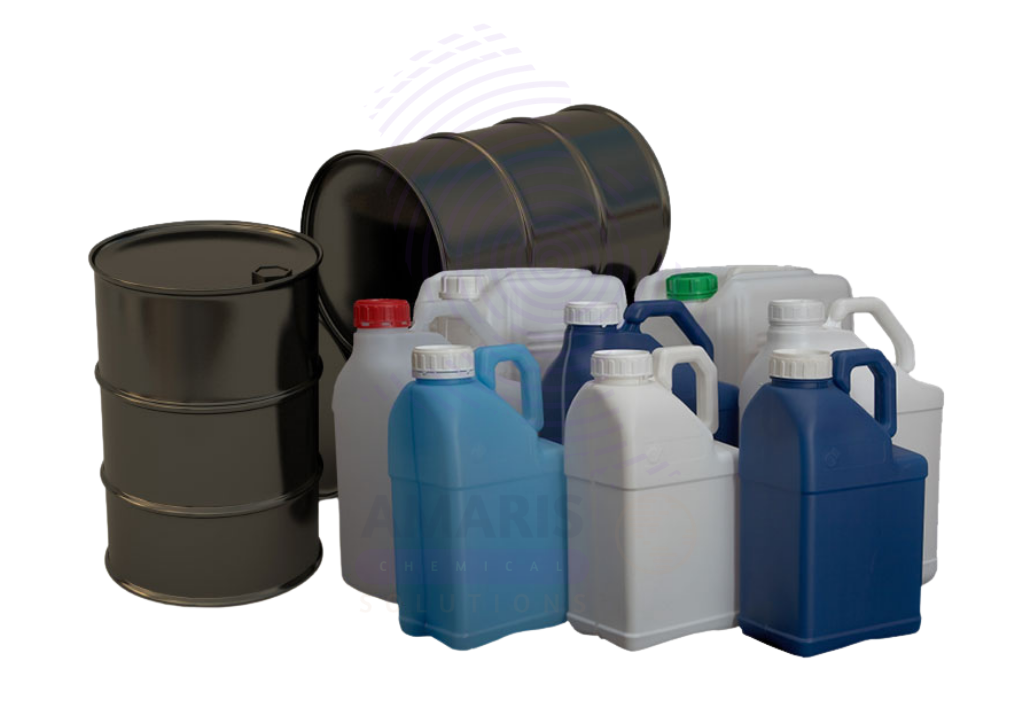
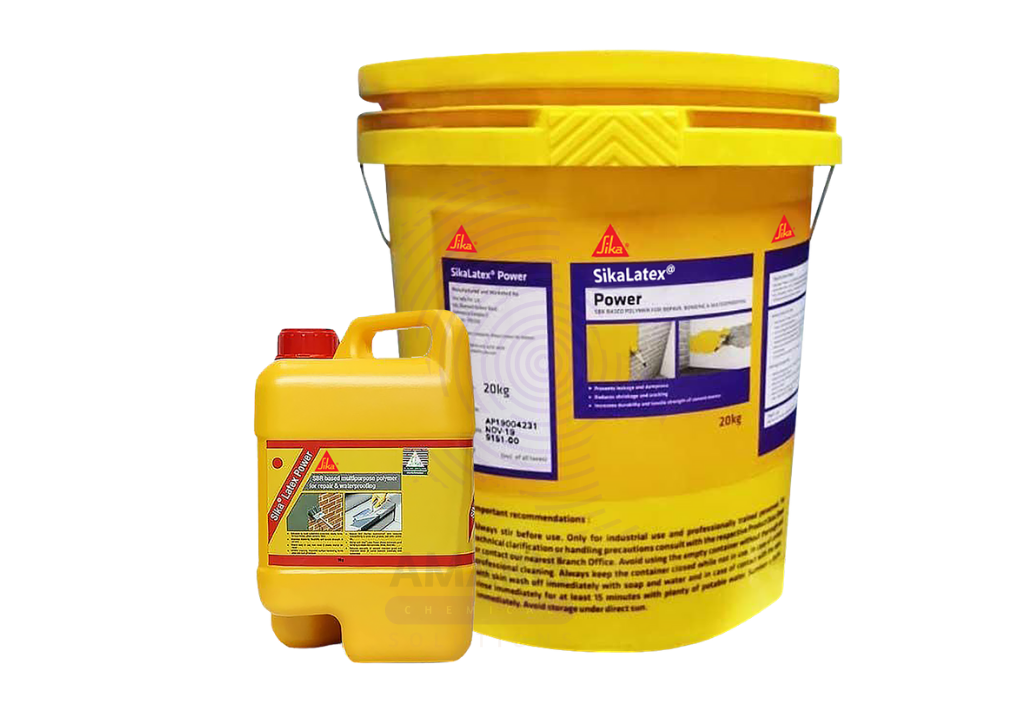
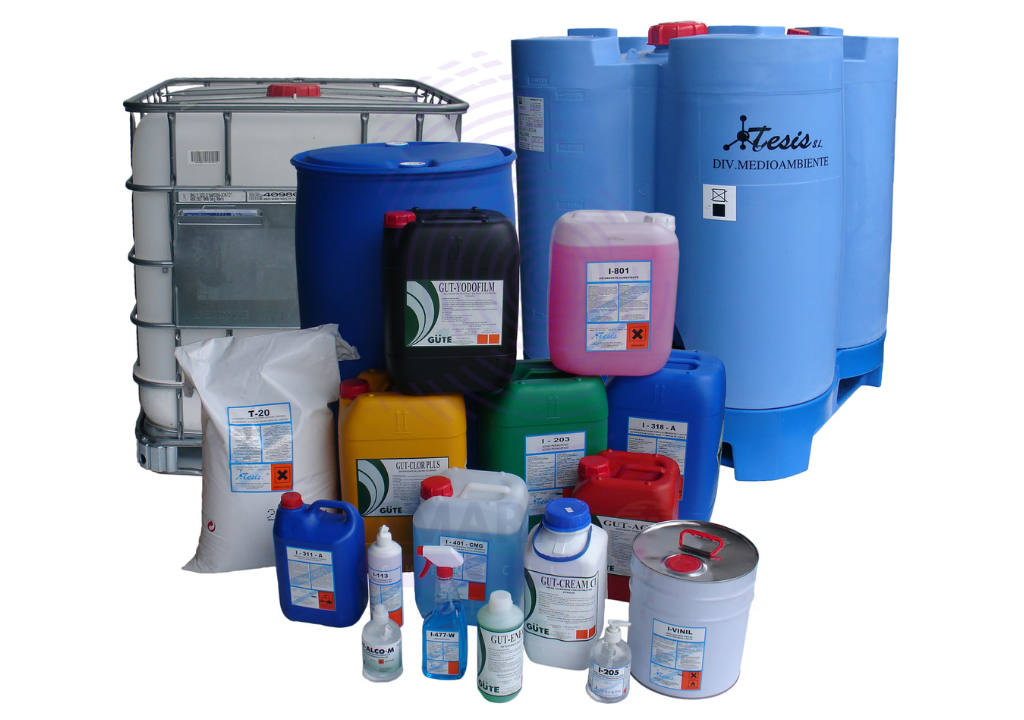
In addition, construction chemicals improve material efficiency and resource optimization. By enhancing the properties of concrete and other building materials, they allow engineers to use less raw material without compromising strength or quality. For example, admixtures can reduce the amount of cement required in a mix while still achieving the desired compressive strength. This not only lowers material costs but also reduces the environmental impact associated with cement production, which is a major source of carbon emissions globally.
Another key advantage is faster construction and improved productivity ⚙️. Certain construction chemicals accelerate curing time, improve setting rates, and enhance workability, allowing construction projects to progress more quickly. This reduces labor costs, shortens project timelines, and enables faster project completion. In large-scale infrastructure projects, even small improvements in efficiency can result in significant financial savings.
Construction chemicals also help improve structural resistance to environmental stress. Buildings and infrastructure are constantly exposed to temperature changes, chemical exposure, UV radiation, and mechanical stress. Protective coatings, epoxy systems, and corrosion inhibitors help shield structures from these damaging factors. This is especially important in harsh environments such as coastal regions, industrial zones, and areas with extreme weather conditions.
The use of construction chemicals also supports repair and rehabilitation of old structures. Instead of demolishing and rebuilding damaged infrastructure, modern repair chemicals such as grouts, epoxy injections, and bonding agents can restore structural integrity. This is often far more cost-effective than full reconstruction and helps extend the usable life of existing buildings and infrastructure.
Another important factor is quality consistency in construction materials. Construction chemicals help standardize performance by reducing variability in concrete mixes and other building materials. This leads to more predictable outcomes, fewer construction defects, and reduced wastage of materials. Consistency is especially important in large-scale projects where uniform quality is essential for safety and durability.
In conclusion, construction chemicals are a critical part of modern building practices because they directly enhance durability while reducing overall construction and maintenance costs. By improving concrete performance, protecting against water damage, optimizing material use, accelerating construction, and extending structural lifespan, these chemicals provide both immediate and long-term economic benefits. As infrastructure demands continue to grow globally, construction chemicals will remain essential for building stronger, more efficient, and more cost-effective structures 🏗️🧪⚙️