Preservatives(food)
 Flavors
 Acidulants
 Sweeteners
 Antioxidants
 Colorants(food)
 Nutraceutical Ingredients (food)
 Nutrient Supplements
 Emulsifiers
 Collectors
 Dust Suppressants
 Explosives and Blasting Agents
 Flocculants and Coagulants
 Frothers
 Leaching Agents
 pH Modifiers
 Precious Metal Extraction Agents
 Antioxidants(plastic)
 Colorants (Pigments, Dyes)
 Fillers and Reinforcements
 Flame Retardants
 Monomers
 Plasticizers
 Polymerization Initiators
 Stabilizers (UV, Heat)
 Antifoaming Agents
 Chelating Agents
 Coagulants and Flocculants
 Corrosion Inhibitors
 Disinfectants and Biocides
 Oxidizing Agents
 pH Adjusters
 Scale Inhibitors( water)
 Antioxidants(cosmetic)
 Emollients
 Oils
Oils Carrier Oills
 Essential Oils
 Humectants
 Preservatives
 Surfactants(cosmetic)
 Thickeners
 UV Filters
 Fragrance (Cosmetics)
 Fertilizers
 Soil Conditioners
 Plant Growth Regulators
 Animal Feed Additives
 Biostimulants
 Pesticides (Herbicides, Insecticides, Fungicides)
 Active Pharmaceutical Ingredients (APIs)
 Excipients
 Solvents(pharmaceutical)
 Antibiotics
 Antiseptics and Disinfectants
 Vaccine Adjuvants
 Nutraceutical Ingredients (pharmaceutical)
 Analgesics & Antipyretics
 Analytical Reagents
 Solvents(lab)
 Chromatography Chemicals
 Spectroscopy Reagents
 microbiology-and-cell-culture-reagents
 Molecular Biology Reagents
 Biochemical Reagents
 Inorganic and Organic Standards
 Laboratory Safety Chemicals
 Specialty Laboratory Chemicals(Special Laboratory Equipment)
 Demulsifiers
 Hydraulic Fracturing Fluids
 Scale Inhibitors(oil)
 Surfactants(oil)
 Drilling Fluids
 Dyes and Pigments
 Bleaching Agents
 Softening Agents
 Finishing Agents
 Antistatic Agents
 Admixtures
 Waterproofing Agents
 Sealants and Adhesives
 Curing Compounds
 Concrete Repair Chemicals
 Anti-Corrosion Coatings
 Surfactants(cleaning)
 Builders
 Enzymes
 Solvents (Cleaning)
 Electronic Chemicals
 Catalysts
 Lubricants
 Photographic Chemicals
 Refrigerants
 Automotive chemicals
 Pyrotechnic Chemicals
 Biodegradable Surfactants
 Bio-based Solvents
 Renewable Polymers
 Carbon Capture Chemicals
 Wastewater Treatment Chemicals
 Pigments
 Solvents(paint)
 Specialty Coatings
 Binders/Resins
 Additives
 Driers
 Anti-Corrosion Agents
 Functional Coatings
 Application-Specific Coatings
 Leavening Agents
 Dough Conditioners
 Flour Treatments
 Fat Replacers
 Decoratives
 Preservatives(baking)
 Plasticizers & Softeners
 Reinforcing Agents
 Adhesion Promoters
 Vulcanizing Agents
 Antidegradants
 Blowing Agents
 Fillers & Extenders
 Accelerators & Retarders
The Importance of Water Treatment Chemicals in Urban Development 💧🏙️🧪

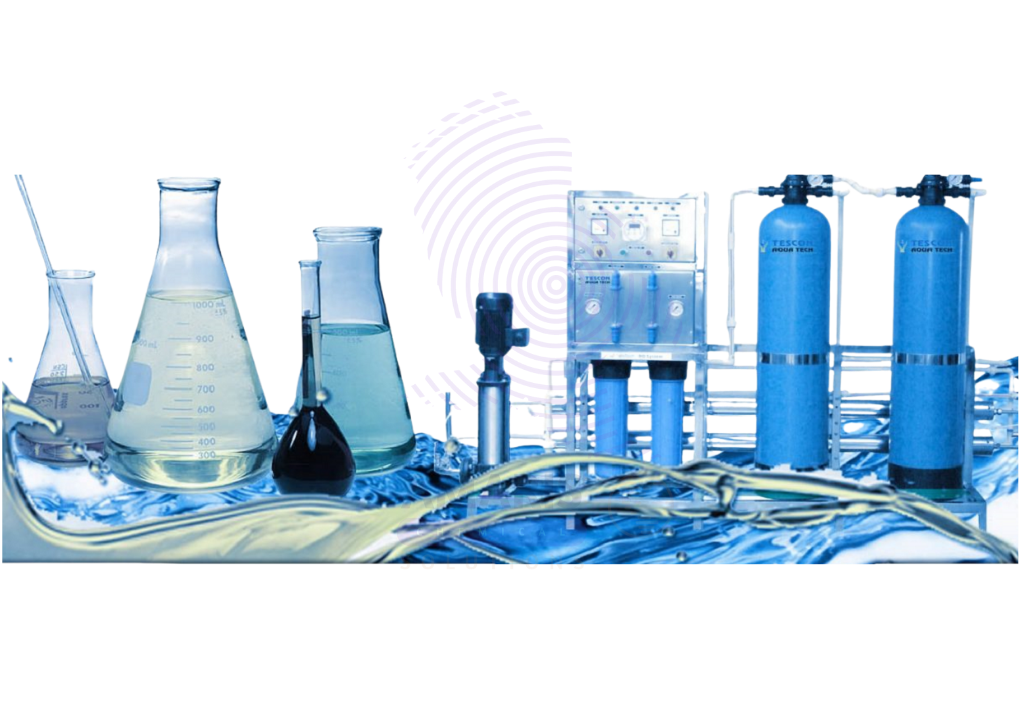
As cities expand and populations grow, access to clean and safe water becomes one of the most critical requirements for sustainable urban development. Behind every reliable water supply system is a carefully designed treatment process, and at the heart of that process are water treatment chemicals. These chemicals play a vital role in ensuring that water is safe for drinking, suitable for industrial use, and properly managed before being released back into the environment.
In modern urban centers, water systems are under constant pressure due to rising demand, pollution, and aging infrastructure. Water treatment chemicals help bridge this gap by improving water quality, protecting public health, and supporting efficient water management systems that can sustain growing cities.
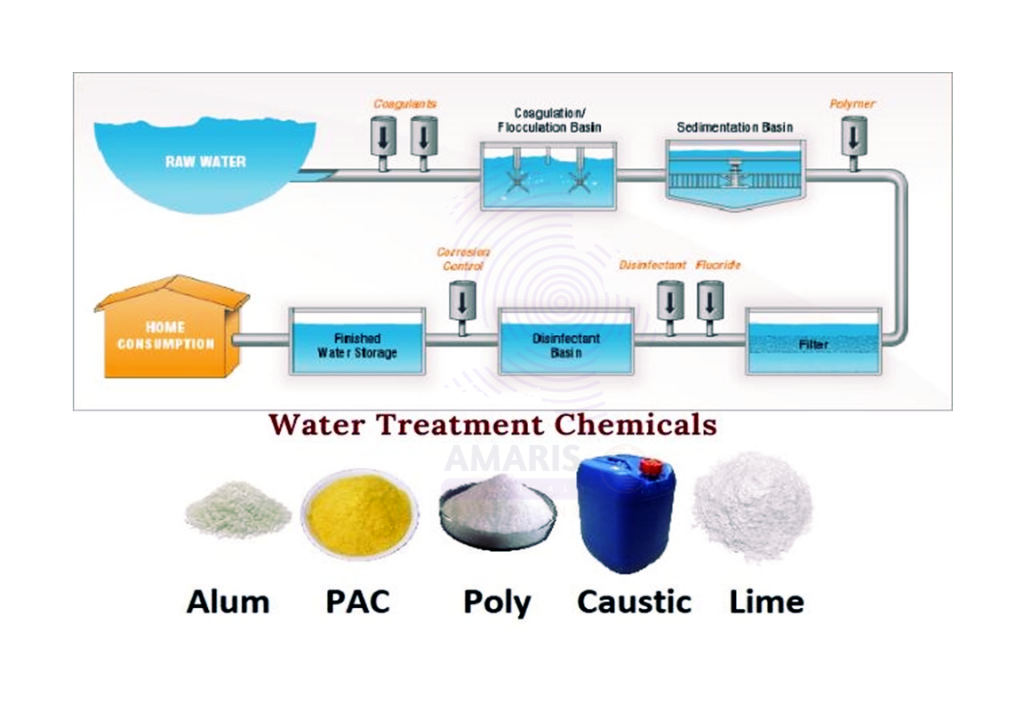
One of the most important roles of water treatment chemicals is purification and disinfection. Raw water from rivers, lakes, and underground sources often contains harmful microorganisms, suspended solids, and organic contaminants. Chemicals such as chlorine, chlorinated compounds, and disinfecting agents are used to eliminate bacteria, viruses, and pathogens that could cause serious waterborne diseases. This ensures that the water supplied to households and businesses is safe for consumption and daily use.
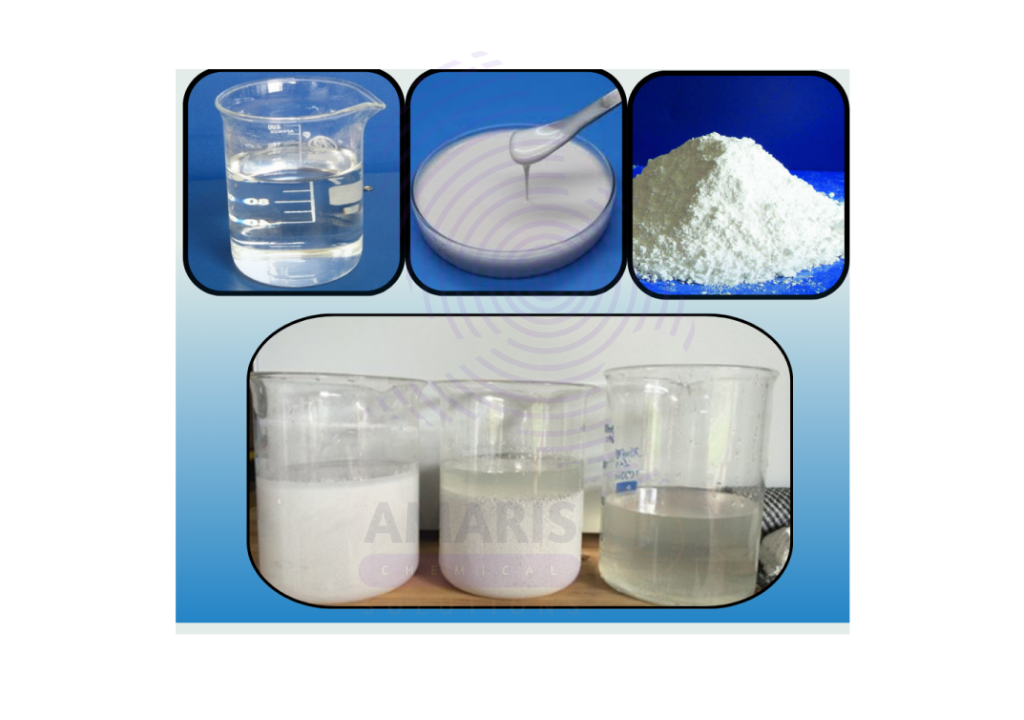
Another essential function is coagulation and flocculation ⚗️. Many water sources contain fine particles that are too small to be removed through simple filtration. Coagulants and flocculants are added to bind these particles together, forming larger clusters that can be easily removed. This process significantly improves water clarity and reduces turbidity, making the water cleaner and more suitable for treatment in later stages. Without these chemicals, water purification systems would be far less efficient.
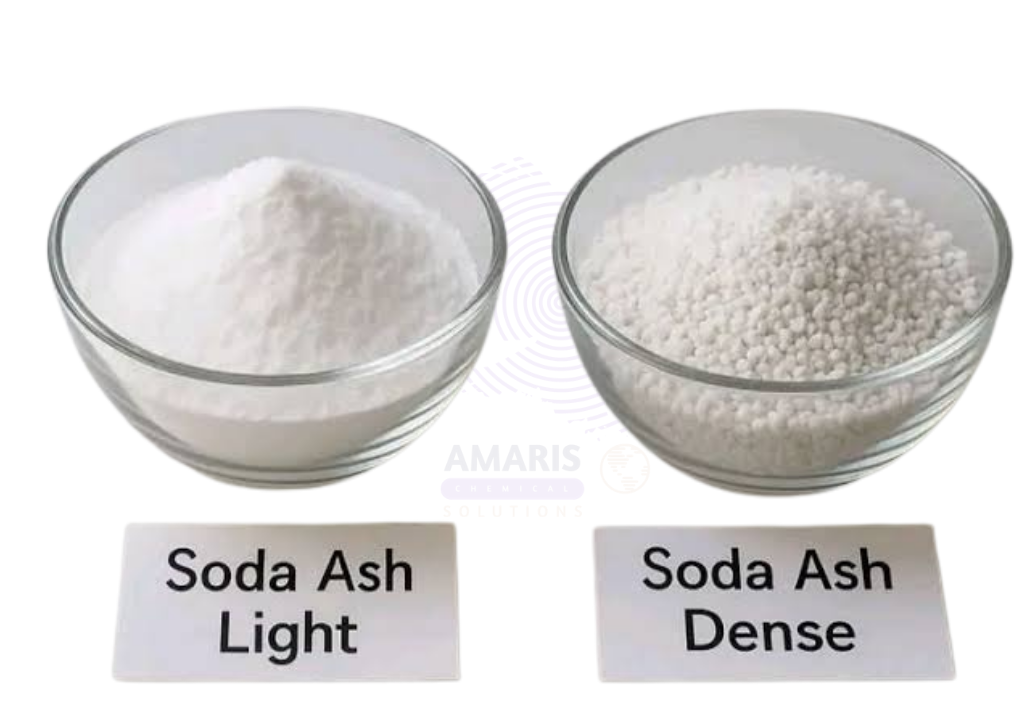
Water treatment chemicals are also crucial for controlling pH levels and maintaining water stability. The acidity or alkalinity of water affects both its safety and its impact on infrastructure. If water is too acidic, it can corrode pipes and storage systems, leading to leaks and contamination. If it is too alkaline, it can cause scaling and reduce system efficiency. Chemicals such as lime, soda ash, and other pH adjusters help maintain balanced water chemistry, protecting both the distribution network and end users.
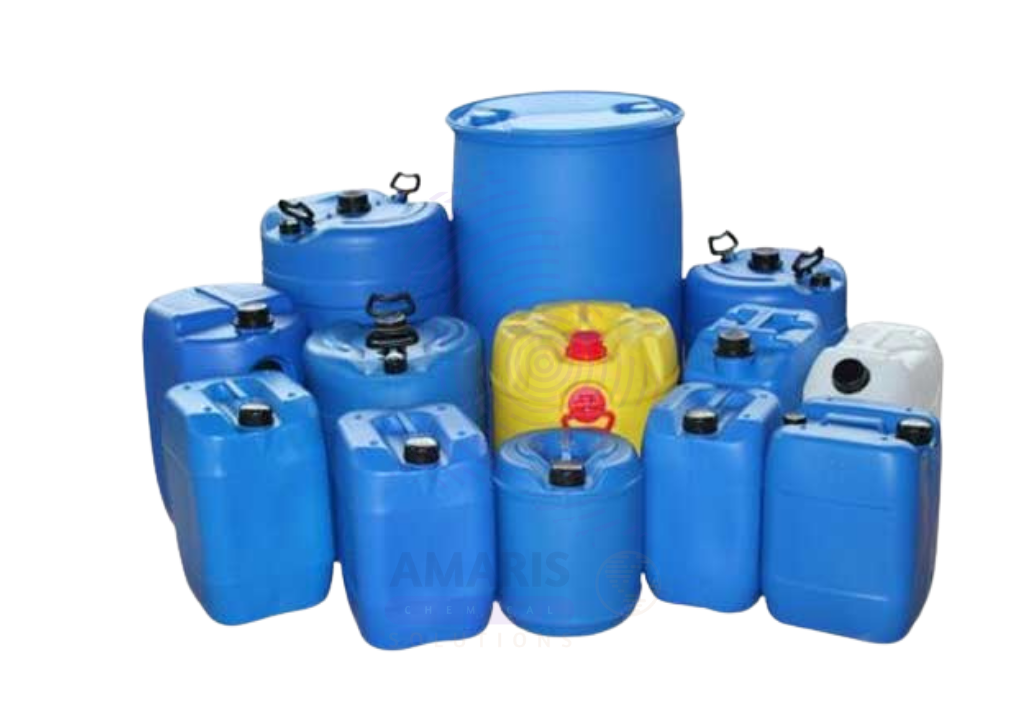
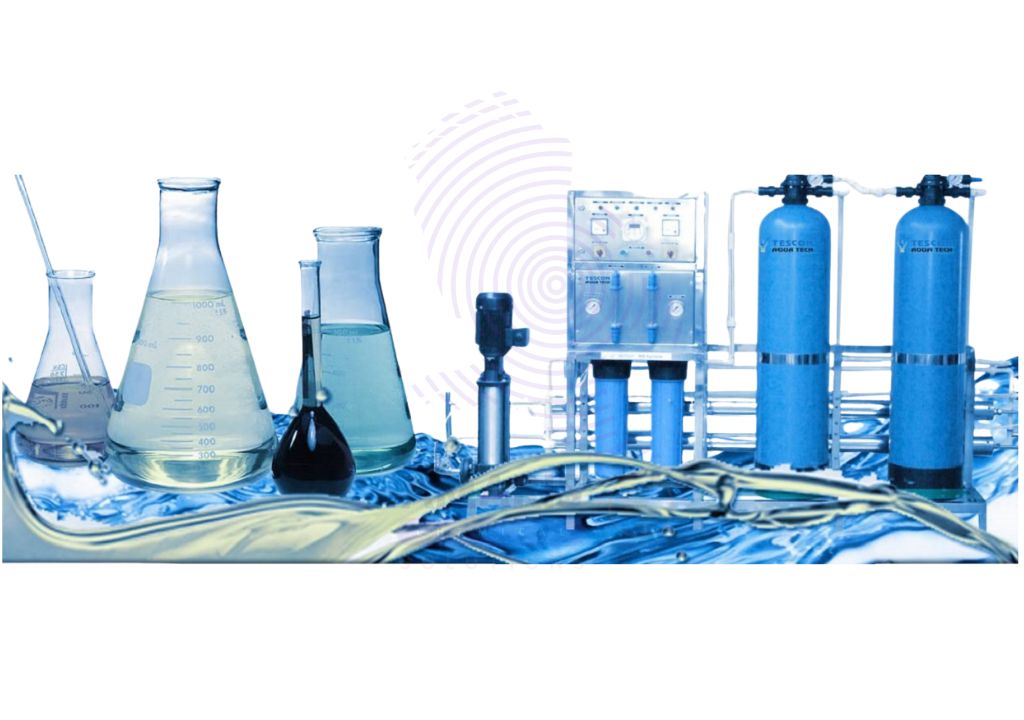
In urban environments, industrial wastewater treatment is another major area where these chemicals are essential. Factories, manufacturing plants, and commercial facilities generate wastewater that may contain oils, heavy metals, chemicals, and organic waste. Specialized treatment chemicals help neutralize harmful substances, separate contaminants, and make wastewater safe for discharge or reuse. This is critical for preventing environmental pollution and protecting natural water bodies in and around cities.
Water treatment chemicals also support corrosion and scale control in urban water systems. Over time, untreated water can cause pipes and equipment to corrode or develop mineral deposits that reduce flow efficiency. Corrosion inhibitors and anti-scaling agents help extend the lifespan of water infrastructure, reduce maintenance costs, and ensure consistent water delivery across urban networks. This is especially important in large cities where water systems span thousands of kilometers of pipelines.
Another growing application is in water recycling and reuse systems ♻️. As water scarcity becomes a global concern, many cities are investing in technologies that treat and reuse wastewater for non-drinking purposes such as irrigation, industrial cooling, and sanitation. Water treatment chemicals are essential in making this possible by removing contaminants and ensuring that recycled water meets required safety standards.
Water treatment chemicals also play a key role in supporting public health and urban hygiene. Clean water is directly linked to reduced disease outbreaks, improved sanitation, and better living conditions. In densely populated urban areas, even small failures in water treatment can lead to large-scale health risks. By ensuring continuous water safety, these chemicals contribute significantly to overall urban resilience and quality of life.
In addition, they are important for industrial and economic development within cities. Many industries rely on treated water for manufacturing processes, cooling systems, and product formulation. Reliable water treatment ensures that industries can operate efficiently without interruption, supporting economic growth and job creation in urban areas.
In conclusion, water treatment chemicals are a fundamental component of modern urban development. They ensure safe drinking water, protect infrastructure, support industrial activity, and safeguard the environment. As cities continue to grow and water demand increases, the importance of these chemicals will only become greater. They are not just part of water treatment systems—they are a foundation for healthy, sustainable, and resilient urban living 💧🏙️🧪