Preservatives(food)
 Flavors
 Acidulants
 Sweeteners
 Antioxidants
 Colorants(food)
 Nutraceutical Ingredients (food)
 Nutrient Supplements
 Emulsifiers
 Collectors
 Dust Suppressants
 Explosives and Blasting Agents
 Flocculants and Coagulants
 Frothers
 Leaching Agents
 pH Modifiers
 Precious Metal Extraction Agents
 Antioxidants(plastic)
 Colorants (Pigments, Dyes)
 Fillers and Reinforcements
 Flame Retardants
 Monomers
 Plasticizers
 Polymerization Initiators
 Stabilizers (UV, Heat)
 Antifoaming Agents
 Chelating Agents
 Coagulants and Flocculants
 Corrosion Inhibitors
 Disinfectants and Biocides
 Oxidizing Agents
 pH Adjusters
 Scale Inhibitors( water)
 Antioxidants(cosmetic)
 Emollients
 Oils
Oils Carrier Oills
 Essential Oils
 Humectants
 Preservatives
 Surfactants(cosmetic)
 Thickeners
 UV Filters
 Fragrance (Cosmetics)
 Fertilizers
 Soil Conditioners
 Plant Growth Regulators
 Animal Feed Additives
 Biostimulants
 Pesticides (Herbicides, Insecticides, Fungicides)
 Active Pharmaceutical Ingredients (APIs)
 Excipients
 Solvents(pharmaceutical)
 Antibiotics
 Antiseptics and Disinfectants
 Vaccine Adjuvants
 Nutraceutical Ingredients (pharmaceutical)
 Analgesics & Antipyretics
 Analytical Reagents
 Solvents(lab)
 Chromatography Chemicals
 Spectroscopy Reagents
 microbiology-and-cell-culture-reagents
 Molecular Biology Reagents
 Biochemical Reagents
 Inorganic and Organic Standards
 Laboratory Safety Chemicals
 Specialty Laboratory Chemicals(Special Laboratory Equipment)
 Demulsifiers
 Hydraulic Fracturing Fluids
 Scale Inhibitors(oil)
 Surfactants(oil)
 Drilling Fluids
 Dyes and Pigments
 Bleaching Agents
 Softening Agents
 Finishing Agents
 Antistatic Agents
 Admixtures
 Waterproofing Agents
 Sealants and Adhesives
 Curing Compounds
 Concrete Repair Chemicals
 Anti-Corrosion Coatings
 Surfactants(cleaning)
 Builders
 Enzymes
 Solvents (Cleaning)
 Electronic Chemicals
 Catalysts
 Lubricants
 Photographic Chemicals
 Refrigerants
 Automotive chemicals
 Pyrotechnic Chemicals
 Biodegradable Surfactants
 Bio-based Solvents
 Renewable Polymers
 Carbon Capture Chemicals
 Wastewater Treatment Chemicals
 Pigments
 Solvents(paint)
 Specialty Coatings
 Binders/Resins
 Additives
 Driers
 Anti-Corrosion Agents
 Functional Coatings
 Application-Specific Coatings
 Leavening Agents
 Dough Conditioners
 Flour Treatments
 Fat Replacers
 Decoratives
 Preservatives(baking)
 Plasticizers & Softeners
 Reinforcing Agents
 Adhesion Promoters
 Vulcanizing Agents
 Antidegradants
 Blowing Agents
 Fillers & Extenders
 Accelerators & Retarders
How Mining Chemicals Boost Efficiency in Mineral Processing ⛏️🧪⚙️

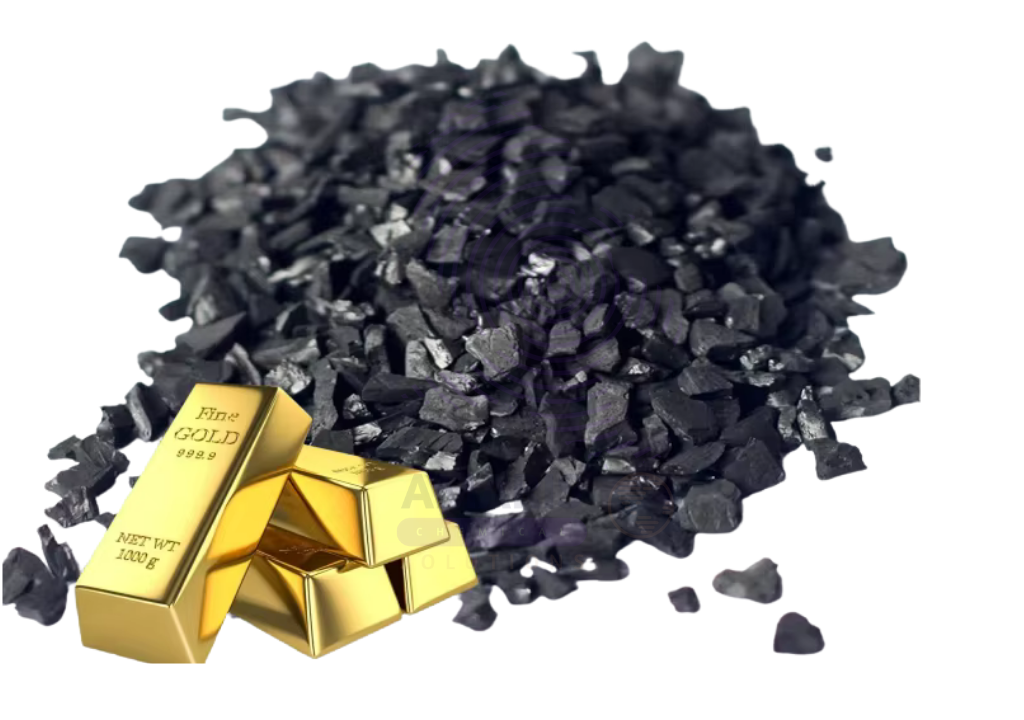
The mining industry plays a crucial role in supplying raw materials for global development, from metals used in construction and electronics to minerals required in energy production and manufacturing. However, extracting valuable minerals from ore is a complex and resource-intensive process. This is where mining chemicals become essential. They significantly improve efficiency, increase recovery rates, and reduce operational costs in mineral processing operations.
In modern mining, it is no longer enough to simply extract ore from the ground. The real value lies in how efficiently valuable minerals are separated, purified, and prepared for industrial use. Mining chemicals make this possible by enhancing every stage of mineral processing, from crushing and grinding to flotation, leaching, and separation.
One of the most important roles of mining chemicals is in mineral separation and flotation processes ⚗️. In flotation, chemicals known as collectors, frothers, and depressants are used to selectively separate valuable minerals from unwanted material (gangue). Collectors help minerals attach to air bubbles, frothers stabilize the foam, and depressants prevent unwanted materials from floating. This combination allows mining companies to efficiently recover valuable ores such as copper, gold, zinc, and lead with higher purity and less waste.
Another key function is improving ore recovery rates. Natural ores often contain low concentrations of valuable minerals, making efficient extraction difficult. Mining chemicals enhance the separation process so that even small amounts of valuable material can be recovered effectively. This not only increases profitability but also reduces the amount of raw ore that needs to be processed, saving energy and operational costs.
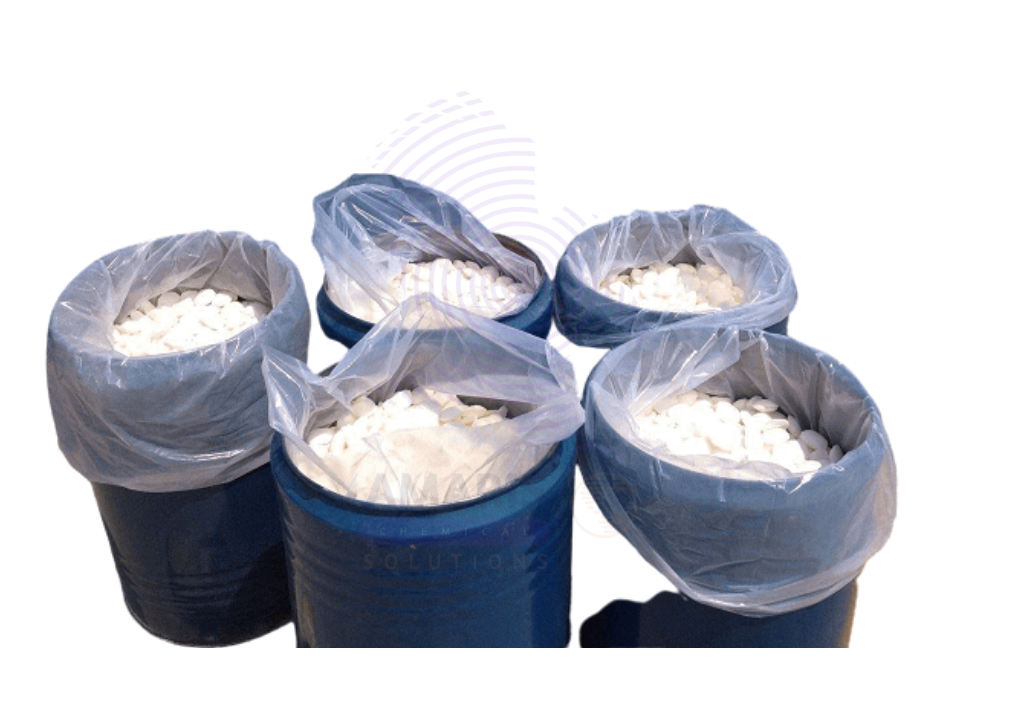
Mining chemicals also play a vital role in crushing and grinding efficiency. Before minerals can be separated, ore must be broken down into fine particles. Grinding aids and process enhancers are used to reduce energy consumption during this stage while improving particle size distribution. This leads to faster processing times and reduced wear on equipment, which directly lowers maintenance costs and improves overall plant performance.
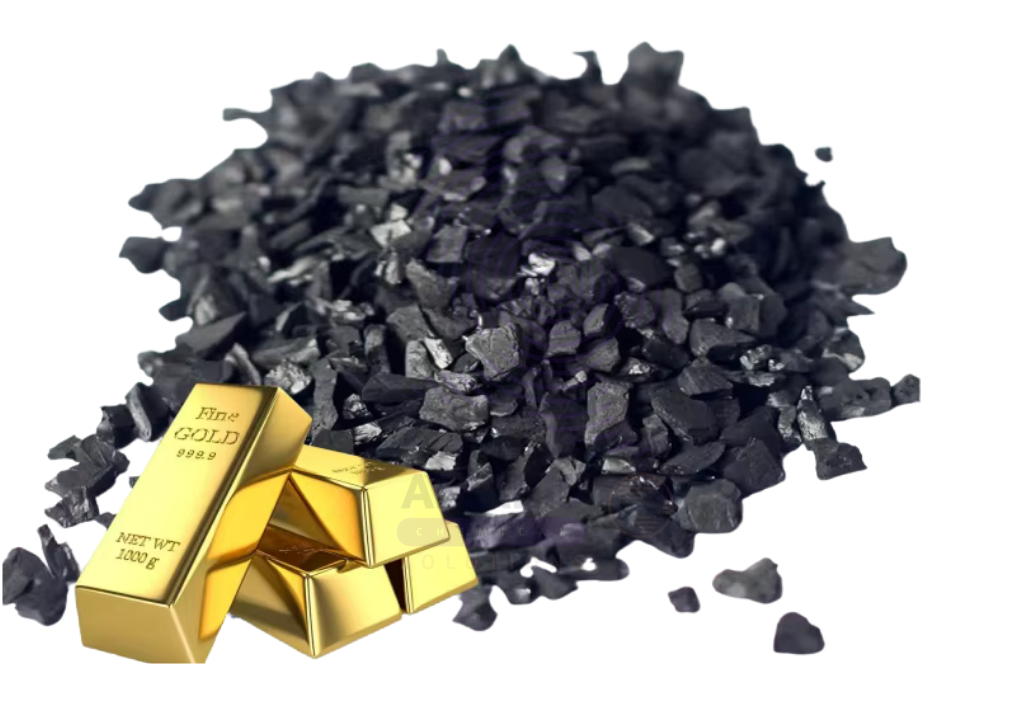
In addition, mining chemicals are essential for leaching processes, especially in gold and copper extraction ⛏️. Leaching agents such as cyanide (in controlled industrial systems), acids, and other chemical solutions help dissolve valuable metals from ore. This allows metals to be separated more efficiently compared to mechanical methods alone. Advances in chemical leaching have made it possible to process lower-grade ores that were previously considered uneconomical.
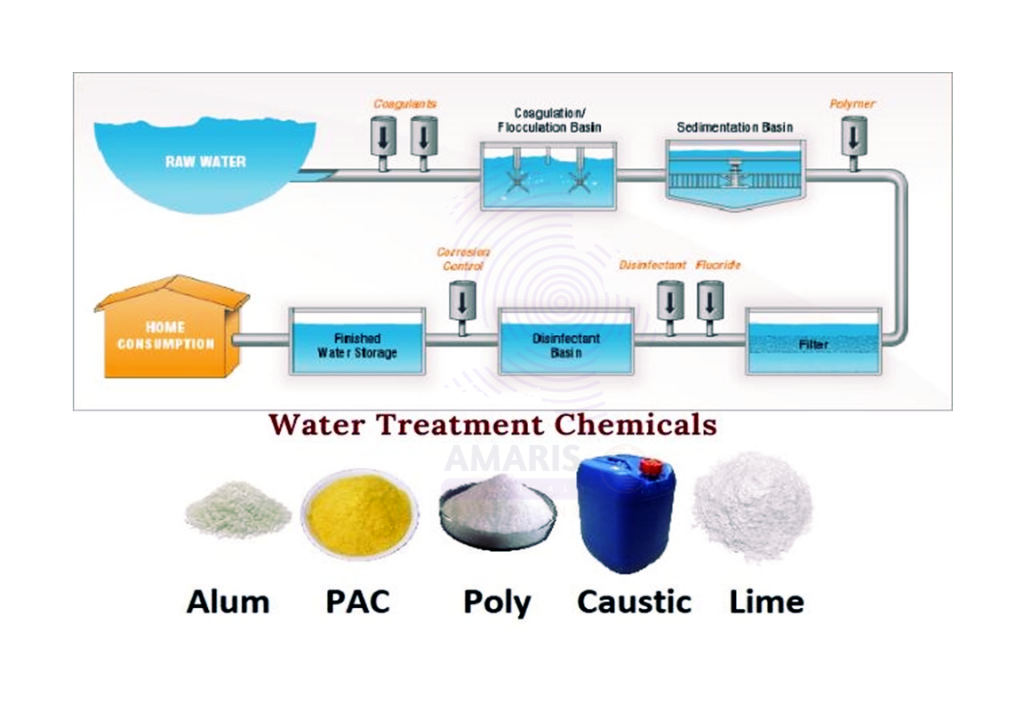
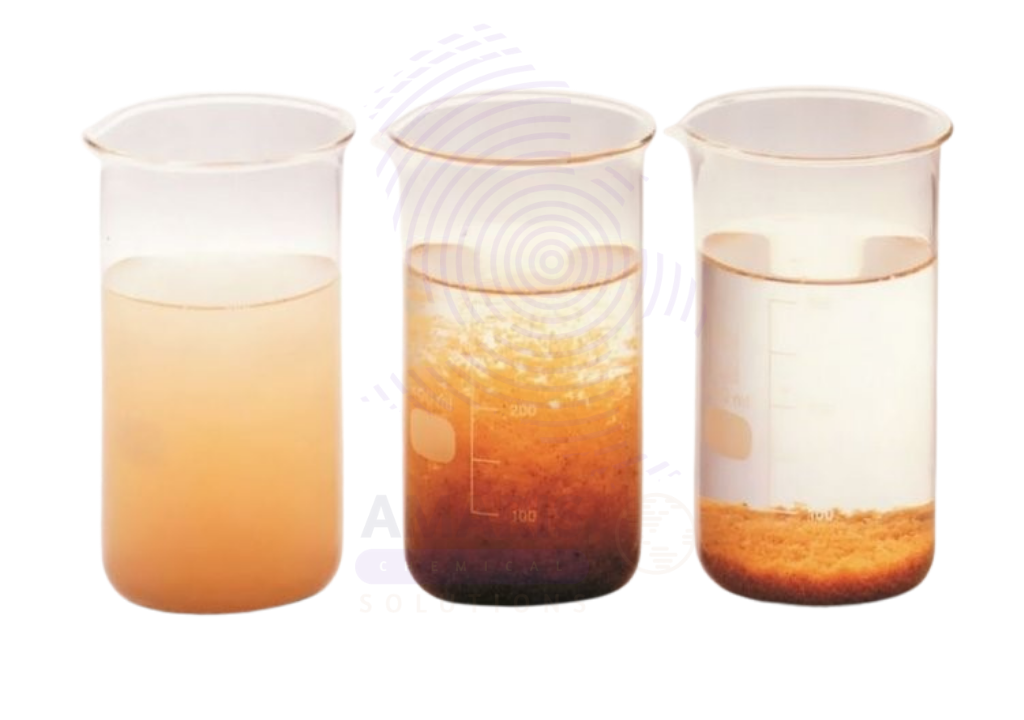
Another important application is in solid-liquid separation and water management 💧. Mining operations use large volumes of water, and chemicals such as flocculants and coagulants help separate fine particles from water, making recycling and reuse possible. This improves environmental compliance, reduces freshwater consumption, and supports sustainable mining practices. Efficient water treatment also ensures smoother plant operations and reduces downtime caused by sediment buildup.
Mining chemicals also contribute significantly to dust control and environmental protection 🌍. Dust suppressants are used on mining roads and processing sites to reduce airborne particles that can harm workers and nearby communities. Additionally, chemical treatments help neutralize harmful substances in tailings and wastewater, reducing environmental impact and improving regulatory compliance.
Another key advantage of mining chemicals is cost reduction and operational efficiency. By improving recovery rates and reducing energy consumption, these chemicals help mining companies lower overall production costs. They also extend equipment life by reducing abrasion and scaling, which minimizes maintenance requirements and downtime.
Furthermore, modern mining chemicals support sustainable and responsible mining practices ♻️. As environmental regulations become stricter, companies are adopting more eco-friendly chemical solutions that reduce toxicity and improve waste management. This includes biodegradable reagents, low-impact flotation agents, and advanced water recycling chemicals that minimize environmental harm.
In conclusion, mining chemicals are a critical part of modern mineral processing. They enhance recovery rates, improve efficiency, reduce costs, and support environmental sustainability across mining operations. From flotation and leaching to water treatment and dust control, these chemicals ensure that valuable resources are extracted in the most effective and responsible way possible. As global demand for minerals continues to rise, mining chemicals will remain essential in driving innovation and efficiency in the mining industry ⛏️🧪⚙️