Preservatives(food)
 Flavors
 Acidulants
 Sweeteners
 Antioxidants
 Colorants(food)
 Nutraceutical Ingredients (food)
 Nutrient Supplements
 Emulsifiers
 Collectors
 Dust Suppressants
 Explosives and Blasting Agents
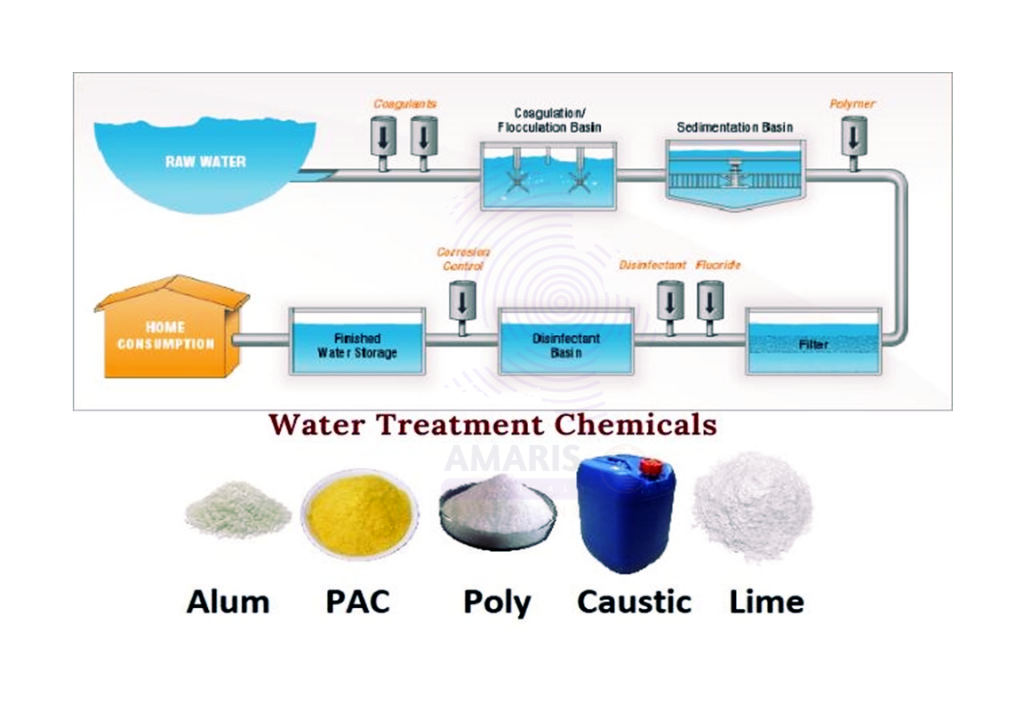
 Flocculants and Coagulants
 Frothers
 Leaching Agents
 pH Modifiers
 Precious Metal Extraction Agents
 Antioxidants(plastic)
 Colorants (Pigments, Dyes)
 Fillers and Reinforcements
 Flame Retardants
 Monomers
 Plasticizers
 Polymerization Initiators
 Stabilizers (UV, Heat)
 Antifoaming Agents
 Chelating Agents
 Coagulants and Flocculants
 Corrosion Inhibitors
 Disinfectants and Biocides
 Oxidizing Agents
 pH Adjusters
 Scale Inhibitors( water)
 Antioxidants(cosmetic)
 Emollients
 Oils
Oils Carrier Oills
 Essential Oils
 Humectants
 Preservatives
 Surfactants(cosmetic)
 Thickeners
 UV Filters
 Fragrance (Cosmetics)
 Fertilizers
 Soil Conditioners
 Plant Growth Regulators
 Animal Feed Additives
 Biostimulants
 Pesticides (Herbicides, Insecticides, Fungicides)
 Active Pharmaceutical Ingredients (APIs)
 Excipients
 Solvents(pharmaceutical)
 Antibiotics
 Antiseptics and Disinfectants
 Vaccine Adjuvants
 Nutraceutical Ingredients (pharmaceutical)
 Analgesics & Antipyretics
 Analytical Reagents
 Solvents(lab)
 Chromatography Chemicals
 Spectroscopy Reagents
 microbiology-and-cell-culture-reagents
 Molecular Biology Reagents
 Biochemical Reagents
 Inorganic and Organic Standards
 Laboratory Safety Chemicals
 Specialty Laboratory Chemicals(Special Laboratory Equipment)
 Demulsifiers
 Hydraulic Fracturing Fluids
 Scale Inhibitors(oil)
 Surfactants(oil)
 Drilling Fluids
 Dyes and Pigments
 Bleaching Agents
 Softening Agents
 Finishing Agents
 Antistatic Agents
 Admixtures
 Waterproofing Agents
 Sealants and Adhesives
 Curing Compounds
 Concrete Repair Chemicals
 Anti-Corrosion Coatings
 Surfactants(cleaning)
 Builders
 Enzymes
 Solvents (Cleaning)
 Electronic Chemicals
 Catalysts
 Lubricants
 Photographic Chemicals
 Refrigerants
 Automotive chemicals
 Pyrotechnic Chemicals
 Biodegradable Surfactants
 Bio-based Solvents
 Renewable Polymers
 Carbon Capture Chemicals
 Wastewater Treatment Chemicals
 Pigments
 Solvents(paint)
 Specialty Coatings
 Binders/Resins
 Additives
 Driers
 Anti-Corrosion Agents
 Functional Coatings
 Application-Specific Coatings
 Leavening Agents
 Dough Conditioners
 Flour Treatments
 Fat Replacers
 Decoratives
 Preservatives(baking)
 Plasticizers & Softeners
 Reinforcing Agents
 Adhesion Promoters
 Vulcanizing Agents
 Antidegradants
 Blowing Agents
 Fillers & Extenders
 Accelerators & Retarders
Why Laboratory Chemicals Are Essential for Accurate Scientific Research

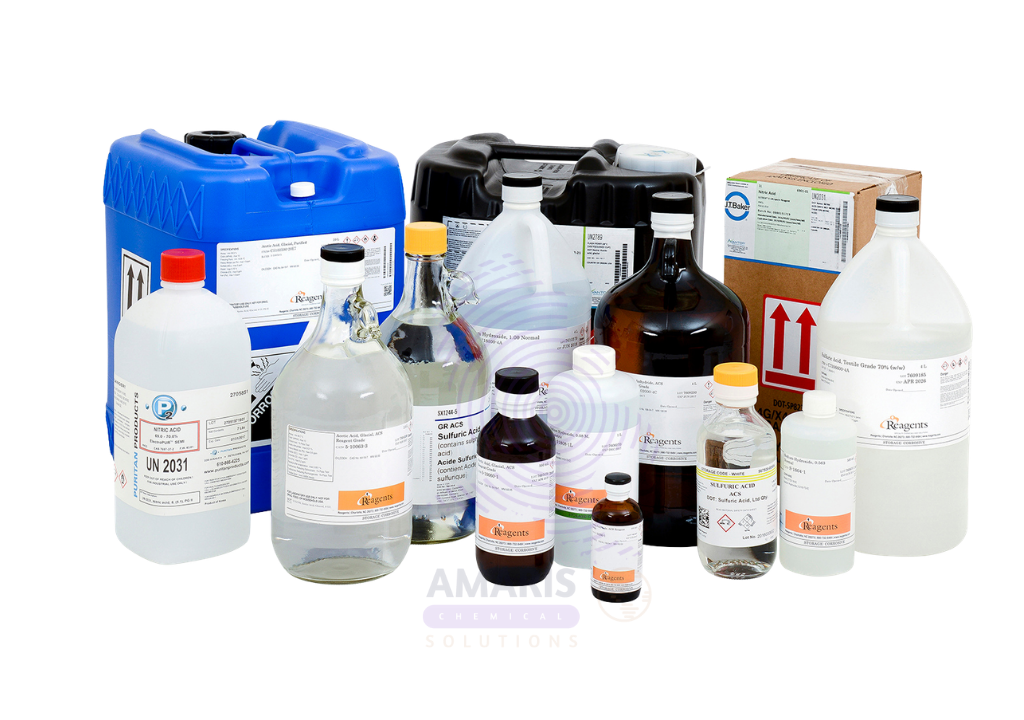
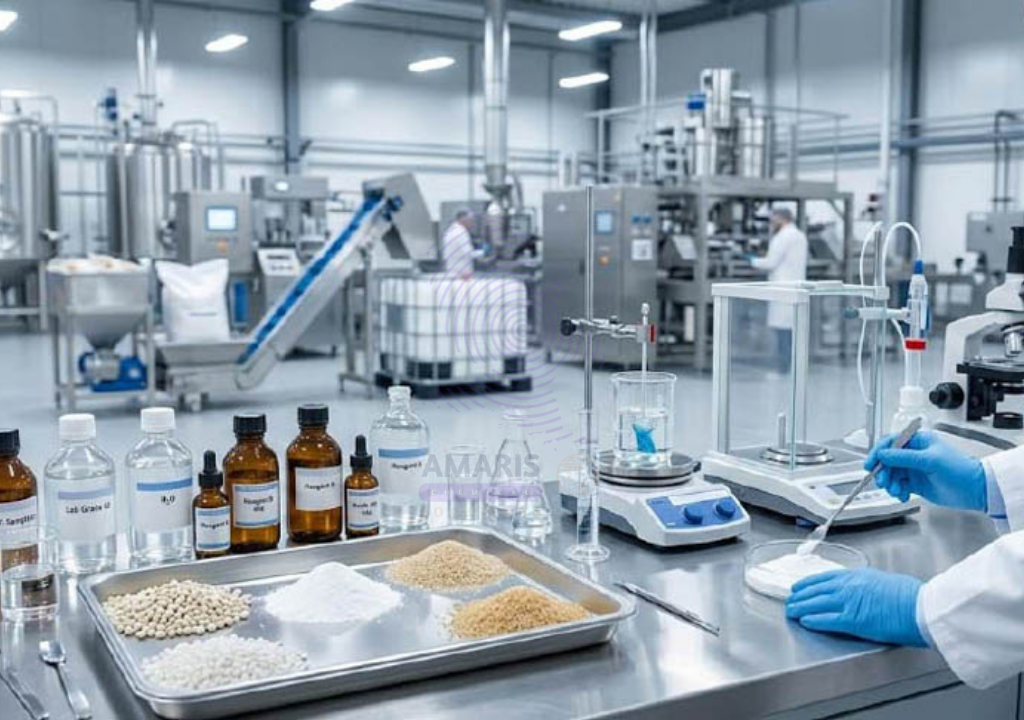
Scientific breakthroughs begin with precision, and precision begins with the quality of the materials used in the laboratory. Whether researchers are developing life-saving medicines, testing water quality, analyzing food products, or exploring new industrial materials, laboratory chemicals are fundamental to producing reliable and reproducible results. They are the building blocks of modern scientific research, enabling experiments, measurements, and analyses that drive innovation across countless industries.
From universities and research institutions to pharmaceutical companies and industrial laboratories, high-quality laboratory chemicals are used every day to answer complex scientific questions. Without them, many of the discoveries and technologies that shape our modern world would not be possible.
One of the most important reasons laboratory chemicals are essential is their role in ensuring accuracy and precision. Scientific research depends on obtaining results that are both correct and repeatable. Even the smallest impurity in a chemical reagent can alter an experiment, leading to inaccurate conclusions or inconsistent data. This is why laboratories rely on high-purity reagents, analytical-grade chemicals, and standardized solutions that meet strict quality specifications. These products help researchers minimize errors and produce results that can be trusted and verified.
Laboratory chemicals are also critical for chemical analysis and testing ⚗️. Analytical techniques such as titration, chromatography, spectroscopy, and pH measurement require carefully prepared reagents to identify and quantify substances. These methods are widely used in pharmaceutical development, environmental monitoring, food safety testing, and industrial quality control. The accuracy of these analyses depends directly on the consistency and purity of the laboratory chemicals involved.
Another vital application is in scientific research and innovation. Every new product, medicine, or manufacturing process begins with experimentation. Laboratory chemicals enable scientists to study chemical reactions, investigate material properties, synthesize new compounds, and evaluate biological systems. Whether developing advanced battery materials, improving agricultural products, or researching renewable energy technologies, researchers rely on specialized chemicals to support every stage of discovery.
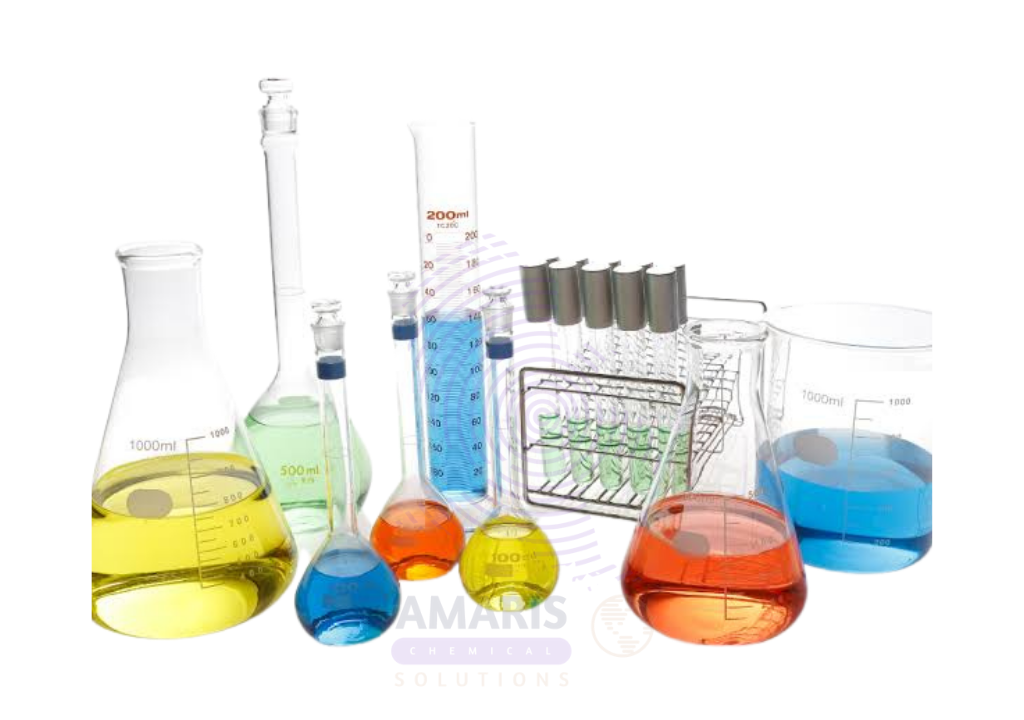
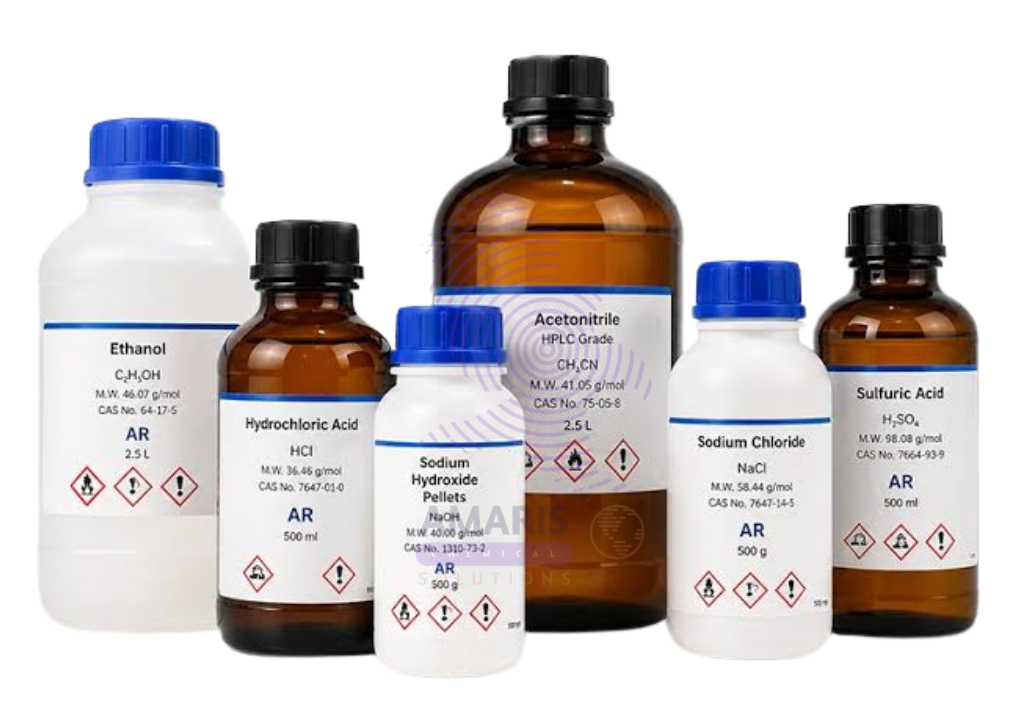
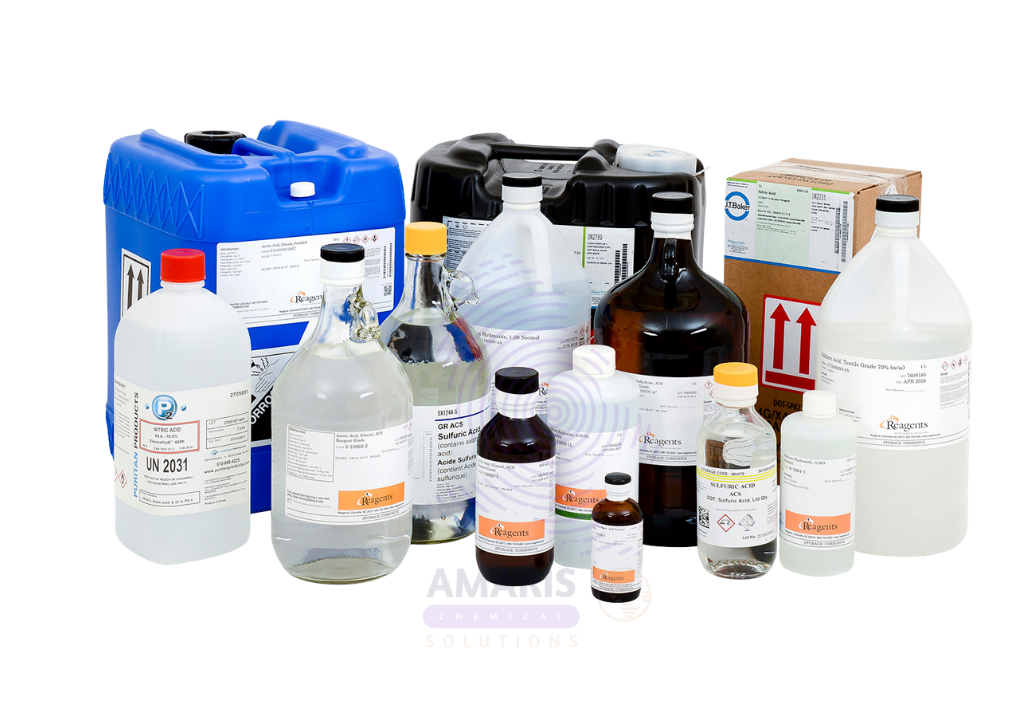
In the pharmaceutical and healthcare industries, laboratory chemicals play an indispensable role in drug development and quality assurance 💊. Researchers use them to synthesize active pharmaceutical ingredients, analyze formulations, and verify the purity and stability of medicines. Diagnostic laboratories also depend on laboratory reagents for testing blood, tissues, and other biological samples. These applications help ensure that medicines and diagnostic procedures meet the highest standards of safety and effectiveness.
Laboratory chemicals are equally important in environmental monitoring and water analysis 🌍. Scientists use reagents to detect pollutants, measure water quality, analyze soil composition, and monitor air quality. These tests help governments, industries, and environmental organizations protect natural resources and comply with environmental regulations. Accurate laboratory analysis is essential for identifying contamination and supporting sustainable environmental management.
In addition, laboratory chemicals support industrial quality control. Manufacturers in sectors such as food and beverage, mining, cosmetics, construction, and petrochemicals rely on laboratory testing to ensure their products meet performance and safety standards. Chemical reagents help verify product composition, detect impurities, and confirm compliance with industry specifications. This ensures that customers receive products of consistent quality and reliability.
Education is another area where laboratory chemicals play a fundamental role 🎓. Schools, colleges, and universities use laboratory reagents to teach students the principles of chemistry, biology, and materials science. Practical experiments help learners understand scientific concepts, develop analytical skills, and gain hands-on experience that prepares them for careers in research and industry.
The importance of proper storage and handling should not be overlooked. Laboratory chemicals must be stored under appropriate conditions and handled according to established safety procedures to preserve their quality and protect laboratory personnel. Using suitable personal protective equipment (PPE), maintaining proper labeling, and following recommended storage guidelines help ensure both safety and experimental reliability.
As scientific research advances, there is also increasing demand for high-purity and specialty laboratory chemicals. Fields such as biotechnology, nanotechnology, molecular biology, and advanced materials science require reagents with exceptionally low impurity levels to support highly sensitive experiments. This growing need for precision is driving continuous improvements in laboratory chemical production and quality assurance.
In conclusion, laboratory chemicals are the foundation of accurate scientific research and technological innovation. They enable precise analysis, support groundbreaking discoveries, ensure product quality, and advance knowledge across medicine, environmental science, manufacturing, and education. As science continues to solve global challenges and explore new frontiers, the importance of high-quality laboratory chemicals will only continue to grow. Investing in reliable laboratory reagents is not simply about conducting experiments—it is about building confidence in every scientific result and paving the way for future innovation 🧪🔬⚗️