Preservatives(food)
 Flavors
 Acidulants
 Sweeteners
 Antioxidants
 Colorants(food)
 Nutraceutical Ingredients (food)
 Nutrient Supplements
 Emulsifiers
 Collectors
 Dust Suppressants
 Explosives and Blasting Agents
 Flocculants and Coagulants
 Frothers
 Leaching Agents
 pH Modifiers
 Precious Metal Extraction Agents
 Antioxidants(plastic)
 Colorants (Pigments, Dyes)
 Fillers and Reinforcements
 Flame Retardants
 Monomers
 Plasticizers
 Polymerization Initiators
 Stabilizers (UV, Heat)
 Antifoaming Agents
 Chelating Agents
 Coagulants and Flocculants
 Corrosion Inhibitors
 Disinfectants and Biocides
 Oxidizing Agents
 pH Adjusters
 Scale Inhibitors( water)
 Antioxidants(cosmetic)
 Emollients
 Oils
Oils Carrier Oills
 Essential Oils
 Humectants
 Preservatives
 Surfactants(cosmetic)
 Thickeners
 UV Filters
 Fragrance (Cosmetics)
 Fertilizers
 Soil Conditioners
 Plant Growth Regulators
 Animal Feed Additives
 Biostimulants
 Pesticides (Herbicides, Insecticides, Fungicides)
 Active Pharmaceutical Ingredients (APIs)
 Excipients
 Solvents(pharmaceutical)
 Antibiotics
 Antiseptics and Disinfectants
 Vaccine Adjuvants
 Nutraceutical Ingredients (pharmaceutical)
 Analgesics & Antipyretics
 Analytical Reagents
 Solvents(lab)
 Chromatography Chemicals
 Spectroscopy Reagents
 microbiology-and-cell-culture-reagents
 Molecular Biology Reagents
 Biochemical Reagents
 Inorganic and Organic Standards
 Laboratory Safety Chemicals
 Specialty Laboratory Chemicals(Special Laboratory Equipment)
 Demulsifiers
 Hydraulic Fracturing Fluids
 Scale Inhibitors(oil)
 Surfactants(oil)
 Drilling Fluids
 Dyes and Pigments
 Bleaching Agents
 Softening Agents
 Finishing Agents
 Antistatic Agents
 Admixtures
 Waterproofing Agents
 Sealants and Adhesives
 Curing Compounds
 Concrete Repair Chemicals
 Anti-Corrosion Coatings
 Surfactants(cleaning)
 Builders
 Enzymes
 Solvents (Cleaning)
 Electronic Chemicals
 Catalysts
 Lubricants
 Photographic Chemicals
 Refrigerants
 Automotive chemicals
 Pyrotechnic Chemicals
 Biodegradable Surfactants
 Bio-based Solvents
 Renewable Polymers
 Carbon Capture Chemicals
 Wastewater Treatment Chemicals
 Pigments
 Solvents(paint)
 Specialty Coatings
 Binders/Resins
 Additives
 Driers
 Anti-Corrosion Agents
 Functional Coatings
 Application-Specific Coatings
 Leavening Agents
 Dough Conditioners
 Flour Treatments
 Fat Replacers
 Decoratives
 Preservatives(baking)
 Plasticizers & Softeners
 Reinforcing Agents
 Adhesion Promoters
 Vulcanizing Agents
 Antidegradants
 Blowing Agents
 Fillers & Extenders
 Accelerators & Retarders
The Role of Food & Beverage Chemicals in Safe Food Production 🍞🧪🥤

Food safety is one of the most critical concerns in modern society, and behind every packaged drink, processed meal, or preserved snack is a carefully controlled system of food and beverage chemicals. These substances are essential for ensuring that food remains safe, stable, nutritious, and appealing from production to consumption.
While the word “chemicals” often raises concern among consumers, food-grade chemicals are strictly regulated and scientifically formulated to improve food quality and prevent health risks. They play a central role in preservation, flavor enhancement, texture control, contamination prevention, and shelf-life extension across the entire food production chain.
One of the most important functions of food and beverage chemicals is food preservation. Without preservatives, many foods would spoil quickly due to microbial growth such as bacteria, yeast, and mold. Preservatives help slow or stop this process, ensuring that food remains safe for longer periods. This is especially important for packaged goods, dairy products, beverages, baked items, and processed foods that must remain stable during transportation and storage.
Another key role is food safety and microbial control 🦠. Food processing environments are highly sensitive to contamination, and even small amounts of harmful microorganisms can lead to foodborne illnesses. Chemicals such as sanitizers, disinfectants, and pH regulators are used to maintain hygiene in production facilities and reduce microbial risks in final products. This ensures that food reaching consumers meets strict safety standards.
Food and beverage chemicals are also essential in flavor enhancement and consistency. Flavoring agents, sweeteners, and acidity regulators help maintain consistent taste across batches of products. This is especially important for large-scale food manufacturing, where consumers expect the same flavor every time they purchase a product. Without these chemical systems, food products would vary in taste, texture, and quality, leading to inconsistent consumer experiences.
In addition, these chemicals play a major role in texture and appearance improvement. Emulsifiers, stabilizers, and thickening agents help improve the structure of food products. For example, they prevent oil and water from separating in sauces, improve creaminess in dairy products, and enhance the smooth texture of beverages. Colorants are also used to maintain or enhance visual appeal, making food products more attractive to consumers.
Another important application is shelf-life extension and storage stability. Food products must remain safe and visually appealing during transportation, storage, and retail display. Antioxidants are used to prevent oxidation, which can cause food to spoil, change color, or develop off-flavors. Packaging-compatible preservatives also help maintain freshness over time, reducing food waste and improving supply chain efficiency.

Food chemicals also support beverage production systems 🥤. In soft drinks, juices, and energy drinks, chemicals help regulate carbonation, acidity, sweetness, and flavor balance. Stabilizers ensure that ingredients remain evenly distributed, while preservatives protect against microbial contamination. This allows beverage manufacturers to produce safe, consistent, and long-lasting drinks at industrial scale.
Another important area is nutritional fortification. Many food products are enriched with vitamins, minerals, and other nutrients to improve public health. These additives help address nutritional deficiencies in populations and support healthier diets. For example, iodine in salt, iron in flour, and vitamins in beverages are all part of food chemical applications that improve nutritional value.
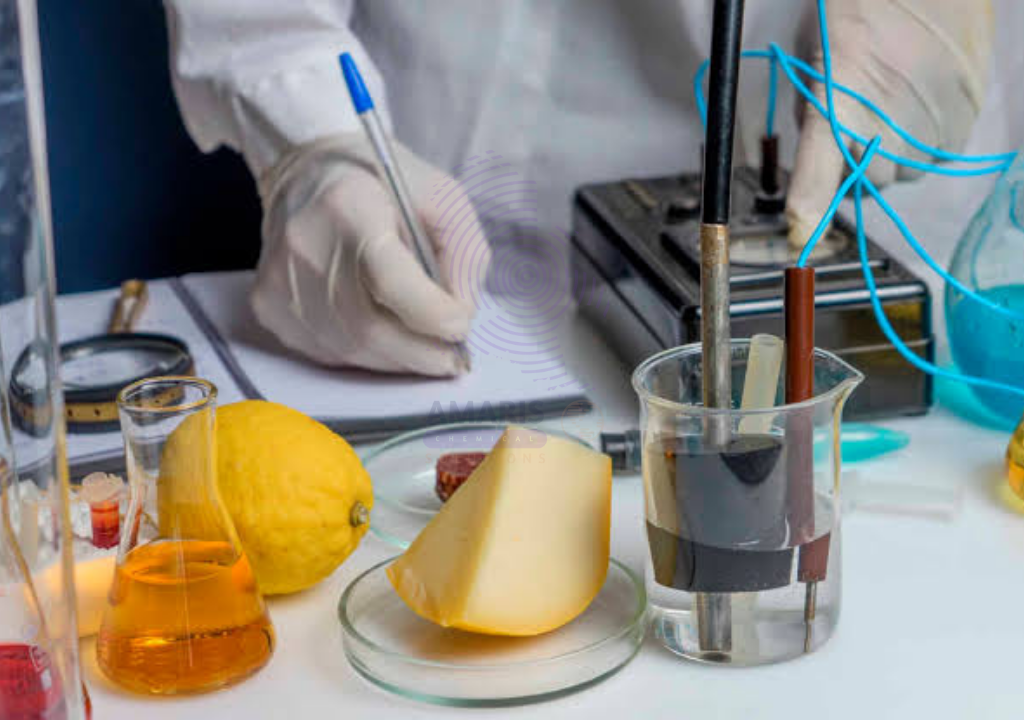
Food and beverage chemicals also play a key role in quality control and regulatory compliance. Every ingredient used in food production must meet strict safety standards set by health authorities. Chemical testing agents and analytical reagents are used to ensure that food products are free from harmful contaminants and meet required specifications. This helps maintain trust between manufacturers and consumers.
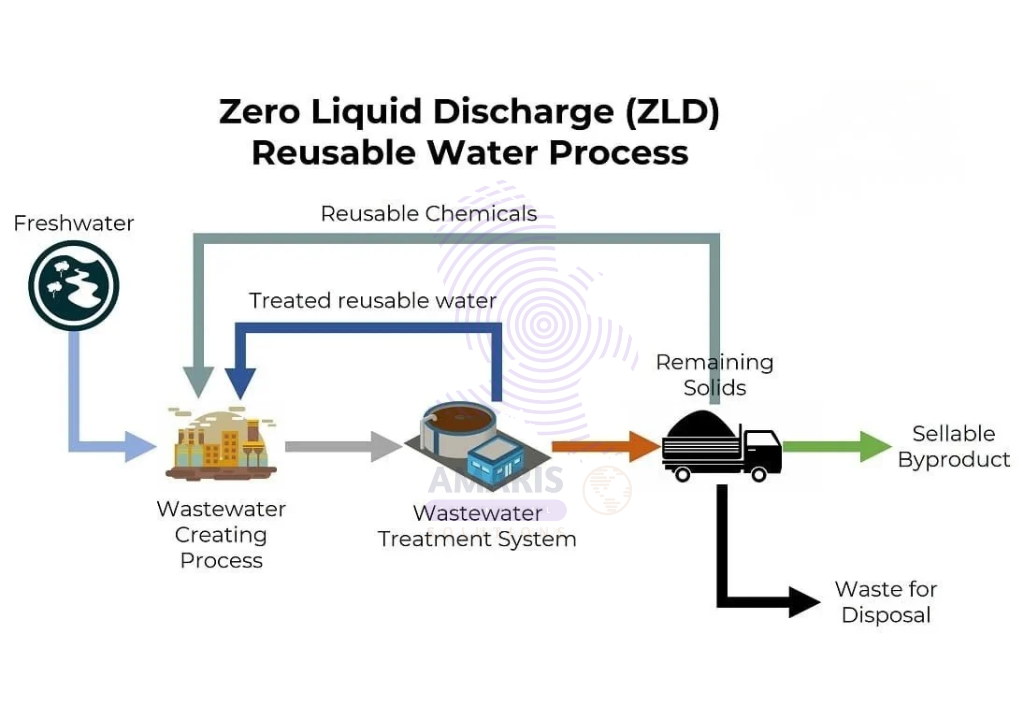
Sustainability is also becoming a major focus in the food chemical industry 🌱. Manufacturers are increasingly adopting natural preservatives, biodegradable additives, and cleaner production methods. These innovations help reduce environmental impact while maintaining food safety and quality. At the same time, improved processing efficiency is helping reduce food waste across global supply chains.
In conclusion, food and beverage chemicals are essential to safe, efficient, and large-scale food production. They ensure that food remains safe from contamination, consistent in quality, appealing in appearance, and stable throughout its shelf life. From preservation and flavor enhancement to nutritional fortification and hygiene control, these chemicals are a vital part of the modern food system. As global demand for safe and high-quality food continues to grow, food and beverage chemicals will remain at the heart of innovation in the industry 🍞🧪🥤