Preservatives(food)
 Flavors
 Acidulants
 Sweeteners
 Antioxidants
 Colorants(food)
 Nutraceutical Ingredients (food)
 Nutrient Supplements
 Emulsifiers
 Collectors
 Dust Suppressants
 Explosives and Blasting Agents
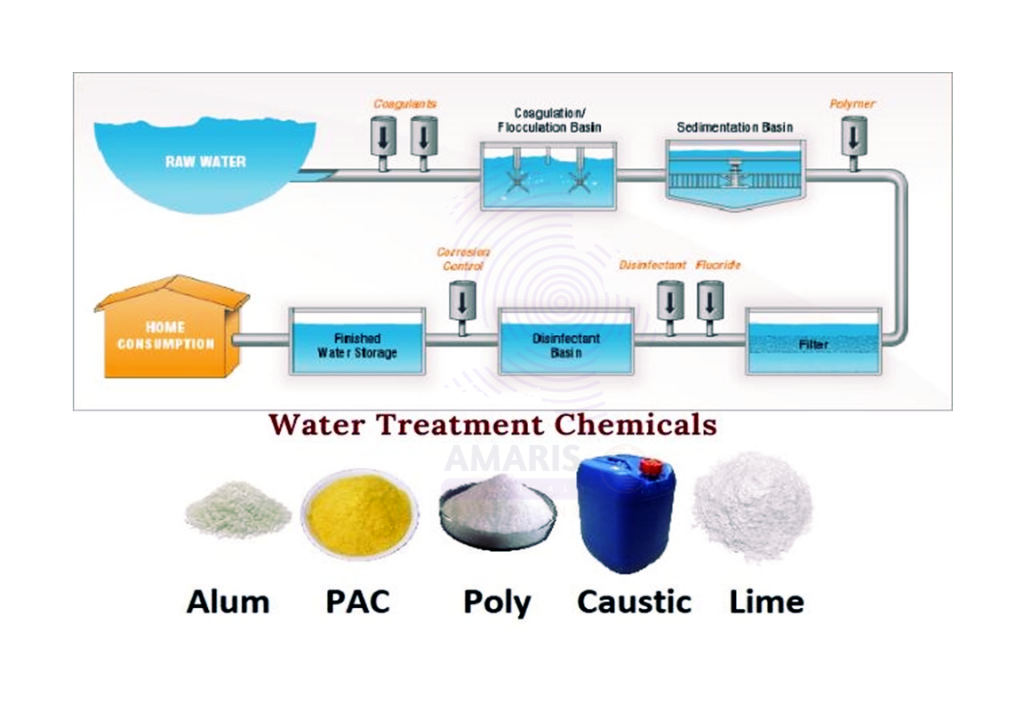
 Flocculants and Coagulants
 Frothers
 Leaching Agents
 pH Modifiers
 Precious Metal Extraction Agents
 Antioxidants(plastic)
 Colorants (Pigments, Dyes)
 Fillers and Reinforcements
 Flame Retardants
 Monomers
 Plasticizers
 Polymerization Initiators
 Stabilizers (UV, Heat)
 Antifoaming Agents
 Chelating Agents
 Coagulants and Flocculants
 Corrosion Inhibitors
 Disinfectants and Biocides
 Oxidizing Agents
 pH Adjusters
 Scale Inhibitors( water)
 Antioxidants(cosmetic)
 Emollients
 Oils
Oils Carrier Oills
 Essential Oils
 Humectants
 Preservatives
 Surfactants(cosmetic)
 Thickeners
 UV Filters
 Fragrance (Cosmetics)
 Fertilizers
 Soil Conditioners
 Plant Growth Regulators
 Animal Feed Additives
 Biostimulants
 Pesticides (Herbicides, Insecticides, Fungicides)
 Active Pharmaceutical Ingredients (APIs)
 Excipients
 Solvents(pharmaceutical)
 Antibiotics
 Antiseptics and Disinfectants
 Vaccine Adjuvants
 Nutraceutical Ingredients (pharmaceutical)
 Analgesics & Antipyretics
 Analytical Reagents
 Solvents(lab)
 Chromatography Chemicals
 Spectroscopy Reagents
 microbiology-and-cell-culture-reagents
 Molecular Biology Reagents
 Biochemical Reagents
 Inorganic and Organic Standards
 Laboratory Safety Chemicals
 Specialty Laboratory Chemicals(Special Laboratory Equipment)
 Demulsifiers
 Hydraulic Fracturing Fluids
 Scale Inhibitors(oil)
 Surfactants(oil)
 Drilling Fluids
 Dyes and Pigments
 Bleaching Agents
 Softening Agents
 Finishing Agents
 Antistatic Agents
 Admixtures
 Waterproofing Agents
 Sealants and Adhesives
 Curing Compounds
 Concrete Repair Chemicals
 Anti-Corrosion Coatings
 Surfactants(cleaning)
 Builders
 Enzymes
 Solvents (Cleaning)
 Electronic Chemicals
 Catalysts
 Lubricants
 Photographic Chemicals
 Refrigerants
 Automotive chemicals
 Pyrotechnic Chemicals
 Biodegradable Surfactants
 Bio-based Solvents
 Renewable Polymers
 Carbon Capture Chemicals
 Wastewater Treatment Chemicals
 Pigments
 Solvents(paint)
 Specialty Coatings
 Binders/Resins
 Additives
 Driers
 Anti-Corrosion Agents
 Functional Coatings
 Application-Specific Coatings
 Leavening Agents
 Dough Conditioners
 Flour Treatments
 Fat Replacers
 Decoratives
 Preservatives(baking)
 Plasticizers & Softeners
 Reinforcing Agents
 Adhesion Promoters
 Vulcanizing Agents
 Antidegradants
 Blowing Agents
 Fillers & Extenders
 Accelerators & Retarders
🧪 The Importance of High-Purity Chemicals in Modern Laboratories 🔬✨

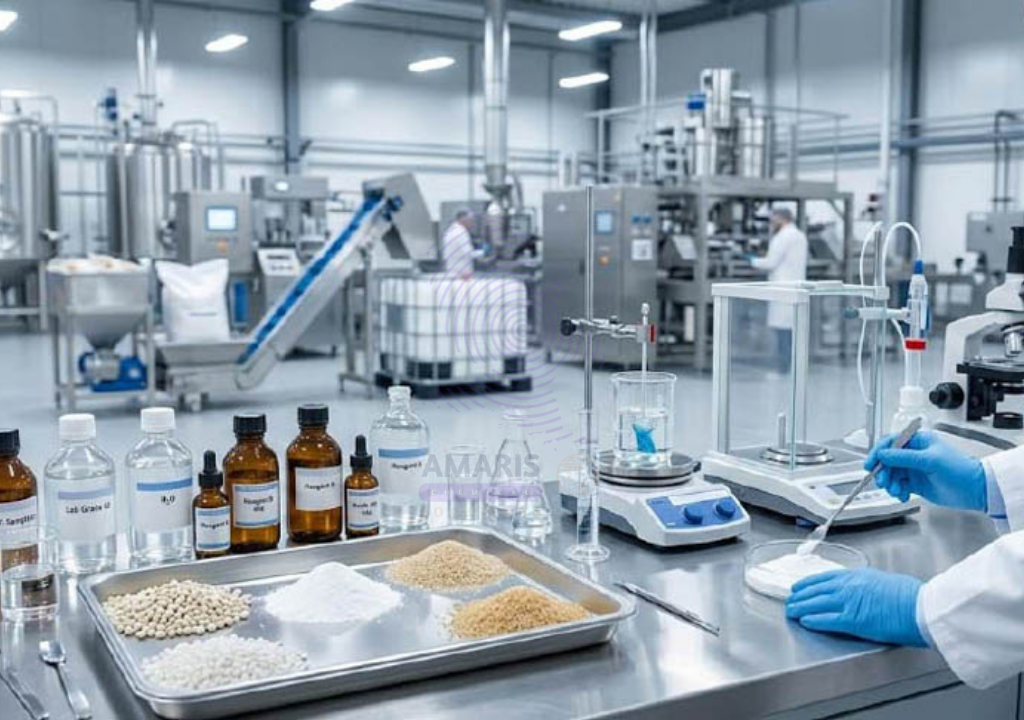
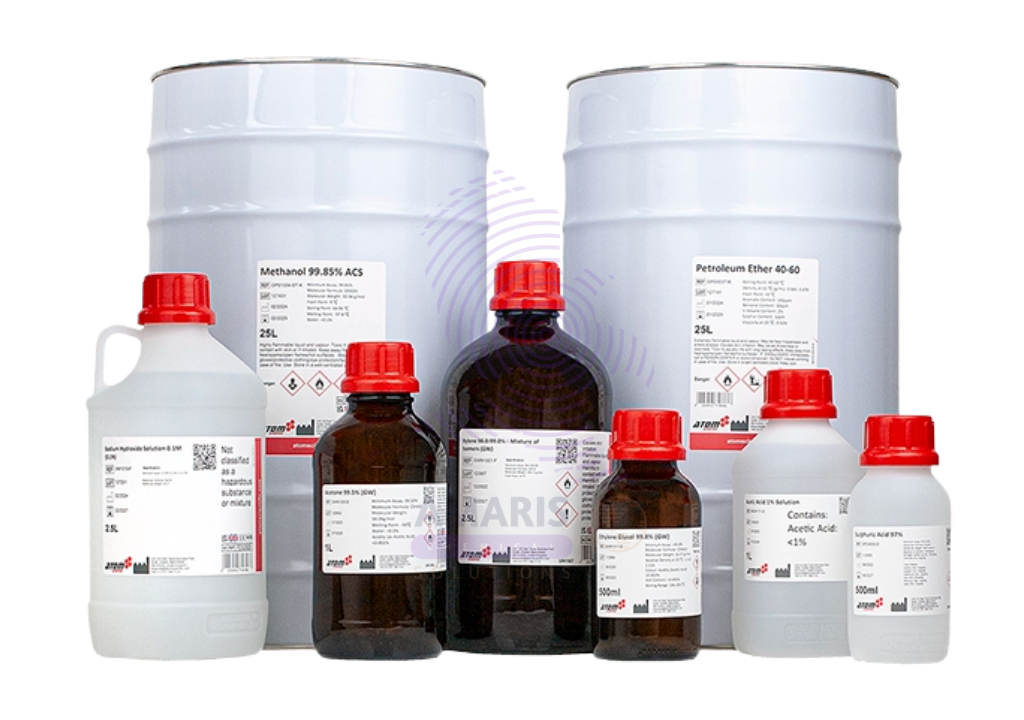
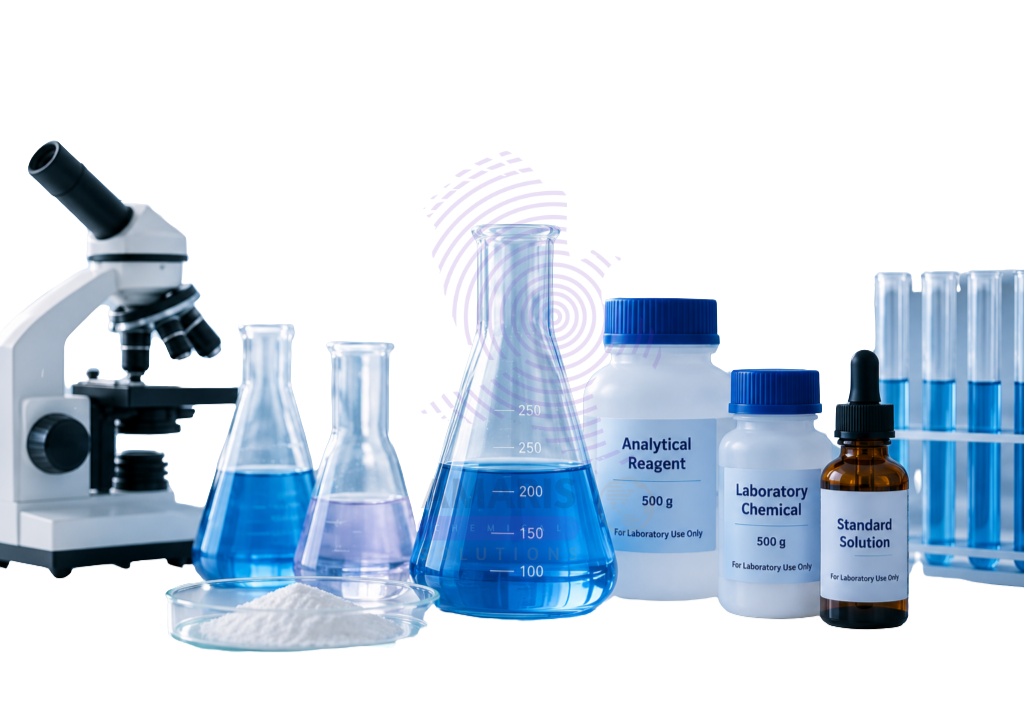
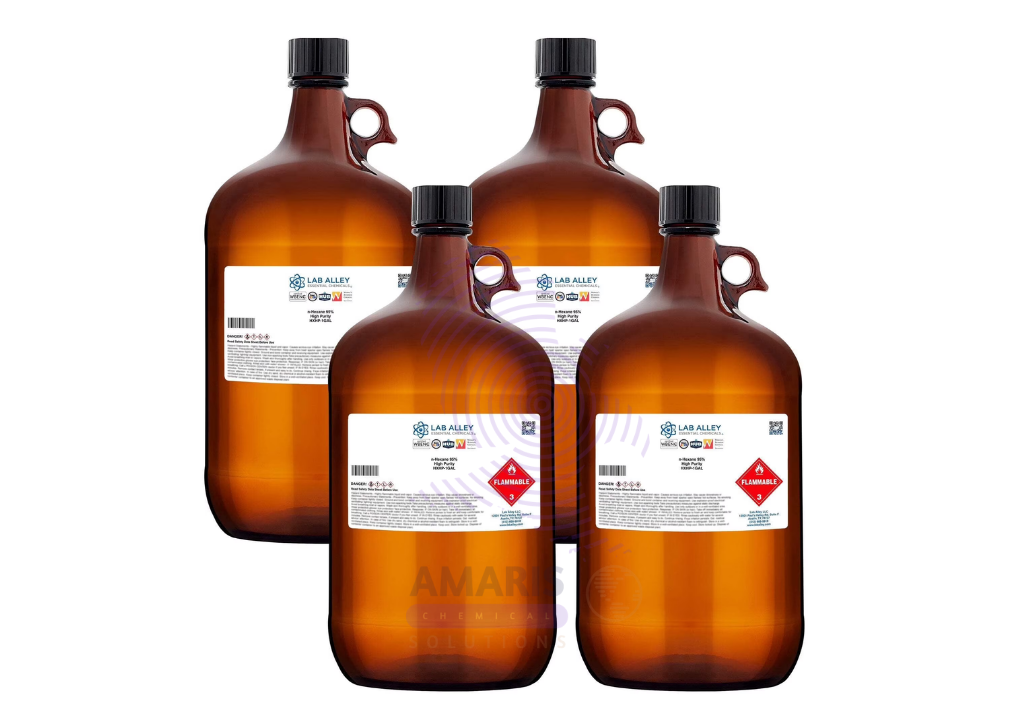
Modern laboratories are at the forefront of scientific discovery, medical research, industrial innovation, and quality assurance. Whether developing new medicines, analyzing environmental samples, testing food products, or conducting academic research, one factor remains constant—the need for high-purity chemicals. These specialized chemicals are manufactured with extremely low levels of impurities, allowing scientists and laboratory professionals to obtain accurate, reliable, and reproducible results.
In laboratory science, precision is everything. Even trace amounts of unwanted contaminants can alter chemical reactions, interfere with sensitive instruments, and lead to inaccurate conclusions. High-purity chemicals minimize these risks by providing consistent composition and dependable performance. This is why research institutions, universities, pharmaceutical companies, healthcare laboratories, and industrial testing facilities rely on high-purity reagents to maintain the integrity of their work.
One of the most important advantages of high-purity chemicals is their ability to improve analytical accuracy. Modern analytical techniques such as chromatography, spectroscopy, titration, and mass spectrometry require reagents with exceptional purity to produce precise measurements. When impurities are present, they can create unwanted reactions or background interference, making it difficult to interpret results correctly. Using high-purity chemicals helps laboratories generate data that can be trusted, repeated, and verified by other researchers around the world. 🔬⚗️
High-purity chemicals are also essential in pharmaceutical research and healthcare. During drug development, scientists perform thousands of laboratory tests to evaluate the safety, effectiveness, and stability of new medicines. Analytical-grade reagents are used to verify raw materials, monitor chemical reactions, detect impurities, and ensure that pharmaceutical products meet strict regulatory standards. Clinical and diagnostic laboratories also depend on high-purity chemicals to perform accurate tests that support disease diagnosis and patient care. The reliability of these chemicals directly contributes to better healthcare outcomes.
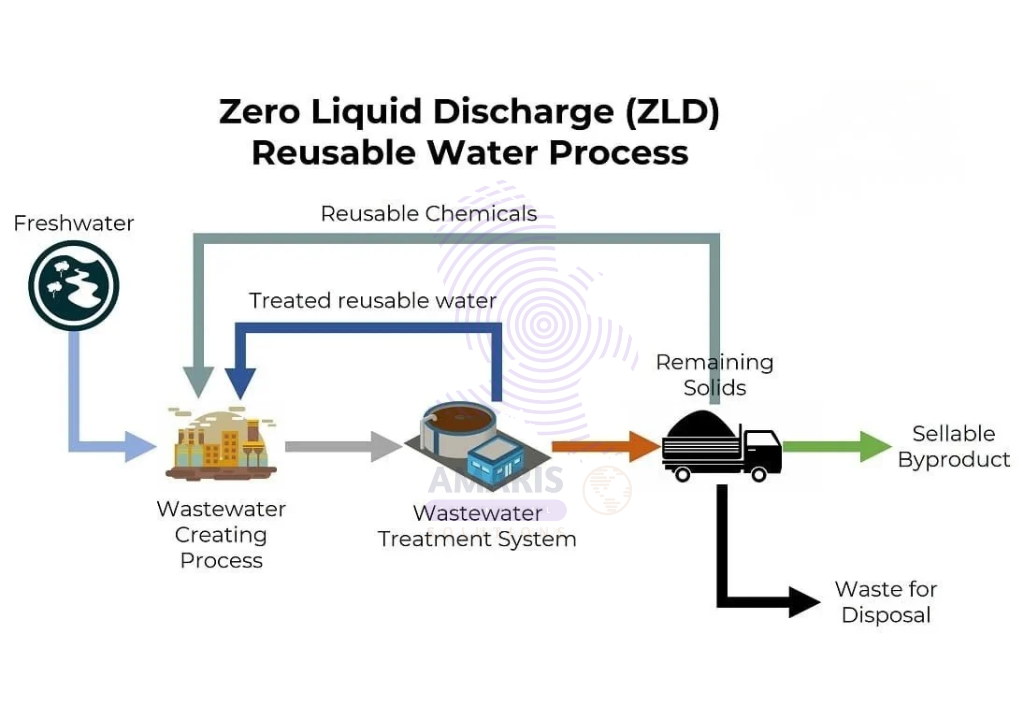
Environmental monitoring is another field where high-purity chemicals play a critical role. Laboratories responsible for testing drinking water, wastewater, soil, and air quality require highly refined reagents to detect contaminants at extremely low concentrations. Accurate environmental analysis supports pollution control, protects natural resources, and helps industries comply with environmental regulations. As governments place greater emphasis on sustainability and environmental protection, the demand for reliable laboratory chemicals continues to grow. 🌍💧
Industrial quality control laboratories also depend on high-purity chemicals to ensure that products meet required specifications before reaching the market. Industries such as food and beverage, cosmetics, mining, petrochemicals, and manufacturing perform routine laboratory analyses to verify product composition, detect contaminants, and maintain consistent quality. High-purity reagents reduce testing errors and help manufacturers produce safe, reliable, and high-quality products for consumers.
In research and education, high-purity chemicals enable scientists and students to conduct experiments with confidence. Universities and research institutions use these chemicals to teach laboratory techniques, investigate scientific theories, and develop innovative technologies. Because research findings must be reproducible, using chemicals with consistent purity allows experiments to be repeated under the same conditions, strengthening the credibility of scientific discoveries. 📚🧪
Proper storage and handling are equally important in maintaining the quality of high-purity chemicals. They should be stored in clean, dry environments away from incompatible substances and handled using appropriate personal protective equipment (PPE). Containers should remain tightly sealed to prevent contamination, and laboratory personnel should always follow the manufacturer’s storage recommendations. Good laboratory practices help preserve chemical integrity and ensure reliable performance throughout the product’s shelf life.
As science and technology continue to advance, the demand for high-purity chemicals is increasing rapidly. Emerging fields such as biotechnology, nanotechnology, molecular biology, renewable energy, and advanced materials research require exceptionally pure reagents to support highly sensitive experiments. Innovations in laboratory instrumentation are also driving the need for chemicals that meet increasingly stringent quality standards, allowing researchers to achieve greater levels of precision than ever before. 🚀🔬
In conclusion, high-purity chemicals are the foundation of modern laboratory science. They improve analytical accuracy, support pharmaceutical development, strengthen environmental testing, enhance industrial quality control, and enable groundbreaking scientific research. Their exceptional consistency and reliability help laboratories produce results that are accurate, reproducible, and internationally recognized. As scientific innovation continues to expand across every industry, high-purity chemicals will remain indispensable in advancing knowledge, improving product quality, and shaping the future of research and technology. 🧪✨🌍