

 Preservatives(food)
 Flavor Enhancers
 Acidulants
 Sweeteners
 Antioxidants
 Colorants(food)
 Nutraceutical Ingredients (food)
 Nutrient Supplements
 Emulsifiers
 Collectors
 Dust Suppressants
 Explosives and Blasting Agents
 Flocculants and Coagulants
 Frothers
 Leaching Agents
 pH Modifiers
 Precious Metal Extraction Agents
 Antioxidants(plastic)
 Colorants (Pigments, Dyes)
 Fillers and Reinforcements
 Flame Retardants
 Monomers
 Plasticizers
 Polymerization Initiators
 Stabilizers (UV, Heat)
 Antifoaming Agents
 Chelating Agents
 Coagulants and Flocculants
 Corrosion Inhibitors
 Disinfectants and Biocides
 Oxidizing Agents
 pH Adjusters
 Scale Inhibitors( water)
 Antioxidants(cosmetic)
 Emollients
 Fragrances and Essential Oils
 Humectants
 Preservatives
 Surfactants(cosmetic)
 Thickeners
 UV Filters
 Fertilizers
 Soil Conditioners
 Plant Growth Regulators
 Animal Feed Additives
 Biostimulants
 Pesticides (Herbicides, Insecticides, Fungicides)
 Active Pharmaceutical Ingredients (APIs)
 Excipients
 Solvents(pharmaceutical)
 Antibiotics
 Antiseptics and Disinfectants
 Vaccine Adjuvants
 Nutraceutical Ingredients (pharmaceutical)
 Analgesics & Antipyretics
 Analytical Reagents
 Solvents(lab)
 Chromatography Chemicals
 Spectroscopy Reagents
 microbiology-and-cell-culture-reagents
 Molecular Biology Reagents
 Biochemical Reagents
 Inorganic and Organic Standards
 Laboratory Safety Chemicals
 Specialty Laboratory Chemicals(Special Laboratory Equipment)
 Demulsifiers
 Hydraulic Fracturing Fluids
 Scale Inhibitors(oil)
 Surfactants(oil)
 Drilling Fluids
 Dyes and Pigments
 Bleaching Agents
 Softening Agents
 Finishing Agents
 Antistatic Agents
 Admixtures
 Waterproofing Agents
 Sealants and Adhesives
 Curing Compounds
 Concrete Repair Chemicals
 Anti-Corrosion Coatings
 Surfactants(cleaning)
 Builders
 Enzymes
 Solvents (Cleaning)
 Fragrances
 Electronic Chemicals
 Catalysts
 Lubricants
 Photographic Chemicals
 Refrigerants
 Automotive chemicals
 Pyrotechnic Chemicals
 Biodegradable Surfactants
 Bio-based Solvents
 Renewable Polymers
 Carbon Capture Chemicals
 Wastewater Treatment Chemicals
 Pigments
 Solvents(paint)
 Specialty Coatings
 Binders/Resins
 Additives
 Driers
 Anti-Corrosion Agents
 Functional Coatings
 Application-Specific Coatings
 Leavening Agents
 Dough Conditioners
 Flour Treatments
 Fat Replacers
 Decoratives
 Preservatives(baking)
 Plasticizers & Softeners
 Reinforcing Agents
 Adhesion Promoters
 Vulcanizing Agents
 Antidegradants
 Blowing Agents
 Fillers & Extenders
 Accelerators & Retarders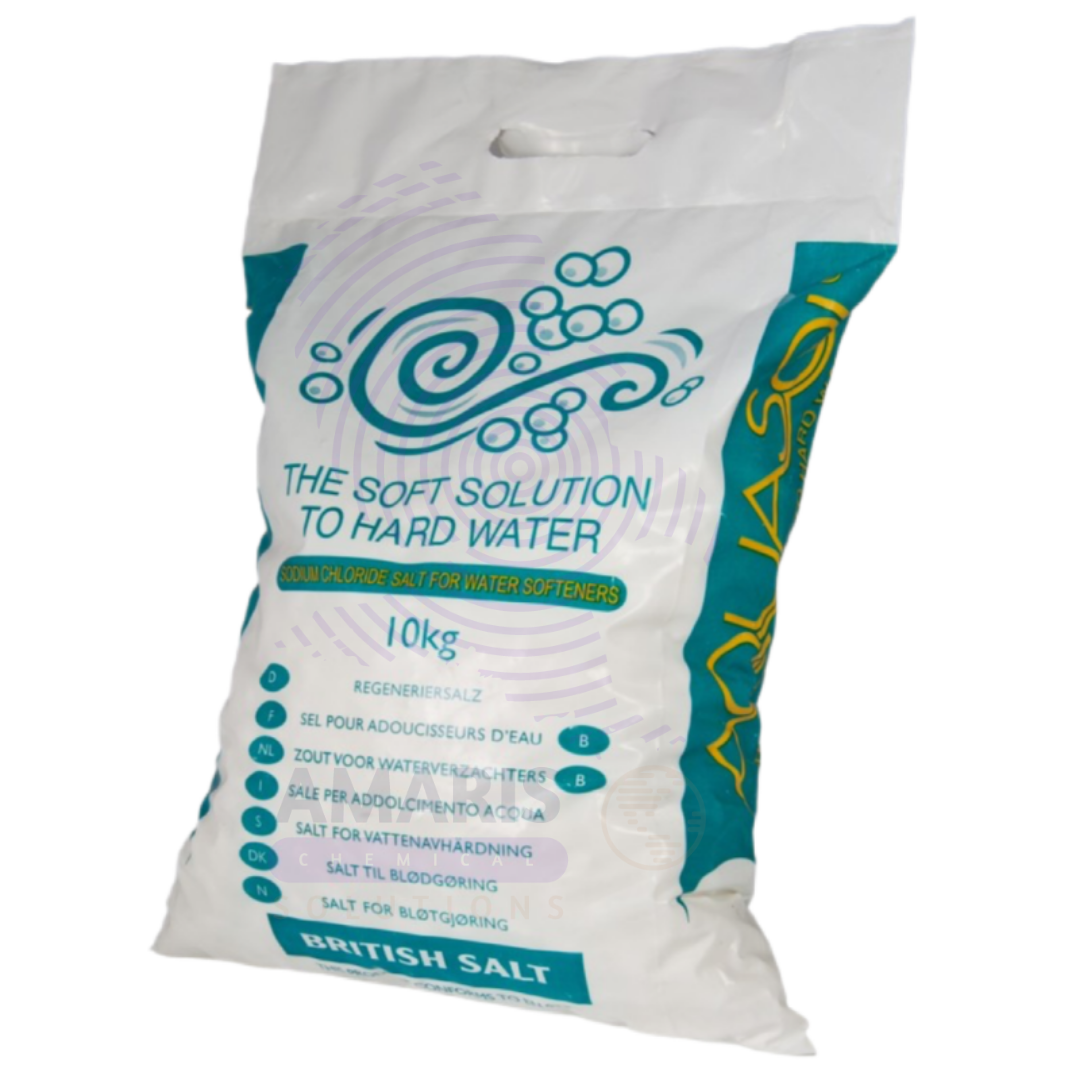


Aquasol
Aquasol is a water-soluble, high-purity soluble powder typically formulated for use as a mineral supplement or a delivery system in various industries. It often contains vitamins, minerals, or other active ingredients in a readily bioavailable aqueous form. Aquasol products are known for their excellent solubility in water, rapid absorption, and versatility in applications ranging from pharmaceuticals to food fortification and animal nutrition. The exact composition can vary depending on the intended use, but the common trait is its ability to dissolve quickly and evenly in aqueous media.
Aquasol
Primary Uses
- Pharmaceuticals & Nutritional Supplements
- Used as a water-soluble mineral or vitamin supplement for oral or parenteral formulations.
- Enhances bioavailability of nutrients in dietary supplements.
- Employed in effervescent tablets and powders for rapid dissolution in water.
- Food & Beverage Industry
- Used for fortification of beverages, juices, and liquid nutritional products.
- Acts as a stabilizer or nutrient delivery agent in functional drinks and health tonics.
- Improves solubility and uniform distribution of active ingredients in fortified foods.
- Animal Feed & Agriculture
- Used as a mineral supplement in animal feeds to improve nutrition and growth performance.
- Facilitates quick absorption of trace elements in livestock and aquaculture.
- Employed in foliar sprays and soil amendments to supply soluble nutrients.
Secondary Uses
- Cosmetics & Personal Care
- Ingredient in hydrating and mineral-enriched cosmetic formulations.
- Used for skin-conditioning benefits due to mineral content.
- Industrial Applications
- Acts as a soluble agent in chemical processes requiring rapid dissolution of minerals.
- Used in water treatment as a source of soluble ions or reagents.
1. Basic Identification Attributes
- Chemical Name (IUPAC): Varies depending on formulation (e.g., mineral salts in aqueous soluble form)
- Common/Trade Names: Aquasol
- CAS Number: Varies (dependent on active ingredient)
- HS Code: Varies based on composition
- Molecular Formula: Varies by formulation
- Synonyms: Water-soluble mineral supplement, aqueous soluble powder
2. Physical & Chemical Properties
- Physical State: Fine to coarse powder
- Color & Odor: Usually white or off-white, odorless or slight characteristic smell depending on formulation
- Melting Point: Varies
- Boiling Point: N/A
- Density: Varies depending on formulation
- Solubility: Highly soluble in water; rapid dissolution
- pH Level: Typically neutral to slightly acidic/alkaline depending on composition
3. Safety & Hazard Attributes
- Hazard Class (GHS): Generally non-hazardous; depends on formulation
- NFPA Ratings: Typically Health 0-1, Flammability 0, Reactivity 0
- Exposure Limits: Not generally applicable; follow active ingredient guidelines
- Reactivity: Stable under normal conditions; avoid incompatible substances per active ingredients
- Incompatibilities: Formulation-dependent
4. Storage & Handling Attributes
- Storage Conditions: Store in a cool, dry place, away from moisture and direct sunlight
- Container Type: Airtight, moisture-proof packaging (e.g., sealed bags or containers)
- Shelf Life: Typically 1-3 years if stored properly
- Special Handling: Avoid moisture contact; handle powder with care to prevent dust inhalation
5. Regulatory & Compliance Attributes
- FDA/EFSA: Compliance depends on active ingredient; commonly approved as food or pharma grade
- Hazard Symbols (GHS): Usually none unless specific components require labeling
- Transportation Restrictions: Generally not restricted unless containing hazardous substances
- Waste Disposal: Dispose according to local regulations; biodegradable or non-hazardous in most cases
6. Environmental & Health Impact
- Ecotoxicity: Low for typical mineral compositions
- Persistence: Biodegradable or naturally assimilated depending on formulation
- Carcinogenicity/Mutagenicity: Not classified as hazardous
- Biodegradability: Readily biodegradable
Safety Handling Precautions
- Use gloves and dust masks when handling powder to avoid inhalation or skin contact.
- Work in well-ventilated areas to prevent dust accumulation.
- Store sealed and dry to prevent clumping or degradation.
- Wash hands after handling.
First Aid Measures
- Inhalation: Move to fresh air; seek medical attention if irritation or breathing difficulty occurs.
- Skin Contact: Wash with soap and water; seek medical advice if irritation develops.
- Eye Contact: Rinse with plenty of water for at least 15 minutes; consult a doctor if irritation persists.
- Ingestion: Rinse mouth; if large quantities ingested and symptoms occur, seek medical attention.
Firefighting Measures
- Fire Hazards: Generally non-flammable; check formulation for any combustible components.
- Extinguishing Media: Water spray, foam, dry chemical powder.
- Special Precautions: Firefighters should use protective equipment if powder is airborne or formulation contains hazardous additives.
Related products
Ferric Ammonium Citrate
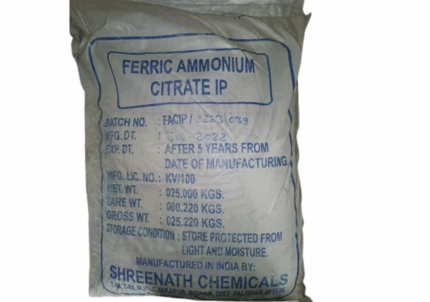
Ferric Ammonium Citrate is a dark green to black crystalline or granular inorganic compound composed of iron, ammonium ions, and citrate ions. It is a complex salt of citric acid with ferric iron (Fe³⁺) and ammonium. This compound is highly soluble in water, forming a greenish solution, and is widely utilized as a source of iron in various chemical, pharmaceutical, photographic, and food applications. It acts as a mild oxidizing agent and an iron supplement, valued for its bioavailability and ease of incorporation into formulations. Ferric Ammonium Citrate is typically available in different formulations distinguished by their water and ammonium content, such as green and brown types.
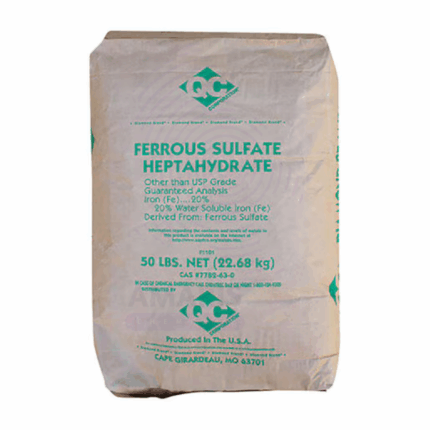
Ferrous Sulphate Heptahydrate
Ferrous Sulphate Heptahydrate, also known as iron(II) sulfate heptahydrate, is a pale green crystalline solid containing seven molecules of water of crystallization (FeSO₄·7H₂O). It is a widely used inorganic iron compound characterized by its high iron content (approximately 20% Fe) and good solubility in water. This hydrated salt is commonly used in agriculture, pharmaceuticals, water treatment, and various industrial processes. The heptahydrate form is preferred for many applications due to its stability, ease of handling, and cost-effectiveness.
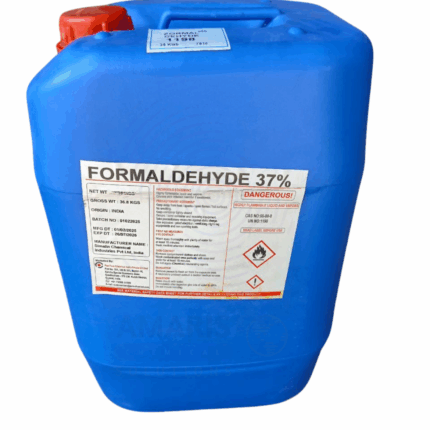
Formaldehyde (Formalin)
Formaldehyde (Formalin) is an aqueous solution containing approximately 37% formaldehyde by weight, stabilized typically with 10-15% methanol to prevent polymerization. It is a clear, colorless liquid with a pungent, penetrating odor. Formaldehyde is a simple aldehyde widely used as a disinfectant, preservative, and chemical intermediate. Formalin’s powerful antimicrobial and tissue-fixation properties make it essential in medical, laboratory, industrial, and manufacturing applications. It is one of the most commonly used chemicals worldwide for sterilization, embalming, and resin production.
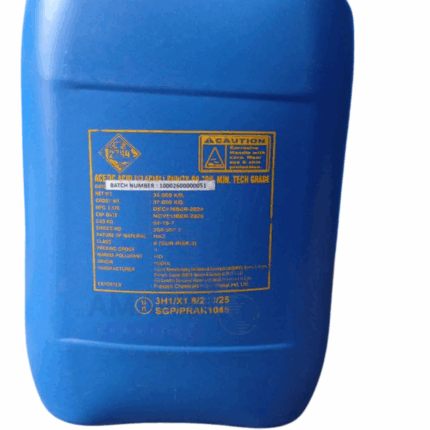
Glacial Acetic Acid Tech grade
Glacial Acetic Acid Tech grade is a clear, colorless liquid with a pungent vinegar-like odor. It is a less refined form of acetic acid primarily used for industrial and technical applications rather than food or pharmaceutical uses. Typically available in concentrations ranging from 80% to glacial (99-100%), it serves as a crucial chemical reagent, solvent, and intermediate in various industrial processes.
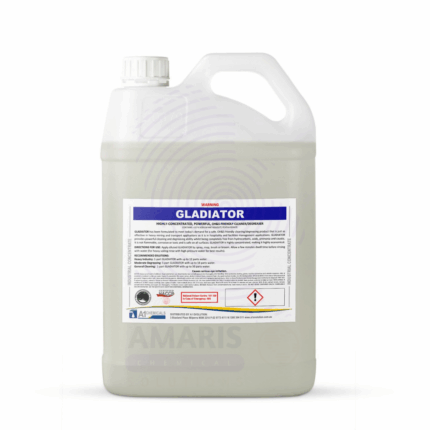
Gladiator
Gladiator is a high-performance structural adhesive based on methyl methacrylate (MMA) chemistry. Designed as a two-part reactive acrylic system, it offers exceptional bonding strength for demanding industrial and structural applications. With a shear strength exceeding 3,000 psi, Gladiator is particularly effective for bonding metals, plastics, and composite materials. It cures at room temperature and offers excellent resistance to mechanical stress, impact, vibration, and thermal cycling. Widely used in construction, automotive, marine, and maintenance applications, it features rapid setting, gap-filling capacity, and superior durability—even under harsh conditions.

Master Air
Master Air is a high-performance air release agent used primarily in concrete and construction applications. It facilitates the release of entrapped air bubbles from fresh concrete mixtures, improving workability, surface finish, and durability. This additive enhances the homogeneity of concrete by reducing air voids that can weaken the structure. Master Air is suitable for use in ready-mix concrete, precast elements, and other cementitious materials, contributing to improved mechanical properties and longevity of the final product.
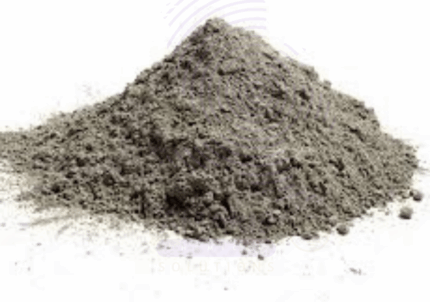
Master Cem Is3000
Master Cem IS3000 is a high-performance, advanced polymer-modified cementitious adhesive and bonding agent. It provides superior adhesion, flexibility, and durability for construction and repair applications. This product enhances bonding strength of cement-based materials to substrates like concrete, masonry, tiles, and metals. Suitable for interior and exterior use, it offers excellent resistance to water, weathering, and mechanical stress.
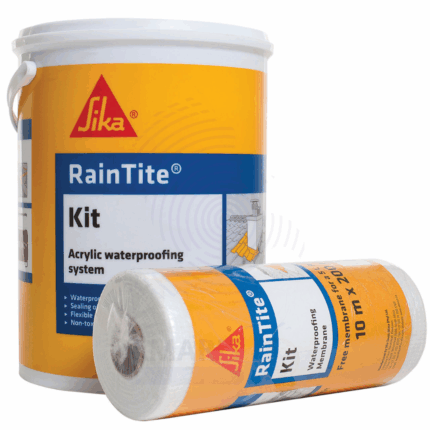
Sika Waterproofing Membrane
Sika Waterproofing Membrane is a flexible, high-performance sheet or liquid-applied membrane system designed to prevent water ingress in a wide range of below- and above-ground structures. Made from bituminous, PVC, TPO, or polyurethane-based materials depending on the system, Sika waterproofing membranes offer excellent durability, chemical resistance, and elasticity. They are used extensively in construction and civil engineering projects to protect structures from water damage, corrosion, and environmental degradation.












