

 Preservatives(food)
 Flavors
 Acidulants
 Sweeteners
 Antioxidants
 Colorants(food)
 Nutraceutical Ingredients (food)
 Nutrient Supplements
 Emulsifiers
 Collectors
 Dust Suppressants
 Explosives and Blasting Agents
 Flocculants and Coagulants
 Frothers
 Leaching Agents
 pH Modifiers
 Precious Metal Extraction Agents
 Antioxidants(plastic)
 Colorants (Pigments, Dyes)
 Fillers and Reinforcements
 Flame Retardants
 Monomers
 Plasticizers
 Polymerization Initiators
 Stabilizers (UV, Heat)
 Antifoaming Agents
 Chelating Agents
 Coagulants and Flocculants
 Corrosion Inhibitors
 Disinfectants and Biocides
 Oxidizing Agents
 pH Adjusters
 Scale Inhibitors( water)
 Antioxidants(cosmetic)
 Emollients
 Oils
Oils Carrier Oills
 Essential Oils
 Humectants
 Preservatives
 Surfactants(cosmetic)
 Thickeners
 UV Filters
 Fragrance (Cosmetics)
 Fertilizers
 Soil Conditioners
 Plant Growth Regulators
 Animal Feed Additives
 Biostimulants
 Pesticides (Herbicides, Insecticides, Fungicides)
 Active Pharmaceutical Ingredients (APIs)
 Excipients
 Solvents(pharmaceutical)
 Antibiotics
 Antiseptics and Disinfectants
 Vaccine Adjuvants
 Nutraceutical Ingredients (pharmaceutical)
 Analgesics & Antipyretics
 Analytical Reagents
 Solvents(lab)
 Chromatography Chemicals
 Spectroscopy Reagents
 microbiology-and-cell-culture-reagents
 Molecular Biology Reagents
 Biochemical Reagents
 Inorganic and Organic Standards
 Laboratory Safety Chemicals
 Specialty Laboratory Chemicals(Special Laboratory Equipment)
 Demulsifiers
 Hydraulic Fracturing Fluids
 Scale Inhibitors(oil)
 Surfactants(oil)
 Drilling Fluids
 Dyes and Pigments
 Bleaching Agents
 Softening Agents
 Finishing Agents
 Antistatic Agents
 Admixtures
 Waterproofing Agents
 Sealants and Adhesives
 Curing Compounds
 Concrete Repair Chemicals
 Anti-Corrosion Coatings
 Surfactants(cleaning)
 Builders
 Enzymes
 Solvents (Cleaning)
 Electronic Chemicals
 Catalysts
 Lubricants
 Photographic Chemicals
 Refrigerants
 Automotive chemicals
 Pyrotechnic Chemicals
 Biodegradable Surfactants
 Bio-based Solvents
 Renewable Polymers
 Carbon Capture Chemicals
 Wastewater Treatment Chemicals
 Pigments
 Solvents(paint)
 Specialty Coatings
 Binders/Resins
 Additives
 Driers
 Anti-Corrosion Agents
 Functional Coatings
 Application-Specific Coatings
 Leavening Agents
 Dough Conditioners
 Flour Treatments
 Fat Replacers
 Decoratives
 Preservatives(baking)
 Plasticizers & Softeners
 Reinforcing Agents
 Adhesion Promoters
 Vulcanizing Agents
 Antidegradants
 Blowing Agents
 Fillers & Extenders
 Accelerators & Retarders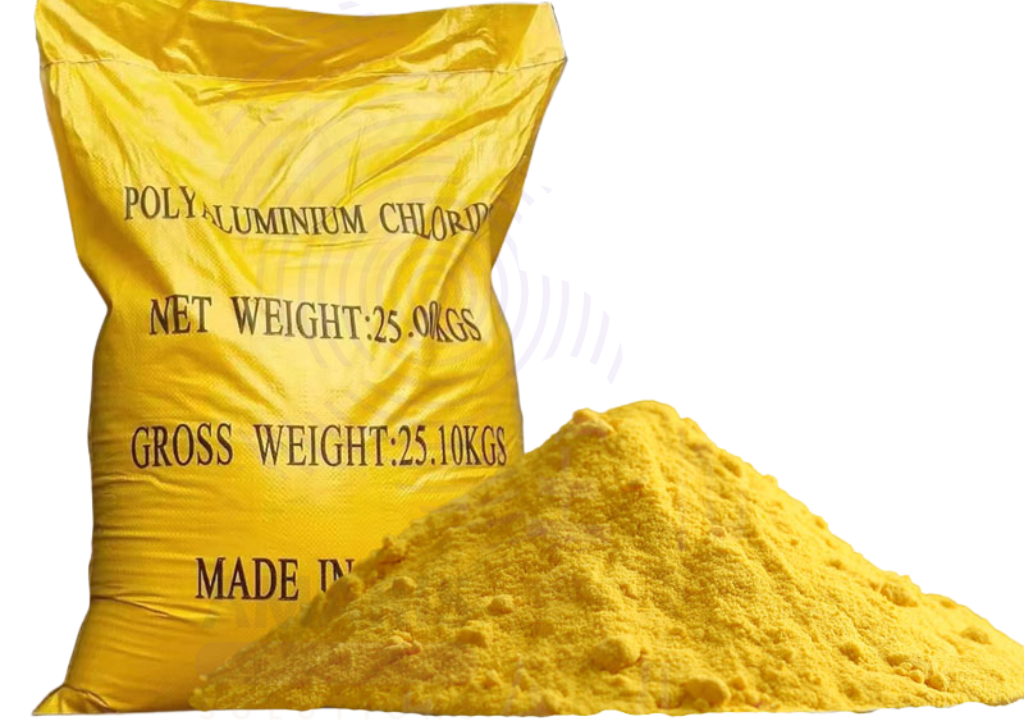


Poly Aluminum Chloride (PAC)
Poly Aluminum Chloride (PAC) is an inorganic polymer coagulant used extensively for water treatment and purification. It is a highly efficient flocculating agent, derived from aluminum salts and partially neutralized with chloride, forming polymerized aluminum complexes. PAC is preferred over traditional alum for its rapid floc formation, broader pH range, and lower sludge production. Available in both liquid and powder forms, it is widely applied in municipal, industrial, and commercial sectors for clarification, separation, and purification processes.
Poly Aluminum Chloride (PAC)
Primary Uses
- Municipal Water Treatment
- Used to purify drinking water by removing turbidity, suspended solids, and pathogens.
- Offers superior performance over alum at low temperatures and varying pH levels.
- Reduces aluminum residuals in treated water, making it safer for consumption.
- Wastewater Treatment
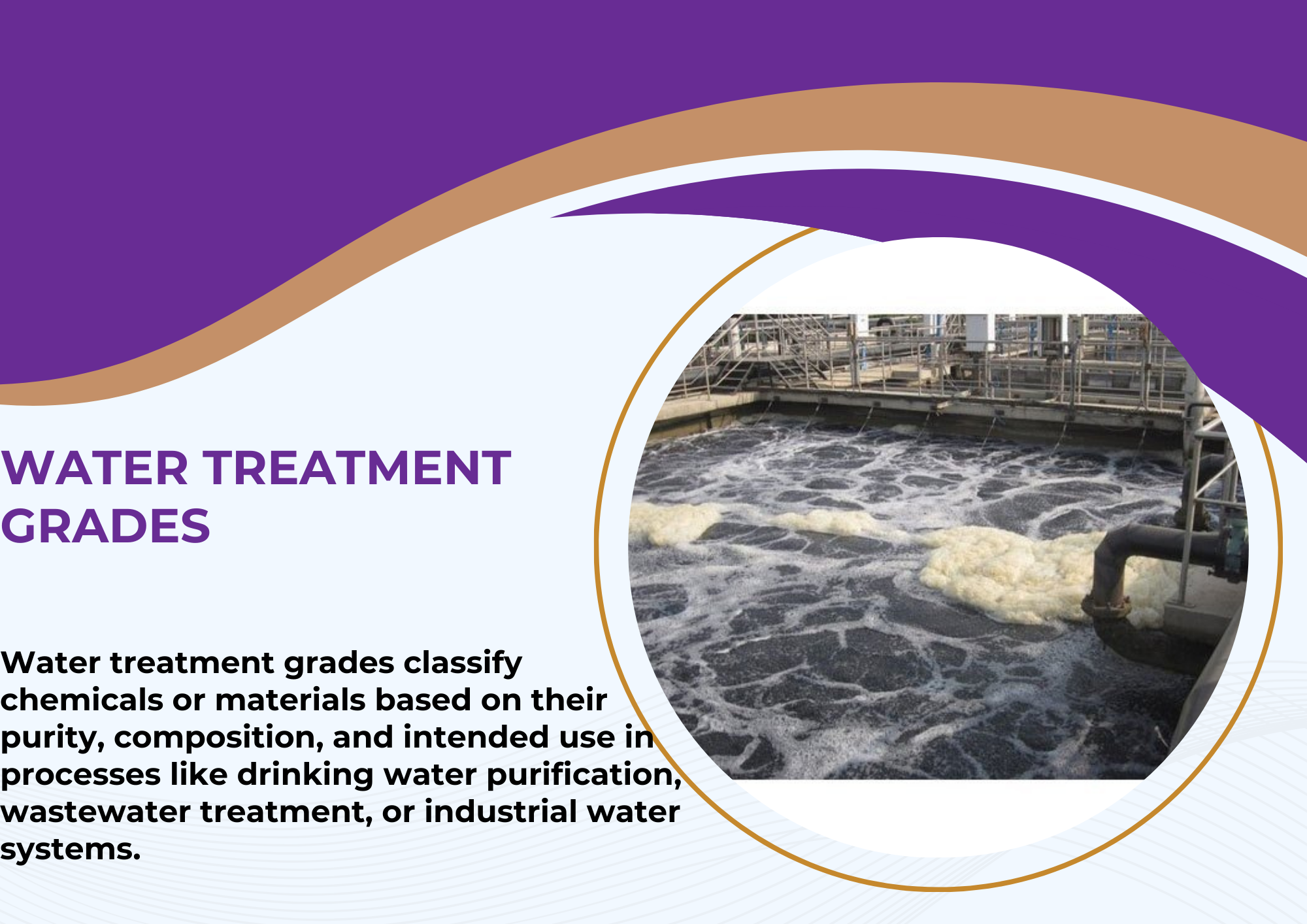
- Commonly applied in sewage and industrial wastewater plants to remove color, heavy metals, organic matter, and suspended particles.
- Effective in the treatment of oily and high-COD wastewater (e.g., textile, leather, chemical industries).
- Helps in sludge thickening and dewatering processes.
- Paper Industry
- Used in paper sizing and retention systems to enhance paper strength and reduce fiber loss.
- Improves retention of fillers and fines, resulting in better paper quality and machine efficiency.
- Textile & Dyeing Industry
- Employed to remove anionic dyes, reduce BOD/COD levels, and clarify colored effluents.
- Provides excellent color removal efficiency in synthetic and reactive dye wastewater.
- Oil & Gas Industry
- Used in oilfield water treatment to remove emulsified oil and suspended solids.
- Functions as a flocculant in drilling fluid clarification and produced water treatment.
- Cosmetic & Pharmaceutical Water Purification
- In pre-treatment stages for ultra-pure water systems.
- Ensures removal of particles and bacteria prior to membrane filtration.
Secondary Uses
- Swimming Pool Water Treatment
- Helps in clarifying pool water by flocculating fine particles and impurities.
- Reduces chlorine demand by removing organics.
- Mining & Metallurgy
- Used in ore washing and separation processes, and for treating tailing water.
- Assists in removing heavy metals and improving water reuse.
- Food & Beverage Industry
- Applied in water treatment for bottled water plants and beverage production, under regulated conditions.
- Ensures microbial safety and visual clarity.
- Sugar Industry
- Utilized to purify cane juice by removing colloidal particles during juice clarification.
- Helps in reducing scaling in evaporators.
- Tanning Industry
- Employed in effluent treatment to remove chromium, fats, and dyes.
- Assists in water recycling systems in leather processing.
1. Basic Identification Attributes
- Chemical Name (IUPAC): Poly(aluminum chloride)
- Common/Trade Name: PAC
- CAS Number: 1327-41-9
- HS Code: 2827.49.00 (Chlorides of aluminum)
- Synonyms: Polyaluminium chloride; PACL; Basic aluminum chloride
2. Physical & Chemical Properties
- Physical State: Available in powder or liquid form
- Color & Odor: Light yellow to white (powder); odorless
- pH (1% solution): ~3.5–5.0
- Solubility: Completely soluble in water
- Al₂O₃ Content: 28–31% (for high-grade powder)
- Basicity: 40–90% depending on grade
- Density (Liquid): ~1.2 g/cm³
3. Safety & Hazard Attributes
- GHS Classification: Not classified as hazardou
- Toxicity: Low toxicity; avoid ingestion and contact with eyes or skin
- Exposure Limits: Use appropriate precautions in case of prolonged exposure
4. Storage & Handling Attributes
- Storage Conditions: Store in cool, dry, and well-ventilated area; avoid moisture for powdered form
- Container Type: HDPE drums, IBC totes, or moisture-proof bags for powder
- Shelf Life:
- Liquid: 6–12 months
- Powder: Up to 24 months if sealed properly
- Handling Precautions: Use gloves and eye protection during handling; avoid inhaling powder dust
5. Regulatory & Compliance Attributes
- Complies with:
- NSF/ANSI 60 for drinking water additives (select grades)
- ISO standards for water treatment chemicals
- REACH registered (for industrial use in EU)
6. Environmental & Health Impact
- Biodegradability: Inorganic – not biodegradable but environmentally stable
- Ecotoxicity: Low at recommended dosages
- Sludge Reduction: Produces less sludge compared to traditional alum
- Bioaccumulation: Not expected
Safety Handling Precautions
- PPE Required: Safety goggles, gloves, and dust mask (for powder)
- Handling Guidelines: Avoid direct skin contact and inhalation; handle with care in damp environments
- Storage Measures: Keep container tightly sealed; store off the floor to avoid moisture contact
First Aid Measures
- Inhalation: Move to fresh air; seek medical help if symptoms persist
- Skin Contact: Rinse with water and soap; seek medical attention for irritation
- Eye Contact: Flush eyes with plenty of water for at least 15 minutes
- Ingestion: Rinse mouth; do not induce vomiting; seek immediate medical help
Firefighting Measures
- Fire Hazards: Non-flammable
- Extinguishing Media: Use water spray, foam, or dry chemical (for surrounding fire)
- Special Precautions: Use protective gear; avoid contact with spilled material
- Hazardous Combustion Products: May release hydrochloric acid fumes at high temperatures
Related products
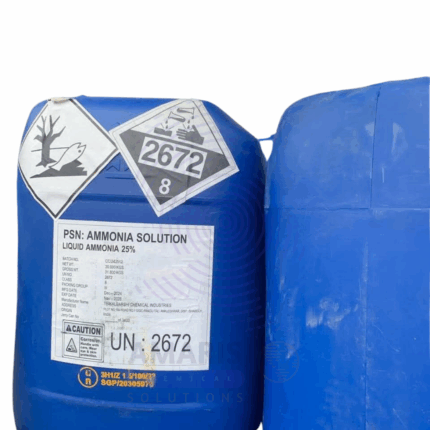
Ammonia solution
Ammonia solutions, often referred to as aqueous ammonia or ammonium hydroxide, are clear, colorless liquids consisting of ammonia gas dissolved in water. The concentration of ammonia in these solutions typically ranges from 5% to 35% by weight. Ammonia solutions possess a pungent odor characteristic of ammonia gas and are alkaline with a pH typically between 11 and 12.5. This solution is widely used across various industries due to its excellent cleaning properties, reactivity, and role as a nitrogen source.
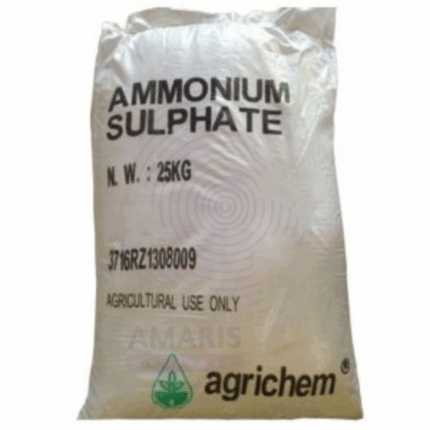
Ammonium Sulphate
Ammonium Sulphate is an inorganic salt with the formula (NH₄)₂SO₄. It appears as a white crystalline solid, highly soluble in water, and is widely used as a fertilizer due to its high nitrogen and sulfur content. Besides agriculture, ammonium sulphate finds extensive use in industrial processes, food additives, pharmaceutical applications, and water treatment. It acts as a soil amendment to improve nitrogen levels and acidity, a flocculating agent in water purification, and a stabilizer or precipitant in biochemical and pharmaceutical formulations.
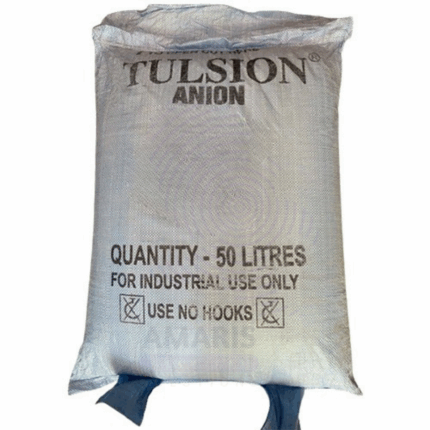
Anion
Anions are negatively charged ions formed when an atom or molecule gains one or more electrons. They play vital roles in chemistry, biology, and industrial processes. Anions are key participants in ionic bonding, acid-base chemistry, and electrochemical reactions. Common anions include chloride (Cl⁻), sulfate (SO₄²⁻), nitrate (NO₃⁻), and phosphate (PO₄³⁻). Their behavior and interaction affect processes ranging from water treatment and agriculture to physiological functions and battery technology.

Calcium Chloride
Calcium Chloride is an inorganic salt composed of calcium and chlorine with the chemical formula CaCl₂. It typically appears as a white crystalline solid or granular powder, highly soluble in water and exhibiting strong hygroscopic properties. Calcium Chloride is widely used for its moisture-absorbing ability, de-icing, dust control, and as a firming agent in food processing. It finds extensive applications across industrial, pharmaceutical, agricultural, and food sectors due to its efficacy in modifying physical and chemical properties of products and environments.
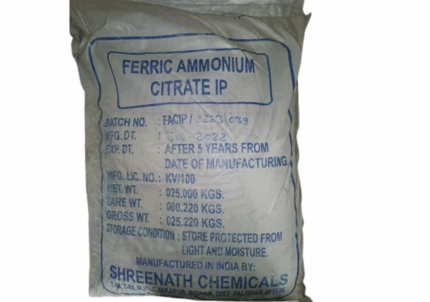
Ferric Ammonium Citrate
Ferric Ammonium Citrate is a dark green to black crystalline or granular inorganic compound composed of iron, ammonium ions, and citrate ions. It is a complex salt of citric acid with ferric iron (Fe³⁺) and ammonium. This compound is highly soluble in water, forming a greenish solution, and is widely utilized as a source of iron in various chemical, pharmaceutical, photographic, and food applications. It acts as a mild oxidizing agent and an iron supplement, valued for its bioavailability and ease of incorporation into formulations. Ferric Ammonium Citrate is typically available in different formulations distinguished by their water and ammonium content, such as green and brown types.

Magnesium Chloride
Magnesium Chloride is a white crystalline salt or granular solid composed of magnesium and chloride ions, commonly found as the hexahydrate form (MgCl₂·6H₂O). It is highly soluble in water, forming a clear, colorless solution with a slightly bitter saline taste. Magnesium Chloride is valued for its hygroscopic properties and is widely used across multiple industries including de-icing, chemical manufacturing, agriculture, food, pharmaceutical, and textile applications. It acts as a source of magnesium, a vital mineral for various biological and industrial processes.
Sodium Hexametaphosphate
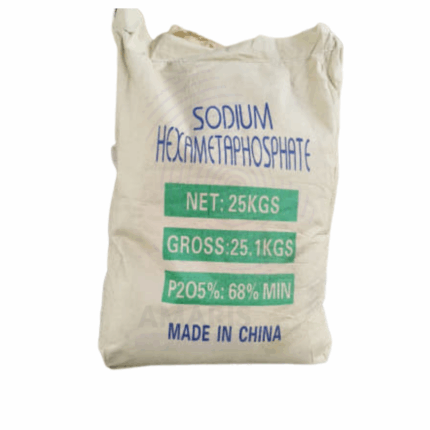
Sodium Hexametaphosphate (SHMP) is a high-efficiency sequestrant and dispersing agent widely used across industrial applications. It appears as a white, odorless powder or granule, highly soluble in water, and is valued for its ability to chelate metal ions, soften water, and disperse solids. Its role in preventing scale formation and stabilizing chemical formulations makes it a key ingredient in water treatment, cleaning agents, and textile processing. It is the primary active ingredient in many commercial and industrial water treatment formulations, most notably as the original key component in the Calgon® brand of water softeners and scale inhibitors. While modern "Calgon" products may contain blended formulations, the term has become a common genericized reference for polyphosphate-based scale prevention, rooted in this chemical's function.
Zinc Sulphate Heptahydrate
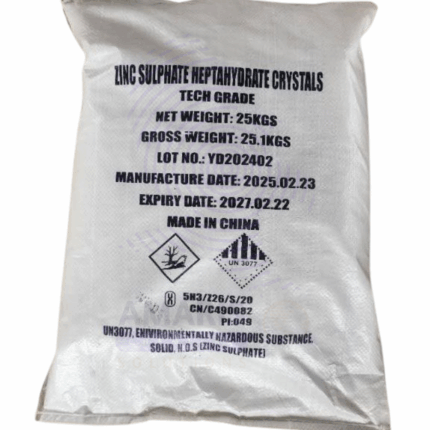
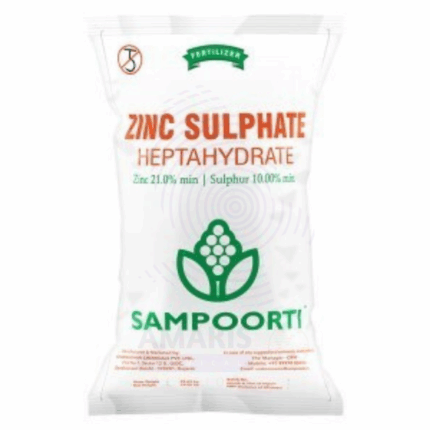
Zinc Sulphate Heptahydrate (ZnSO₄·7H₂O) is a white, crystalline, water-soluble compound commonly used as a dietary supplement to treat zinc deficiency. It serves as a key ingredient in fertilizers, animal feeds, and industrial applications like water treatment and dyeing. The heptahydrate form contains seven water molecules, making it highly soluble and effective for various agricultural, medical, and chemical uses.












