

 Preservatives(food)
 Flavors
 Acidulants
 Sweeteners
 Antioxidants
 Colorants(food)
 Nutraceutical Ingredients (food)
 Nutrient Supplements
 Emulsifiers
 Collectors
 Dust Suppressants
 Explosives and Blasting Agents
 Flocculants and Coagulants
 Frothers
 Leaching Agents
 pH Modifiers
 Precious Metal Extraction Agents
 Antioxidants(plastic)
 Colorants (Pigments, Dyes)
 Fillers and Reinforcements
 Flame Retardants
 Monomers
 Plasticizers
 Polymerization Initiators
 Stabilizers (UV, Heat)
 Antifoaming Agents
 Chelating Agents
 Coagulants and Flocculants
 Corrosion Inhibitors
 Disinfectants and Biocides
 Oxidizing Agents
 pH Adjusters
 Scale Inhibitors( water)
 Antioxidants(cosmetic)
 Emollients
 Oils
Oils Carrier Oills
 Essential Oils
 Humectants
 Preservatives
 Surfactants(cosmetic)
 Thickeners
 UV Filters
 Fragrance (Cosmetics)
 Fertilizers
 Soil Conditioners
 Plant Growth Regulators
 Animal Feed Additives
 Biostimulants
 Pesticides (Herbicides, Insecticides, Fungicides)
 Active Pharmaceutical Ingredients (APIs)
 Excipients
 Solvents(pharmaceutical)
 Antibiotics
 Antiseptics and Disinfectants
 Vaccine Adjuvants
 Nutraceutical Ingredients (pharmaceutical)
 Analgesics & Antipyretics
 Analytical Reagents
 Solvents(lab)
 Chromatography Chemicals
 Spectroscopy Reagents
 microbiology-and-cell-culture-reagents
 Molecular Biology Reagents
 Biochemical Reagents
 Inorganic and Organic Standards
 Laboratory Safety Chemicals
 Specialty Laboratory Chemicals(Special Laboratory Equipment)
 Demulsifiers
 Hydraulic Fracturing Fluids
 Scale Inhibitors(oil)
 Surfactants(oil)
 Drilling Fluids
 Dyes and Pigments
 Bleaching Agents
 Softening Agents
 Finishing Agents
 Antistatic Agents
 Admixtures
 Waterproofing Agents
 Sealants and Adhesives
 Curing Compounds
 Concrete Repair Chemicals
 Anti-Corrosion Coatings
 Surfactants(cleaning)
 Builders
 Enzymes
 Solvents (Cleaning)
 Electronic Chemicals
 Catalysts
 Lubricants
 Photographic Chemicals
 Refrigerants
 Automotive chemicals
 Pyrotechnic Chemicals
 Biodegradable Surfactants
 Bio-based Solvents
 Renewable Polymers
 Carbon Capture Chemicals
 Wastewater Treatment Chemicals
 Pigments
 Solvents(paint)
 Specialty Coatings
 Binders/Resins
 Additives
 Driers
 Anti-Corrosion Agents
 Functional Coatings
 Application-Specific Coatings
 Leavening Agents
 Dough Conditioners
 Flour Treatments
 Fat Replacers
 Decoratives
 Preservatives(baking)
 Plasticizers & Softeners
 Reinforcing Agents
 Adhesion Promoters
 Vulcanizing Agents
 Antidegradants
 Blowing Agents
 Fillers & Extenders
 Accelerators & Retarders


Calcium Chloride Dihydrate
Original price was: $ 5.70.$ 5.59Current price is: $ 5.59.
Calcium Chloride Dihydrate (CaCl₂·2H₂O) is a hydrated form of calcium chloride, appearing as white crystalline granules or flakes containing two molecules of water of crystallization. It is highly soluble in water and exhibits strong hygroscopic and deliquescent properties. This compound is widely used in industrial, pharmaceutical, food, and agricultural sectors due to its moisture absorption, de-icing, dust control, and calcium supplementation capabilities. Compared to anhydrous calcium chloride, the dihydrate form has lower hygroscopicity but is easier to handle and store.
Calcium Chloride Dihydrate
Primary Uses
- Industrial Applications
- Used as a drying agent and desiccant in various chemical and industrial processes.
- Employed in concrete admixtures to accelerate setting time and improve early strength.
- Applied in dust suppression and soil stabilization on unpaved roads and construction sites.
- Utilized in refrigeration brines and cooling systems for heat transfer and freeze protection.
- Food Industry
- Acts as a firming agent in canned vegetables, tofu production, and cheese making.
- Used as a food additive (E509) for calcium supplementation and texture improvement.
- Pharmaceutical and Medical
- Used in electrolyte replenishment solutions for calcium supplementation.
- Incorporated in pharmaceutical formulations requiring calcium ions.
- Agriculture & Environmental
- Used for soil amendment and calcium supplementation to correct soil deficiencies.
- Applied in water treatment to reduce hardness and remove impurities.
Secondary Uses
- Water Treatment
- Used to remove carbonate hardness and precipitate impurities.
- Textile Industry
- Functions in dye fixing and fabric processing.
- Aquaculture
- Maintains calcium ion concentration essential for aquatic organisms.
1. Basic Identification Attributes
- Chemical Name (IUPAC): Calcium chloride dihydrate
- Common/Trade Name: Calcium Chloride Dihydrate
- CAS Number: 10035-04-8
- HS Code: 2827.10.00
- Molecular Formula: CaCl₂·2H₂O
- Synonyms:
- Calcium dichloride dihydrate
- Calcium chloride hydrate
- CaCl₂·2H₂O
- Calcium chloride (2-water)
2. Physical & Chemical Properties
- Physical State: White crystalline granules or flakes
- Color & Odor: White; odorless
- Melting Point: Approximately 176°C (decomposes, loses water)
- Boiling Point: Decomposes before boiling
- Density: Approx. 1.85 g/cm³
- Solubility: Highly soluble in water (~74.5 g/100 mL at 20°C); insoluble in alcohol
- Hygroscopicity: Hygroscopic, but less so than anhydrous calcium chloride
- pH: Neutral to slightly alkaline in aqueous solution (~8–9)
- Stability: Stable under normal conditions; sensitive to moisture and heat
3. Safety & Hazard Attributes
- Hazard Class (GHS): Skin corrosive (Category 1B), Serious eye damage (Category 1)
- NFPA Ratings:
- Health: 2
- Flammability: 0
- Reactivity: 1
- Exposure Limits: OSHA PEL: 5 mg/m³ (respirable dust)
- Toxicity: Moderate; may cause irritation to eyes, skin, and respiratory tract
- Reactivity: Reacts exothermically with water; avoid strong oxidizers
4. Storage & Handling Attributes
- Storage Conditions: Store in a cool, dry, well-ventilated place, away from moisture and incompatible substances
- Container Type: Airtight polyethylene bags, drums, or sealed containers
- Shelf Life: Indefinite if properly stored
- Special Handling: Use PPE; avoid dust and moisture exposure
5. Regulatory & Compliance Attributes
- FDA Status: Generally recognized as safe (GRAS) for food use; regulated in pharmaceuticals
- Transportation: Classified as corrosive; comply with local transport regulations
- Waste Disposal: Dispose as per local regulations; neutralize if necessary
6. Environmental & Health Impact
- Ecotoxicity: Low to moderate toxicity at high concentrations
- Persistence: Inorganic salt; persists in environment without biodegradation
- Bioaccumulation: Not expected to bioaccumulate
- Carcinogenicity/Mutagenicity: Not classified as carcinogenic or mutagenic
- Biodegradability: Not biodegradable
Safety Handling Precautions
Personal Protective Equipment (PPE):
- Gloves (chemical resistant)
- Safety goggles or face shield
- Dust mask or respirator (if dust is present)
- Protective clothing
Handling Measures:
- Avoid inhalation, skin, and eye contact
- Handle in well-ventilated areas
- Control dust generation
Storage Measures:
- Keep container tightly closed
- Protect from moisture and direct sunlight
Hygiene Practices:
- Wash hands thoroughly after handling
- Avoid eating, drinking, or smoking while handling
First Aid Measures
- Inhalation: Move to fresh air; seek medical attention if symptoms persist
- Skin Contact: Wash thoroughly with soap and water; seek medical care if irritation develops
- Eye Contact: Rinse immediately with water for at least 15 minutes; seek urgent medical attention
- Ingestion: Rinse mouth; do not induce vomiting; seek immediate medical assistance
Firefighting Measures
- Fire Hazards: Non-flammable but may release heat when reacting with water
- Extinguishing Media: Use water spray, foam, dry chemical, or CO₂ to control surrounding fire
- Special Precautions: Firefighters should wear full protective gear and SCBA if necessary
- Decomposition Products: May release chlorine and calcium oxide fumes under high heat
Related products

Bismuth Subgallate
Bismuth Subgallate is a pale yellow, odorless, tasteless powder composed of bismuth and gallic acid derivatives. It is widely used as an internal deodorant for controlling odor from flatulence and stool, especially in patients with gastrointestinal conditions or post-surgery stomas. It also serves as a mild astringent and has hemostatic properties, making it useful in wound care products. Due to its insolubility in water and stability, it is suited for oral and topical formulations.
Clotrimazole BP2000
Clotrimazole BP2000 is a broad-spectrum antifungal agent belonging to the imidazole class. It appears as a white to off-white crystalline powder that is practically insoluble in water but soluble in organic solvents like ethanol and chloroform. Clotrimazole is widely used in pharmaceutical formulations for the treatment of fungal infections affecting the skin, mucous membranes, and nails. Its mechanism involves inhibition of ergosterol synthesis, a vital component of fungal cell membranes, leading to increased cell permeability and fungal cell death. BP2000 indicates compliance with British Pharmacopoeia standards ensuring high purity and consistent quality suitable for pharmaceutical applications.

Loperamide HCL
Loperamide HCL is a synthetic opioid-receptor agonist used primarily as an antidiarrheal medication. It acts on the µ-opioid receptors in the intestinal wall to decrease gut motility, prolonging transit time and allowing increased absorption of fluids and electrolytes. Loperamide HCL is widely used in pharmaceutical formulations to treat acute and chronic diarrhea, including travelers’ diarrhea and diarrhea associated with inflammatory bowel disease. It is a white to off-white crystalline powder, highly soluble in water and commonly supplied in pharmaceutical grade for oral dosage forms.
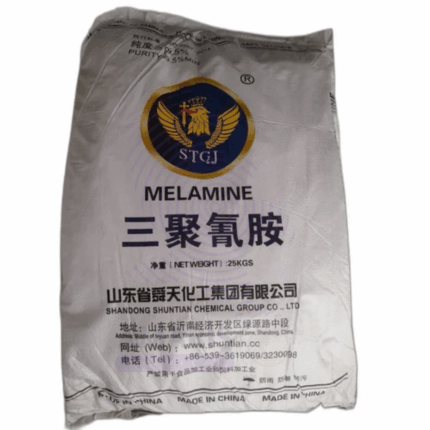
Melamine
Melamine is an organic compound widely used as a raw material in the production of melamine-formaldehyde resins, laminates, adhesives, coatings, and flame retardants. It offers excellent hardness, thermal stability, and chemical resistance. Supplied in 25kg bags, melamine is a white crystalline powder with high nitrogen content, making it a valuable additive in plastics, construction materials, and surface treatments.

Poly Aluminum Chloride (PAC)
Poly Aluminum Chloride (PAC) is an inorganic polymer coagulant used extensively for water treatment and purification. It is a highly efficient flocculating agent, derived from aluminum salts and partially neutralized with chloride, forming polymerized aluminum complexes. PAC is preferred over traditional alum for its rapid floc formation, broader pH range, and lower sludge production. Available in both liquid and powder forms, it is widely applied in municipal, industrial, and commercial sectors for clarification, separation, and purification processes.
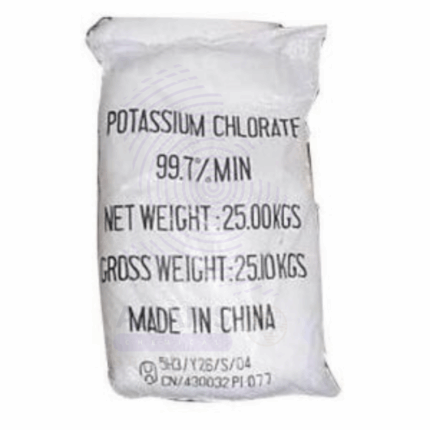
Potassium Chlorate
Potassium Chlorate is a strong oxidizing agent and crystalline chemical compound widely used in various industrial, laboratory, and commercial applications. It appears as a white, odorless, and water-soluble solid. Potassium Chlorate serves primarily as a source of oxygen in chemical reactions and is critical in the manufacture of explosives, matches, fireworks, and disinfectants. Due to its reactive nature, it requires careful handling and storage.
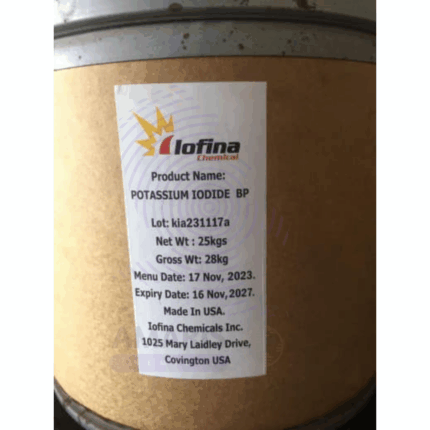
Potassium Iodide
Potassium Iodide is a white, crystalline inorganic salt that serves as a vital source of iodine. It is widely used in medical, pharmaceutical, nutritional, and industrial fields. Potassium Iodide is highly soluble in water and is used both as a dietary supplement to prevent iodine deficiency and as a protective agent against radioactive iodine exposure. It also finds applications in chemical synthesis and photographic processes.

Potassium Metabisulphite Food Grade
Potassium Metabisulphite Food Grade is a white crystalline powder with strong antioxidant and preservative properties. It is widely used in the food and beverage industry as a disinfectant, antioxidant, and preservative to prevent spoilage and microbial growth. It also acts as a bleaching agent and sulfur dioxide (SO₂) source. This compound is critical in winemaking, brewing, and food processing to maintain product quality and extend shelf life.












