

 Preservatives(food)
 Flavors
 Acidulants
 Sweeteners
 Antioxidants
 Colorants(food)
 Nutraceutical Ingredients (food)
 Nutrient Supplements
 Emulsifiers
 Collectors
 Dust Suppressants
 Explosives and Blasting Agents
 Flocculants and Coagulants
 Frothers
 Leaching Agents
 pH Modifiers
 Precious Metal Extraction Agents
 Antioxidants(plastic)
 Colorants (Pigments, Dyes)
 Fillers and Reinforcements
 Flame Retardants
 Monomers
 Plasticizers
 Polymerization Initiators
 Stabilizers (UV, Heat)
 Antifoaming Agents
 Chelating Agents
 Coagulants and Flocculants
 Corrosion Inhibitors
 Disinfectants and Biocides
 Oxidizing Agents
 pH Adjusters
 Scale Inhibitors( water)
 Antioxidants(cosmetic)
 Emollients
 Oils
Oils Carrier Oills
 Essential Oils
 Humectants
 Preservatives
 Surfactants(cosmetic)
 Thickeners
 UV Filters
 Fragrance (Cosmetics)
 Fertilizers
 Soil Conditioners
 Plant Growth Regulators
 Animal Feed Additives
 Biostimulants
 Pesticides (Herbicides, Insecticides, Fungicides)
 Active Pharmaceutical Ingredients (APIs)
 Excipients
 Solvents(pharmaceutical)
 Antibiotics
 Antiseptics and Disinfectants
 Vaccine Adjuvants
 Nutraceutical Ingredients (pharmaceutical)
 Analgesics & Antipyretics
 Analytical Reagents
 Solvents(lab)
 Chromatography Chemicals
 Spectroscopy Reagents
 microbiology-and-cell-culture-reagents
 Molecular Biology Reagents
 Biochemical Reagents
 Inorganic and Organic Standards
 Laboratory Safety Chemicals
 Specialty Laboratory Chemicals(Special Laboratory Equipment)
 Demulsifiers
 Hydraulic Fracturing Fluids
 Scale Inhibitors(oil)
 Surfactants(oil)
 Drilling Fluids
 Dyes and Pigments
 Bleaching Agents
 Softening Agents
 Finishing Agents
 Antistatic Agents
 Admixtures
 Waterproofing Agents
 Sealants and Adhesives
 Curing Compounds
 Concrete Repair Chemicals
 Anti-Corrosion Coatings
 Surfactants(cleaning)
 Builders
 Enzymes
 Solvents (Cleaning)
 Electronic Chemicals
 Catalysts
 Lubricants
 Photographic Chemicals
 Refrigerants
 Automotive chemicals
 Pyrotechnic Chemicals
 Biodegradable Surfactants
 Bio-based Solvents
 Renewable Polymers
 Carbon Capture Chemicals
 Wastewater Treatment Chemicals
 Pigments
 Solvents(paint)
 Specialty Coatings
 Binders/Resins
 Additives
 Driers
 Anti-Corrosion Agents
 Functional Coatings
 Application-Specific Coatings
 Leavening Agents
 Dough Conditioners
 Flour Treatments
 Fat Replacers
 Decoratives
 Preservatives(baking)
 Plasticizers & Softeners
 Reinforcing Agents
 Adhesion Promoters
 Vulcanizing Agents
 Antidegradants
 Blowing Agents
 Fillers & Extenders
 Accelerators & Retarders
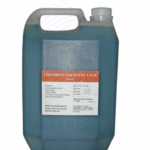


Potassium Chlorate
Potassium Chlorate is a strong oxidizing agent and crystalline chemical compound widely used in various industrial, laboratory, and commercial applications. It appears as a white, odorless, and water-soluble solid. Potassium Chlorate serves primarily as a source of oxygen in chemical reactions and is critical in the manufacture of explosives, matches, fireworks, and disinfectants. Due to its reactive nature, it requires careful handling and storage.
Potassium Chlorate
Primary Uses
- Explosives and Pyrotechnics
- Acts as a powerful oxidizer in the formulation of explosives, detonators, and blasting agents.
- Widely used in fireworks to generate oxygen and sustain combustion, producing bright flames and colors.
Key ingredient in matchstick heads for ignition.
- Disinfectants and Bleaching Agents
- Utilized as a precursor in the manufacture of disinfectants and antiseptic solutions.
- Employed in bleaching processes for paper and textiles.
- Chemical Oxygen Generation
- Used in oxygen candles and chemical oxygen generators for emergency breathing apparatuses and submarines.
- Provides a controlled release of oxygen in confined environments.
- Laboratory Reagent
- Functions as an oxidizing reagent in various chemical syntheses and analytical procedures.
- Used for qualitative and quantitative analysis in laboratories.
Secondary Uses
- Agriculture
- Occasionally used in small quantities as a herbicide or defoliant.
- Employed in soil sterilization to control pathogens (with caution due to toxicity).
- Metallurgy
- Used in some metal refining and processing techniques as an oxidizer.
- Woodworking
- Involved in chemical processes to enhance wood bleaching and treatment.
- Education and Demonstrations
- Used in controlled classroom experiments to demonstrate exothermic reactions and oxygen generation.
1. Basic Identification Attributes
- Chemical Name (IUPAC): Potassium chlorate
- Common/Trade Name: Potassium Chlorate
- CAS Number: 3811-04-9
- HS Code: 2829.90 (Other chlorates)
- Synonyms: KClO₃; chlorate of potassium
2. Physical & Chemical Properties
- Physical State: Solid, crystalline powder or granules
- Color & Odor: White; odorless
- Solubility: Soluble in water (7.9 g/100 mL at 20°C)
- Melting Point: Approximately 356°C (decomposes)
- Density: ~2.32 g/cm³
- Stability: Stable under normal conditions; decomposes violently under heat or shock
3. Safety & Hazard Attributes
- GHS Classification: Oxidizing solid (Category 2); acute toxicity (Category 4); hazardous to the environment
- Toxicity: Moderate; harmful if ingested or inhaled; strong oxidizer may cause fire/explosion hazards
- Exposure Limits: Follow OSHA and local regulations; avoid inhalation and skin contact
4. Storage & Handling Attributes
- Storage Conditions: Store in a cool, dry, well-ventilated area away from combustible materials and reducing agents
- Container Type: Sealed plastic or glass containers; avoid metal containers that can react
- Shelf Life: Typically 1–3 years if stored properly
- Handling Precautions: Use non-sparking tools, wear protective gloves and goggles; avoid friction, heat, and contamination
5. Regulatory & Compliance Attributes
- Complies with chemical safety and transportation regulations (e.g., OSHA, REACH, DOT)
- Classified as a hazardous material for transport and storage
6. Environmental & Health Impact
- Biodegradability: Not biodegradable
- Ecotoxicity: Toxic to aquatic life; avoid environmental release
- Bioaccumulation: Not significant
Safety Handling Precautions
- PPE Required: Gloves, goggles, lab coat, and dust mask or respirator in dusty environments
- Handling Guidelines: Avoid contact with combustibles; use in well-ventilated areas; prevent dust generation
- Storage Measures: Keep away from heat sources, reducing agents, and organic materials
First Aid Measures
- Inhalation: Move to fresh air immediately; seek medical attention if breathing difficulties develop
- Skin Contact: Wash thoroughly with soap and water; remove contaminated clothing; seek medical advice if irritation persists
- Eye Contact: Rinse cautiously with water for at least 15 minutes; seek immediate medical attention
- Ingestion: Do not induce vomiting; rinse mouth with water and seek urgent medical care
Firefighting Measures
- Fire Hazards: Strong oxidizer; can intensify fires and cause explosions if mixed with combustibles
- Extinguishing Media: Use large amounts of water; do not use dry chemical extinguishers alone
- Special Precautions: Firefighters should wear full protective gear and self-contained breathing apparatus
- Hazardous Combustion Products: May produce chlorine gas, potassium oxides, and oxygen
Related products
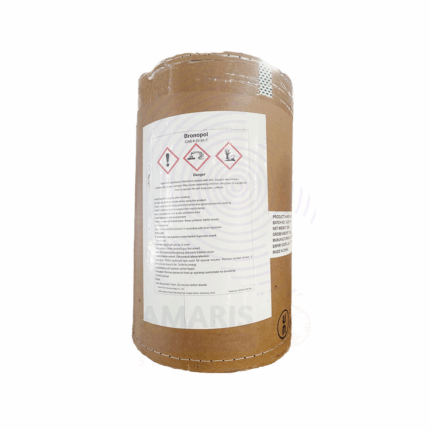
Bronopol
Bronopol (2-Bromo-2-nitropropane-1,3-diol) is a water-soluble, white crystalline powder or granules with a slight odor. It is a synthetic antimicrobial agent widely used as a preservative in personal care products, pharmaceuticals, cosmetics, and industrial applications. Bronopol exhibits broad-spectrum bactericidal and fungicidal activity, making it effective against a wide range of microorganisms. It works by releasing active formaldehyde slowly, which disrupts microbial metabolism and reproduction.
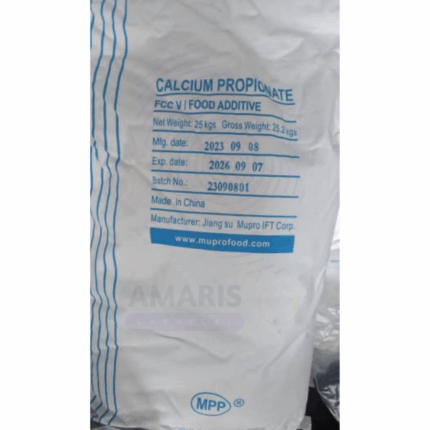
Calcium Propionate
Calcium Propionate is the calcium salt of propionic acid, appearing as a white, crystalline powder or granules with a slightly salty taste and low odor. It is highly soluble in water and used primarily as a food preservative and mold inhibitor. Calcium Propionate inhibits the growth of mold, bacteria, and fungi, making it especially valuable in baked goods, dairy products, and animal feed to extend shelf life and prevent spoilage. It also finds application in pharmaceuticals and cosmetics as a preservative and antimicrobial agent.
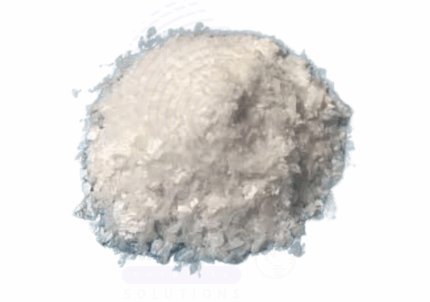
Calcium Saccharin
Calcium Saccharin is the calcium salt form of saccharin, a synthetic sweetener. It appears as a white to off-white crystalline powder with a sweet taste that is several hundred times sweeter than sucrose (table sugar). Calcium Saccharin is water-soluble and widely used as a non-nutritive sweetener in food and beverage products, pharmaceuticals, and oral care formulations. Due to its stability under heat and acidic conditions, it is ideal for baked goods and beverages. It serves as a sugar substitute for diabetic and calorie-restricted diets and is often used in combination with other sweeteners to improve taste profiles.
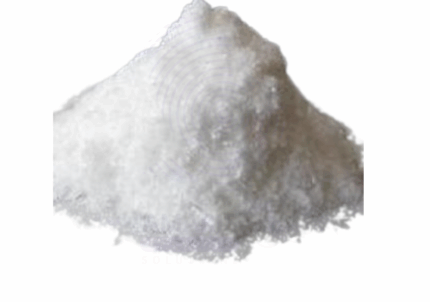
Carbocisteine AJI 92
Carbocisteine AJI 92 is a high-purity pharmaceutical-grade amino acid derivative, chemically known as S-carboxymethyl-L-cysteine. It is a white to off-white crystalline powder with a slightly sulfurous odor and is freely soluble in water. Carbocisteine functions primarily as a mucolytic agent—reducing the viscosity of mucus and promoting expectoration in respiratory tract infections. The "AJI 92" specification refers to its compliance with the purity standards established by Ajinomoto's amino acid quality benchmarks, ensuring it meets stringent pharmaceutical-grade quality control for active pharmaceutical ingredients (APIs). It is widely used in oral syrups, tablets, and granules in both human and veterinary medicine.

Loperamide HCL
Loperamide HCL is a synthetic opioid-receptor agonist used primarily as an antidiarrheal medication. It acts on the µ-opioid receptors in the intestinal wall to decrease gut motility, prolonging transit time and allowing increased absorption of fluids and electrolytes. Loperamide HCL is widely used in pharmaceutical formulations to treat acute and chronic diarrhea, including travelers’ diarrhea and diarrhea associated with inflammatory bowel disease. It is a white to off-white crystalline powder, highly soluble in water and commonly supplied in pharmaceutical grade for oral dosage forms.
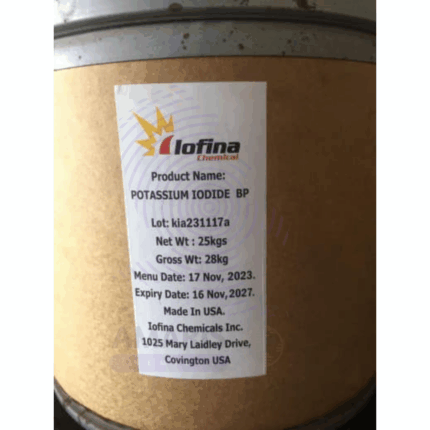
Potassium Iodide
Potassium Iodide is a white, crystalline inorganic salt that serves as a vital source of iodine. It is widely used in medical, pharmaceutical, nutritional, and industrial fields. Potassium Iodide is highly soluble in water and is used both as a dietary supplement to prevent iodine deficiency and as a protective agent against radioactive iodine exposure. It also finds applications in chemical synthesis and photographic processes.
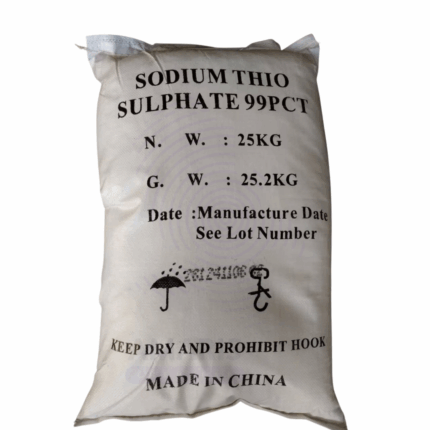
Sodium Thiosulphate
Sodium Thiosulphate (Na₂S₂O₃) is a white, crystalline, odorless powder or granular solid highly soluble in water. This 25kg packaged chemical is widely used in photographic processing, water treatment, chemical synthesis, and medicine. Known for its reducing and complexing properties, it acts as an effective dechlorinating agent and fixer in photography by dissolving silver halides. It is stable under normal conditions and easily handled for industrial and laboratory applications.
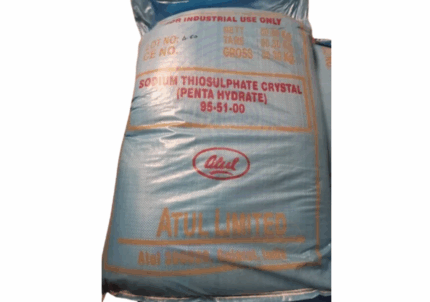
Sodium Thiosulphate Pentahydrate
Sodium Thiosulphate Pentahydrate (Na₂S₂O₃·5H₂O) is a white crystalline solid that is highly soluble in water. It is commonly used as a photographic fixer, reducing agent, and in water treatment processes. This 25kg packaged product contains five molecules of water of crystallization, which makes it more stable and easier to handle in industrial and laboratory applications. It is widely used to dechlorinate water, remove heavy metals, and in analytical chemistry for iodometric titrations.












