

 Preservatives(food)
 Flavor Enhancers
 Acidulants
 Sweeteners
 Antioxidants
 Colorants(food)
 Nutraceutical Ingredients (food)
 Nutrient Supplements
 Emulsifiers
 Collectors
 Dust Suppressants
 Explosives and Blasting Agents
 Flocculants and Coagulants
 Frothers
 Leaching Agents
 pH Modifiers
 Precious Metal Extraction Agents
 Antioxidants(plastic)
 Colorants (Pigments, Dyes)
 Fillers and Reinforcements
 Flame Retardants
 Monomers
 Plasticizers
 Polymerization Initiators
 Stabilizers (UV, Heat)
 Antifoaming Agents
 Chelating Agents
 Coagulants and Flocculants
 Corrosion Inhibitors
 Disinfectants and Biocides
 Oxidizing Agents
 pH Adjusters
 Scale Inhibitors( water)
 Antioxidants(cosmetic)
 Emollients
 Fragrances and Essential Oils
 Humectants
 Preservatives
 Surfactants(cosmetic)
 Thickeners
 UV Filters
 Fertilizers
 Soil Conditioners
 Plant Growth Regulators
 Animal Feed Additives
 Biostimulants
 Pesticides (Herbicides, Insecticides, Fungicides)
 Active Pharmaceutical Ingredients (APIs)
 Excipients
 Solvents(pharmaceutical)
 Antibiotics
 Antiseptics and Disinfectants
 Vaccine Adjuvants
 Nutraceutical Ingredients (pharmaceutical)
 Analgesics & Antipyretics
 Analytical Reagents
 Solvents(lab)
 Chromatography Chemicals
 Spectroscopy Reagents
 microbiology-and-cell-culture-reagents
 Molecular Biology Reagents
 Biochemical Reagents
 Inorganic and Organic Standards
 Laboratory Safety Chemicals
 Specialty Laboratory Chemicals(Special Laboratory Equipment)
 Demulsifiers
 Hydraulic Fracturing Fluids
 Scale Inhibitors(oil)
 Surfactants(oil)
 Drilling Fluids
 Dyes and Pigments
 Bleaching Agents
 Softening Agents
 Finishing Agents
 Antistatic Agents
 Admixtures
 Waterproofing Agents
 Sealants and Adhesives
 Curing Compounds
 Concrete Repair Chemicals
 Anti-Corrosion Coatings
 Surfactants(cleaning)
 Builders
 Enzymes
 Solvents (Cleaning)
 Fragrances
 Electronic Chemicals
 Catalysts
 Lubricants
 Photographic Chemicals
 Refrigerants
 Automotive chemicals
 Pyrotechnic Chemicals
 Biodegradable Surfactants
 Bio-based Solvents
 Renewable Polymers
 Carbon Capture Chemicals
 Wastewater Treatment Chemicals
 Pigments
 Solvents(paint)
 Specialty Coatings
 Binders/Resins
 Additives
 Driers
 Anti-Corrosion Agents
 Functional Coatings
 Application-Specific Coatings
 Leavening Agents
 Dough Conditioners
 Flour Treatments
 Fat Replacers
 Decoratives
 Preservatives(baking)
 Plasticizers & Softeners
 Reinforcing Agents
 Adhesion Promoters
 Vulcanizing Agents
 Antidegradants
 Blowing Agents
 Fillers & Extenders
 Accelerators & Retarders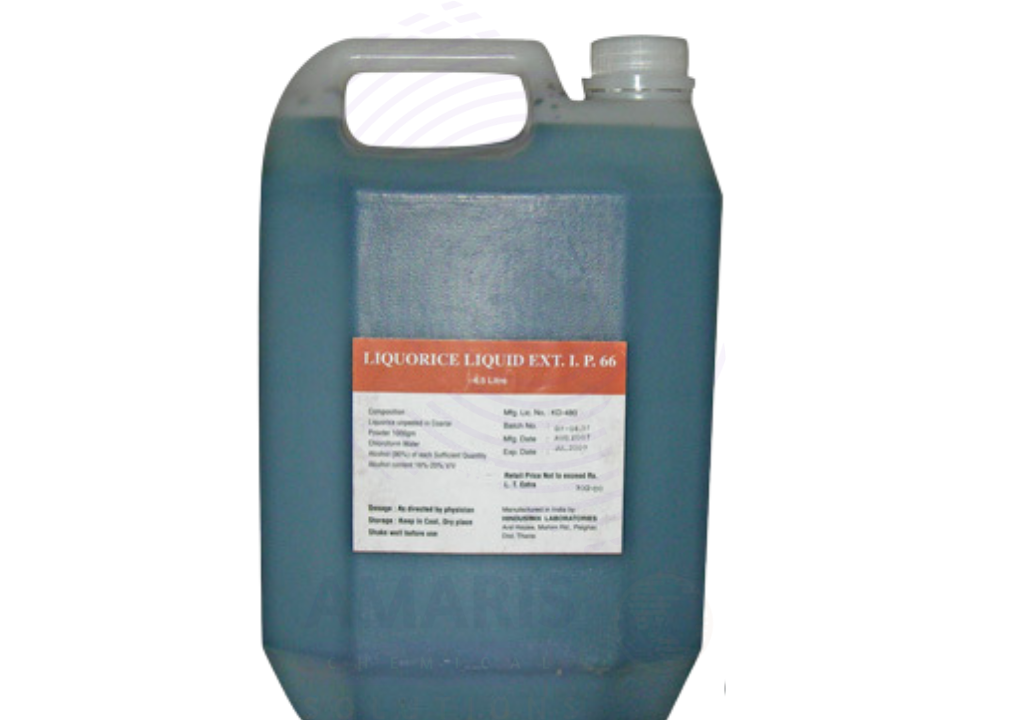


Liquorice
Liquorice is the dried root extract of the Glycyrrhiza glabra plant, known for its distinctive sweet flavor and medicinal properties. It contains glycyrrhizin, a compound that is 30–50 times sweeter than sugar. Liquorice is widely used as a flavoring agent in confectionery, beverages, and tobacco, as well as in traditional and modern medicine for its soothing, anti-inflammatory, and expectorant effects.
Liquorice
Primary Uses
- Food and Beverage Industry
- Flavoring agent in confectionery such as candies, sweets, and chewing gum.
- Added to beverages like soft drinks, herbal teas, and liqueurs for its characteristic sweet and aromatic taste.
- Used in tobacco products to enhance flavor and mask harshness.
- Pharmaceutical and Herbal Medicine
- Employed in formulations as a demulcent to soothe sore throats and coughs.
- Used in herbal remedies for digestive issues, ulcers, and inflammation due to anti-inflammatory properties.
- Incorporated in throat lozenges, syrups, and expectorants.
- Cosmetic and Personal Care
- Used in skincare products for its anti-inflammatory and skin brightening effects.
- Included in toothpaste and mouthwash for flavor and soothing effects on oral mucosa.
Secondary Uses
- Traditional and Alternative Medicine
- Used in Ayurveda and traditional Chinese medicine for hormonal balance and adrenal support.
- Occasionally applied in treatments for skin conditions such as eczema and psoriasis.
- Food Preservation
- Acts as a natural preservative and antioxidant in some food preparations.
- Aromatherapy and Fragrance Industry
- Utilized as a natural aromatic ingredient in perfumes and incense blends.
1. Basic Identification Attributes
- Chemical Name (IUPAC): Glycyrrhiza glabra root extract
- Common/Trade Name: Liquorice; Licorice
- CAS Number: 84775-65-7 (extract)
- HS Code: 1211.90.00
- Synonyms: Licorice; Sweet root; Glycyrrhiza
2. Physical & Chemical Properties
- Physical State: Dried root pieces or powdered extract
- Color & Odor: Yellowish-brown to light brown; characteristic sweet aroma
- Solubility: Soluble in water and alcohols (extract form)
3. Safety & Hazard Attributes
- GHS Classification: Generally recognized as safe when used appropriately
- Toxicity: Excessive consumption can cause hypertension and hypokalemia due to glycyrrhizin content
- Exposure Limits: No specific occupational limits; caution in handling powdered form to avoid dust inhalation
4. Storage & Handling Attributes
- Storage Conditions: Store in cool, dry, well-ventilated place away from moisture and contaminants
- Container Type: Sealed food-grade bags or containers
- Shelf Life: 1-2 years if stored properly
- Handling Precautions: Avoid inhalation of dust and prolonged skin contact
5. Regulatory & Compliance Attributes
- Approved as a food additive and flavoring agent by FDA and EFSA
- Regulated limits on glycyrrhizin content in food and medicinal products to ensure safety
6. Environmental & Health Impact
- Biodegradability: Fully biodegradable and environmentally safe
- Ecotoxicity: Low aquatic toxicity at typical use levels
- Bioaccumulation: Not significant
- Carcinogenicity/Mutagenicity: Not classified as carcinogenic
Safety Handling Precautions
- PPE Required: Dust mask and gloves recommended during handling of powder
- Handling Guidelines: Use in well-ventilated areas; avoid dust generation
- Storage Measures: Keep containers tightly closed and dry
First Aid Measures
- Inhalation: Move to fresh air if irritation occurs
- Skin Contact: Wash with soap and water if irritation develops
- Eye Contact: Rinse with water; seek medical attention if irritation persists
- Ingestion: Generally safe; avoid excessive intake
Firefighting Measures
- Fire Hazards: Combustible organic material
- Extinguishing Media: Use water spray, foam, or dry chemical extinguishers
- Special Precautions: Avoid inhalation of smoke and fumes during fire
Related products
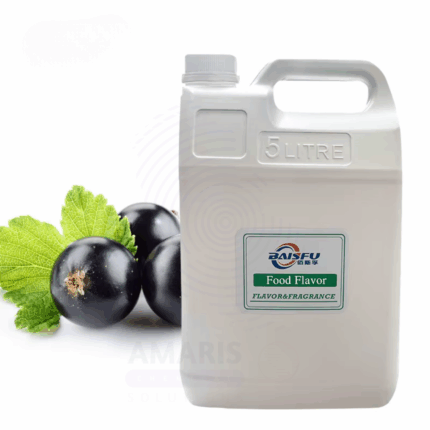
Blackcurrant Liquid Flavour
Blackcurrant Liquid Flavour is a high-quality food-grade liquid flavoring designed to impart the distinctive sweet and tart taste of blackcurrants to a wide range of food and beverage products. It is formulated to be highly soluble and stable in various aqueous and semi-aqueous systems, ensuring consistent flavor performance. This flavoring is ideal for use in confectionery, dairy, beverages, baked goods, and nutraceuticals, enhancing product appeal with its natural fruitiness and rich aroma.

Blueberry Toppings
Blueberry Toppings are sweet, fruit-based condiment preparations made primarily from blueberries, sugar, and thickening agents. They are characterized by a vibrant blue-purple color, fruity aroma, and a sweet-tart flavor profile. Typically semi-viscous with chunks or pureed pieces of blueberry, these toppings are used as finishing ingredients in desserts, breakfast foods, and beverages. Blueberry toppings may be prepared as preserves, syrups, or glazes and often contain natural flavors and preservatives to enhance shelf life and sensory appeal.
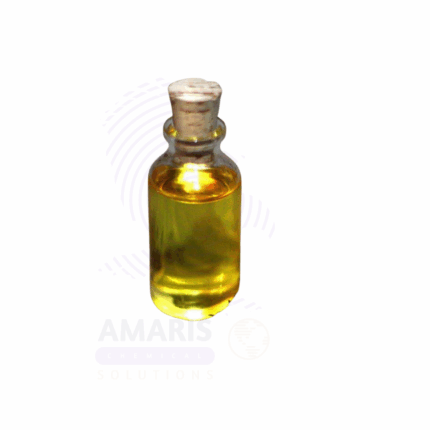
Caraway Oil
Caraway Oil is a volatile essential oil steam-distilled from the dried seeds of the Caraway plant (Carum carvi), a member of the Apiaceae family. It has a spicy, sweet, herbaceous aroma with warm undertones and is pale yellow to colorless in appearance. Known for its long-standing use in traditional herbal medicine and culinary flavoring, Caraway Oil contains carvone and limonene as its major constituents, responsible for its distinct aroma and therapeutic effects.
This oil is widely used in aromatherapy, digestive remedies, cosmetics, and pharmaceutical formulations. It is also valued in flavor manufacturing and oral care products for its carminative and antimicrobial properties.
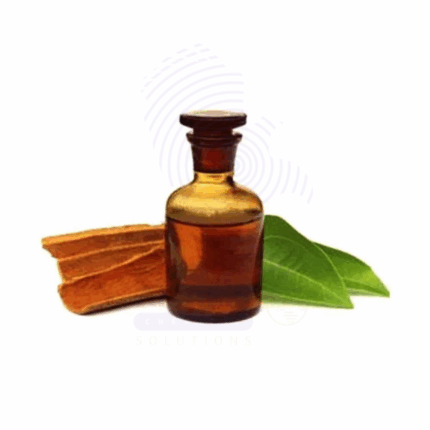
Cinnamon Leaf Oil
Cinnamon Leaf Oil is an essential oil obtained by steam distillation of the leaves of the Cinnamomum zeylanicum or Cinnamomum verum tree. It has a warm, spicy, and slightly sweet aroma, distinct from cinnamon bark oil, with high levels of eugenol. This oil is prized for its antimicrobial, antioxidant, and analgesic properties. It is widely used in perfumery, aromatherapy, personal care, and natural medicine.
Used traditionally for respiratory relief, oral health, and topical analgesia, cinnamon leaf oil is now integrated into natural formulations for skincare, oral hygiene, massage, and household cleaning products. Its invigorating scent and therapeutic versatility make it valuable across cosmetic, pharmaceutical, and cleaning industries.
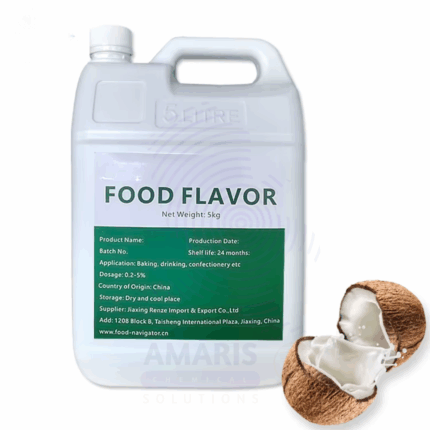
Coconut Liquid Flavour
Coconut Liquid Flavour is a premium food-grade flavoring agent that delivers the sweet, creamy, and tropical aroma and taste of natural coconut in a convenient liquid form. It is specially formulated to provide consistent flavor and excellent stability in a variety of food and beverage applications. This flavor enhances bakery, confectionery, dairy, beverages, and savory products with its authentic coconut profile, making it ideal for creating delicious and exotic culinary experiences.
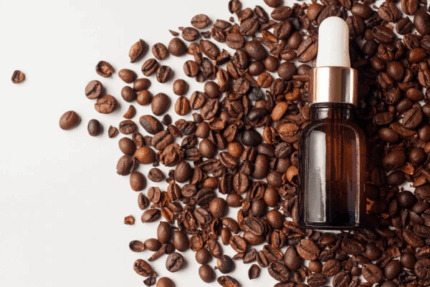
Coffee Oil
Coffee Oil is a natural oil extracted from roasted or green coffee beans (Coffea arabica or Coffea canephora) through cold pressing or solvent extraction. It possesses a rich, warm, roasted coffee aroma and is packed with beneficial compounds including caffeine, diterpenes, and antioxidant-rich fatty acids. Due to its emollient and antioxidant properties, it is widely used in cosmetic, aromatherapy, food, and fragrance applications.
Coffee Oil is known to help stimulate circulation, reduce inflammation, and provide anti-aging support in skincare. Its energizing scent also makes it popular in perfumes and wellness blends. Food-grade versions are used to enhance flavors in gourmet and specialty food products.
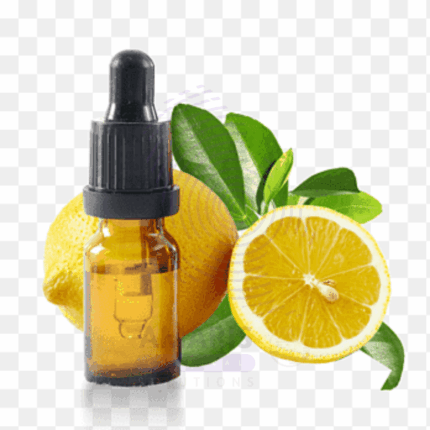
D-Limonene Oil
D-Limonene Oil is a naturally occurring monoterpene hydrocarbon extracted primarily from the rinds of citrus fruits, especially oranges and lemons. It is obtained through cold pressing or steam distillation of citrus peels and purified through fractional distillation. Known for its fresh, sweet, and zesty orange-like aroma, D-Limonene is widely used across multiple industries for its solvent properties, fragrance, and therapeutic benefits.
This oil is valued for its degreasing power, anti-inflammatory effects, and uplifting scent. It plays a vital role in cosmetics, cleaning formulations, pharmaceuticals, and food products, either as a solvent, active ingredient, or fragrance compound.
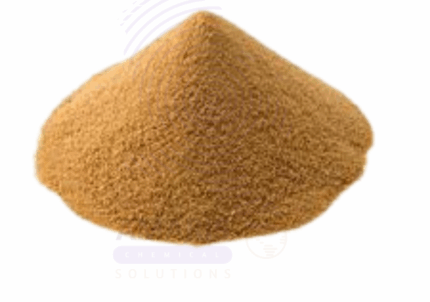
Malt Extract
Malt Extract is a concentrated syrup or powder derived from malted barley or other cereal grains through enzymatic extraction. It is produced by steeping, germinating, and drying grains, then mashing and concentrating the liquid extract. Rich in sugars (mainly maltose), amino acids, vitamins (notably B-complex), and minerals, malt extract is valued for its natural sweetness, nutritional content, and fermentable properties. Available in liquid (syrup) or dry (powdered) forms, it is widely used in the food, beverage, pharmaceutical, and animal nutrition industries.












