

 Preservatives(food)
 Flavors
 Acidulants
 Sweeteners
 Antioxidants
 Colorants(food)
 Nutraceutical Ingredients (food)
 Nutrient Supplements
 Emulsifiers
 Collectors
 Dust Suppressants
 Explosives and Blasting Agents
 Flocculants and Coagulants
 Frothers
 Leaching Agents
 pH Modifiers
 Precious Metal Extraction Agents
 Antioxidants(plastic)
 Colorants (Pigments, Dyes)
 Fillers and Reinforcements
 Flame Retardants
 Monomers
 Plasticizers
 Polymerization Initiators
 Stabilizers (UV, Heat)
 Antifoaming Agents
 Chelating Agents
 Coagulants and Flocculants
 Corrosion Inhibitors
 Disinfectants and Biocides
 Oxidizing Agents
 pH Adjusters
 Scale Inhibitors( water)
 Antioxidants(cosmetic)
 Emollients
 Oils
Oils Carrier Oills
 Essential Oils
 Humectants
 Preservatives
 Surfactants(cosmetic)
 Thickeners
 UV Filters
 Fragrance (Cosmetics)
 Fertilizers
 Soil Conditioners
 Plant Growth Regulators
 Animal Feed Additives
 Biostimulants
 Pesticides (Herbicides, Insecticides, Fungicides)
 Active Pharmaceutical Ingredients (APIs)
 Excipients
 Solvents(pharmaceutical)
 Antibiotics
 Antiseptics and Disinfectants
 Vaccine Adjuvants
 Nutraceutical Ingredients (pharmaceutical)
 Analgesics & Antipyretics
 Analytical Reagents
 Solvents(lab)
 Chromatography Chemicals
 Spectroscopy Reagents
 microbiology-and-cell-culture-reagents
 Molecular Biology Reagents
 Biochemical Reagents
 Inorganic and Organic Standards
 Laboratory Safety Chemicals
 Specialty Laboratory Chemicals(Special Laboratory Equipment)
 Demulsifiers
 Hydraulic Fracturing Fluids
 Scale Inhibitors(oil)
 Surfactants(oil)
 Drilling Fluids
 Dyes and Pigments
 Bleaching Agents
 Softening Agents
 Finishing Agents
 Antistatic Agents
 Admixtures
 Waterproofing Agents
 Sealants and Adhesives
 Curing Compounds
 Concrete Repair Chemicals
 Anti-Corrosion Coatings
 Surfactants(cleaning)
 Builders
 Enzymes
 Solvents (Cleaning)
 Electronic Chemicals
 Catalysts
 Lubricants
 Photographic Chemicals
 Refrigerants
 Automotive chemicals
 Pyrotechnic Chemicals
 Biodegradable Surfactants
 Bio-based Solvents
 Renewable Polymers
 Carbon Capture Chemicals
 Wastewater Treatment Chemicals
 Pigments
 Solvents(paint)
 Specialty Coatings
 Binders/Resins
 Additives
 Driers
 Anti-Corrosion Agents
 Functional Coatings
 Application-Specific Coatings
 Leavening Agents
 Dough Conditioners
 Flour Treatments
 Fat Replacers
 Decoratives
 Preservatives(baking)
 Plasticizers & Softeners
 Reinforcing Agents
 Adhesion Promoters
 Vulcanizing Agents
 Antidegradants
 Blowing Agents
 Fillers & Extenders
 Accelerators & Retarders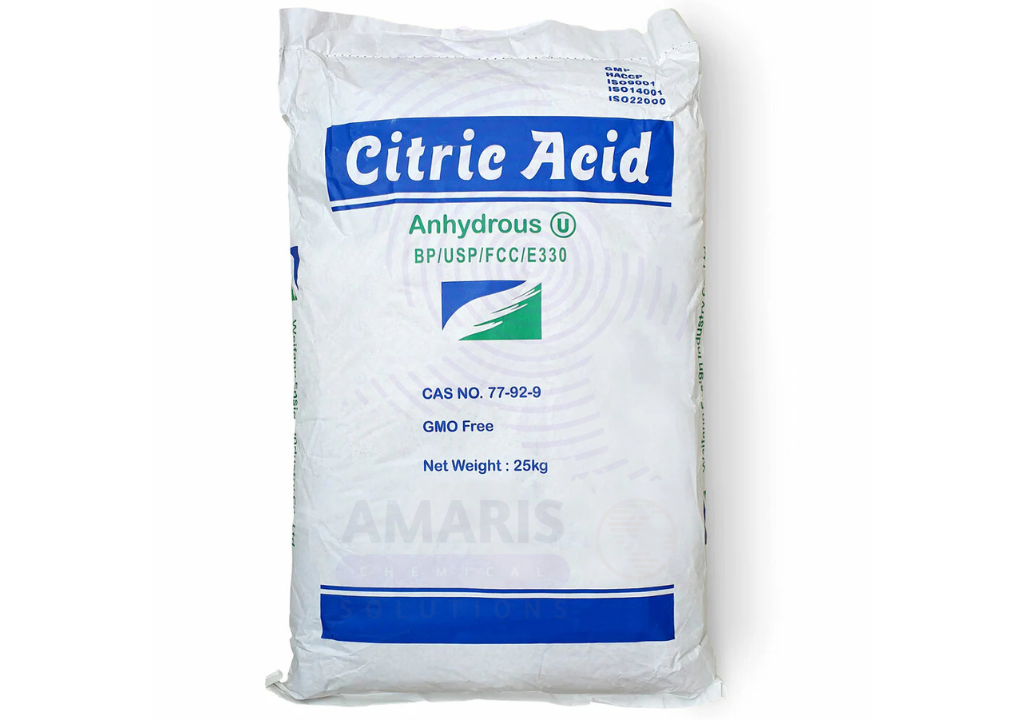





Citric Acid Anhydrous
Original price was: $ 2.25.$ 2.14Current price is: $ 2.14.
Citric Acid Anhydrous is a white, crystalline organic acid widely used across food, pharmaceutical, cosmetic, and industrial sectors. It is the anhydrous form of citric acid, meaning it contains no water molecules in its crystal lattice, resulting in higher purity and more concentrated acidic properties compared to its monohydrate form. Derived from natural sources like citrus fruits or produced via microbial fermentation, citric acid anhydrous is valued for its sour taste, excellent chelating ability, and buffering capacity. It serves as a natural preservative, pH adjuster, antioxidant synergist, and cleaning agent, making it a versatile ingredient in many formulations.
Citric Acid Anhydrous
Primary Uses
- Food & Beverage Industry
- Used as an acidulant to provide tartness and enhance flavor in beverages, candies, jams, and dairy products.
- Acts as a preservative by chelating metal ions that catalyze oxidative spoilage, extending shelf life.
- Employed as a pH regulator to maintain product stability and consistency.
- Used in effervescent powders and tablets combined with bicarbonates for controlled fizzing.
- Pharmaceuticals & Nutraceuticals
- Serves as a pH adjuster in oral syrups, tablets, and effervescent formulations.
- Used to stabilize active ingredients sensitive to alkaline conditions.
- Acts as a chelating agent enhancing bioavailability of minerals and vitamins in supplements.
- Cosmetics & Personal Care
- Used to adjust pH in creams, lotions, shampoos, and bath products.
- Functions as an antioxidant synergist by chelating metal ions that degrade product quality.
- Incorporated in exfoliating formulations due to its mild acidity and natural origin.
- Industrial & Cleaning Applications
- Used as a biodegradable chelating agent in detergents and cleaners to remove scale and metal deposits.
- Employed in metal surface treatment and descaling processes.
- Acts as a buffering agent in chemical manufacturing and laboratory reagents.
Secondary Uses
- Agriculture
- Used in foliar sprays and fertilizers to chelate micronutrients, improving plant nutrient uptake.
- Water Treatment
- Serves as a sequestering agent to control hardness and prevent scale buildup in boilers and cooling systems.
- Textile Industry
- Applied in dyeing processes to adjust pH and improve color fastness and brightness.
- Food Packaging
- Incorporated in active packaging materials as an antimicrobial and antioxidant component.
1. Basic Identification Attributes
- Chemical Name (IUPAC): 2-hydroxypropane-1,2,3-tricarboxylic acid (Anhydrous)
- Common/Trade Name: Citric Acid Anhydrous
- CAS Number: 77-92-9
- HS Code: 2918.14.00
- Molecular Formula: C₆H₈O₇
- Synonyms: Citric Acid, Anhydrous; 2-hydroxy-1,2,3-propane-tricarboxylic acid
2. Physical & Chemical Properties
- Physical State: White crystalline powder or granules
- Color & Odor: White; odorless or faintly acidic odor
- Melting Point: 153°C (decomposes)
- Solubility: Highly soluble in water (~59 g/100 mL at 20°C); insoluble in alcohol and ether
- pH (1% solution): ~1.7 (acidic)
- Stability: Stable under normal conditions; hygroscopic (absorbs moisture)
3. Safety & Hazard Attributes
- Hazard Class (GHS): Generally considered safe; irritant in concentrated form
- NFPA Ratings: Health 2, Flammability 0, Reactivity 0
- Exposure Limits: No established OSHA PEL; avoid inhalation of dust
- Toxicity: Low toxicity; generally recognized as safe (GRAS) in food
- Reactivity: Stable; reacts with strong bases and oxidizers
4. Storage & Handling Attributes
- Storage Conditions: Store in a cool, dry, well-ventilated area away from moisture and incompatible substances
- Container Type: Sealed polyethylene or fiber drums, or food-grade bags
- Shelf Life: Typically 3-5 years if stored properly
- Special Handling: Avoid dust formation; use appropriate PPE like masks and gloves when handling powders
5. Regulatory & Compliance Attributes
- FDA Status: GRAS for food use (21 CFR §184.1033)
- Food Additive Code (EU): E330
- REACH Status: Registered
- Transportation: Not classified as hazardous
- Waste Disposal: Dispose in accordance with local regulations; biodegradable
6. Environmental & Health Impact
- Ecotoxicity: Low environmental impact; biodegradable and non-toxic to aquatic life at typical use concentrations
- Persistence: Readily biodegradable
- Bioaccumulation: Not expected to bioaccumulate
- Carcinogenicity/Mutagenicity: Not classified as carcinogenic or mutagenic
- Biodegradability: Rapidly biodegradable
Safety Handling Precautions
- PPE: Dust mask, gloves, goggles when handling powders
- Handling: Avoid inhalation and prolonged skin contact; minimize dust generation
- Storage: Keep containers tightly closed and dry
- Hygiene: Wash hands after use; no eating or drinking in handling areas
First Aid Measures
- Inhalation: Move to fresh air; seek medical attention if irritation or breathing difficulty occurs
- Skin Contact: Wash with soap and water; seek medical care if irritation develops
- Eye Contact: Rinse eyes with plenty of water for at least 15 minutes; seek medical advice if irritation persists
- Ingestion: Generally safe in small amounts; rinse mouth and drink water; seek medical advice if large quantities ingested
Firefighting Measures
- Fire Hazards: Non-flammable; may decompose to emit carbon oxides under intense heat
- Extinguishing Media: Use water spray, foam, dry chemical, or CO₂ extinguishers
- Special Precautions: Firefighters should wear protective gear and self-contained breathing apparatus if large fire
- Decomposition Products: Carbon dioxide, carbon monoxide
Related products

Ammonium Acetate
Ammonium acetate is a white crystalline solid or granular powder that is highly soluble in water. It is the ammonium salt of acetic acid and commonly appears as a colorless, odorless compound. Ammonium acetate is widely used in laboratories, chemical synthesis, food industry, pharmaceuticals, and industrial applications due to its buffering capacity and ability to provide both ammonium and acetate ions in solution. It functions as a neutral salt and is valued for its role as a pH buffer, reagent, and stabilizer.
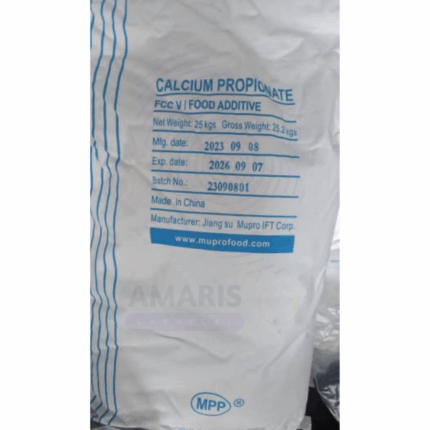
Calcium Propionate
Calcium Propionate is the calcium salt of propionic acid, appearing as a white, crystalline powder or granules with a slightly salty taste and low odor. It is highly soluble in water and used primarily as a food preservative and mold inhibitor. Calcium Propionate inhibits the growth of mold, bacteria, and fungi, making it especially valuable in baked goods, dairy products, and animal feed to extend shelf life and prevent spoilage. It also finds application in pharmaceuticals and cosmetics as a preservative and antimicrobial agent.
Calcium Saccharin
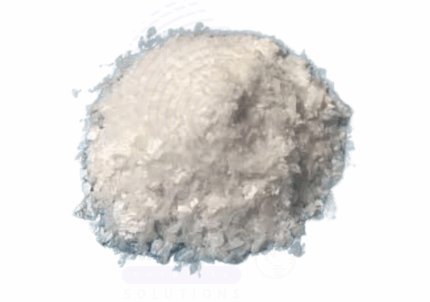
Calcium Saccharin is the calcium salt form of saccharin, a synthetic sweetener. It appears as a white to off-white crystalline powder with a sweet taste that is several hundred times sweeter than sucrose (table sugar). Calcium Saccharin is water-soluble and widely used as a non-nutritive sweetener in food and beverage products, pharmaceuticals, and oral care formulations. Due to its stability under heat and acidic conditions, it is ideal for baked goods and beverages. It serves as a sugar substitute for diabetic and calorie-restricted diets and is often used in combination with other sweeteners to improve taste profiles.
Ellagic Acid
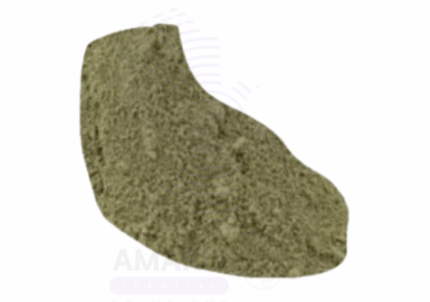
Ellagic Acid is a naturally occurring polyphenolic compound found in numerous fruits, nuts, and vegetables such as pomegranates, strawberries, raspberries, walnuts, and cranberries. It is a potent antioxidant known for its ability to scavenge free radicals and chelate metal ions. Due to its significant anti-inflammatory, anti-carcinogenic, and anti-viral properties, Ellagic Acid has gained extensive interest in pharmaceutical, nutraceutical, cosmetic, and food industries. It appears as a yellow to light brown crystalline powder, insoluble in water but soluble in organic solvents like ethanol and DMSO.
Sodium Acetate Trihydrate
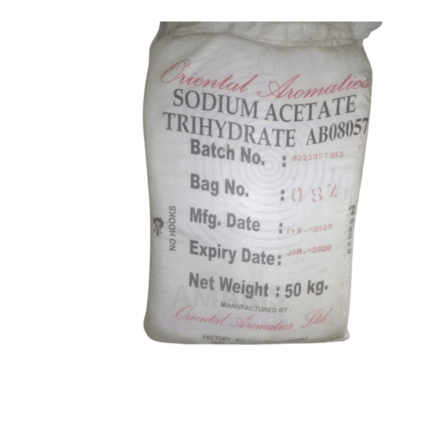
Sodium Acetate Trihydrate is a white crystalline solid that is the hydrated form of sodium acetate. It is highly soluble in water and has a mildly alkaline pH in solution. Widely used in chemical, pharmaceutical, food, and textile industries, sodium acetate trihydrate serves as a buffering agent, pH regulator, and preservative. Its ability to stabilize pH and act as a neutralizing agent makes it valuable in various industrial and laboratory applications. Additionally, it is used for heat packs due to its exothermic crystallization properties.

Sodium Sulphite (Blue)
Sodium Sulphite Blue is a white to bluish-white crystalline powder with the chemical formula Na₂SO₃. The “Blue” grade indicates a specific industrial quality often containing minor additives or impurities, used primarily in water treatment and chemical industries. It acts as an effective oxygen scavenger, reducing agent, and preservative. This 25kg packaged product is highly soluble in water, forming alkaline solutions, and is widely used in pulp and paper, water treatment, textile, and photographic industries.
Vitamin E Acetate Oily
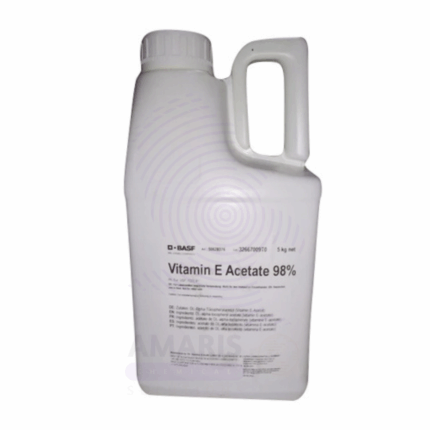
Vitamin E Acetate Oily, also known as DL-Alpha-Tocopheryl Acetate, is a synthetic, oil-soluble form of Vitamin E with high purity and exceptional oxidative stability. This viscous liquid is ideal for applications requiring direct incorporation into oil-based systems such as soft gel capsules, cosmetic formulations, and fortified edible oils. Its stability under processing and storage conditions makes it a preferred form of Vitamin E for nutritional, pharmaceutical, cosmetic, and food-grade applications.












