Preservatives(food)
 Flavors
 Acidulants
 Sweeteners
 Antioxidants
 Colorants(food)
 Nutraceutical Ingredients (food)
 Nutrient Supplements
 Emulsifiers
 Collectors
 Dust Suppressants
 Explosives and Blasting Agents
 Flocculants and Coagulants
 Frothers
 Leaching Agents
 pH Modifiers
 Precious Metal Extraction Agents
 Antioxidants(plastic)
 Colorants (Pigments, Dyes)
 Fillers and Reinforcements
 Flame Retardants
 Monomers
 Plasticizers
 Polymerization Initiators
 Stabilizers (UV, Heat)
 Antifoaming Agents
 Chelating Agents
 Coagulants and Flocculants
 Corrosion Inhibitors
 Disinfectants and Biocides
 Oxidizing Agents
 pH Adjusters
 Scale Inhibitors( water)
 Antioxidants(cosmetic)
 Emollients
 Oils
Oils Carrier Oills
 Essential Oils
 Humectants
 Preservatives
 Surfactants(cosmetic)
 Thickeners
 UV Filters
 Fertilizers
 Soil Conditioners
 Plant Growth Regulators
 Animal Feed Additives
 Biostimulants
 Pesticides (Herbicides, Insecticides, Fungicides)
 Active Pharmaceutical Ingredients (APIs)
 Excipients
 Solvents(pharmaceutical)
 Antibiotics
 Antiseptics and Disinfectants
 Vaccine Adjuvants
 Nutraceutical Ingredients (pharmaceutical)
 Analgesics & Antipyretics
 Analytical Reagents
 Solvents(lab)
 Chromatography Chemicals
 Spectroscopy Reagents
 microbiology-and-cell-culture-reagents
 Molecular Biology Reagents
 Biochemical Reagents
 Inorganic and Organic Standards
 Laboratory Safety Chemicals
 Specialty Laboratory Chemicals(Special Laboratory Equipment)
 Demulsifiers
 Hydraulic Fracturing Fluids
 Scale Inhibitors(oil)
 Surfactants(oil)
 Drilling Fluids
 Dyes and Pigments
 Bleaching Agents
 Softening Agents
 Finishing Agents
 Antistatic Agents
 Admixtures
 Waterproofing Agents
 Sealants and Adhesives
 Curing Compounds
 Concrete Repair Chemicals
 Anti-Corrosion Coatings
 Surfactants(cleaning)
 Builders
 Enzymes
 Solvents (Cleaning)
 Fragrances (Cleaning)
 Electronic Chemicals
 Catalysts
 Lubricants
 Photographic Chemicals
 Refrigerants
 Automotive chemicals
 Pyrotechnic Chemicals
 Biodegradable Surfactants
 Bio-based Solvents
 Renewable Polymers
 Carbon Capture Chemicals
 Wastewater Treatment Chemicals
 Pigments
 Solvents(paint)
 Specialty Coatings
 Binders/Resins
 Additives
 Driers
 Anti-Corrosion Agents
 Functional Coatings
 Application-Specific Coatings
 Leavening Agents
 Dough Conditioners
 Flour Treatments
 Fat Replacers
 Decoratives
 Preservatives(baking)
 Plasticizers & Softeners
 Reinforcing Agents
 Adhesion Promoters
 Vulcanizing Agents
 Antidegradants
 Blowing Agents
 Fillers & Extenders
 Accelerators & Retarders


Adipic Acid
$ 3.20
Adipic acid is a white, crystalline dicarboxylic acid with the chemical formula C₆H₁₀O₄. It is primarily used as a key raw material in the production of nylon 6,6 and also finds applications in plasticizers, polyurethanes, lubricants, and food additives (as an acidity regulator, E355).
Adipic Acid
Primary Uses
- Nylon 6,6 Production
- The #1 industrial use (~90% of global adipic acid).
- Reacts with hexamethylenediamine (HMDA) to form Nylon 6,6, used in:
- Textiles (clothing, carpets)
- Engineering plastics (car parts, electronics)
- Industrial fibers (ropes, tire cords)
- Polyurethane Foams
- Key components in flexible foams (mattresses, car seats) and coatings/adhesives.
- Food & Beverage Additive (E355)
- Acidulant in gelatin, powdered drinks, and baking powders (imparts tartness).
- pH adjuster in processed foods (regulated for safe consumption).
- Plasticizers
- Used in PVC products (cables, flooring) to improve flexibility.
- Lubricants & Greases
- Enhances thermal stability in synthetic lubricants.
Secondary Uses
- Pharmaceuticals
- Precursor for controlled-release drug formulations.
- Used in antiseptic and antifungal creams.
- Cosmetics
- pH adjuster in lotions and creams.
- Agriculture
- Slow-release fertilizer coatings.
- Electronics
- Etching agent in semiconductor manufacturing.
- Military & Explosives
- Historical use in ammonium adipate propellants (less common today).
1. Basic Identification Attributes
- Chemical Name (IUPAC): Hexanedioic acid
- Common/Trade Names:
- Adipic acid
- 1,4-Butanedicarboxylic acid
- AA (abbreviation)
- CAS Number: [124-04-9]
- HS Code: 2917.12.00 (Acyclic polycarboxylic acids)
- Molecular Formula: C₆H₁₀O₄
- Synonyms:
- Acifloctin
- Adilactetten
- Hexane-1,6-dioic acid
2. Physical & Chemical Properties
- Physical State: White crystalline powder
- Color & Odor: White; odorless
- Melting Point: 152–154°C (305–309°F)
- Boiling Point: 337°C (639°F) (decomposes)
- Density: 1.36 g/cm³ (at 25°C)
- Solubility:
- Water: 14 g/L (20°C), highly soluble in hot water
- Organic solvents: Soluble in ethanol, acetone; slightly soluble in ether
- pH Level: ~3.5 (0.1% solution, acidic)
- Vapor Pressure: <0.1 mmHg (20°C)
- Flash Point: 196°C (385°F) (closed cup)
- Autoignition Temperature: 420°C (788°F)
- Viscosity: N/A (solid)
- Refractive Index: 1.428 (20°C)
3. Safety & Hazard Attributes
- Hazard Class (GHS):
- Skin Irritation (Category 2)
- Eye Irritation (Category 2A)
- Not flammable or explosive
- NFPA Ratings:
- Health: 1
- Flammability: 1
- Reactivity: 0
- Exposure Limits:
- OSHA PEL: 5 mg/m³ (total dust)
- ACGIH TLV: 5 mg/m³ (inhalable particles)
- Reactivity:
- Stable under normal conditions
- Reacts with strong oxidizers (e.g., peroxides, chlorates)
- Forms salts with bases
4. Storage & Handling Attributes
- Storage Conditions:
- Cool, dry, well-ventilated area
- Keep away from oxidizers and moisture
- Incompatible Materials:
- Strong bases (e.g., NaOH)
- Strong oxidizers (e.g., nitric acid)
- Container Type:
- Polyethylene-lined bags or fiber drums
- Stainless steel for bulk storage
- Shelf Life: Indefinite if stored properly
- Special Handling:
- Use dust masks (NIOSH N95) to avoid inhalation
- Wear gloves and goggles to prevent irritation
5. Regulatory & Compliance Attributes
- Regulatory Status:
- FDA (USA): Approved for food use (21 CFR 184.1009)
- EU: Food additive E355
- REACH: Registered
- Hazard Symbols (GHS):
- Exclamation mark (irritant)
- Transportation Restrictions:
- Not classified as hazardous (non-regulated)
- UN number: None required
- Waste Disposal:
- Incinerate or dispose in licensed landfills
- Neutralize with base if required
6. Environmental & Health Impact
- Ecotoxicity:
- LC50 (fish): >100 mg/L (low toxicity)
- EC50 (daphnia): >100 mg/L
- Persistence in Environment:
- Readily biodegradable (>60% in 28 days, OECD 301B)
- Carcinogenicity/Mutagenicity:
- IARC: Not classified
- NTP: Not listed
- OSHA: No carcinogenic effects
- Biodegradability:
- Degrades in water/soil (half-life: days to weeks)
Safety precautions
Personal Protective Equipment (PPE):
- Gloves: Nitrile or neoprene
- Eye Protection: Chemical splash goggles
- Respiratory: N95 dust mask (for powder handling)
- Clothing: Lab coat or protective apron
Handling & Storage:
- Store in cool, dry, well-ventilated area
- Keep containers tightly closed
- Avoid contact with strong oxidizers (risk of violent reaction)
- Ground equipment to prevent static discharge
Hygiene Practices:
- No eating/drinking in handling areas
- Wash hands thoroughly after use
- Provide emergency eyewash station
First Aid Measures
Skin Contact:
- Remove contaminated clothing
- Wash with soap and water for 15 minutes
- Seek medical attention if irritation persists
Eye Contact:
- Flush with lukewarm water for 15-20 minutes
- Hold eyelids open during rinsing
- Seek immediate medical attention
Inhalation:
- Move to fresh air
- Administer oxygen if breathing is difficult
- Get medical help if symptoms persist
Ingestion:
- Rinse mouth with water
- Drink milk or water to dilute
- Do NOT induce vomiting
- Seek medical attention
Firefighting Measures
Fire Characteristics:
- Combustible solid (powder form)
- Decomposes at >230°C releasing irritating fumes
- Forms explosive dust-air mixtures
Extinguishing Media:
- Water spray
- Dry chemical powder
- CO₂
- Alcohol-resistant foam
Special Precautions:
- Wear self-contained breathing apparatus (SCBA)
- Cool containers with water spray
- Prevent dust cloud formation
Spill Management
Small Spills:
- Wear appropriate PPE
- Sweep up carefully (avoid raising dust)
- Place in sealed container
Large Spills:
- Dampen with water to control dust
- Use non-sparking tools for cleanup
- Prevent entry into drains/waterways
Disposal:
- Dispose as non-hazardous waste (unless contaminated)
- Follow local regulations
Related products
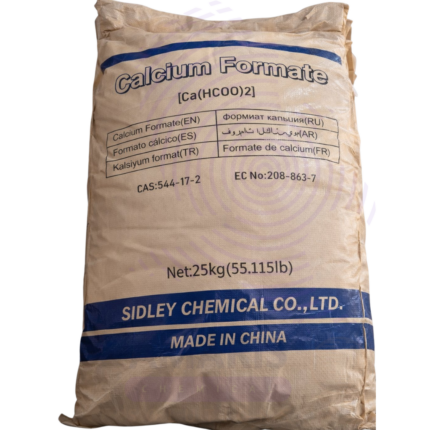
Calcium Formate
Calcium Formate is the calcium salt of formic acid, appearing as a white, free-flowing crystalline powder or granules. It is an odorless compound with a slightly bitter taste and is non-toxic. The chemical formula is Ca(HCOO)₂ with a molecular weight of 130.0 g/mol. Calcium Formate is slightly hygroscopic and readily soluble in water, with solubility of approximately 16.1 g/100 mL at 20°C. Its water solution is neutral with a pH of 6.0 to 8.0. The compound is stable under normal storage conditions and has a decomposition temperature exceeding 400°C. Technical grade Calcium Formate is manufactured for industrial applications including construction, animal feed, leather processing, and water treatment.
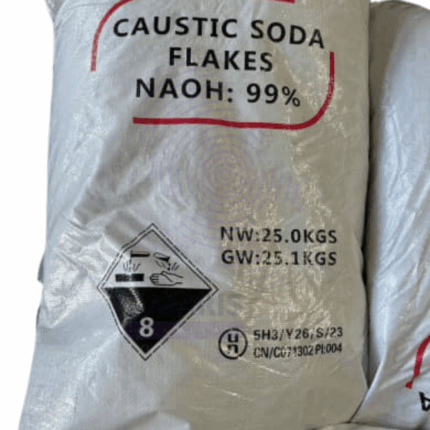
Caustic Soda Flakes (Sodium Hydroxide)
Caustic Soda Flakes, also known as Sodium Hydroxide Flakes (NaOH), are a highly alkaline, white, solid substance that is crystalline and flaky in form. Produced by evaporating aqueous sodium hydroxide solutions, these flakes are highly soluble in water and exhibit strong corrosive properties. Caustic Soda Flakes are widely used in a variety of industrial, chemical, and manufacturing processes due to their strong alkalinity, ability to saponify fats, and effectiveness in pH adjustment. Their high purity and ease of handling in flake form make them suitable for use in chemical synthesis, pulp and paper production, water treatment, and detergent manufacturing.
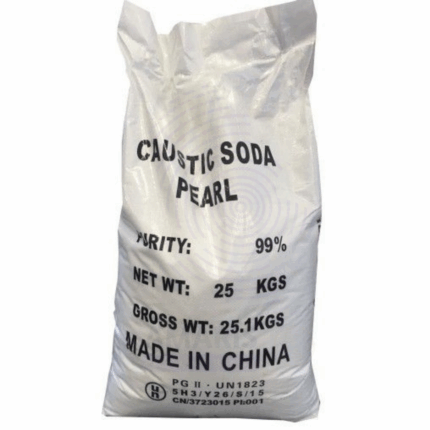
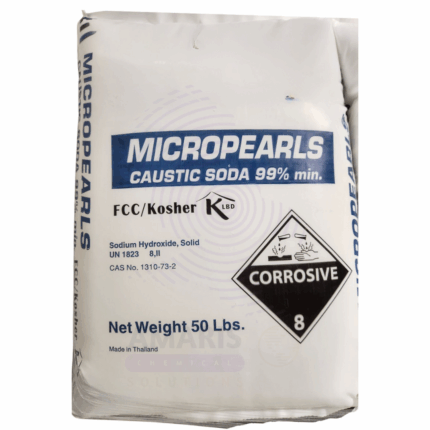
Caustic Soda Pearls
Caustic Soda Pearls are small, solid, spherical particles of sodium hydroxide (NaOH) produced by a controlled cooling and solidification process. These pearls offer superior flowability, uniform size distribution, and reduced dust generation compared to flake or powder forms. They are highly soluble in water, exhibiting a strong alkaline nature with vigorous exothermic dissolution. Caustic Soda Pearls are widely used across industries including chemical manufacturing, water treatment, pulp and paper processing, and detergents due to their purity, ease of handling, and efficient dissolution characteristics.
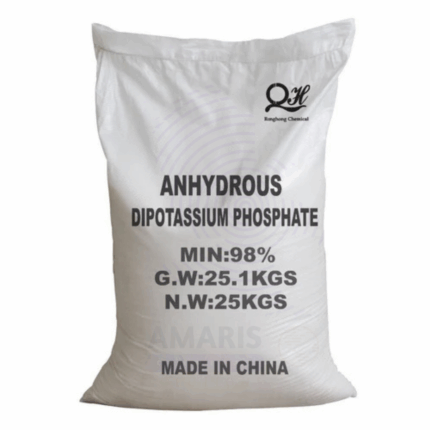
Dipotassium Hydrogen Phosphate
Dipotassium Hydrogen Phosphate (also known as dipotassium phosphate, DKP) is an inorganic salt used widely as a buffering agent, emulsifier, and nutritional supplement in various industries. It is a white, crystalline, highly water-soluble powder with alkaline properties. DKP plays a vital role in food processing, pharmaceuticals, water treatment, and agriculture due to its ability to stabilize pH, improve texture, and supply essential potassium and phosphate ions.
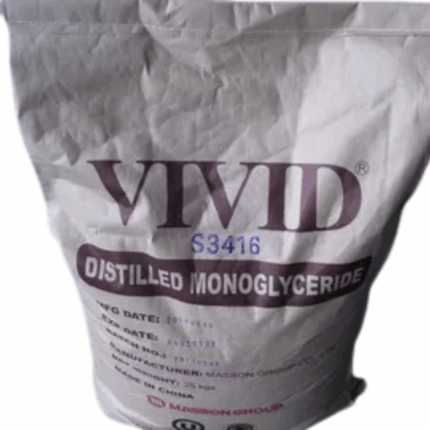
Distilled Monoglycerides Remosoft
Distilled Monoglycerides Remosoft are purified monoglycerides derived from the glycerolysis of edible fats and oils, followed by a distillation process that removes impurities and enhances purity. They are colorless to pale yellow, odorless, and possess excellent emulsifying properties. DMG is widely used in food, pharmaceutical, and cosmetic industries due to its surface-active properties, ability to stabilize emulsions, and function as an anti-caking and lubricating agent. The distilled grade ensures high purity and low free fatty acid content, making it suitable for sensitive applications.
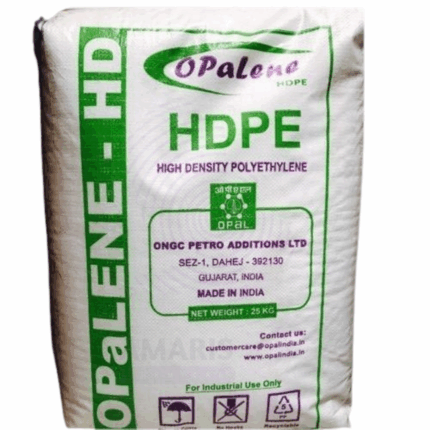
HDPE Film F52H04
HDPE Film F52H04 Opalene is a high-density polyethylene film grade resin specially engineered for producing thin, flexible, and high-strength films. It is designed for blown film extrusion processes, delivering excellent mechanical properties, superior clarity (opal/opalene finish), and consistent gauge control. This resin offers high tensile strength, good puncture resistance, and excellent moisture barrier properties, making it ideal for packaging applications requiring durability and flexibility. Its balanced processing characteristics enable fast extrusion rates and uniform film thickness.
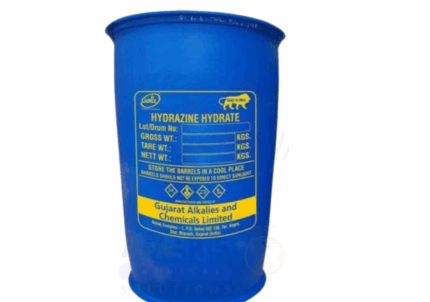
Hydrazine Food Grade
Hydrazine Food Grade is a high-purity form of hydrazine (N₂H₄), a highly reactive, colorless, and fuming liquid with a pungent ammonia-like odor. It is a powerful reducing agent and chemical intermediate widely used in industrial applications. The food-grade specification ensures purity and controlled impurity levels suitable for limited and specialized food industry uses, primarily as a processing aid or sterilizing agent. Hydrazine exhibits strong nucleophilic and reducing properties, enabling various chemical transformations and sterilization processes.