

 Preservatives(food)
 Flavors
 Acidulants
 Sweeteners
 Antioxidants
 Colorants(food)
 Nutraceutical Ingredients (food)
 Nutrient Supplements
 Emulsifiers
 Collectors
 Dust Suppressants
 Explosives and Blasting Agents
 Flocculants and Coagulants
 Frothers
 Leaching Agents
 pH Modifiers
 Precious Metal Extraction Agents
 Antioxidants(plastic)
 Colorants (Pigments, Dyes)
 Fillers and Reinforcements
 Flame Retardants
 Monomers
 Plasticizers
 Polymerization Initiators
 Stabilizers (UV, Heat)
 Antifoaming Agents
 Chelating Agents
 Coagulants and Flocculants
 Corrosion Inhibitors
 Disinfectants and Biocides
 Oxidizing Agents
 pH Adjusters
 Scale Inhibitors( water)
 Antioxidants(cosmetic)
 Emollients
 Oils
Oils Carrier Oills
 Essential Oils
 Humectants
 Preservatives
 Surfactants(cosmetic)
 Thickeners
 UV Filters
 Fragrance (Cosmetics)
 Fertilizers
 Soil Conditioners
 Plant Growth Regulators
 Animal Feed Additives
 Biostimulants
 Pesticides (Herbicides, Insecticides, Fungicides)
 Active Pharmaceutical Ingredients (APIs)
 Excipients
 Solvents(pharmaceutical)
 Antibiotics
 Antiseptics and Disinfectants
 Vaccine Adjuvants
 Nutraceutical Ingredients (pharmaceutical)
 Analgesics & Antipyretics
 Analytical Reagents
 Solvents(lab)
 Chromatography Chemicals
 Spectroscopy Reagents
 microbiology-and-cell-culture-reagents
 Molecular Biology Reagents
 Biochemical Reagents
 Inorganic and Organic Standards
 Laboratory Safety Chemicals
 Specialty Laboratory Chemicals(Special Laboratory Equipment)
 Demulsifiers
 Hydraulic Fracturing Fluids
 Scale Inhibitors(oil)
 Surfactants(oil)
 Drilling Fluids
 Dyes and Pigments
 Bleaching Agents
 Softening Agents
 Finishing Agents
 Antistatic Agents
 Admixtures
 Waterproofing Agents
 Sealants and Adhesives
 Curing Compounds
 Concrete Repair Chemicals
 Anti-Corrosion Coatings
 Surfactants(cleaning)
 Builders
 Enzymes
 Solvents (Cleaning)
 Electronic Chemicals
 Catalysts
 Lubricants
 Photographic Chemicals
 Refrigerants
 Automotive chemicals
 Pyrotechnic Chemicals
 Biodegradable Surfactants
 Bio-based Solvents
 Renewable Polymers
 Carbon Capture Chemicals
 Wastewater Treatment Chemicals
 Pigments
 Solvents(paint)
 Specialty Coatings
 Binders/Resins
 Additives
 Driers
 Anti-Corrosion Agents
 Functional Coatings
 Application-Specific Coatings
 Leavening Agents
 Dough Conditioners
 Flour Treatments
 Fat Replacers
 Decoratives
 Preservatives(baking)
 Plasticizers & Softeners
 Reinforcing Agents
 Adhesion Promoters
 Vulcanizing Agents
 Antidegradants
 Blowing Agents
 Fillers & Extenders
 Accelerators & Retarders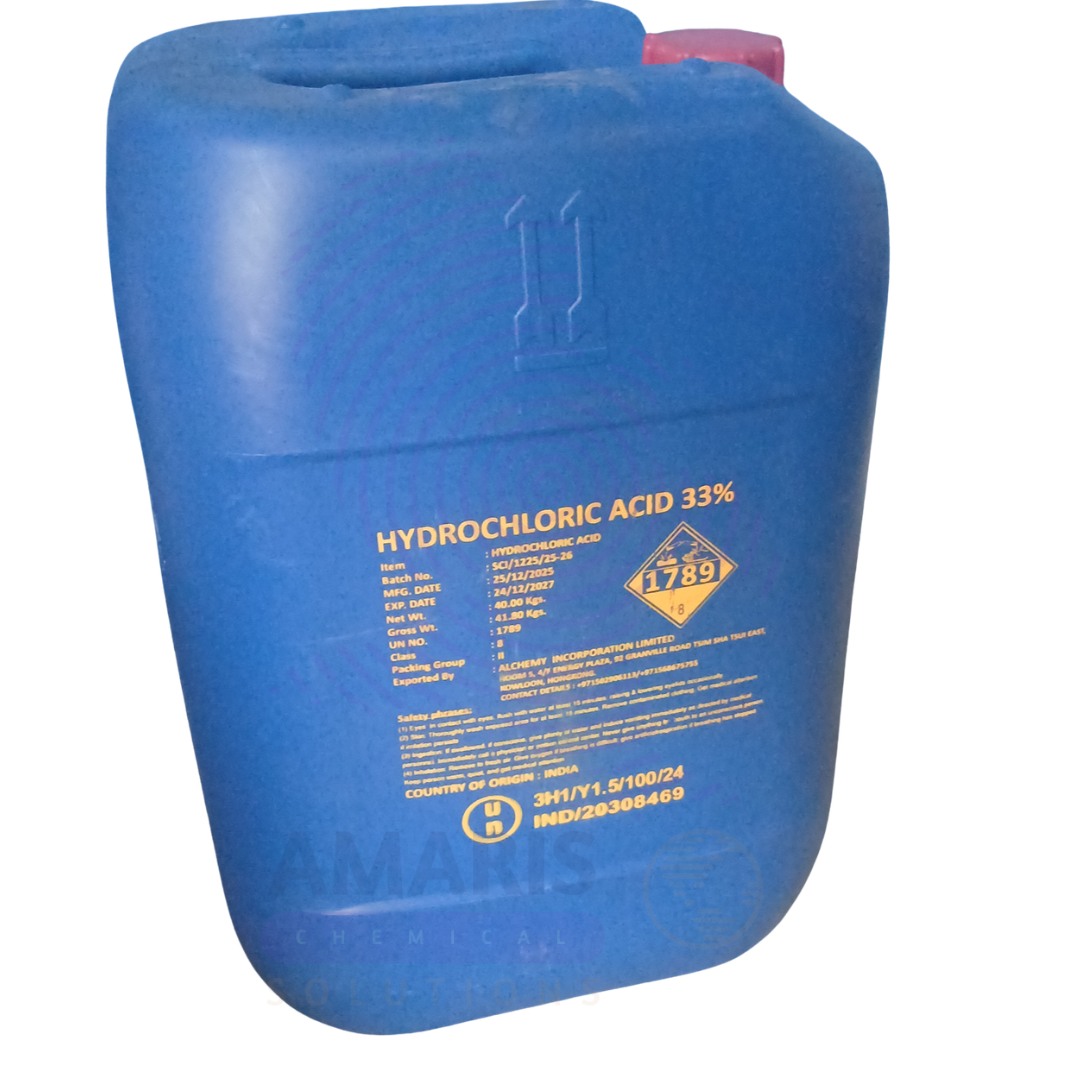



Hydrochloric Acid (HCL)
Original price was: $ 1.00.$ 0.86Current price is: $ 0.86.
Hydrochloric Acid is a clear, colorless to slightly yellow aqueous solution of hydrogen chloride gas. It is a strong, highly corrosive mineral acid with a sharp, pungent odor. The chemical formula is HCl with a molecular weight of 36.46 g/mol. Hydrochloric Acid is completely miscible with water and many organic solvents. It is non-flammable but extremely corrosive to metals and human tissue. Technical grade Hydrochloric Acid is manufactured for industrial applications including chemical manufacturing, steel pickling, oil well acidizing, water treatment, and pH adjustment. It is available in various concentrations, typically ranging from 30% to 38% by weight.
Hydrochloric Acid (HCL)
Primary Uses
1. Steel Pickling and Metal Processing
-
Removes rust, scale, and oxide layers from steel and iron surfaces prior to galvanizing, coating, or further processing
-
Used in metal cleaning and degreasing operations for ferrous and non-ferrous metals
-
Applied in aluminum etching and surface preparation for anodizing
-
Used in titanium dioxide production from ilmenite ore
-
Applied in precious metal recovery and refining processes
-
Used in electroplating bath preparation and metal surface activation
2. Oil and Gas Chemicals
-
Used in well acidizing to dissolve rock formations (limestone and dolomite) and increase oil and gas flow
-
Applied in oil well stimulation and matrix acidizing treatments
-
Used in formation cleaning and removal of drilling mud damage
-
Applied in scale removal from wellbore and production equipment
-
Used in acid fracturing operations to create conductive channels in reservoirs
3. Chemical Manufacturing
-
Raw material for producing vinyl chloride monomer (VCM), the precursor to PVC plastic
-
Used in the production of ferric chloride for water treatment and etching
-
Applied in the synthesis of calcium chloride for deicing and dust control
-
Used in the production of bisphenol A for epoxy resins and polycarbonate plastics
-
Applied in activated carbon production and regeneration
-
Used in the manufacture of chlorine dioxide for bleaching
-
Applied in the synthesis of various organic and inorganic chlorides
4. Water Treatment Chemicals
-
Used for pH adjustment and neutralization of alkaline water and wastewater
-
Applied in demineralization of water for boiler feed and industrial processes
-
Used for regeneration of cation exchange resins in water softening systems
-
Applied in reverse osmosis system cleaning and maintenance
-
Used in municipal drinking water treatment for pH control
-
Applied in industrial process water treatment for scale prevention
-
Used in swimming pool water pH adjustment
5. Cleaning and Detergent Chemicals
-
Used in industrial and household cleaners including toilet bowl cleaners, tile cleaners, and concrete cleaners
-
Applied in scale removal from boilers, heat exchangers, and cooling towers
-
Used in masonry cleaning and efflorescence removal from brick and concrete surfaces
-
Applied in dairy and food processing equipment cleaning
-
Used in membrane cleaning for desalination and water treatment plants
Secondary Uses
1. Food and Beverage Chemicals
-
Used in the production of food-grade additives including high fructose corn syrup, citric acid, and hydrolyzed vegetable protein
-
Applied in brewing and sugar refining processes for pH adjustment
-
Used in gelatin production and processing
-
Applied in corn wet milling for starch and glucose production
-
Used in the production of soy sauce and other fermented products
2. Pharmaceutical Chemicals
-
Used in the synthesis of various pharmaceutical intermediates and active pharmaceutical ingredients (APIs)
-
Applied in pH adjustment during drug manufacturing and formulation
-
Used in the production of vitamins and amino acids
-
Applied in purification processes for pharmaceutical compounds
3. Laboratory Chemicals
-
Used as a common laboratory reagent for acid-base titrations and pH adjustment
-
Applied in sample digestion for analytical chemistry
-
Used in cleaning and decontamination of laboratory glassware
-
Applied in the preparation of buffer solutions and chemical standards
4. Leather Processing Chemicals
-
Used in leather tanning and processing for pH adjustment and hide conditioning
-
Applied in deliming operations to remove lime from hides
-
Used in leather finishing and dyeing processes
5. Textile Chemicals
-
Used in textile processing for pH adjustment and fabric treatment
-
Applied in dyeing operations to control dye uptake and fixation
-
Used in fabric finishing and desizing processes
6. Construction Chemicals
-
Used in concrete surface etching and preparation before coating or sealing
-
Applied in masonry cleaning and restoration of historic buildings
-
Used in swimming pool surface cleaning and pH adjustment
-
Applied in well drilling and grouting operations
7. Mining Chemicals
-
Used in ore processing and mineral extraction operations
-
Applied in uranium leaching and recovery processes
-
Used in rare earth element extraction and purification
-
Applied in coal processing and beneficiation
8. Rubber Processing Chemicals
-
Used in latex coagulation in natural rubber processing
-
Applied in rubber reclaiming and devulcanization processes
1. Basic Identification Attributes
-
Chemical Name (IUPAC): Hydrogen chloride (aqueous solution)
-
Common/Trade Name: Hydrochloric Acid; Muriatic Acid; HCl
-
CAS Number: 7647-01-0
-
HS Code: 2806.10
-
EINECS Number: 231-595-7
-
Molecular Formula: HCl
-
Molecular Weight: 36.46 g/mol
-
Synonyms: Muriatic acid, Spirits of salt, Chlorohydric acid, Hydrogen chloride aqueous
2. Physical & Chemical Properties
-
Physical State: Clear liquid
-
Color & Odor: Colorless to light yellow; sharp, pungent, irritating odor
-
Concentration: 30% to 38% typical (technical grade); up to 40% available
-
Density: 1.14 to 1.19 g/cm³ at 20°C (depending on concentration)
-
Boiling Point: 48°C to 110°C (depends on concentration)
-
Melting Point: -26°C to -46°C (depends on concentration)
-
pH: Highly acidic (< 1 at typical concentrations)
-
Vapor Pressure: High (fumes strongly in air)
-
Solubility: Completely miscible with water; soluble in alcohol and ether
-
Viscosity: Low (similar to water)
-
Refractive Index: 1.340 to 1.370 (depending on concentration)
3. Safety & Hazard Attributes
-
GHS Classification:
-
H290: May be corrosive to metals
-
H314: Causes severe skin burns and eye damage
-
H335: May cause respiratory irritation
-
-
Toxicity: Corrosive; ingestion or inhalation can cause severe internal injury
-
Irritation: Severe burns to skin, eyes, and respiratory tract
-
Flammability: Non-flammable
-
Reactivity: Reacts violently with bases, alkalis, and many metals producing flammable hydrogen gas
-
Corrosivity: Extremely corrosive to most metals and human tissue
4. Storage & Handling Attributes
-
Storage Conditions: Store in a cool, dry, well-ventilated area away from direct sunlight and heat sources. Keep containers tightly sealed. Store in corrosion-resistant secondary containment.
-
Container Type: PVC-lined steel drums, HDPE drums, rubber-lined tankers, fiberglass tanks, or bulk storage tanks
-
Shelf Life: 12 to 24 months when stored under recommended conditions (concentration stable)
-
Handling Precautions: Always add acid to water, never water to acid; use with adequate ventilation or local exhaust; avoid contact with eyes, skin, and clothing; avoid breathing mists or vapors; wear appropriate personal protective equipment
-
Storage Measures: Store away from incompatible materials including bases, alkalis, oxidizing agents, and metals; separate storage area with containment dikes; maintain moderate temperature conditions
5. Regulatory & Compliance Attributes
-
Regulatory Status:
-
TSCA (USA): Listed
-
DSL (Canada): Listed
-
EINECS: 231-595-7
-
REACH: Registered for industrial use
-
FDA: Approved for food processing applications under good manufacturing practices
-
-
Labeling Requirements: Must carry GHS corrosion and health hazard pictograms; specific labeling for concentration and safety warnings
-
Transport Classification:
-
UN Number: 1789
-
Class: 8 (Corrosive)
-
Packing Group: II
-
-
Use Restrictions: Not for direct human consumption; requires food grade certification for food applications
6. Environmental & Health Impact
-
Biodegradability: Inorganic acid; does not biodegrade; neutralizes in natural waters
-
Ecotoxicity: Low pH causes acute toxicity to aquatic life; neutralization required before discharge
-
Bioaccumulation: Not expected to bioaccumulate
-
Environmental Fate: Dilutes and neutralizes in natural waters; reacts with soil minerals
1. Safety Handling Precautions
-
PPE Required: Chemical splash goggles or full-face shield; acid-resistant gloves (neoprene, butyl rubber, or PVC); acid-resistant apron or full protective suit; respiratory protection with acid gas cartridges if ventilation is inadequate; acid-resistant boots
-
Handling Guidelines: Always add acid to water slowly with stirring (never water to acid); use in well-ventilated areas with local exhaust ventilation; avoid generating mists or aerosols; do not eat, drink, or smoke in handling areas; wash hands thoroughly after handling; remove contaminated clothing immediately and launder before reuse; have eyewash stations and safety showers accessible
-
Storage Measures: Store in original, labeled containers with tight-fitting, acid-resistant lids; secondary containment required for bulk storage; keep away from bases, alkalis, oxidizing agents, and reactive metals; store in dedicated corrosive storage area
-
Hygiene Practices: Wash hands thoroughly after handling; shower at the end of each work shift; do not take contaminated clothing home; wash protective equipment before reuse
2. First Aid Measures
-
Inhalation: Move person to fresh air immediately. If breathing is difficult, administer oxygen. If not breathing, perform artificial respiration. Seek immediate medical attention.
-
Skin Contact: Remove contaminated clothing immediately. Rinse skin with plenty of water for at least fifteen minutes while removing contaminated clothing. Wash with soap and water. Seek immediate medical attention.
-
Eye Contact: Immediately rinse eyes with lukewarm, gently flowing water for at least fifteen minutes while holding eyelids open. Remove contact lenses if present. Seek immediate medical attention.
-
Ingestion: Rinse mouth thoroughly with water. Do NOT induce vomiting. If vomiting occurs naturally, keep head low to prevent aspiration. Drink milk or several glasses of water. Do not give carbonated beverages. Seek immediate medical attention.
3. Firefighting Measures
-
Fire Hazards: Non-flammable. Reacts with metals to produce flammable hydrogen gas which may form explosive mixtures. Contact with water may generate heat.
-
Extinguishing Media: Use dry chemical, carbon dioxide, or alcohol-resistant foam. Use water spray to cool exposed containers but avoid direct contact with acid.
-
Special Firefighting Procedures: Wear full protective clothing and self-contained breathing apparatus (SCBA); use water spray to cool exposed containers; contain firefighting runoff to prevent environmental contamination; fight fire from protected location or maximum distance
-
Hazardous Combustion Products: Hydrogen chloride gas, chlorine gas (when heated to decomposition)
Related products
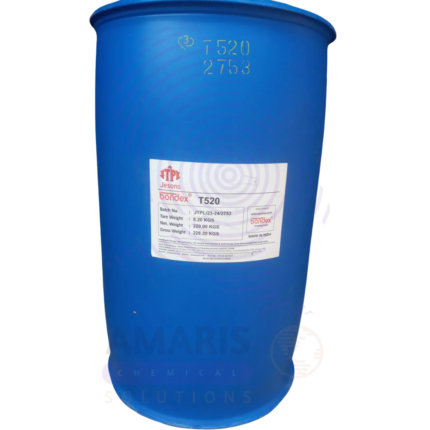
Acticide HF (Incan)
Acticide HF is a proven, broad-spectrum industrial biocide manufactured by Thor Group specifically for in-can preservation of water-based industrial products. It is a clear, colorless to pale blue or pale green liquid with a mild odor, designed for easy incorporation into aqueous formulations. The product is based on a synergistic combination of active ingredients including 5-Chloro-2-methyl-4-isothiazolin-3-one (CIT), 2-Methyl-4-isothiazolin-3-one (MIT), and formaldehyde. This well-established formulation protects water-based formulations against bacteria, molds, and yeasts, ensuring product stability and extended shelf life across demanding conditions. Technical grade Acticide HF is manufactured for industrial use and is not intended for direct human consumption, medical applications, or food preservation.
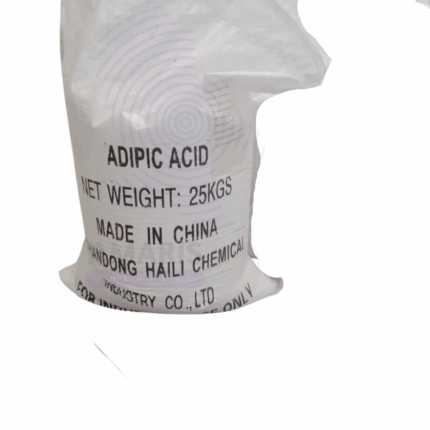
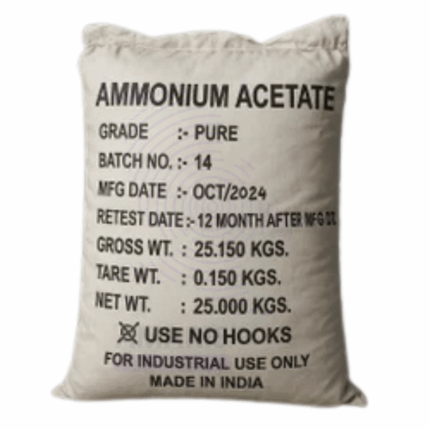
Ammonium Acetate
Ammonium acetate is a white crystalline solid or granular powder that is highly soluble in water. It is the ammonium salt of acetic acid and commonly appears as a colorless, odorless compound. Ammonium acetate is widely used in laboratories, chemical synthesis, food industry, pharmaceuticals, and industrial applications due to its buffering capacity and ability to provide both ammonium and acetate ions in solution. It functions as a neutral salt and is valued for its role as a pH buffer, reagent, and stabilizer.
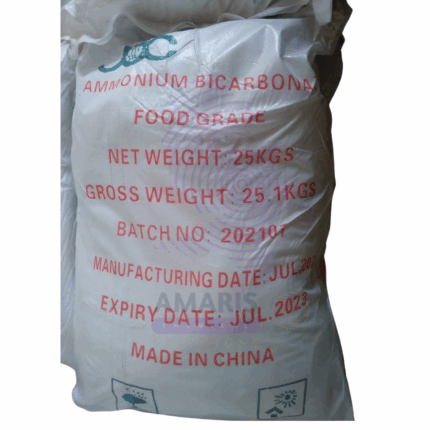
Ammonium Bicarbonate
Ammonium bicarbonate is a white crystalline powder or granules with a slightly alkaline taste and a characteristic ammoniacal odor. It is a white solid that decomposes readily on heating, releasing ammonia, carbon dioxide, and water vapor. It is widely used in the food industry as a leavening agent, in chemical synthesis, and in various industrial applications. Its unique property of decomposing to release gases makes it valuable for baking and other processes where gas release is desired.

Calcium Chloride
Calcium Chloride is an inorganic salt composed of calcium and chlorine with the chemical formula CaCl₂. It typically appears as a white crystalline solid or granular powder, highly soluble in water and exhibiting strong hygroscopic properties. Calcium Chloride is widely used for its moisture-absorbing ability, de-icing, dust control, and as a firming agent in food processing. It finds extensive applications across industrial, pharmaceutical, agricultural, and food sectors due to its efficacy in modifying physical and chemical properties of products and environments.
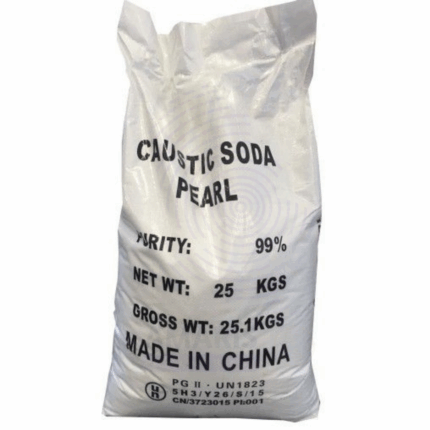
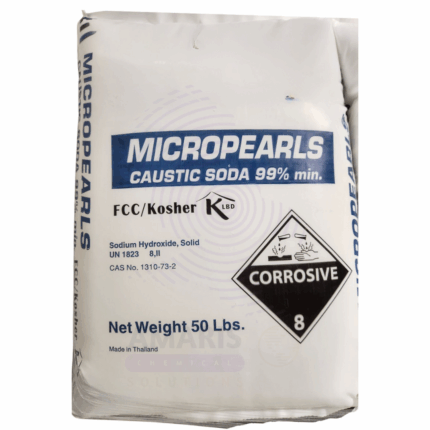
Caustic Soda Pearls
Caustic Soda Pearls are small, solid, spherical particles of sodium hydroxide (NaOH) produced by a controlled cooling and solidification process. These pearls offer superior flowability, uniform size distribution, and reduced dust generation compared to flake or powder forms. They are highly soluble in water, exhibiting a strong alkaline nature with vigorous exothermic dissolution. Caustic Soda Pearls are widely used across industries including chemical manufacturing, water treatment, pulp and paper processing, and detergents due to their purity, ease of handling, and efficient dissolution characteristics.

Potassium Metabisulphite Food Grade
Potassium Metabisulphite Food Grade is a white crystalline powder with strong antioxidant and preservative properties. It is widely used in the food and beverage industry as a disinfectant, antioxidant, and preservative to prevent spoilage and microbial growth. It also acts as a bleaching agent and sulfur dioxide (SO₂) source. This compound is critical in winemaking, brewing, and food processing to maintain product quality and extend shelf life.
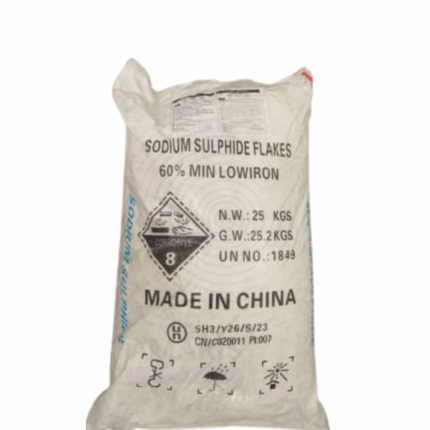
Sodium Sulphide
Sodium Sulphide (Na₂S) is a yellow to red-yellow crystalline solid or powder with a characteristic odor of hydrogen sulfide. It is highly soluble in water, forming strongly alkaline solutions. This 25kg packaged product is widely used in the chemical, leather, pulp and paper, and textile industries as a reducing agent, sulfur donor, and in flotation processes. Due to its strong reducing properties and reactivity, it must be handled with care under proper safety measures.












