

 Preservatives(food)
 Flavors
 Acidulants
 Sweeteners
 Antioxidants
 Colorants(food)
 Nutraceutical Ingredients (food)
 Nutrient Supplements
 Emulsifiers
 Collectors
 Dust Suppressants
 Explosives and Blasting Agents
 Flocculants and Coagulants
 Frothers
 Leaching Agents
 pH Modifiers
 Precious Metal Extraction Agents
 Antioxidants(plastic)
 Colorants (Pigments, Dyes)
 Fillers and Reinforcements
 Flame Retardants
 Monomers
 Plasticizers
 Polymerization Initiators
 Stabilizers (UV, Heat)
 Antifoaming Agents
 Chelating Agents
 Coagulants and Flocculants
 Corrosion Inhibitors
 Disinfectants and Biocides
 Oxidizing Agents
 pH Adjusters
 Scale Inhibitors( water)
 Antioxidants(cosmetic)
 Emollients
 Oils
Oils Carrier Oills
 Essential Oils
 Humectants
 Preservatives
 Surfactants(cosmetic)
 Thickeners
 UV Filters
 Fragrance (Cosmetics)
 Fertilizers
 Soil Conditioners
 Plant Growth Regulators
 Animal Feed Additives
 Biostimulants
 Pesticides (Herbicides, Insecticides, Fungicides)
 Active Pharmaceutical Ingredients (APIs)
 Excipients
 Solvents(pharmaceutical)
 Antibiotics
 Antiseptics and Disinfectants
 Vaccine Adjuvants
 Nutraceutical Ingredients (pharmaceutical)
 Analgesics & Antipyretics
 Analytical Reagents
 Solvents(lab)
 Chromatography Chemicals
 Spectroscopy Reagents
 microbiology-and-cell-culture-reagents
 Molecular Biology Reagents
 Biochemical Reagents
 Inorganic and Organic Standards
 Laboratory Safety Chemicals
 Specialty Laboratory Chemicals(Special Laboratory Equipment)
 Demulsifiers
 Hydraulic Fracturing Fluids
 Scale Inhibitors(oil)
 Surfactants(oil)
 Drilling Fluids
 Dyes and Pigments
 Bleaching Agents
 Softening Agents
 Finishing Agents
 Antistatic Agents
 Admixtures
 Waterproofing Agents
 Sealants and Adhesives
 Curing Compounds
 Concrete Repair Chemicals
 Anti-Corrosion Coatings
 Surfactants(cleaning)
 Builders
 Enzymes
 Solvents (Cleaning)
 Electronic Chemicals
 Catalysts
 Lubricants
 Photographic Chemicals
 Refrigerants
 Automotive chemicals
 Pyrotechnic Chemicals
 Biodegradable Surfactants
 Bio-based Solvents
 Renewable Polymers
 Carbon Capture Chemicals
 Wastewater Treatment Chemicals
 Pigments
 Solvents(paint)
 Specialty Coatings
 Binders/Resins
 Additives
 Driers
 Anti-Corrosion Agents
 Functional Coatings
 Application-Specific Coatings
 Leavening Agents
 Dough Conditioners
 Flour Treatments
 Fat Replacers
 Decoratives
 Preservatives(baking)
 Plasticizers & Softeners
 Reinforcing Agents
 Adhesion Promoters
 Vulcanizing Agents
 Antidegradants
 Blowing Agents
 Fillers & Extenders
 Accelerators & Retarders
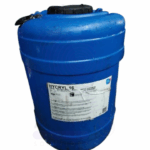


Hydrazine Food Grade
Hydrazine Food Grade is a high-purity form of hydrazine (N₂H₄), a highly reactive, colorless, and fuming liquid with a pungent ammonia-like odor. It is a powerful reducing agent and chemical intermediate widely used in industrial applications. The food-grade specification ensures purity and controlled impurity levels suitable for limited and specialized food industry uses, primarily as a processing aid or sterilizing agent. Hydrazine exhibits strong nucleophilic and reducing properties, enabling various chemical transformations and sterilization processes.
Hydrazine Food Grade
Primary Uses
- Food Industry
- Utilized as a processing aid in the manufacture of food additives such as azodicarbonamide, which acts as a flour bleaching and dough conditioning agent in baked goods.
- Employed in food packaging production processes where it serves as a chemical intermediate for polymer synthesis.
- Used in sterilization and sanitization of food processing equipment and water treatment, ensuring microbial control without residual toxicity when used properly.
- Applied in fumigation and microbial control in food storage facilities under strict regulatory guidelines.
- Pharmaceutical and Chemical Industry
- Functions as a chemical intermediate in the synthesis of pharmaceuticals, agrochemicals, and polymer resins used indirectly in food-contact materials.
- Acts as a reducing agent in various chemical syntheses integral to producing food-grade ingredients.
- Water Treatment
- Used as an oxygen scavenger in boiler feedwater and cooling systems within food processing plants to prevent corrosion and microbial growth.
Secondary Uses
- Laboratory and Analytical Chemistry
- Utilized in analytical procedures for detecting certain metals and compounds in food samples.
- Biochemical Research
- Applied as a reagent in enzyme assays and biochemical studies relevant to food science.
1. Basic Identification Attributes
- Chemical Name (IUPAC): Hydrazine hydrate (Food Grade)
- Common/Trade Name: Hydrazine Food Grade
- CAS Number: 302-01-2 (anhydrous hydrazine), typically supplied as hydrate solution
- HS Code: 2811.19.00
- Molecular Formula: N₂H₄ (anhydrous), typically supplied as N₂H₄·H₂O (hydrate)
- Synonyms: Diamine; Hydrazine hydrate (food grade)
2. Physical & Chemical Properties
- Physical State: Clear, colorless to pale yellow liquid
- Color & Odor: Odor of ammonia; pungent, sharp odor
- Boiling Point: ~113°C (hydrate)
- Melting Point: 2°C (hydrate)
- Density: ~1.032 g/cm³ (hydrated solution)
- Solubility: Miscible with water and most polar solvents
- pH: Alkaline (pH ~10–11 for aqueous solutions)
- Stability: Stable under alkaline, cool, and dark conditions; reactive and decomposes under acidic or heat exposure
3. Safety & Hazard Attributes
- GHS Classification: Acute Toxicity (Oral, Dermal, Inhalation), Corrosive, Flammable, Mutagenic (Classifications vary by concentration)
- Toxicity: Highly toxic and corrosive; handle with extreme care
- Exposure Limits: Strict occupational exposure limits due to toxicity and volatility
4. Storage & Handling Attributes
- Container Type: High-density polyethylene or stainless steel containers resistant to corrosion
- Storage Conditions: Store in cool, well-ventilated, secure area away from acids, oxidizers, and heat sources
- Shelf Life: Typically 6–12 months under recommended storage
- Handling Notes: Use explosion-proof ventilation; avoid contact with incompatible substances
5. Regulatory & Compliance Attributes
- Permitted uses regulated by food safety authorities; approved only for specific processing aids and indirect food contact applications
- Compliance with FDA, EFSA, and other regional food safety standards where applicable
- Subject to strict transport and handling regulations due to toxicity and hazard classification
6. Environmental & Health Impact
- Biodegradability: Readily biodegradable in aerobic environments
- Ecotoxicity: Toxic to aquatic life; avoid environmental release
- Bioaccumulation: Not expected to bioaccumulate
- Carcinogenicity/Mutagenicity: Classified as a possible mutagen and carcinogen; use restricted and controlled
Safety Handling Precautions
- PPE Required: Full chemical protective suit, gloves resistant to hydrazine, chemical goggles, and self-contained breathing apparatus in case of spills or high exposure
- Handling Guidelines: Use in well-ventilated areas or fume hoods; avoid all direct contact; no ignition sources nearby
- Hygiene Practices: Immediate washing if contact occurs; thorough decontamination after handling
First Aid Measures
- Inhalation: Move victim to fresh air immediately; administer oxygen if breathing is difficult; seek emergency medical care promptly
- Skin Contact: Remove contaminated clothing; rinse skin with plenty of water for at least 15 minutes; seek immediate medical attention
- Eye Contact: Rinse eyes thoroughly with water for at least 15 minutes; urgent medical evaluation required
- Ingestion: Do NOT induce vomiting; rinse mouth and seek immediate emergency medical assistance
Firefighting Measures
- Fire Hazards: Flammable and may form explosive mixtures with air; releases toxic nitrogen oxides and ammonia when burning
- Extinguishing Media: Use dry chemical, foam, or carbon dioxide; avoid water jets as they may spread the fire
- Special Precautions: Firefighters must wear full protective gear and self-contained breathing apparatus
- Combustion Products: Toxic gases including nitrogen oxides and ammonia
Related products
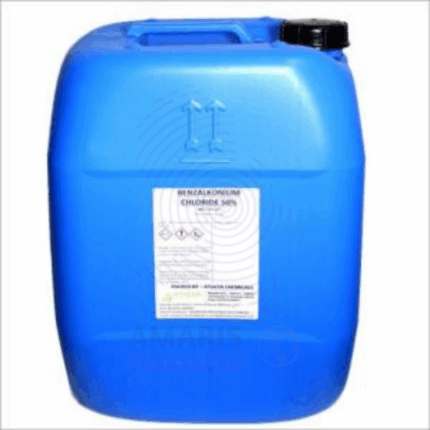
Benzyl Konium Chloride
Benzyl Konium Chloride (BAC) 50% is a quaternary ammonium compound with potent antimicrobial and disinfectant properties. It is a cationic surfactant widely used for its bactericidal, fungicidal, and virucidal effects. This clear to pale yellow liquid concentrate is highly soluble in water and is commonly used in healthcare, sanitation, and industrial hygiene applications. BAC 50% solutions serve as active ingredients in disinfectants, sanitizers, and antiseptics due to their effectiveness against a broad spectrum of microorganisms.
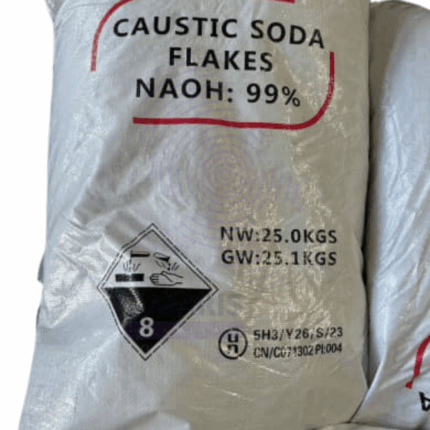
Caustic Soda Flakes (Sodium Hydroxide)
Caustic Soda Flakes, also known as Sodium Hydroxide Flakes (NaOH), are a highly alkaline, white, solid substance that is crystalline and flaky in form. Produced by evaporating aqueous sodium hydroxide solutions, these flakes are highly soluble in water and exhibit strong corrosive properties. Caustic Soda Flakes are widely used in a variety of industrial, chemical, and manufacturing processes due to their strong alkalinity, ability to saponify fats, and effectiveness in pH adjustment. Their high purity and ease of handling in flake form make them suitable for use in chemical synthesis, pulp and paper production, water treatment, and detergent manufacturing.
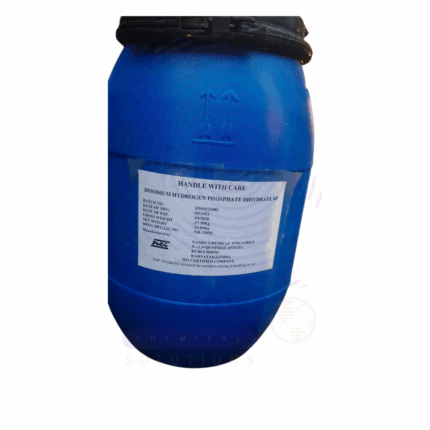
Disodium Hydrogen Phosphate Dihydrate
Disodium Hydrogen Phosphate Dihydrate is the hydrated form of disodium hydrogen phosphate, a white crystalline powder commonly used as a buffering agent, emulsifier, and sequestrant. The dihydrate form contains two water molecules per formula unit, which affects its physical properties such as melting point and solubility. It is widely applied in food, pharmaceutical, water treatment, and industrial processes to maintain pH stability, improve texture, and supply essential sodium and phosphate ions.
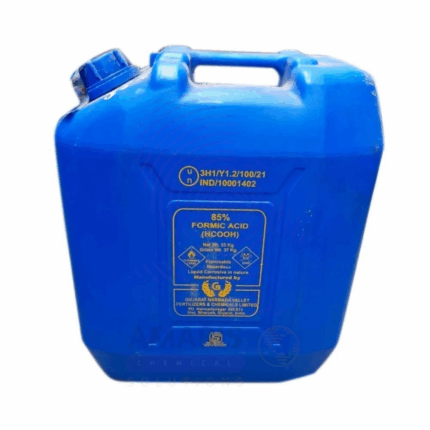
Formic Acid
Formic Acid (methanoic acid) is the simplest carboxylic acid, typically supplied as an 85% aqueous solution. It is a colorless liquid with a pungent, penetrating odor and strong acidic properties. Formic Acid naturally occurs in insect stings and plant secretions and is widely used in chemical synthesis, agriculture, textile, leather, and rubber industries. The 85% solution balances potency and safe handling for industrial applications. It serves as a preservative, antibacterial agent, and intermediate chemical in numerous manufacturing processes.
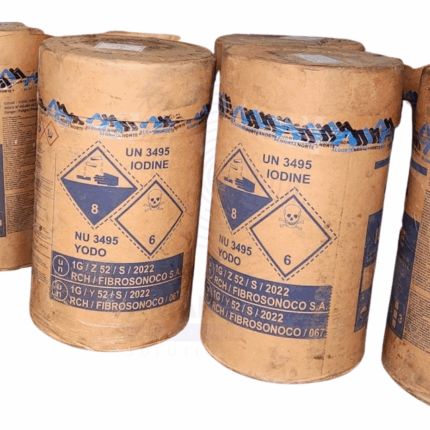
Iodine Crystals
Iodine Crystals are high-purity elemental iodine in solid crystalline form. These dark violet-black crystals have a characteristic pungent odor and sublime easily at room temperature, releasing violet iodine vapors. Iodine is a halogen element widely used for its antiseptic, oxidizing, and chemical reagent properties in pharmaceutical, industrial, and laboratory applications.

Liquid Chlorine
Liquid Chlorine is a pale yellow-green, highly reactive chemical primarily composed of chlorine dissolved in water or as liquefied chlorine gas under pressure. It is widely used as a powerful disinfectant, bleaching agent, and oxidizer in water treatment, sanitation, and various industrial applications. Due to its strong antimicrobial properties, liquid chlorine effectively controls bacteria, viruses, algae, and other microorganisms, ensuring safe potable water and hygienic conditions.
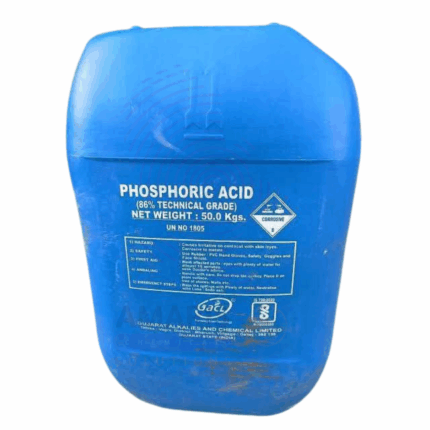
Phosphoric acid Technical Grade
Phosphoric Acid Technical Grade is a concentrated, inorganic acid primarily used in industrial applications. It typically contains minor impurities compared to food or pharmaceutical grades but maintains excellent performance as an acidulant, rust remover, and intermediate chemical. This grade is widely used in manufacturing fertilizers, detergents, metal treatment, and other industrial processes where high purity is not critical but effective acidic properties are required.












