

 Preservatives(food)
 Flavors
 Acidulants
 Sweeteners
 Antioxidants
 Colorants(food)
 Nutraceutical Ingredients (food)
 Nutrient Supplements
 Emulsifiers
 Collectors
 Dust Suppressants
 Explosives and Blasting Agents
 Flocculants and Coagulants
 Frothers
 Leaching Agents
 pH Modifiers
 Precious Metal Extraction Agents
 Antioxidants(plastic)
 Colorants (Pigments, Dyes)
 Fillers and Reinforcements
 Flame Retardants
 Monomers
 Plasticizers
 Polymerization Initiators
 Stabilizers (UV, Heat)
 Antifoaming Agents
 Chelating Agents
 Coagulants and Flocculants
 Corrosion Inhibitors
 Disinfectants and Biocides
 Oxidizing Agents
 pH Adjusters
 Scale Inhibitors( water)
 Antioxidants(cosmetic)
 Emollients
 Oils
Oils Carrier Oills
 Essential Oils
 Humectants
 Preservatives
 Surfactants(cosmetic)
 Thickeners
 UV Filters
 Fragrance (Cosmetics)
 Fertilizers
 Soil Conditioners
 Plant Growth Regulators
 Animal Feed Additives
 Biostimulants
 Pesticides (Herbicides, Insecticides, Fungicides)
 Active Pharmaceutical Ingredients (APIs)
 Excipients
 Solvents(pharmaceutical)
 Antibiotics
 Antiseptics and Disinfectants
 Vaccine Adjuvants
 Nutraceutical Ingredients (pharmaceutical)
 Analgesics & Antipyretics
 Analytical Reagents
 Solvents(lab)
 Chromatography Chemicals
 Spectroscopy Reagents
 microbiology-and-cell-culture-reagents
 Molecular Biology Reagents
 Biochemical Reagents
 Inorganic and Organic Standards
 Laboratory Safety Chemicals
 Specialty Laboratory Chemicals(Special Laboratory Equipment)
 Demulsifiers
 Hydraulic Fracturing Fluids
 Scale Inhibitors(oil)
 Surfactants(oil)
 Drilling Fluids
 Dyes and Pigments
 Bleaching Agents
 Softening Agents
 Finishing Agents
 Antistatic Agents
 Admixtures
 Waterproofing Agents
 Sealants and Adhesives
 Curing Compounds
 Concrete Repair Chemicals
 Anti-Corrosion Coatings
 Surfactants(cleaning)
 Builders
 Enzymes
 Solvents (Cleaning)
 Electronic Chemicals
 Catalysts
 Lubricants
 Photographic Chemicals
 Refrigerants
 Automotive chemicals
 Pyrotechnic Chemicals
 Biodegradable Surfactants
 Bio-based Solvents
 Renewable Polymers
 Carbon Capture Chemicals
 Wastewater Treatment Chemicals
 Pigments
 Solvents(paint)
 Specialty Coatings
 Binders/Resins
 Additives
 Driers
 Anti-Corrosion Agents
 Functional Coatings
 Application-Specific Coatings
 Leavening Agents
 Dough Conditioners
 Flour Treatments
 Fat Replacers
 Decoratives
 Preservatives(baking)
 Plasticizers & Softeners
 Reinforcing Agents
 Adhesion Promoters
 Vulcanizing Agents
 Antidegradants
 Blowing Agents
 Fillers & Extenders
 Accelerators & Retarders
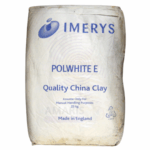


Bentonite Powder
Bentonite powder is a naturally occurring absorbent clay primarily composed of montmorillonite, a type of smectite clay mineral. It exhibits excellent swelling and water absorption properties, making it highly versatile in industrial and commercial applications. Bentonite forms a gel-like substance when mixed with water, which imparts viscosity and plasticity. It is used extensively for its binding, sealing, and adsorptive characteristics. Its fine powder form allows for easy incorporation in various processes including drilling, foundry, cosmetics, pharmaceuticals, and agriculture.
Bentonite Powder
Primary Uses
- Drilling Industry:
- Used as a drilling mud additive to lubricate and cool drill bits, remove cuttings, and stabilize boreholes. The swelling nature helps prevent fluid loss.
- Foundry:
- Acts as a binder in mold and core sands to improve mold strength and surface finish during metal casting.
- Cosmetics & Personal Care:
- Used as a thickener, absorbent, and cleansing agent in facial masks, powders, and creams for skin detoxification.
- Pharmaceuticals:
- Used as an excipient, adsorbent, and anti-caking agent in medicinal formulations. Also applied in antidiarrheal products for its absorbent properties.
- Agriculture:
- Improves soil water retention, controls erosion, and acts as a carrier for pesticides and fertilizers.
- Pet Care:
- Common ingredient in cat litter due to its clumping and odor-absorbing abilities.
Secondary Uses
- Environmental:
- Used in waste water treatment as a flocculant and for heavy metal adsorption.
- Construction:
- Utilized as a waterproofing agent in sealing ponds, landfills, and foundations.
- Food Industry:
- Used as a clarifying agent in wine, juice, and vinegar production.
- Industrial Applications:
- Serves as a binder in pharmaceuticals, paints, adhesives, and ceramics manufacturing.
- Animal Feed:
- Acts as an anti-caking agent and mycotoxin binder in livestock feed.
1. Basic Identification Attributes
- Chemical Name (IUPAC): Sodium calcium aluminum magnesium silicate hydrate (varies by type)
- Common/Trade Name: Bentonite Powder
- CAS Number: 1302-78-9
- HS Code: 2508.10.00
- Molecular Formula: (Na,Ca)₀.₃(Al,Mg)₂Si₄O₁₀(OH)₂·nH₂O (varies)
- Synonyms: Montmorillonite clay, swelling clay, sodium bentonite, calcium bentonite
2. Physical & Chemical Properties
- Physical State: Fine powder
- Color & Odor: Off-white to pale gray, odorless
- Particle Size: Typically <75 microns
- Specific Gravity: 2.5–2.8
- Swelling Capacity: High, can swell several times its dry volume in water
- Solubility: Insoluble in water, disperses to form colloidal suspension
- pH (1% suspension): 8–10 (alkaline)
- Thermal Stability: Stable up to ~800°C before decomposition
3. Safety & Hazard Attributes
- Hazard Class (GHS): Not classified as hazardous
- NFPA Ratings: Health 1, Flammability 0, Reactivity 0
- Exposure Limits: OSHA PEL = 15 mg/m³ (total dust), ACGIH TLV = 10 mg/m³ (respirable dust)
- Reactivity: Chemically inert under normal conditions
- Incompatibilities: Strong acids and alkalis can alter clay structure
4. Storage & Handling Attributes
- Storage Conditions: Store in dry, well-ventilated areas to avoid moisture absorption and caking
- Container Type: Sealed bags or drums, moisture-proof packaging preferred
- Shelf Life: Indefinite if kept dry and uncontaminated
- Special Handling: Minimize dust generation; use dust masks in dusty environments
5. Regulatory & Compliance Attributes
- Regulatory Status: Generally recognized as safe for many uses (e.g., FDA approved for food contact)
- Transportation: Non-hazardous material
- Waste Disposal: Dispose in accordance with local environmental regulations
6. Environmental & Health Impact
- Ecotoxicity: Low toxicity to aquatic life; biodegradable
- Persistence: Naturally occurring mineral, stable in environment
- Carcinogenicity/Mutagenicity: Not classified as carcinogenic
- Biodegradability: Inorganic mineral, not biodegradable but environmentally benign
Safety Handling Precautions
- PPE: Use gloves, dust masks or respirators, and safety goggles when handling powder to prevent inhalation and eye contact.
- Dust Control: Employ local exhaust ventilation and dust suppression techniques.
- Hygiene: Avoid inhalation of dust; wash hands after use; no eating or smoking in work areas.
- Storage: Keep dry to avoid clumping and microbial growth.
First Aid Measures
- Inhalation: Move to fresh air; seek medical attention if respiratory symptoms develop.
- Skin Contact: Wash skin thoroughly with soap and water; seek medical advice if irritation occurs.
- Eye Contact: Rinse eyes with plenty of water for at least 15 minutes; seek medical attention if irritation persists.
- Ingestion: Rinse mouth with water; seek medical advice if large quantities ingested.
Firefighting Measures
- Fire Hazards: Non-flammable; dust may present minor explosion hazard in high concentrations.
- Extinguishing Media: Use water spray, foam, dry chemical, or CO₂ as appropriate for surrounding fire.
- Special Precautions: Avoid creating dust clouds; wear protective equipment to prevent inhalation.
Related products
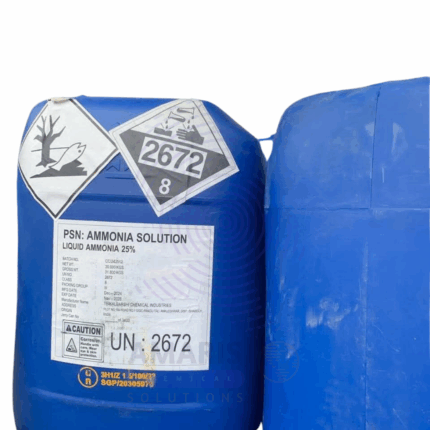
Ammonia solution
Ammonia solutions, often referred to as aqueous ammonia or ammonium hydroxide, are clear, colorless liquids consisting of ammonia gas dissolved in water. The concentration of ammonia in these solutions typically ranges from 5% to 35% by weight. Ammonia solutions possess a pungent odor characteristic of ammonia gas and are alkaline with a pH typically between 11 and 12.5. This solution is widely used across various industries due to its excellent cleaning properties, reactivity, and role as a nitrogen source.
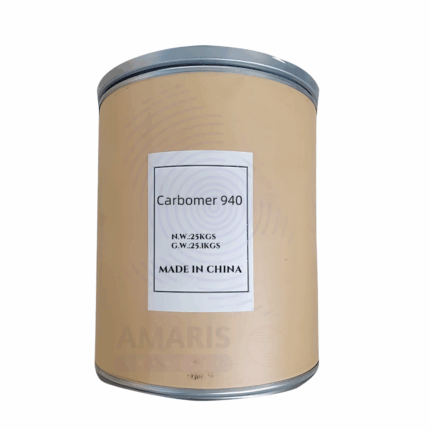
Carbomer
Carbomer is a high molecular weight, crosslinked polyacrylic acid polymer used primarily as a rheology modifier, thickening agent, and suspension stabilizer. Supplied as a fluffy white powder, it exhibits high viscosity and excellent clarity when neutralized and dispersed in water or alcohol-water systems. Carbomer 940 is widely valued for its ability to form clear gels, control flow properties, and stabilize emulsions. It is commonly used in cosmetics, personal care, pharmaceuticals, and household formulations due to its consistency, compatibility, and efficient thickening performance at low concentrations.
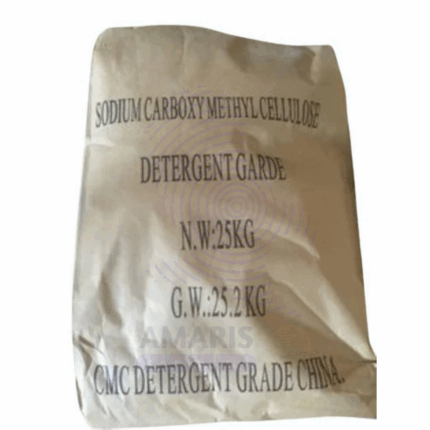
Carboxymethyl Cellulose Detergent Grade
Carboxymethyl Cellulose Detergent Grade is a water-soluble cellulose derivative produced by the etherification of cellulose with monochloroacetic acid. It is a fine, white to off-white powder with excellent thickening, stabilizing, and water retention properties. The detergent grade of CMC is specifically tailored to meet the requirements of laundry and cleaning formulations, offering superior dispersing and anti-redeposition performance. It is biodegradable, non-toxic, and widely used as a functional additive to enhance cleaning efficiency and fabric care in detergent products. Its excellent compatibility with surfactants and enzymes makes it an essential ingredient in both powder and liquid detergents.
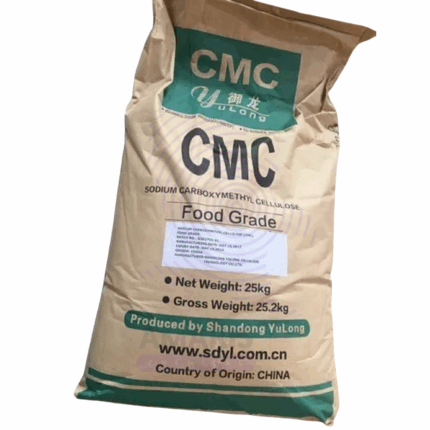
Carboxymethyl Cellulose Food Grade
Carboxymethyl Cellulose Food Grade is a water-soluble cellulose derivative produced by the etherification of cellulose with monochloroacetic acid. It appears as a fine, white to off-white powder with excellent thickening, stabilizing, and water retention properties. Designed specifically for food applications, this grade complies with food safety regulations and is widely used as a texture modifier, stabilizer, and emulsifier in a variety of processed foods. It enhances product consistency, extends shelf life, and improves moisture retention without altering taste or odor. Being non-toxic, biodegradable, and non-caloric, it is considered safe for human consumption and is approved as a food additive in many countries.
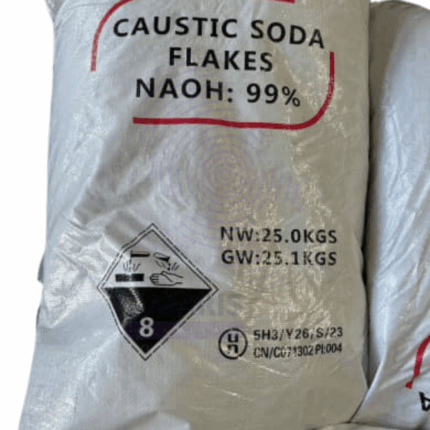
Caustic Soda Flakes (Sodium Hydroxide)
Caustic Soda Flakes, also known as Sodium Hydroxide Flakes (NaOH), are a highly alkaline, white, solid substance that is crystalline and flaky in form. Produced by evaporating aqueous sodium hydroxide solutions, these flakes are highly soluble in water and exhibit strong corrosive properties. Caustic Soda Flakes are widely used in a variety of industrial, chemical, and manufacturing processes due to their strong alkalinity, ability to saponify fats, and effectiveness in pH adjustment. Their high purity and ease of handling in flake form make them suitable for use in chemical synthesis, pulp and paper production, water treatment, and detergent manufacturing.
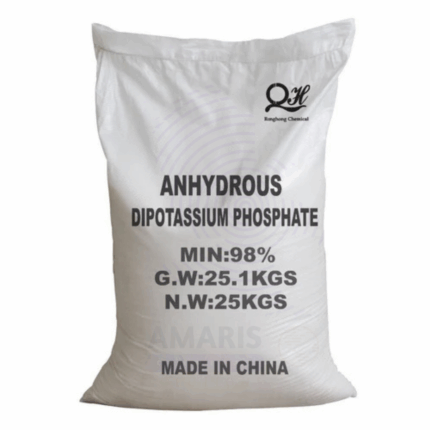
Dipotassium Hydrogen Phosphate
Dipotassium Hydrogen Phosphate (also known as dipotassium phosphate, DKP) is an inorganic salt used widely as a buffering agent, emulsifier, and nutritional supplement in various industries. It is a white, crystalline, highly water-soluble powder with alkaline properties. DKP plays a vital role in food processing, pharmaceuticals, water treatment, and agriculture due to its ability to stabilize pH, improve texture, and supply essential potassium and phosphate ions.
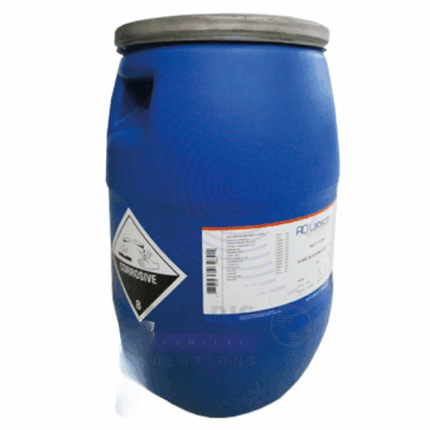
Disodium Hydrogen Phosphate
Disodium Hydrogen Phosphate, also known as sodium phosphate dibasic, is an inorganic salt widely used as a buffering agent, emulsifier, and food additive. It appears as a white, odorless crystalline powder or granules that are highly soluble in water and alkaline in nature. It plays a crucial role in maintaining pH balance, stabilizing formulations, and supplying essential sodium and phosphate ions in various industries including food, pharmaceuticals, water treatment, and agriculture.

Sodium Bicarbonate
Sodium Bicarbonate, commonly known as Baking Soda, is a white crystalline powder with a mildly alkaline taste. It is widely used across multiple industries for its excellent buffering, neutralizing, and leavening properties. This compound is safe for food applications and also finds uses in pharmaceuticals, cleaning, and industrial processes. Its ability to react with acids releasing carbon dioxide makes it essential for baking and other chemical applications.












