

 Preservatives(food)
 Flavors
 Acidulants
 Sweeteners
 Antioxidants
 Colorants(food)
 Nutraceutical Ingredients (food)
 Nutrient Supplements
 Emulsifiers
 Collectors
 Dust Suppressants
 Explosives and Blasting Agents
 Flocculants and Coagulants
 Frothers
 Leaching Agents
 pH Modifiers
 Precious Metal Extraction Agents
 Antioxidants(plastic)
 Colorants (Pigments, Dyes)
 Fillers and Reinforcements
 Flame Retardants
 Monomers
 Plasticizers
 Polymerization Initiators
 Stabilizers (UV, Heat)
 Antifoaming Agents
 Chelating Agents
 Coagulants and Flocculants
 Corrosion Inhibitors
 Disinfectants and Biocides
 Oxidizing Agents
 pH Adjusters
 Scale Inhibitors( water)
 Antioxidants(cosmetic)
 Emollients
 Oils
Oils Carrier Oills
 Essential Oils
 Humectants
 Preservatives
 Surfactants(cosmetic)
 Thickeners
 UV Filters
 Fragrance (Cosmetics)
 Fertilizers
 Soil Conditioners
 Plant Growth Regulators
 Animal Feed Additives
 Biostimulants
 Pesticides (Herbicides, Insecticides, Fungicides)
 Active Pharmaceutical Ingredients (APIs)
 Excipients
 Solvents(pharmaceutical)
 Antibiotics
 Antiseptics and Disinfectants
 Vaccine Adjuvants
 Nutraceutical Ingredients (pharmaceutical)
 Analgesics & Antipyretics
 Analytical Reagents
 Solvents(lab)
 Chromatography Chemicals
 Spectroscopy Reagents
 microbiology-and-cell-culture-reagents
 Molecular Biology Reagents
 Biochemical Reagents
 Inorganic and Organic Standards
 Laboratory Safety Chemicals
 Specialty Laboratory Chemicals(Special Laboratory Equipment)
 Demulsifiers
 Hydraulic Fracturing Fluids
 Scale Inhibitors(oil)
 Surfactants(oil)
 Drilling Fluids
 Dyes and Pigments
 Bleaching Agents
 Softening Agents
 Finishing Agents
 Antistatic Agents
 Admixtures
 Waterproofing Agents
 Sealants and Adhesives
 Curing Compounds
 Concrete Repair Chemicals
 Anti-Corrosion Coatings
 Surfactants(cleaning)
 Builders
 Enzymes
 Solvents (Cleaning)
 Electronic Chemicals
 Catalysts
 Lubricants
 Photographic Chemicals
 Refrigerants
 Automotive chemicals
 Pyrotechnic Chemicals
 Biodegradable Surfactants
 Bio-based Solvents
 Renewable Polymers
 Carbon Capture Chemicals
 Wastewater Treatment Chemicals
 Pigments
 Solvents(paint)
 Specialty Coatings
 Binders/Resins
 Additives
 Driers
 Anti-Corrosion Agents
 Functional Coatings
 Application-Specific Coatings
 Leavening Agents
 Dough Conditioners
 Flour Treatments
 Fat Replacers
 Decoratives
 Preservatives(baking)
 Plasticizers & Softeners
 Reinforcing Agents
 Adhesion Promoters
 Vulcanizing Agents
 Antidegradants
 Blowing Agents
 Fillers & Extenders
 Accelerators & Retarders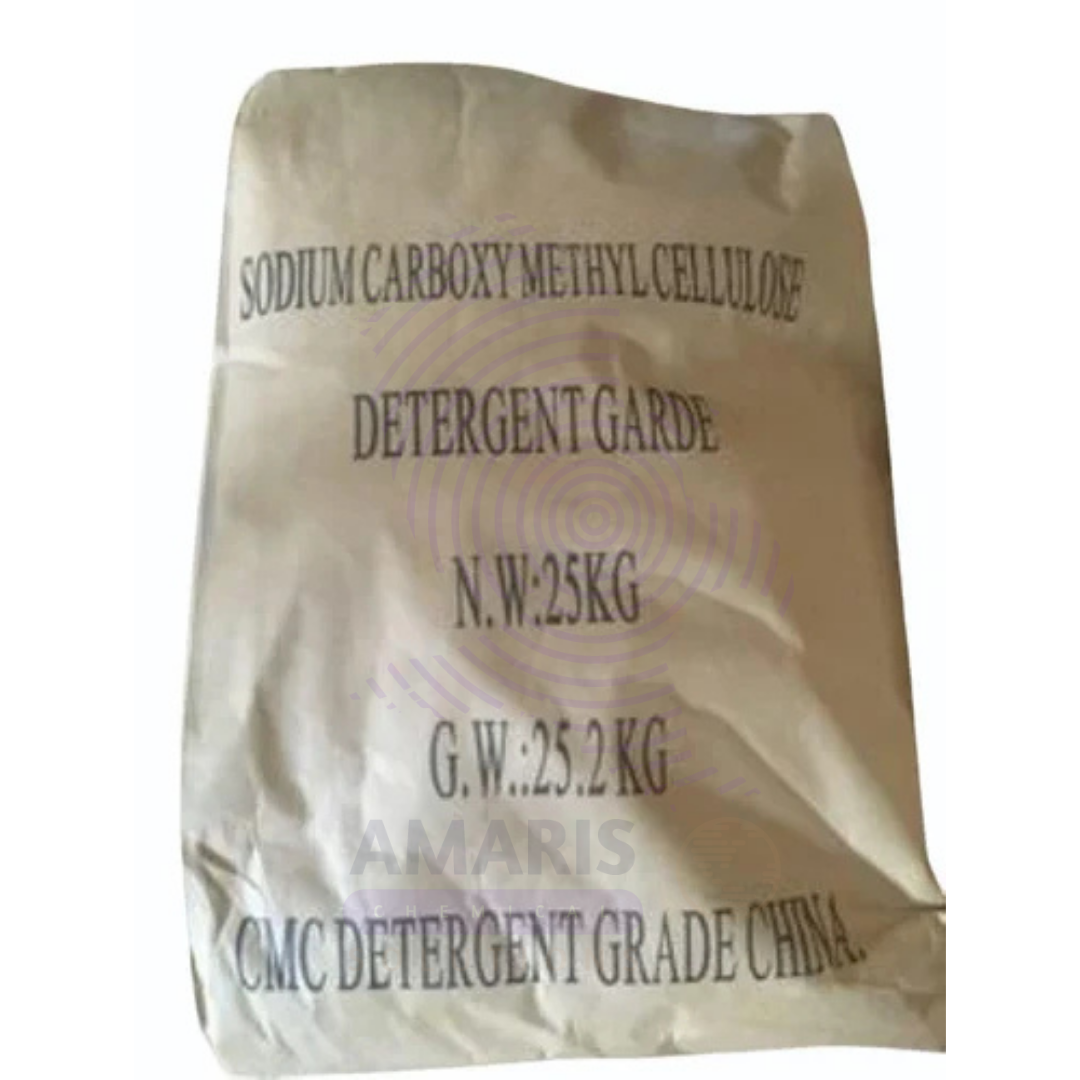


Carboxymethyl Cellulose Detergent Grade
Original price was: $ 8.89.$ 8.74Current price is: $ 8.74.
Carboxymethyl Cellulose Detergent Grade is a water-soluble cellulose derivative produced by the etherification of cellulose with monochloroacetic acid. It is a fine, white to off-white powder with excellent thickening, stabilizing, and water retention properties. The detergent grade of CMC is specifically tailored to meet the requirements of laundry and cleaning formulations, offering superior dispersing and anti-redeposition performance. It is biodegradable, non-toxic, and widely used as a functional additive to enhance cleaning efficiency and fabric care in detergent products. Its excellent compatibility with surfactants and enzymes makes it an essential ingredient in both powder and liquid detergents.
Carboxymethyl Cellulose Detergent Grade
Primary Uses
- Detergent & Cleaning Industry
- Acts as a soil anti-redeposition agent in laundry detergents, preventing dirt particles from resettling on fabrics.
- Functions as a thickener and stabilizer in liquid detergents and fabric softeners.
- Enhances viscosity and suspension of powders and enzymes, improving product performance.
- Used in automatic dishwashing detergents to improve cleaning efficiency and prevent spotting.
- Personal Care & Cosmetics
- Incorporated in toothpaste and mouthwash formulations for thickening and stabilizing suspensions.
- Used in creams and lotions as a viscosity modifier and stabilizer.
- Paper Industry
- Serves as a retention aid and wet-end additive to improve paper quality and reduce fiber loss.
- Food Industry (Specific Grades)
- Sometimes used as a food additive (E466) to control texture and moisture retention in processed foods.
Secondary Uses
- Pharmaceutical Industry
- Used as a binder, disintegrant, and controlled-release agent in tablets and capsules.
- Oil & Gas Industry
- Employed as a viscosifier and stabilizer in drilling muds and fracturing fluids.
- Textile Industry
- Functions as a sizing agent to improve yarn strength and reduce breakage during weaving.
- Agriculture
- Used in seed coatings and soil conditioners to improve moisture retention.
1. Basic Identification Attributes
- Chemical Name (IUPAC): Sodium carboxymethyl cellulose
- Common/Trade Name: Carboxymethyl Cellulose (CMC) Detergent Grade
- CAS Number: 9004-32-4
- HS Code: 3912.90.00
- Molecular Formula: Variable (polysaccharide derivative)
- Synonyms:
- Sodium CMC
- Cellulose gum
- E466 (when food grade)
2. Physical & Chemical Properties
- Physical State: Powder
- Color & Odor: White to off-white; odorless
- Solubility: Highly soluble in cold and hot water, forming viscous solutions
- pH (1% solution): 6.5–8.0
- Viscosity: Typically 100–4000 mPa·s (depending on grade and concentration)
- Moisture Content: <10%
- Bulk Density: ~0.3–0.6 g/cm³
- Degree of Substitution (DS): 0.6–0.95 (varies by grade)
- Stability: Stable under normal conditions; hygroscopic
3. Safety & Hazard Attributes
- Hazard Class (GHS): Not classified as hazardous
- NFPA Ratings:
- Health: 0
- Flammability: 1 (due to dust hazard)
- Reactivity: 0
- Exposure Limits: No established occupational exposure limits; generally considered safe
- Toxicity: Non-toxic and non-irritant in typical usage levels
- Reactivity: Chemically inert; stable under normal conditions
4. Storage & Handling Attributes
- Storage Conditions: Store in a cool, dry, well-ventilated area away from moisture and direct sunlight
- Container Type: Paper bags with polyethylene lining or HDPE drums
- Shelf Life: Typically 2–3 years if stored properly
- Special Handling: Avoid dust generation; use dust masks and eye protection if airborne dust is present
5. Regulatory & Compliance Attributes
- FDA Status: Approved for use in food products as thickener/stabilizer (21 CFR §172.892 for food grade)
- REACH Status: Registered
- Transportation: Not classified as hazardous material
- Waste Disposal: Dispose of according to local regulations; biodegradable
6. Environmental & Health Impact
- Ecotoxicity: Low environmental impact; biodegradable and non-toxic to aquatic organisms
- Persistence: Biodegradable under aerobic conditions
- Bioaccumulation: Not expected to bioaccumulate
- Carcinogenicity/Mutagenicity: Not classified as carcinogenic or mutagenic
- Biodegradability: Readily biodegradable
Safety Handling Precautions
Personal Protective Equipment (PPE):
- Dust mask or respirator (if dust is airborne)
- Safety goggles
- Gloves (optional)
Handling Measures:
- Minimize dust generation
- Use adequate ventilation during handling and processing
Storage Measures:
- Keep container tightly closed
- Store in dry place to avoid caking and microbial growth
Hygiene Practices:
- Wash hands after handling
- Avoid inhalation of dust
- Do not eat, drink, or smoke when handling product
First Aid Measures
- Inhalation: Move to fresh air; consult a physician if respiratory irritation occurs
- Skin Contact: Wash affected area with soap and water; seek medical advice if irritation develops
- Eye Contact: Rinse eyes thoroughly with water for several minutes; seek medical attention if irritation persists
- Ingestion: Non-toxic; rinse mouth and drink water; seek medical advice if discomfort occurs
Firefighting Measures
- Fire Hazards: Combustible as dust; not flammable in bulk form
- Extinguishing Media: Water spray, foam, dry chemical, or CO₂
- Special Precautions: Avoid dust clouds to prevent explosion hazard
- Decomposition Products: Carbon oxides and water vapor when burned
Related products

Carbomer
Carbomer is a high molecular weight, crosslinked polyacrylic acid polymer used primarily as a rheology modifier, thickening agent, and suspension stabilizer. Supplied as a fluffy white powder, it exhibits high viscosity and excellent clarity when neutralized and dispersed in water or alcohol-water systems. Carbomer 940 is widely valued for its ability to form clear gels, control flow properties, and stabilize emulsions. It is commonly used in cosmetics, personal care, pharmaceuticals, and household formulations due to its consistency, compatibility, and efficient thickening performance at low concentrations.
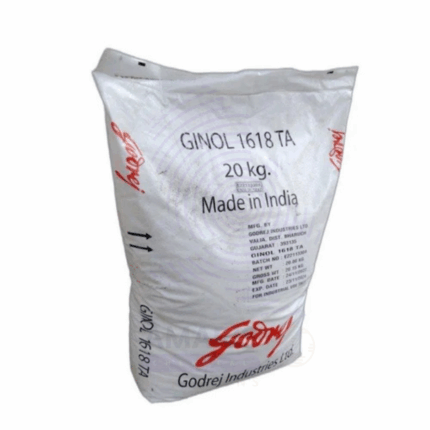
Ceto Stearyl Alcohol
Ceto Stearyl Alcohol 1618TA is a high-quality fatty alcohol blend primarily composed of cetyl (C16) and stearyl (C18) alcohols. It appears as a white, waxy solid or flakes with a mild fatty odor. This blend is widely used as an emollient, thickener, and co-emulsifier in cosmetic, pharmaceutical, and industrial formulations. Ceto Stearyl Alcohol 1618TA offers excellent lubricity, thickening, and stabilizing properties, enhancing the texture, consistency, and moisturizing characteristics of creams, lotions, and hair care products. It serves as a skin conditioning agent and contributes to the structural integrity of emulsions.
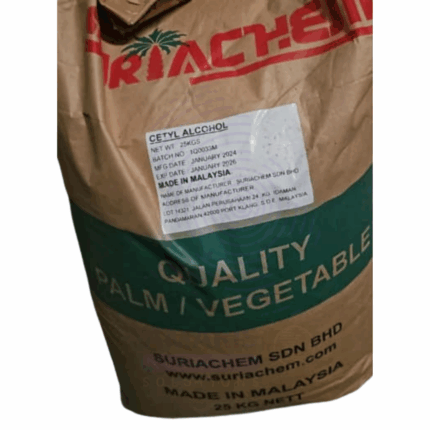
Cetyl Alcohol
Cetyl Alcohol, also known as 1-Hexadecanol or Palmityl Alcohol, is a fatty alcohol derived primarily from natural sources such as palm oil and coconut oil. It appears as a waxy, white to pale yellow solid with a faint fatty odor. Cetyl Alcohol is widely used in cosmetic, pharmaceutical, and industrial formulations due to its emollient, emulsifying, thickening, and stabilizing properties. It helps improve texture, consistency, and moisturizing effects in personal care products. Cetyl Alcohol is compatible with many ingredients, making it a versatile multifunctional ingredient.
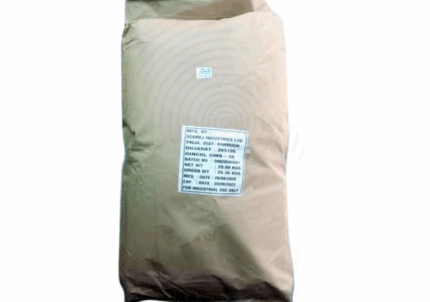
Cetyl Palmitate
Cetyl Palmitate is a naturally derived ester formed by the reaction of cetyl alcohol and palmitic acid. It appears as a white to off-white waxy solid with a mild fatty odor. This compound is widely used in cosmetic, pharmaceutical, and industrial formulations for its emollient, thickening, and texture-enhancing properties. Cetyl Palmitate imparts a smooth, creamy feel to products and contributes to improved stability and consistency in creams, lotions, balms, and ointments. Its film-forming and skin-conditioning attributes make it a preferred ingredient in personal care products as well as in specialty industrial applications.
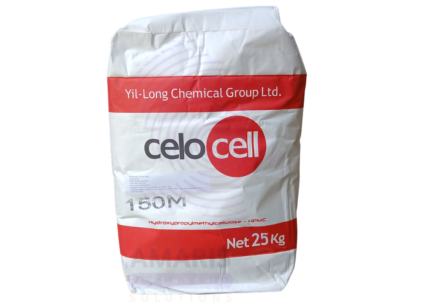
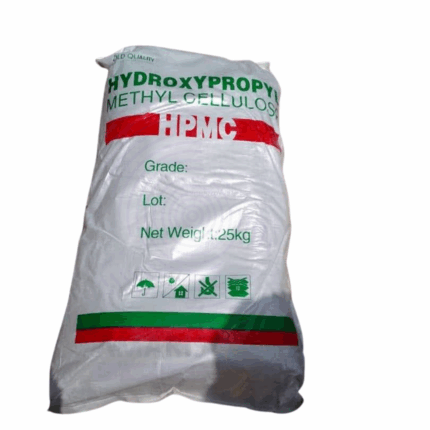
Hydroxypropyl Methylcellulose
Hydroxypropyl Methylcellulose HPMC, also known as hypromellose, is a semi-synthetic, non-ionic cellulose ether derived by chemically modifying cellulose through methylation and hydroxypropylation. It is a white to off-white, odorless, tasteless powder that dissolves in cold water to form clear, viscous solutions. HPMC is renowned for its thickening, film-forming, emulsifying, and controlled-release properties. It is widely used in pharmaceuticals, food, cosmetics, construction, and industrial applications due to its safety profile, versatility, and compatibility with various ingredients.

Mimosa Powder
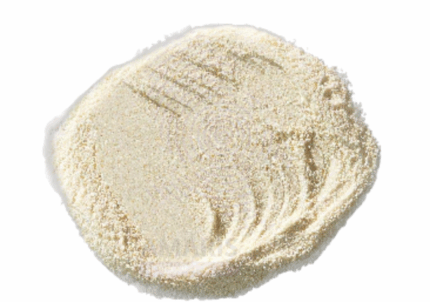
Mimosa Powder is a fine, light to dark brown powder derived from the bark of the Mimosa tenuiflora tree (also known as Mimosa hostilis or Jurema). Rich in tannins and natural polyphenolic compounds, this plant-based powder is widely recognized for its natural astringent, antioxidant, and antimicrobial properties. It is commonly used in cosmetics, traditional medicine, leather tanning, dyeing, and industrial applications. The powder is biodegradable and sustainable, making it a popular choice for natural product formulations.
Pullulan
Pullulan is a natural polysaccharide polymer produced by the fermentation of starch by the fungus Aureobasidium pullulans. It is a water-soluble, tasteless, and odorless biopolymer widely used in the food, pharmaceutical, and cosmetic industries due to its excellent film-forming, adhesive, and oxygen barrier properties. Pullulan is biodegradable, non-toxic, and approved for use in various applications requiring edible and biodegradable films.
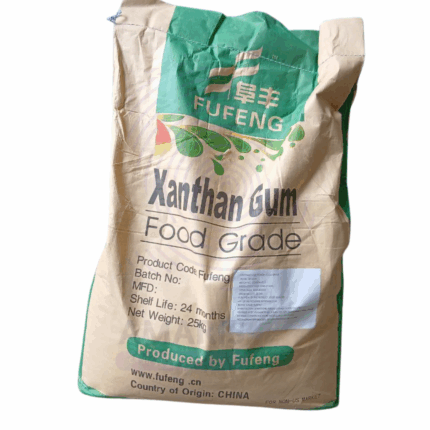
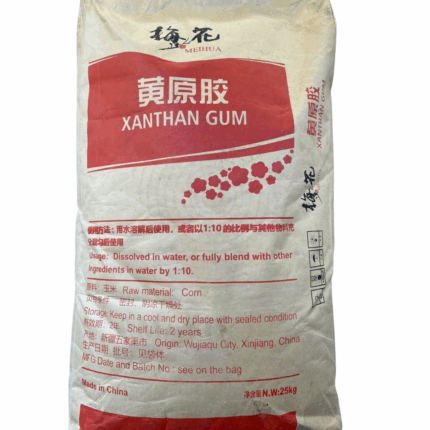
Xantham Gum
Xantham Gum is a high-molecular-weight polysaccharide produced by fermentation of glucose or sucrose by the bacterium Xanthomonas campestris. It is widely used as a thickening, stabilizing, and emulsifying agent in various industries due to its excellent viscosity properties, even at low concentrations. Xanthan Gum imparts improved texture, consistency, and shelf life to finished products, making it indispensable in food, pharmaceutical, cosmetic, and industrial formulations.












