

 Preservatives(food)
 Flavors
 Acidulants
 Sweeteners
 Antioxidants
 Colorants(food)
 Nutraceutical Ingredients (food)
 Nutrient Supplements
 Emulsifiers
 Collectors
 Dust Suppressants
 Explosives and Blasting Agents
 Flocculants and Coagulants
 Frothers
 Leaching Agents
 pH Modifiers
 Precious Metal Extraction Agents
 Antioxidants(plastic)
 Colorants (Pigments, Dyes)
 Fillers and Reinforcements
 Flame Retardants
 Monomers
 Plasticizers
 Polymerization Initiators
 Stabilizers (UV, Heat)
 Antifoaming Agents
 Chelating Agents
 Coagulants and Flocculants
 Corrosion Inhibitors
 Disinfectants and Biocides
 Oxidizing Agents
 pH Adjusters
 Scale Inhibitors( water)
 Antioxidants(cosmetic)
 Emollients
 Oils
Oils Carrier Oills
 Essential Oils
 Humectants
 Preservatives
 Surfactants(cosmetic)
 Thickeners
 UV Filters
 Fragrance (Cosmetics)
 Fertilizers
 Soil Conditioners
 Plant Growth Regulators
 Animal Feed Additives
 Biostimulants
 Pesticides (Herbicides, Insecticides, Fungicides)
 Active Pharmaceutical Ingredients (APIs)
 Excipients
 Solvents(pharmaceutical)
 Antibiotics
 Antiseptics and Disinfectants
 Vaccine Adjuvants
 Nutraceutical Ingredients (pharmaceutical)
 Analgesics & Antipyretics
 Analytical Reagents
 Solvents(lab)
 Chromatography Chemicals
 Spectroscopy Reagents
 microbiology-and-cell-culture-reagents
 Molecular Biology Reagents
 Biochemical Reagents
 Inorganic and Organic Standards
 Laboratory Safety Chemicals
 Specialty Laboratory Chemicals(Special Laboratory Equipment)
 Demulsifiers
 Hydraulic Fracturing Fluids
 Scale Inhibitors(oil)
 Surfactants(oil)
 Drilling Fluids
 Dyes and Pigments
 Bleaching Agents
 Softening Agents
 Finishing Agents
 Antistatic Agents
 Admixtures
 Waterproofing Agents
 Sealants and Adhesives
 Curing Compounds
 Concrete Repair Chemicals
 Anti-Corrosion Coatings
 Surfactants(cleaning)
 Builders
 Enzymes
 Solvents (Cleaning)
 Electronic Chemicals
 Catalysts
 Lubricants
 Photographic Chemicals
 Refrigerants
 Automotive chemicals
 Pyrotechnic Chemicals
 Biodegradable Surfactants
 Bio-based Solvents
 Renewable Polymers
 Carbon Capture Chemicals
 Wastewater Treatment Chemicals
 Pigments
 Solvents(paint)
 Specialty Coatings
 Binders/Resins
 Additives
 Driers
 Anti-Corrosion Agents
 Functional Coatings
 Application-Specific Coatings
 Leavening Agents
 Dough Conditioners
 Flour Treatments
 Fat Replacers
 Decoratives
 Preservatives(baking)
 Plasticizers & Softeners
 Reinforcing Agents
 Adhesion Promoters
 Vulcanizing Agents
 Antidegradants
 Blowing Agents
 Fillers & Extenders
 Accelerators & Retarders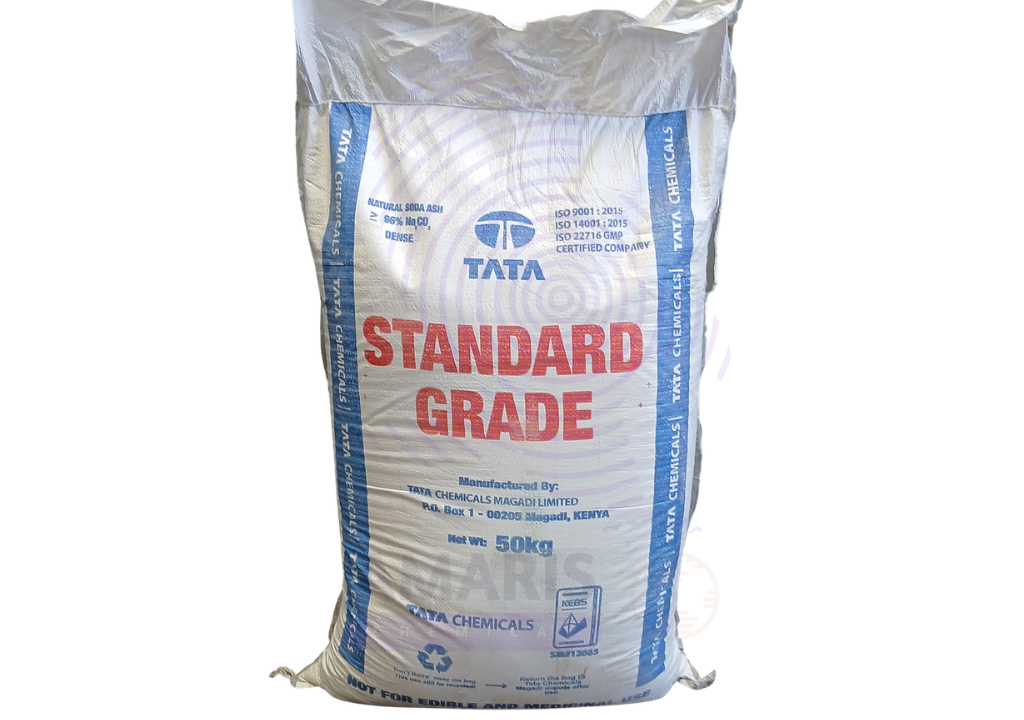
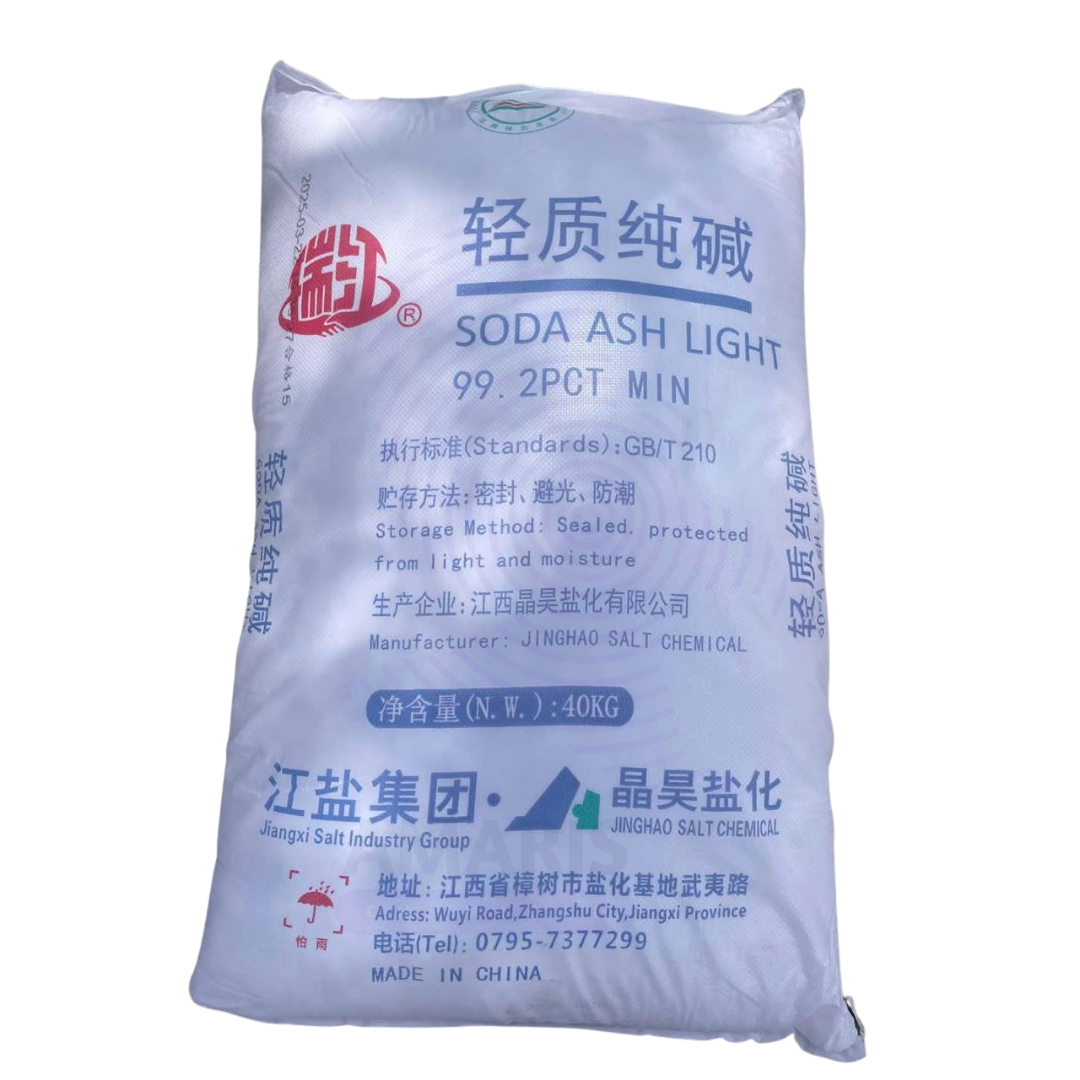
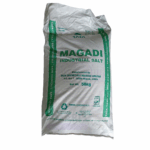

Sodium Carbonate (Magadi Soda)
Sodium Carbonate (Magadi Soda) is an inorganic white powder with the chemical formula Na₂CO₃. It is a key industrial alkali used in glass manufacturing, water treatment, and chemical production. This light-density form is highly soluble and reacts with acids to form salts, making it essential for pH regulation and as a cleaning agent in various industrial processes.
Sodium Carbonate (Magadi Soda)
Primary Uses
- Glass Manufacturing
- Lowers melting point of silica in glass production (70% of global use).
- Improves chemical durability of glass products.
- Chemical Production
- Precursor for sodium compounds (bicarbonate, silicates, phosphates).
- pH regulator in chemical synthesis processes.
- Water Treatment
- Softens hard water by precipitating calcium/magnesium ions.
- Neutralizes acidic wastewater streams.
- Detergents & Cleaners
- Key ingredient in powdered detergents and laundry boosters.
- Degreases surfaces in industrial cleaning formulations.
- Pulp & Paper
- Pulping agent in kraft process for paper production.
- pH adjuster in bleaching operations.
Secondary Uses
- Food Industry
- pH control agent in food processing (E500).
- Water softener in beverage production.
- Textile Processing
- Scouring agent for wool and cotton fibers.
- Fixes dyes to fabrics.
- Metallurgy
- Flux in smelting operations.
- Extracts tungsten from ores.
- Swimming Pools
- Raises pH and alkalinity of pool water.
- Photography
- pH buffer in developing solutions.
1. Basic Identification Attributes
- Chemical Name (IUPAC): Sodium carbonate
- Common/Trade Name: Soda Ash Light, Washing Soda
- CAS Number: 497-19-8
- HS Code: 2836.20.00
- Synonyms: Disodium carbonate, Carbonic acid disodium salt
2. Physical & Chemical Properties
- Physical State: White crystalline powder
- Color & Odor: White; odorless
- Solubility: 22 g/100 mL water (20°C)
- Density: 2.54 g/cm³
- pH: 11.5 (1% solution)
3. Safety & Hazard Attributes
- GHS Classification: Skin/Eye Irritant (Category 2)
- Toxicity: LD₅₀ 4,000 mg/kg (oral, rat)
- Exposure Limits: TWA 2 mg/m³ (respirable dust)
4. Storage & Handling Attributes
- Storage Conditions: Dry, well-ventilated area
- Container Type: Poly-lined bags or fiber drums
- Shelf Life: Indefinite if kept dry
- Handling Precautions: Use dust mask and goggles
5. Regulatory & Compliance Attributes
- FDA 21 CFR 184.1742 (food-grade)
- REACH registered
- Meets FCC and USP standards
6. Environmental & Health Impact
- Biodegradability: Not applicable (inorganic)
- Ecotoxicity: LC₅₀ >100 mg/L (fish)
- Bioaccumulation: None
Safety Handling Precautions
- PPE Required: Gloves, goggles, dust respirator
- Handling Guidelines: Avoid dust generation
- Storage Measures: Separate from acids
First Aid Measures
- Inhalation: Move to fresh air
- Skin Contact: Wash with plenty of water
- Eye Contact: Rinse for 15 minutes
- Ingestion: Rinse mouth, drink water
Firefighting Measures
- Fire Hazards: Non-combustible
- Extinguishing Media: Water spray
- Hazardous Combustion Products: None
Related products

Calcium Chloride
Calcium Chloride is an inorganic salt composed of calcium and chlorine with the chemical formula CaCl₂. It typically appears as a white crystalline solid or granular powder, highly soluble in water and exhibiting strong hygroscopic properties. Calcium Chloride is widely used for its moisture-absorbing ability, de-icing, dust control, and as a firming agent in food processing. It finds extensive applications across industrial, pharmaceutical, agricultural, and food sectors due to its efficacy in modifying physical and chemical properties of products and environments.
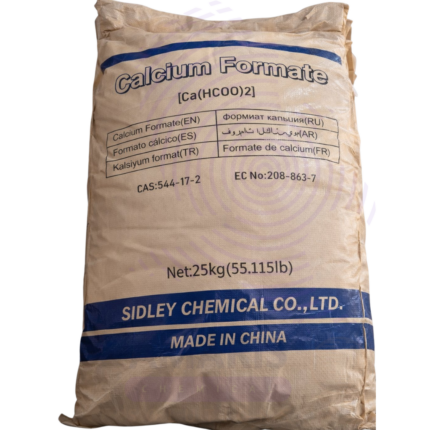
Calcium Formate
Calcium Formate is the calcium salt of formic acid, appearing as a white, free-flowing crystalline powder or granules. It is an odorless compound with a slightly bitter taste and is non-toxic. The chemical formula is Ca(HCOO)₂ with a molecular weight of 130.0 g/mol. Calcium Formate is slightly hygroscopic and readily soluble in water, with solubility of approximately 16.1 g/100 mL at 20°C. Its water solution is neutral with a pH of 6.0 to 8.0. The compound is stable under normal storage conditions and has a decomposition temperature exceeding 400°C. Technical grade Calcium Formate is manufactured for industrial applications including construction, animal feed, leather processing, and water treatment.
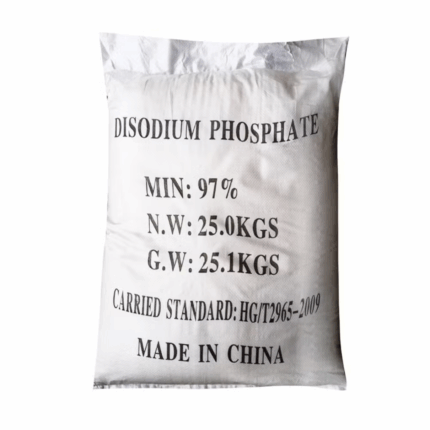
Disodium Phosphate
Disodium Phosphate, also known as sodium phosphate dibasic, is an inorganic compound widely used for its buffering, emulsifying, and chelating properties. It commonly appears as a white, odorless crystalline powder or granules that are highly soluble in water and alkaline in nature. Disodium Phosphate plays a vital role in regulating pH, improving stability in formulations, and providing essential sodium and phosphate ions. It finds extensive use across food processing, pharmaceuticals, water treatment, agriculture, and industrial applications.
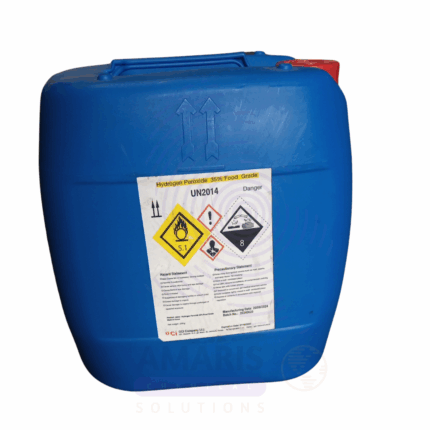

Hydrogen Peroxide Food Grade
Hydrogen Peroxide Food Grade is a highly concentrated aqueous solution of hydrogen peroxide (H₂O₂), formulated specifically for use in food processing and related applications. It appears as a clear, colorless liquid with a slightly sharp, acrid odor. Renowned for its powerful oxidizing and bleaching properties, hydrogen peroxide is a strong antimicrobial agent and environmentally friendly disinfectant that decomposes into water and oxygen, leaving no harmful residues. The food-grade designation ensures compliance with strict purity standards, making it suitable for direct and indirect food contact uses, including sterilization, sanitation, and preservation.

Liquid Chlorine
Liquid Chlorine is a pale yellow-green, highly reactive chemical primarily composed of chlorine dissolved in water or as liquefied chlorine gas under pressure. It is widely used as a powerful disinfectant, bleaching agent, and oxidizer in water treatment, sanitation, and various industrial applications. Due to its strong antimicrobial properties, liquid chlorine effectively controls bacteria, viruses, algae, and other microorganisms, ensuring safe potable water and hygienic conditions.

Sodium Bisulphate Monohydrate
Sodium Bisulphate Monohydrate, also known as sodium hydrogen sulphate, is a white crystalline powder or granular solid commonly used as an acidic cleaning agent, pH adjuster, and bleaching accelerator. It is a dry acid that releases sulfur dioxide when dissolved in water, making it effective in various industrial, food, and water treatment applications. This compound is valued for its ability to lower pH safely and is widely used where a controlled acidification is required without handling hazardous liquid acids.
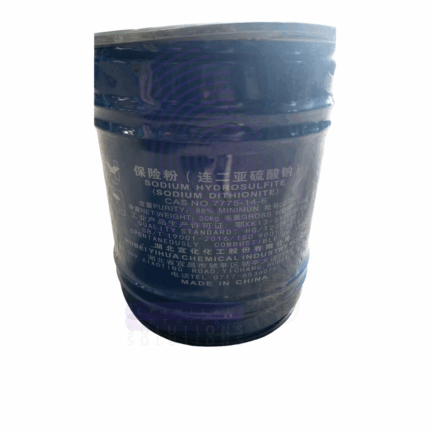
Sodium Hydrosulphite
Sodium Hydrosulphite, also known as sodium dithionite, is a white to yellowish powder with a strong reducing property. It is highly soluble in water and decomposes readily, releasing sulfur dioxide and sulfites. Widely used as a powerful reducing agent and bleaching agent, it finds applications in textile processing, paper and pulp industries, water treatment, and chemical manufacturing. Its ability to break down colored compounds makes it ideal for decolorization and cleaning processes.












