

 Preservatives(food)
 Flavors
 Acidulants
 Sweeteners
 Antioxidants
 Colorants(food)
 Nutraceutical Ingredients (food)
 Nutrient Supplements
 Emulsifiers
 Collectors
 Dust Suppressants
 Explosives and Blasting Agents
 Flocculants and Coagulants
 Frothers
 Leaching Agents
 pH Modifiers
 Precious Metal Extraction Agents
 Antioxidants(plastic)
 Colorants (Pigments, Dyes)
 Fillers and Reinforcements
 Flame Retardants
 Monomers
 Plasticizers
 Polymerization Initiators
 Stabilizers (UV, Heat)
 Antifoaming Agents
 Chelating Agents
 Coagulants and Flocculants
 Corrosion Inhibitors
 Disinfectants and Biocides
 Oxidizing Agents
 pH Adjusters
 Scale Inhibitors( water)
 Antioxidants(cosmetic)
 Emollients
 Oils
Oils Carrier Oills
 Essential Oils
 Humectants
 Preservatives
 Surfactants(cosmetic)
 Thickeners
 UV Filters
 Fragrance (Cosmetics)
 Fertilizers
 Soil Conditioners
 Plant Growth Regulators
 Animal Feed Additives
 Biostimulants
 Pesticides (Herbicides, Insecticides, Fungicides)
 Active Pharmaceutical Ingredients (APIs)
 Excipients
 Solvents(pharmaceutical)
 Antibiotics
 Antiseptics and Disinfectants
 Vaccine Adjuvants
 Nutraceutical Ingredients (pharmaceutical)
 Analgesics & Antipyretics
 Analytical Reagents
 Solvents(lab)
 Chromatography Chemicals
 Spectroscopy Reagents
 microbiology-and-cell-culture-reagents
 Molecular Biology Reagents
 Biochemical Reagents
 Inorganic and Organic Standards
 Laboratory Safety Chemicals
 Specialty Laboratory Chemicals(Special Laboratory Equipment)
 Demulsifiers
 Hydraulic Fracturing Fluids
 Scale Inhibitors(oil)
 Surfactants(oil)
 Drilling Fluids
 Dyes and Pigments
 Bleaching Agents
 Softening Agents
 Finishing Agents
 Antistatic Agents
 Admixtures
 Waterproofing Agents
 Sealants and Adhesives
 Curing Compounds
 Concrete Repair Chemicals
 Anti-Corrosion Coatings
 Surfactants(cleaning)
 Builders
 Enzymes
 Solvents (Cleaning)
 Electronic Chemicals
 Catalysts
 Lubricants
 Photographic Chemicals
 Refrigerants
 Automotive chemicals
 Pyrotechnic Chemicals
 Biodegradable Surfactants
 Bio-based Solvents
 Renewable Polymers
 Carbon Capture Chemicals
 Wastewater Treatment Chemicals
 Pigments
 Solvents(paint)
 Specialty Coatings
 Binders/Resins
 Additives
 Driers
 Anti-Corrosion Agents
 Functional Coatings
 Application-Specific Coatings
 Leavening Agents
 Dough Conditioners
 Flour Treatments
 Fat Replacers
 Decoratives
 Preservatives(baking)
 Plasticizers & Softeners
 Reinforcing Agents
 Adhesion Promoters
 Vulcanizing Agents
 Antidegradants
 Blowing Agents
 Fillers & Extenders
 Accelerators & Retarders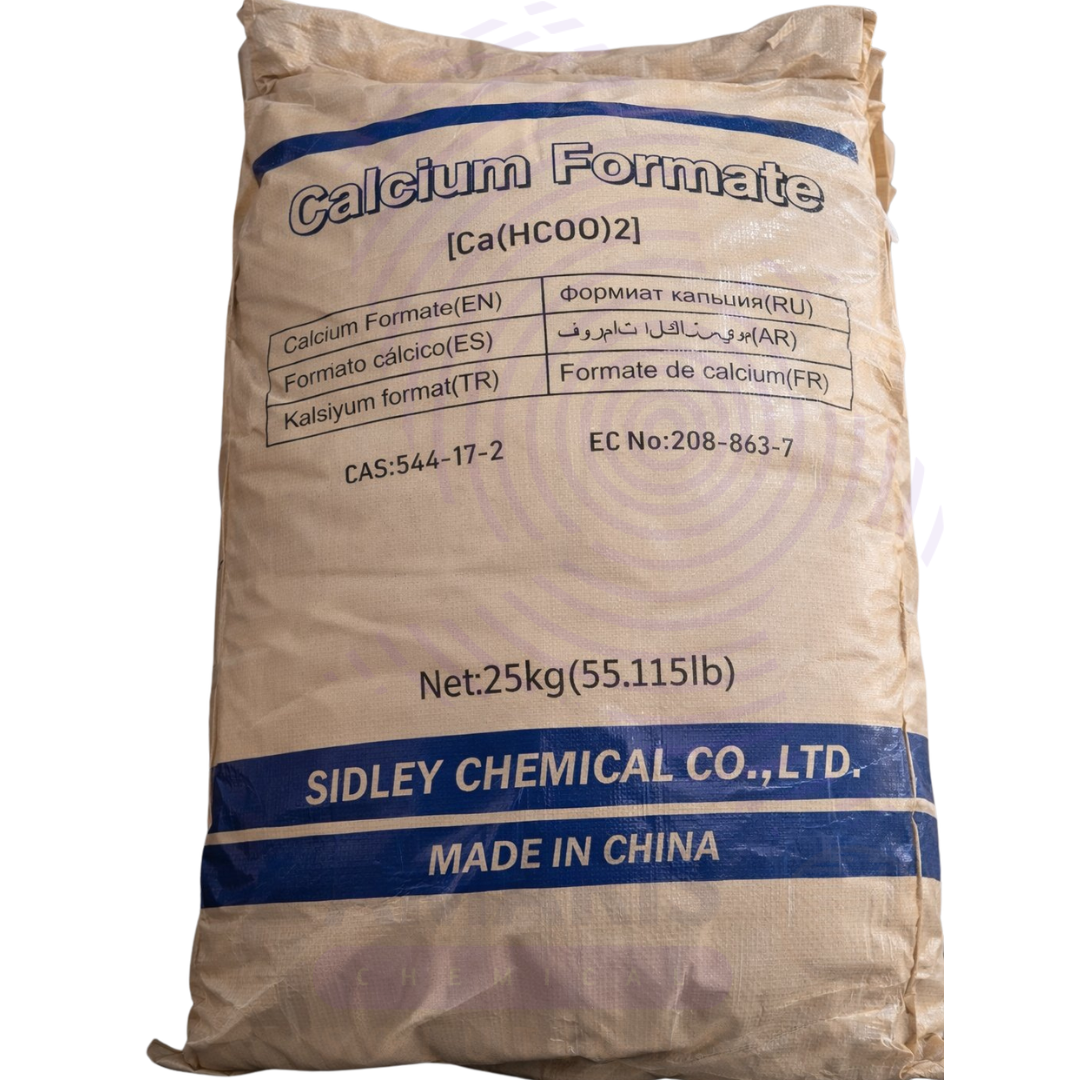






Calcium Formate
$ 1.00
Calcium Formate is the calcium salt of formic acid, appearing as a white, free-flowing crystalline powder or granules. It is an odorless compound with a slightly bitter taste and is non-toxic. The chemical formula is Ca(HCOO)₂ with a molecular weight of 130.0 g/mol. Calcium Formate is slightly hygroscopic and readily soluble in water, with solubility of approximately 16.1 g/100 mL at 20°C. Its water solution is neutral with a pH of 6.0 to 8.0. The compound is stable under normal storage conditions and has a decomposition temperature exceeding 400°C. Technical grade Calcium Formate is manufactured for industrial applications including construction, animal feed, leather processing, and water treatment.
Calcium Formate
Primary Uses
1. Construction Chemicals
-
Cement accelerator in concrete and mortar formulations to shorten setting time and increase early strength development
-
Used in fast-hardening concretes for cold weather concreting applications as an anti-freezing agent
-
Added to cement-based adhesives for ceramic tiles, marble tiles, and natural stone installations
-
Used in self-leveling floor compounds, floor screeds, and cement slurries for filling joints
-
Applied in concrete renders for repairing, reinforced, and regular concretes
-
Used in seamless coatings for pedestrian paths, walkways, and industrial floors
-
Functions as a binder and adhesive between different substrates including old and new concrete layers
-
Provides no corrosion to steel reinforcement bars; non-toxic and environmentally friendly
-
Used in precast concrete products including concrete blocks, paving stones, and concrete pipes
-
Added to shotcrete and gunite applications for tunnel lining and slope stabilization
-
Used in refractory castables and high-temperature cement formulations
-
Applied in grouting compounds for foundation repairs and anchor bolt installations
-
Used in mortar for brick laying, block work, and stone masonry
-
Added to repair mortars for concrete structure rehabilitation
-
Used in cementitious waterproofing slurries and coatings
2. Agricultural Chemicals
-
Animal feed additive used as an acidifier, mold inhibitor, and antimicrobial agent for all animal species including swine, poultry, cattle, and aquaculture
-
Adjusts stomach pH in livestock, increasing appetite, promoting weight gain, and improving feed conversion ratio
-
Provides calcium supplementation as a trace element source for bone development and eggshell quality in poultry
-
Used in piglet feeds to prevent post-weaning diarrhea and improve gut health
-
Used in poultry feeds to reduce salmonella colonization and improve intestinal health
-
Preservative in animal feed formulations to prevent mold growth and extend shelf life
-
Applied as a silage treatment compound to improve fermentation quality and reduce spoilage
-
Used in calf milk replacers and starter feeds for young ruminants
-
Added to horse feeds as a calcium supplement and digestive aid
-
Used in pet food formulations including dry kibble, wet food, and treats
-
Applied in aquaculture feeds for fish and shrimp to improve growth and disease resistance
-
Used in organic livestock production as a permitted feed additive
-
Added to mineral premixes and vitamin supplements for animals
-
Used in liquid feed supplements and drinking water acidification
3. Specialty and Fine Chemicals
-
Industrial additive used as a buffering agent and lubricant in various manufacturing processes
-
Used in the production of dyes, pigments, and optical brighteners for textiles and paper
-
Applied in glass and ceramic additives as a processing aid and fluxing agent
-
Functions in the synthesis of other water-soluble formate salts including sodium formate and potassium formate
-
Used as a reducing agent in chemical synthesis and organic reactions
-
Applied in the production of adhesives, sealants, and glues
-
Used in rubber processing as a coagulant and release agent
-
Added to printing inks and coating formulations as a rheology modifier
-
Used in metal surface treatment and pickling baths as a buffering agent
-
Applied in the manufacturing of construction chemicals including superplasticizers and retarders
-
Used in the production of formic acid via acidification with sulfuric acid
-
Added to textile finishing agents and fabric softeners
4. Leather Processing Chemicals
-
Used in leather tanning as a deliming and bating agent to remove lime from hides
-
Applied in leather finishing additives and treatments to improve leather softness
-
Reduces water consumption in leather processing while maintaining leather quality
-
Used in chrome tanning processes as a masking agent
-
Applied in vegetable tanning as a pH buffer and penetration aid
-
Used in leather dyeing as a levelling agent for uniform color distribution
-
Added to leather fatliquoring formulations as an emulsifying aid
-
Used in leather preservation and storage treatments to prevent mold growth
5. Water Treatment Chemicals
-
Functions as a coagulant and buffering agent in municipal and industrial water treatment
-
Used in flue-gas desulfurization processes in power plants to remove sulfur dioxide
-
Applied in refinery and gas treatment operations for corrosion control
-
Used in cooling water treatment as a scale inhibitor and corrosion inhibitor
-
Added to boiler water treatment formulations for pH control
-
Used in wastewater treatment for heavy metal precipitation and neutralization
-
Applied in swimming pool water treatment as a pH buffer
-
Used in industrial process water treatment for scale prevention
Secondary Uses
1. Oil and Gas Chemicals
-
Used in well cementing and completion of oil drilling operations as an accelerator
-
Accelerates cement setting in oil well applications for deep and high-temperature wells
-
Improves workability of depth underground in oil fields
-
Provides no contamination to oil and well environment
-
Used in drilling fluid additives for shale stabilization
-
Applied in workover and completion fluids for well maintenance
2. Chemical Manufacturing
-
Used as a raw material for producing formic acid via reaction with sulfuric acid
-
Functions as a low-cost reducing agent in converting carboxylic acids to aldehydes
-
Used in the preparation of other water-soluble formate salts
-
Applied in the synthesis of organic intermediates for pharmaceutical production
-
Used in the manufacturing of rubber accelerators and vulcanizing agents
-
Applied in the production of electroplating chemicals and metal finishing compounds
3. Fertilizer Additives
-
Used as an additive in compound fertilizer formulations to provide calcium and formate ions
-
Applied in slow-release fertilizer coatings to control nutrient release
-
Used in liquid fertilizer formulations as a calcium source and pH buffer
-
Added to foliar fertilizer sprays for calcium supplementation in plants
-
Used in hydroponic nutrient solutions as a calcium source
4. Adhesives and Sealants
-
Used in the production of construction adhesives including tile adhesives and stone adhesives
-
Added to wood glues and furniture adhesives for improved bonding
-
Used in packaging adhesives and carton sealing formulations
-
Applied in automotive adhesives and sealants for vibration damping
-
Used in carpet backing adhesives and textile laminating adhesives
5. Paints and Coatings
-
Used as a filler and extender in water-based paint formulations
-
Added to anti-corrosion coatings for metal protection
-
Used in textured coatings and decorative finishes
-
Applied in fire-retardant coatings as a smoke suppressant additive
6. Rubber Processing Chemicals
-
Used as a coagulant in natural rubber latex processing
-
Added to synthetic rubber compounding as a processing aid
-
Used in rubber reclaiming processes for devulcanization
-
Applied in rubber-to-metal bonding adhesives
7. Paper and Pulp Chemicals
-
Used in paper coating formulations as a pigment dispersant
-
Added to paper sizing agents for improved water resistance
-
Used in pulp bleaching processes as a stabilizer
-
Applied in deinking formulations for recycled paper processing
8. Mining Chemicals
-
Used in mineral processing as a flotation depressant
-
Added to ore leaching solutions as a pH buffer
-
Used in tailings treatment for heavy metal stabilization
-
Applied in dust suppression formulations for haul roads and stockpiles
9. Food and Beverage Chemicals
-
Used as a food preservative in baked goods, cheeses, and processed meats (certified food grade only)
-
Added to fruit juices and soft drinks as a calcium fortification agent
-
Used in dietary supplements as a calcium source for bone health
-
Applied in sports drinks and electrolyte formulations
-
Used in brewing and winemaking as a processing aid for pH adjustment
10. Pharmaceutical Chemicals
-
Used as an excipient in tablet formulations as a lubricant and binder
-
Added to effervescent tablet formulations as a calcium source
-
Used in antacid preparations for acid neutralization
-
Applied in calcium supplement products for osteoporosis prevention
11. Plastics and Polymer Manufacturing Chemicals
-
Used as a heat stabilizer in PVC processing
-
Added to biodegradable plastic formulations as a filler
-
Used in polymer compounding as a lubricant and processing aid
-
Applied in masterbatch production for color dispersion
12. Textile Chemicals
-
Used in textile dyeing as a pH buffer and levelling agent
-
Added to textile printing pastes for viscosity control
-
Used in fabric finishing as a softening agent
-
Applied in denim washing and stone washing processes
1. Basic Identification Attributes
-
Chemical Name (IUPAC): Calcium diformate
-
Common/Trade Name: Calcium Formate; Calcium salt of formic acid
-
CAS Number: 544-17-2
-
HS Code: 2915.12
-
EINECS Number: 208-863-7
-
Molecular Formula: Ca(HCOO)₂
-
Molecular Weight: 130.0 g/mol
-
Synonyms: Calcium diformate, Calco form, Calcium salt of formic acid
2. Physical & Chemical Properties
-
Physical State: Crystalline powder or granules
-
Color & Odor: White to off-white; odorless
-
Purity: 93% to 98% typical (industrial grade)
-
Calcium Content: 28.5% to 30.2%
-
Moisture: 0.3% to 1.0% maximum
-
pH (10% solution): 6.0 to 8.0 (neutral)
-
Solubility: Soluble in water (approximately 16.1 g/100 mL at 20°C)
-
Density: 2.023 g/cm³ at 20°C
-
Bulk Density: 900 to 1000 g/L
-
Melting Point: Decomposes above 400°C (no melting prior to decomposition)
-
Water Insoluble Matter: 0.5% to 1.0% maximum
3. Safety & Hazard Attributes
-
GHS Classification: Generally not classified as hazardous
-
Toxicity: Non-toxic; LD₅₀ oral rat > 5,000 mg/kg
-
Irritation: May cause mild mechanical irritation to eyes and respiratory tract
-
Flammability: Non-flammable
-
Stability: Stable under normal storage conditions; protect from moisture
4. Storage & Handling Attributes
-
Storage Conditions: Store in a dry, ventilated, and cool place. Protect from rain, heat, and moisture. Keep containers tightly closed.
-
Container Type: 25kg PP woven bags, 25kg kraft paper bags, or 1000/1200kg jumbo bags
-
Shelf Life: 12 to 24 months when stored under recommended conditions
-
Handling Precautions: Avoid dust generation; use with adequate ventilation; minimize moisture exposure; wash hands after handling
-
Storage Measures: Protect from moisture and humidity; maintain dry conditions; store away from strong oxidizing agents
5. Regulatory & Compliance Attributes
-
Regulatory Status:
-
FDA: Approved as food additive and dietary supplement
-
EU: Authorized as feed additive (E238)
-
TSCA (USA): Listed
-
DSL (Canada): Listed
-
EINECS: 208-863-7
-
REACH: Registered for industrial use
-
-
Quality Standards: HG/T5614-2019 (China), REACH compliant
-
Labeling Requirements: Standard industrial chemical labeling; feed grade requires specific labeling for animal nutrition applications
-
Use Restrictions: Not for direct human consumption without appropriate certification
6. Environmental & Health Impact
-
Biodegradability: Readily biodegradable
-
Ecotoxicity: Low toxicity to aquatic organisms; non-toxic and eco-friendly
-
Bioaccumulation: Low potential for bioaccumulation
-
Environmental Fate: Neutral compound; does not persist in environment
1. Safety Handling Precautions
-
PPE Required: Safety glasses or goggles; chemical-resistant gloves (nitrile recommended); dust mask or respirator when handling powder; protective clothing
-
Handling Guidelines: Use in well-ventilated areas; minimize dust generation and accumulation; avoid breathing dust; wash thoroughly after handling; do not eat, drink, or smoke in handling areas
-
Storage Measures: Store in original, labeled containers with tight-fitting lids; protect from moisture and humidity; keep away from strong oxidizing agents; maintain dry, moderate temperature conditions
-
Hygiene Practices: Wash hands thoroughly after handling; remove contaminated clothing and launder before reuse
2. First Aid Measures
-
Inhalation: Move person to fresh air. If breathing is difficult, administer oxygen. Seek medical attention if symptoms develop.
-
Skin Contact: Wash skin with plenty of soap and water. Seek medical attention if irritation persists.
-
Eye Contact: Rinse cautiously with lukewarm, gently flowing water for at least fifteen minutes while holding eyelids open. Remove contact lenses if present. Seek medical attention if irritation persists.
-
Ingestion: Rinse mouth thoroughly with water. Do NOT induce vomiting. Drink one or two glasses of water. Seek medical attention if large quantities are swallowed.
3. Firefighting Measures
-
Fire Hazards: Non-flammable. May evolve toxic fumes when heated to decomposition.
-
Extinguishing Media: Use water spray, foam, dry chemical, or carbon dioxide. Select media appropriate for surrounding materials.
-
Special Firefighting Procedures: Wear full protective clothing and self-contained breathing apparatus (SCBA); use water spray to cool exposed containers; contain firefighting runoff
-
Hazardous Combustion Products: Oxides of carbon, formaldehyde
Related products
Acticide EPW (Dry Film)
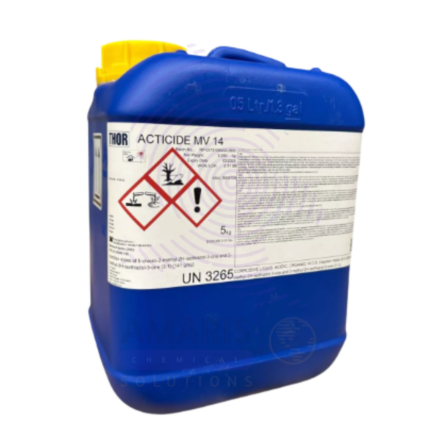
Acticide EPW is a VOC-free, water-based dry film biocide manufactured by Thor Group specifically formulated to protect exterior and interior water-based coatings, paints, and inks from surface fungal and algal growth. It appears as a white to off-white milky dispersion or suspension with a mild odor. The product is based on a synergistic blend of active ingredients including benzimidazole carbamate, 2-n-octyl-4-isothiazolin-3-one (OIT), and a urea derivative with AMME™ technology. This alkali-stable and UV-stable formulation is free from AOX (Adsorbable Organic Halogens) and VOC (Volatile Organic Compounds), making it suitable for low-VOC and environmentally conscious product formulations. Acticide EPW is manufactured for industrial use and is not intended for direct human consumption, medical applications, or food preservation.

Ammonium Bicarbonate
Ammonium bicarbonate is a white crystalline powder or granules with a slightly alkaline taste and a characteristic ammoniacal odor. It is a white solid that decomposes readily on heating, releasing ammonia, carbon dioxide, and water vapor. It is widely used in the food industry as a leavening agent, in chemical synthesis, and in various industrial applications. Its unique property of decomposing to release gases makes it valuable for baking and other processes where gas release is desired.
Caustic Soda Flakes (Sodium Hydroxide)
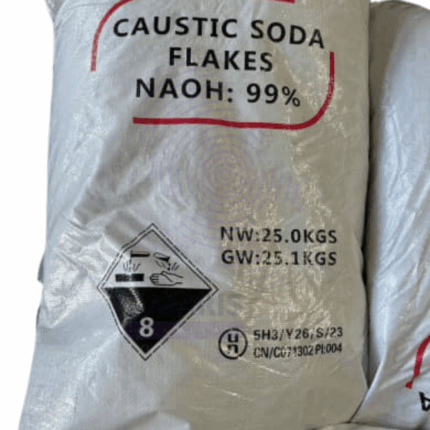
Caustic Soda Flakes, also known as Sodium Hydroxide Flakes (NaOH), are a highly alkaline, white, solid substance that is crystalline and flaky in form. Produced by evaporating aqueous sodium hydroxide solutions, these flakes are highly soluble in water and exhibit strong corrosive properties. Caustic Soda Flakes are widely used in a variety of industrial, chemical, and manufacturing processes due to their strong alkalinity, ability to saponify fats, and effectiveness in pH adjustment. Their high purity and ease of handling in flake form make them suitable for use in chemical synthesis, pulp and paper production, water treatment, and detergent manufacturing.
Caustic Soda Pearls
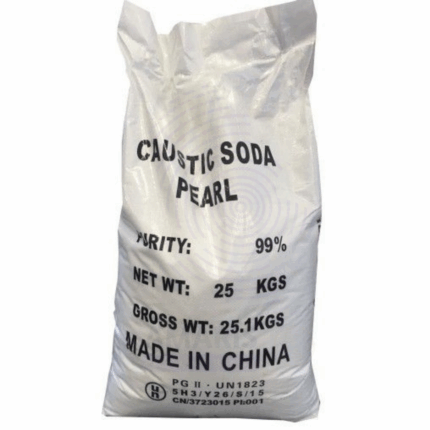
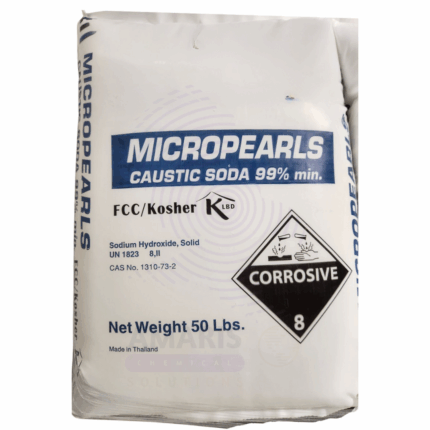
Caustic Soda Pearls are small, solid, spherical particles of sodium hydroxide (NaOH) produced by a controlled cooling and solidification process. These pearls offer superior flowability, uniform size distribution, and reduced dust generation compared to flake or powder forms. They are highly soluble in water, exhibiting a strong alkaline nature with vigorous exothermic dissolution. Caustic Soda Pearls are widely used across industries including chemical manufacturing, water treatment, pulp and paper processing, and detergents due to their purity, ease of handling, and efficient dissolution characteristics.
Dipotassium Hydrogen Phosphate
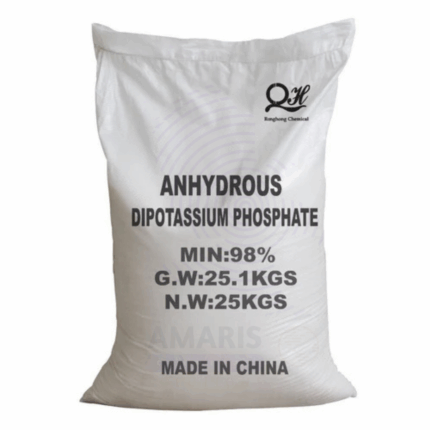
Dipotassium Hydrogen Phosphate (also known as dipotassium phosphate, DKP) is an inorganic salt used widely as a buffering agent, emulsifier, and nutritional supplement in various industries. It is a white, crystalline, highly water-soluble powder with alkaline properties. DKP plays a vital role in food processing, pharmaceuticals, water treatment, and agriculture due to its ability to stabilize pH, improve texture, and supply essential potassium and phosphate ions.
Disodium Phosphate
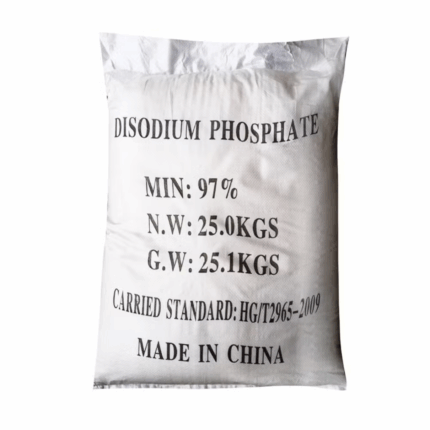
Disodium Phosphate, also known as sodium phosphate dibasic, is an inorganic compound widely used for its buffering, emulsifying, and chelating properties. It commonly appears as a white, odorless crystalline powder or granules that are highly soluble in water and alkaline in nature. Disodium Phosphate plays a vital role in regulating pH, improving stability in formulations, and providing essential sodium and phosphate ions. It finds extensive use across food processing, pharmaceuticals, water treatment, agriculture, and industrial applications.
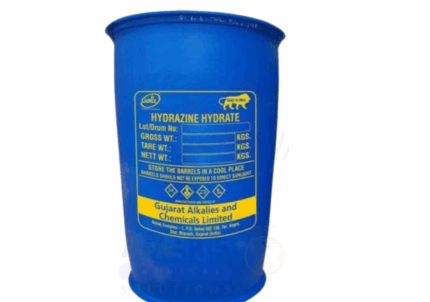
Hydrazine Food Grade
Hydrazine Food Grade is a high-purity form of hydrazine (N₂H₄), a highly reactive, colorless, and fuming liquid with a pungent ammonia-like odor. It is a powerful reducing agent and chemical intermediate widely used in industrial applications. The food-grade specification ensures purity and controlled impurity levels suitable for limited and specialized food industry uses, primarily as a processing aid or sterilizing agent. Hydrazine exhibits strong nucleophilic and reducing properties, enabling various chemical transformations and sterilization processes.

Sodium Bisulphate Monohydrate
Sodium Bisulphate Monohydrate, also known as sodium hydrogen sulphate, is a white crystalline powder or granular solid commonly used as an acidic cleaning agent, pH adjuster, and bleaching accelerator. It is a dry acid that releases sulfur dioxide when dissolved in water, making it effective in various industrial, food, and water treatment applications. This compound is valued for its ability to lower pH safely and is widely used where a controlled acidification is required without handling hazardous liquid acids.












