

 Preservatives(food)
 Flavors
 Acidulants
 Sweeteners
 Antioxidants
 Colorants(food)
 Nutraceutical Ingredients (food)
 Nutrient Supplements
 Emulsifiers
 Collectors
 Dust Suppressants
 Explosives and Blasting Agents
 Flocculants and Coagulants
 Frothers
 Leaching Agents
 pH Modifiers
 Precious Metal Extraction Agents
 Antioxidants(plastic)
 Colorants (Pigments, Dyes)
 Fillers and Reinforcements
 Flame Retardants
 Monomers
 Plasticizers
 Polymerization Initiators
 Stabilizers (UV, Heat)
 Antifoaming Agents
 Chelating Agents
 Coagulants and Flocculants
 Corrosion Inhibitors
 Disinfectants and Biocides
 Oxidizing Agents
 pH Adjusters
 Scale Inhibitors( water)
 Antioxidants(cosmetic)
 Emollients
 Oils
Oils Carrier Oills
 Essential Oils
 Humectants
 Preservatives
 Surfactants(cosmetic)
 Thickeners
 UV Filters
 Fragrance (Cosmetics)
 Fertilizers
 Soil Conditioners
 Plant Growth Regulators
 Animal Feed Additives
 Biostimulants
 Pesticides (Herbicides, Insecticides, Fungicides)
 Active Pharmaceutical Ingredients (APIs)
 Excipients
 Solvents(pharmaceutical)
 Antibiotics
 Antiseptics and Disinfectants
 Vaccine Adjuvants
 Nutraceutical Ingredients (pharmaceutical)
 Analgesics & Antipyretics
 Analytical Reagents
 Solvents(lab)
 Chromatography Chemicals
 Spectroscopy Reagents
 microbiology-and-cell-culture-reagents
 Molecular Biology Reagents
 Biochemical Reagents
 Inorganic and Organic Standards
 Laboratory Safety Chemicals
 Specialty Laboratory Chemicals(Special Laboratory Equipment)
 Demulsifiers
 Hydraulic Fracturing Fluids
 Scale Inhibitors(oil)
 Surfactants(oil)
 Drilling Fluids
 Dyes and Pigments
 Bleaching Agents
 Softening Agents
 Finishing Agents
 Antistatic Agents
 Admixtures
 Waterproofing Agents
 Sealants and Adhesives
 Curing Compounds
 Concrete Repair Chemicals
 Anti-Corrosion Coatings
 Surfactants(cleaning)
 Builders
 Enzymes
 Solvents (Cleaning)
 Electronic Chemicals
 Catalysts
 Lubricants
 Photographic Chemicals
 Refrigerants
 Automotive chemicals
 Pyrotechnic Chemicals
 Biodegradable Surfactants
 Bio-based Solvents
 Renewable Polymers
 Carbon Capture Chemicals
 Wastewater Treatment Chemicals
 Pigments
 Solvents(paint)
 Specialty Coatings
 Binders/Resins
 Additives
 Driers
 Anti-Corrosion Agents
 Functional Coatings
 Application-Specific Coatings
 Leavening Agents
 Dough Conditioners
 Flour Treatments
 Fat Replacers
 Decoratives
 Preservatives(baking)
 Plasticizers & Softeners
 Reinforcing Agents
 Adhesion Promoters
 Vulcanizing Agents
 Antidegradants
 Blowing Agents
 Fillers & Extenders
 Accelerators & Retarders



Chlorinated Paraffin
$ 1.00
Chlorinated paraffins are complex mixtures of polychlorinated n-alkanes produced by reacting chlorine gas with unbranched paraffin fractions derived from petroleum distillation. They appear as colorless or yellowish viscous liquids or solids depending on chain length and chlorine content. Chlorinated paraffins are classified based on carbon chain length into short-chain, medium-chain, and long-chain varieties. Technical grade chlorinated paraffins are manufactured for industrial applications including plasticizers, flame retardants, metalworking additives, and surface coatings. They exhibit excellent compatibility with polymers, high thermal stability, water resistance, and chemical resistance.
Chlorinated Paraffin
Primary Uses
1. Plastics and Polymer Manufacturing Chemicals
-
Secondary plasticizer in polyvinyl chloride (PVC) resins for wire and cable insulation, hoses, tubing, and profiles to improve flexibility and processing characteristics
-
Flame retardant additive in plastics including PVC, polyethylene, polypropylene, and polystyrene to reduce flammability
-
Used in conveyor belts, roofing membranes, and pond liners as a plasticizer and flame retardant
-
Applied in artificial leather production including shoe uppers, upholstery, and automotive interiors
-
Used in rubber and plastic carpet backing materials
-
Added to sealants, gaskets, and weatherstripping formulations
-
Used in flexible PVC films for packaging, agricultural films, and shrink wrap
-
Applied in rigid PVC pipes, fittings, and window profiles as a processing aid
-
Used in electrical cable compounds including power cables, communication cables, and automotive wiring harnesses
2. Metalworking and Industrial Lubricants
-
Extreme pressure additive in metalworking fluids including cutting oils, drawing compounds, and stamping lubricants
-
Used in gear oils, hydraulic fluids, and industrial gearboxes as an anti-wear additive
-
Applied in screw-down lubricants for steel and aluminum extrusion processes
-
Used in thread rolling oils and cold forming lubricants for metal fabrication
-
Added to quench oils for heat treatment operations
-
Used in rust preventive coatings and temporary corrosion protectants for metal parts storage
3. Rubber Processing Chemicals
-
Flame retardant and plasticizer in rubber compounds including conveyor belts, hoses, and gaskets
-
Used in wire and cable rubber insulation as a flame retardant additive
-
Applied in rubber flooring and matting products
-
Used in tire sidewalls and tread compounds for improved processing
-
Added to rubber roofing membranes and waterproofing sheets
4. Paints and Coatings Chemicals
-
Flame retardant additive in intumescent coatings for structural steel and building materials
-
Used in marine coatings, anti-fouling paints, and ship bottom paints
-
Applied in industrial maintenance coatings for chemical plants and refineries
-
Used in epoxy coatings, polyurethane coatings, and alkyd resin systems
-
Added to fire retardant paints for wood, textiles, and electrical applications
5. Construction Chemicals
-
Waterproofing additive in cementitious coatings, roof coatings, and masonry sealers
-
Used in joint sealants, caulking compounds, and expansion joint fillers
-
Applied in concrete curing compounds and form release agents
-
Used in asphalt emulsions and bituminous waterproofing membranes
-
Added to road marking paints and traffic paints
6. Adhesives and Sealants
-
Plasticizer in contact adhesives, pressure sensitive adhesives, and hot melt adhesives
-
Used in epoxy adhesives and polyurethane adhesives for improved flexibility
-
Applied in sealants for automotive, construction, and industrial applications
-
Used in carpet adhesives and tile adhesives
Secondary Uses
1. Textile Chemicals
-
Flame retardant finishing agent for polyester, cotton, and blended fabrics
-
Used in industrial fabrics including tarpaulins, awnings, and tent materials
-
Applied in protective clothing for welders, firefighters, and industrial workers
-
Used in upholstery fabrics, drapery, and curtain materials
-
Added to carpet backing and synthetic turf applications
2. Oil and Gas Chemicals
-
Additive in drilling fluids, lubricants, and corrosion inhibitors for oilfield applications
-
Used in pipeline coatings and tank linings for corrosion protection
-
Applied in refinery process chemicals and desalting operations
-
Used in well servicing fluids and completion fluids
3. Paper and Pulp Chemicals
-
Coating additive for paperboard and packaging materials to improve water resistance
-
Used in wax paper, parchment paper, and greaseproof paper coatings
-
Applied in paper laminates and decorative paper finishes
4. Leather Processing Chemicals
-
Fatliquoring agent for leather softening and water resistance
-
Used in leather finishing coatings and impregnation treatments
-
Applied in synthetic leather production and imitation leather goods
5. Electrical and Electronics
-
Dielectric fluid in capacitors, transformers, and electrical switchgear
-
Used as an impregnant in electrical cables and wire coatings
-
Applied in potting compounds and encapsulants for electronic components
6. Mining Chemicals
-
Used in flotation agents for mineral processing applications
-
Added to dust suppression formulations for mine haul roads and processing plants
-
Applied in ore grinding aids and mineral recovery processes
7. Rubber and Tire Recycling
-
Used as a processing aid in rubber reclaiming and devulcanization processes
-
Applied in crumb rubber production for playground surfaces and athletic tracks
8. Inks and Printing Products
-
Additive in printing inks for improved flow and leveling properties
-
Used in gravure inks, flexographic inks, and screen printing inks
9. Wood Treatment Chemicals
-
Wood preservative for exterior timber, utility poles, and railway sleepers
-
Used in wood sealers and protective coatings for marine applications
10. Flame Retardant Masterbatch Production
-
Concentrate carrier for flame retardant masterbatch formulations
-
Used in plastic compounding for injection molding and extrusion applications
1. Basic Identification Attributes
-
Chemical Name: Chlorinated paraffin; Polychlorinated n-alkanes
-
Common/Trade Name: Chlorinated Paraffin; Chlorowax; Cereclor; Witaclor
-
CAS Number: Mixture (SCCP: 85535-84-8; MCCP: 85535-85-9; LCCP: 85535-86-0)
-
HS Code: 3824.99
-
Synonyms: Chlorinated hydrocarbon wax, Chlorowax, Cereclor, Polychlorinated paraffin, CP wax
2. Physical & Chemical Properties
-
Physical State: Colorless to yellowish viscous liquid or solid
-
Appearance: Clear to opaque depending on grade and chlorine content
-
Odor: Characteristic mild odor
-
Chlorine Content: 30% to 70% depending on grade
-
Viscosity: 100 to 20,000 cP at 25°C depending on grade
-
Density: 1.1 to 1.7 g/cm³ at 25°C
-
Flash Point: Above 150°C (typically non-flammable to combustible)
-
Thermal Stability: Decomposes above 200°C releasing hydrogen chloride
-
Solubility: Insoluble in water; soluble in organic solvents, mineral oils, and plasticizers
-
Compatibility: Compatible with PVC, rubber, alkyd resins, and most polymers
3. Safety & Hazard Attributes
-
GHS Classification:
-
H315: Causes skin irritation
-
H319: Causes serious eye irritation
-
H335: May cause respiratory irritation
-
H362: May cause harm to breast-fed children
-
H372: Causes damage to organs through prolonged or repeated exposure
-
H400: Very toxic to aquatic life
-
H410: Very toxic to aquatic life with long-lasting effects
-
-
Toxicity: Low acute toxicity; chronic toxicity concerns for certain chain lengths
-
Irritation: Mild skin and eye irritant
-
Flammability: High chlorine content reduces flammability
-
Regulatory Status: Short-chain chlorinated paraffins are restricted under POPs regulations
4. Storage & Handling Attributes
-
Storage Conditions: Store in a cool, dry, well-ventilated area away from direct sunlight and heat sources. Keep containers tightly closed. Protect from moisture.
-
Container Type: Steel drums, IBC totes, bulk tankers
-
Shelf Life: 12 to 24 months when stored under recommended conditions
-
Handling Precautions: Use with adequate ventilation; avoid contact with eyes and skin; avoid breathing mists or vapors; wear appropriate personal protective equipment
-
Storage Measures: Store away from strong oxidizers, acids, and alkalis; maintain moderate temperature conditions; prevent water ingress
5. Regulatory & Compliance Attributes
-
Regulatory Status:
-
Stockholm Convention: SCCPs listed as Persistent Organic Pollutants with global restrictions
-
EU REACH: SCCPs restricted; MCCPs under evaluation
-
US TSCA: Subject to significant new use rules
-
Canada DSL: Listed with use restrictions
-
China: SCCPs restricted
-
-
Labeling Requirements: Must carry environmental hazard pictograms; specific labeling required for SCCPs
-
Use Restrictions: SCCPs banned or restricted in many jurisdictions; MCCPs under increasing regulatory scrutiny
6. Environmental & Health Impact
-
Biodegradability: Persistent in the environment; does not readily biodegrade
-
Ecotoxicity: Very toxic to aquatic organisms with long-lasting effects
-
Bioaccumulation: High potential for bioaccumulation in aquatic organisms
-
Persistence: Highly persistent in soil, sediment, and water
-
Regulatory Trend: Subject to global phase-out and restriction initiatives
1. Safety Handling Precautions
-
PPE Required: Chemical splash goggles; chemical-resistant gloves (nitrile recommended); protective clothing; respiratory protection if mists or vapors are generated
-
Handling Guidelines: Use in well-ventilated areas with local exhaust ventilation; avoid generating mists or aerosols; do not eat, drink, or smoke in handling areas; wash hands thoroughly after handling; remove contaminated clothing immediately and launder before reuse
-
Storage Measures: Store in original, labeled containers with tight-fitting lids; secondary containment recommended; keep away from strong oxidizers and alkalis
-
Hygiene Practices: Wash hands thoroughly after handling; shower at the end of each work shift; do not take contaminated clothing home
2. First Aid Measures
-
Inhalation: Move a person to fresh air immediately. If breathing is difficult, administer oxygen. Seek medical attention if symptoms persist.
-
Skin Contact: Remove contaminated clothing. Wash skin with plenty of soap and water for at least fifteen minutes. Seek medical attention if irritation develops.
-
Eye Contact: Immediately rinse eyes with lukewarm, gently flowing water for at least fifteen minutes while holding eyelids open. Remove contact lenses if present. Seek medical attention if irritation persists.
-
Ingestion: Rinse mouth thoroughly with water. Do NOT induce vomiting. Seek medical attention if large quantities are swallowed.
3. Firefighting Measures
-
Fire Hazards: High chlorine content makes product difficult to ignite. May evolve toxic and corrosive hydrogen chloride gas when heated to decomposition.
-
Extinguishing Media: Use water spray, foam, dry chemical, or carbon dioxide. Water spray is preferred to cool containers and absorb hydrogen chloride.
-
Special Firefighting Procedures: Wear full protective clothing and self-contained breathing apparatus (SCBA); use water spray to cool exposed containers; contain firefighting runoff to prevent environmental contamination
-
Hazardous Combustion Products: Hydrogen chloride, carbon monoxide, carbon dioxide, phosgene, other chlorinated compounds
Related products
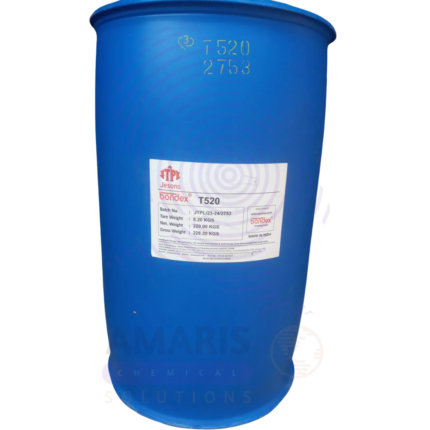
Acticide HF (Incan)
Acticide HF is a proven, broad-spectrum industrial biocide manufactured by Thor Group specifically for in-can preservation of water-based industrial products. It is a clear, colorless to pale blue or pale green liquid with a mild odor, designed for easy incorporation into aqueous formulations. The product is based on a synergistic combination of active ingredients including 5-Chloro-2-methyl-4-isothiazolin-3-one (CIT), 2-Methyl-4-isothiazolin-3-one (MIT), and formaldehyde. This well-established formulation protects water-based formulations against bacteria, molds, and yeasts, ensuring product stability and extended shelf life across demanding conditions. Technical grade Acticide HF is manufactured for industrial use and is not intended for direct human consumption, medical applications, or food preservation.
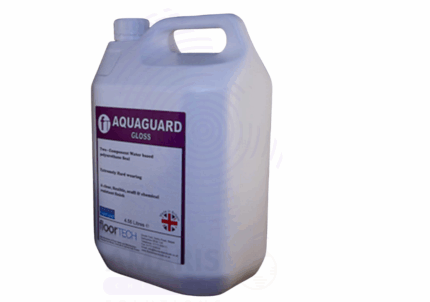
Aquaguard
Aquaguard is a brand name commonly associated with water purification products and filtration systems designed to provide safe, clean drinking water. These systems typically use technologies such as UV purification, RO (reverse osmosis), UF (ultrafiltration), and activated carbon filters to remove contaminants including bacteria, viruses, dissolved salts, heavy metals, and suspended particles. Aquaguard products are widely used in residential, commercial, and industrial settings to improve water quality, taste, and safety. The brand encompasses water purifiers, filters, and treatment units tailored to different water sources and purity requirements.

Bitumen Primer Extra Pure
Bitumen Primer Extra Pure is a high-purity, low-viscosity liquid used in laboratory and industrial research involving adhesion studies, waterproofing technologies, and material compatibility testing. It consists primarily of refined bitumen dissolved in a suitable solvent, allowing it to penetrate and seal porous substrates like concrete, masonry, or metal. In laboratory contexts, it is used to study the behavior of protective coatings, surface treatments, and corrosion resistance. The extra pure grade ensures minimal impurities and uniform consistency, supporting accurate and reproducible test results. Bitumen Primer should be stored in a tightly closed container in a well-ventilated area, away from heat sources, sparks, and open flames
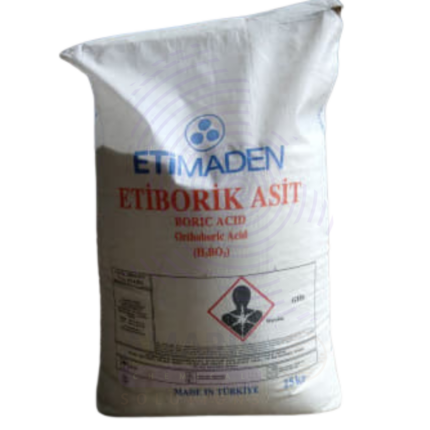
Boric Acid
Boric Acid, chemically known as hydrogen borate or boracic acid, is a weak, monobasic Lewis acid of boron. It appears as a white, crystalline powder or granules that are odorless and slightly soluble in water. Boric Acid is commonly used in antiseptics, insecticides, flame retardants, and as a buffering agent in various industrial and pharmaceutical applications. Due to its mild antiseptic and antifungal properties, it is often used in ophthalmic, dermatologic, and other personal care formulations. It also plays a key role in glass and ceramics manufacturing as well as in agriculture.
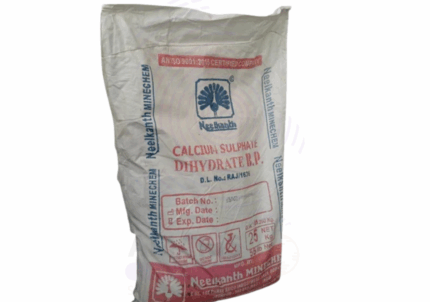
Calcium Sulphate Dihydrate
Calcium Sulphate Dihydrate, commonly known as gypsum, is a naturally occurring mineral widely used in agriculture, construction, and various industrial processes. It appears as a white or slightly translucent crystalline powder with moderate solubility in water. The compound is primarily used as a soil conditioner to improve soil structure and supply calcium and sulfur nutrients essential for plant growth. It also finds applications in the manufacture of plaster, cement, and as a filler in various products.

Ceramic cleaner
Ceramic Cleaner is a formulated cleaning agent specifically designed to remove dirt, grime, stains, soap scum, hard water deposits, and biological films from ceramic surfaces without causing damage or etching. These surfaces include glazed ceramic tiles, porcelain, sanitaryware (toilets, sinks), and delicate ceramics. Formulations vary from acidic or alkaline heavy-duty cleaners for industrial and bathroom use to pH-neutral, non-abrasive solutions for household and delicate items. The product works through a combination of surfactants, solvents, and sometimes mild acids or abrasives to lift and dissolve contaminants, leaving surfaces clean and often with a polished finish.
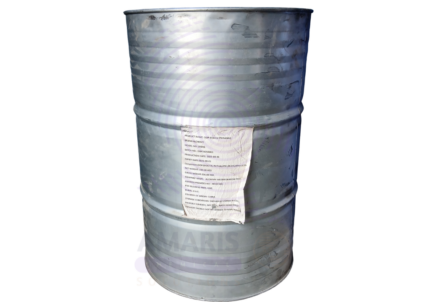
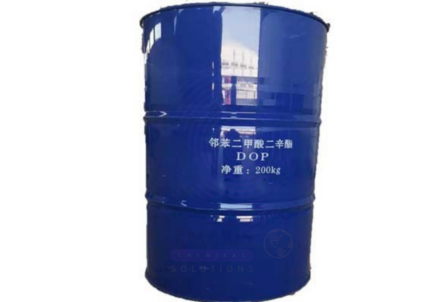
Dioctyl Phthalate
Dioctyl Phthalate (DOP), also known as di(2-ethylhexyl) phthalate (DEHP), is a widely used plasticizer primarily added to polyvinyl chloride (PVC) and other polymers to enhance flexibility, durability, and workability. It is a clear, colorless, oily liquid with a slight ester odor. Due to its excellent compatibility with many polymers and long-lasting plasticizing effects, DOP is one of the most common phthalate plasticizers used in industries such as construction, automotive, packaging, and medical devices. It also serves as a solvent and dispersant in various chemical processes.
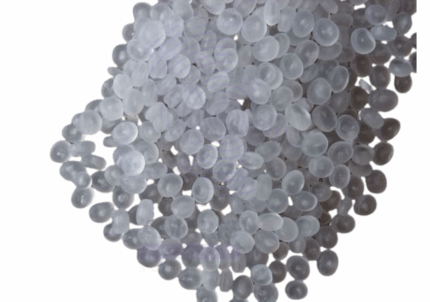
PP Raffia RH03( Wooven)
PP Raffia RH03( Wooven) is a woven polypropylene fabric made from homopolymer polypropylene resin, designed for high strength, durability, and excellent dimensional stability. It is widely used in the manufacturing of woven sacks, bags, and other flexible packaging solutions. The woven structure enhances tear resistance and load-bearing capacity, making it suitable for industrial and agricultural packaging applications.












