

 Preservatives(food)
 Flavors
 Acidulants
 Sweeteners
 Antioxidants
 Colorants(food)
 Nutraceutical Ingredients (food)
 Nutrient Supplements
 Emulsifiers
 Collectors
 Dust Suppressants
 Explosives and Blasting Agents
 Flocculants and Coagulants
 Frothers
 Leaching Agents
 pH Modifiers
 Precious Metal Extraction Agents
 Antioxidants(plastic)
 Colorants (Pigments, Dyes)
 Fillers and Reinforcements
 Flame Retardants
 Monomers
 Plasticizers
 Polymerization Initiators
 Stabilizers (UV, Heat)
 Antifoaming Agents
 Chelating Agents
 Coagulants and Flocculants
 Corrosion Inhibitors
 Disinfectants and Biocides
 Oxidizing Agents
 pH Adjusters
 Scale Inhibitors( water)
 Antioxidants(cosmetic)
 Emollients
 Oils
Oils Carrier Oills
 Essential Oils
 Humectants
 Preservatives
 Surfactants(cosmetic)
 Thickeners
 UV Filters
 Fragrance (Cosmetics)
 Fertilizers
 Soil Conditioners
 Plant Growth Regulators
 Animal Feed Additives
 Biostimulants
 Pesticides (Herbicides, Insecticides, Fungicides)
 Active Pharmaceutical Ingredients (APIs)
 Excipients
 Solvents(pharmaceutical)
 Antibiotics
 Antiseptics and Disinfectants
 Vaccine Adjuvants
 Nutraceutical Ingredients (pharmaceutical)
 Analgesics & Antipyretics
 Analytical Reagents
 Solvents(lab)
 Chromatography Chemicals
 Spectroscopy Reagents
 microbiology-and-cell-culture-reagents
 Molecular Biology Reagents
 Biochemical Reagents
 Inorganic and Organic Standards
 Laboratory Safety Chemicals
 Specialty Laboratory Chemicals(Special Laboratory Equipment)
 Demulsifiers
 Hydraulic Fracturing Fluids
 Scale Inhibitors(oil)
 Surfactants(oil)
 Drilling Fluids
 Dyes and Pigments
 Bleaching Agents
 Softening Agents
 Finishing Agents
 Antistatic Agents
 Admixtures
 Waterproofing Agents
 Sealants and Adhesives
 Curing Compounds
 Concrete Repair Chemicals
 Anti-Corrosion Coatings
 Surfactants(cleaning)
 Builders
 Enzymes
 Solvents (Cleaning)
 Electronic Chemicals
 Catalysts
 Lubricants
 Photographic Chemicals
 Refrigerants
 Automotive chemicals
 Pyrotechnic Chemicals
 Biodegradable Surfactants
 Bio-based Solvents
 Renewable Polymers
 Carbon Capture Chemicals
 Wastewater Treatment Chemicals
 Pigments
 Solvents(paint)
 Specialty Coatings
 Binders/Resins
 Additives
 Driers
 Anti-Corrosion Agents
 Functional Coatings
 Application-Specific Coatings
 Leavening Agents
 Dough Conditioners
 Flour Treatments
 Fat Replacers
 Decoratives
 Preservatives(baking)
 Plasticizers & Softeners
 Reinforcing Agents
 Adhesion Promoters
 Vulcanizing Agents
 Antidegradants
 Blowing Agents
 Fillers & Extenders
 Accelerators & Retarders

Bitumen Primer Extra Pure
Bitumen Primer Extra Pure is a high-purity, low-viscosity liquid used in laboratory and industrial research involving adhesion studies, waterproofing technologies, and material compatibility testing. It consists primarily of refined bitumen dissolved in a suitable solvent, allowing it to penetrate and seal porous substrates like concrete, masonry, or metal. In laboratory contexts, it is used to study the behavior of protective coatings, surface treatments, and corrosion resistance. The extra pure grade ensures minimal impurities and uniform consistency, supporting accurate and reproducible test results. Bitumen Primer should be stored in a tightly closed container in a well-ventilated area, away from heat sources, sparks, and open flames
Bitumen Primer Extra Pure
Primary Uses
- Material Adhesion Testing
- Used in laboratory tests of bonding strength between bituminous layers and various substrates (e.g., concrete, metal, glass) for civil or materials engineering studies.
- Formulation Studies
- Serves as a base compound in lab-scale modification experiments (e.g., adding polymers, resins, or solvents to study effects on drying time, viscosity, and adhesion).
- Analytical Characterization
- Investigated using techniques like GC-MS, FTIR, or TGA to analyze composition, volatility, and thermal behavior of bituminous coatings.
- Waterproofing Material Simulation
- Used in small-scale simulations of waterproofing systems, helping researchers study moisture barriers and coating performance under controlled conditions.
Secondary Uses
- Educational Demonstrations
- Used in civil engineering or construction chemistry labs to demonstrate priming methods, penetration properties, and setting behavior.
- Corrosion Protection Studies
- Tested as a corrosion-resistant primer in metal exposure experiments, particularly under salt spray or humid environments.
- Comparative Coating Performance Research
- Used alongside synthetic and eco-friendly alternatives in studies comparing environmental impact and durability.
- Binder Compatibility Studies
- Investigated for interaction with asphalt, aggregates, and additives in binder blend compatibility testing.
1. Basic Identification Attributes
- Product Name: Bitumen Primer Extra Pure
- General Description: A high-purity, solvent-based bituminous primer designed for adhesion promotion in waterproofing tests, material compatibility studies, and sample preparations in lab settings.
- CAS Number: Mixture (primary components include Bitumen [CAS: 8052-42-4] + hydrocarbon solvents)
- HS Code: 2715.00.00 (Bituminous mixtures)
- Grade: Extra Pure (suitable for controlled lab applications)
- Composition:
- Refined bitumen (asphalt)
- Solvents like mineral spirits, naphtha, or toluene
2. Physical & Chemical Properties
- Physical State: Liquid
- Appearance: Dark brown to black viscous liquid
- Odor: Strong petroleum-like odor
- Boiling Point: 120–200 °C (depending on solvent blend)
- Flash Point: ~35–45 °C (flammable)
- Density: ~0.90–1.05 g/cm³
- Solubility:
- Water: Insoluble
- Organic solvents: Soluble in aliphatic and aromatic hydrocarbons
- Viscosity: Medium to high
- Vapor Pressure: Moderate (due to solvent content)
3. Safety & Hazard Attributes
- GHS Classification:
- Flammable Liquid (Category 3)
- Skin Irritant (Category 2)
- Specific Target Organ Toxicity – Single Exposure (Category 3)
- GHS Pictograms:
⚠️ 🔥 - NFPA Ratings:
- Health: 2
- Flammability: 3
- Reactivity: 0
- Primary Hazards in Lab:
- Flammable vapors
- Skin/eye irritation
- Inhalation hazard from fumes
- Personal Protective Equipment (PPE):
- Nitrile gloves, safety goggles, lab coat
- Use in fume hood when heated or sprayed
4. Storage & Handling Attributes
- Storage Conditions:
- Store in flammable chemical cabinet
- Keep container tightly closed
- Protect from heat, sparks, open flame
- Incompatible Materials:
- Oxidizing agents, strong acids, alkalis
- Container Type:
- Metal or solvent-resistant plastic with sealed lid
- Shelf Life:
- Up to 2 years under proper storage
- Handling Notes (Lab):
- Mix thoroughly before use
- Avoid skin contact and fume inhalation
5. Regulatory & Compliance Attributes
- Regulatory Status:
- Regulated for flammability and VOC content
- Not classified as carcinogenic in pure lab-grade form, but prolonged exposure may carry risk (depending on bitumen refinement)
- Transportation Restrictions:
- UN 1999, Class 3 (Flammable liquid, n.o.s.)
- Must follow DG transport guidelines
- Disposal Method:
- Hazardous waste – collect and dispose of per local environmental regulations
6. Environmental & Health Impact
- Ecotoxicity: Harmful to aquatic life (due to hydrocarbon solvents)
- Persistence: Bitumen components are persistent in the environment
- Bioaccumulation: Low to moderate depending on solvent type
Carcinogenicity: Potential concern only if polycyclic aromatic hydrocarbons (PAHs) are present — not typical in extra pure lab grade
SAFETY PRECAUTIONS
- Personal Protective Equipment (PPE):
- Wear chemical-resistant gloves, lab coat, and safety goggles.
- Use respiratory protection if adequate ventilation is not ensured.
- Handling:
- Handle in a well-ventilated fume hood due to the presence of volatile organic solvents.
- Avoid inhalation, skin contact, and eye exposure.
- Keep away from sparks, flames, and heat sources – product is highly flammable.
- Storage:
- Store in a cool, well-ventilated area, away from direct sunlight and ignition sources.
- Keep the container tightly closed when not in use.
- Ground/bond container and receiving equipment to prevent static discharge.
- Hygiene Measures:
- Wash thoroughly after handling.
- Do not eat, drink, or smoke in areas where the product is used or stored.
FIRST AID MEASURES
- Inhalation:
- Remove the victim to fresh air.
- If breathing is difficult, administer oxygen.
- Seek immediate medical attention.
- Skin Contact:
- Wash with soap and water.
- Remove contaminated clothing.
- Seek medical attention for irritation or burns.
- Eye Contact:
- Flush immediately with plenty of water for at least 15 minutes.
- Hold eyelids open during flushing.
- Seek medical help promptly.
- Ingestion:
- Do not induce vomiting (may cause aspiration into lungs).
- Rinse your mouth if conscious.
- Get immediate medical assistance.
FIRE FIGHTING MEASURES
- Extinguishing Media:
- Use foam, dry chemical powder, carbon dioxide (CO₂).
- Do not use water jets (can spread the fire).
- Fire Hazards:
- Highly flammable — vapors may form explosive mixtures with air.
- Combustion releases toxic fumes: carbon monoxide, carbon dioxide, and smoke.
- Protective Equipment for Firefighters:
- Wear self-contained breathing apparatus (SCBA).
- Use full protective firefighting gear.
- Explosion Risk:
- Vapors can travel along surfaces to a distant ignition source.
- Ensure proper grounding during transfer operations.
Related products
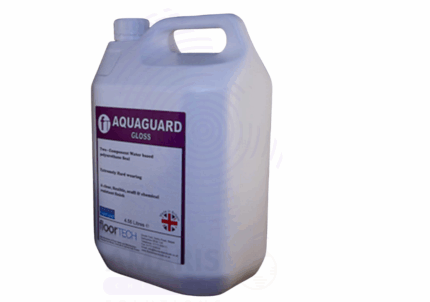
Aquaguard
Aquaguard is a brand name commonly associated with water purification products and filtration systems designed to provide safe, clean drinking water. These systems typically use technologies such as UV purification, RO (reverse osmosis), UF (ultrafiltration), and activated carbon filters to remove contaminants including bacteria, viruses, dissolved salts, heavy metals, and suspended particles. Aquaguard products are widely used in residential, commercial, and industrial settings to improve water quality, taste, and safety. The brand encompasses water purifiers, filters, and treatment units tailored to different water sources and purity requirements.
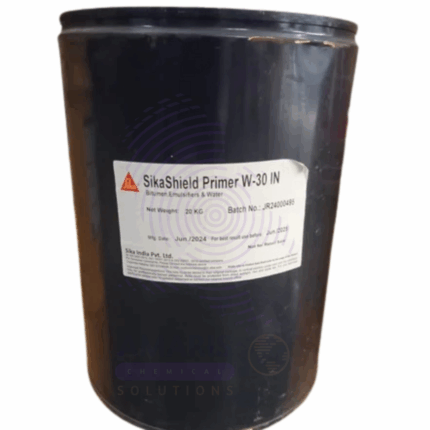
Bitumen Primer
Bitumen Primer is a high-performance, solvent-based or water-based coating designed to prepare and seal surfaces before the application of bituminous waterproofing or roofing systems. It enhances adhesion by binding dust, reducing surface porosity, and creating a tacky base layer for membranes, felts, and asphalt-based applications. Bitumen Primer is quick-drying, highly penetrative, and applicable to a wide variety of substrates including concrete, masonry, metal, and wood. It plays a critical role in extending the durability and effectiveness of waterproofing systems in construction and industrial environments.
Blotting Paper
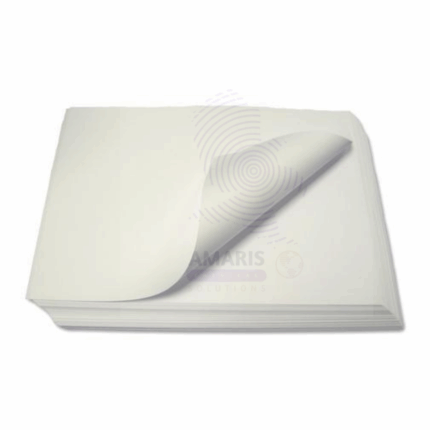
Blotting Paper is a highly absorbent, unsized paper made from purified cellulose, used primarily for absorbing excess liquids such as ink, oils, and solvents. In laboratory and industrial settings, it is critical for procedures requiring rapid and uniform absorption without chemical interference. Its porous and capillary-active nature makes it ideal for blotting techniques in analytical chemistry, biology (such as electrophoresis or Western blotting), and precision cleaning tasks. Blotting paper is available in various thicknesses and porosities to suit specific tasks, from fine analytical work to heavy-duty industrial absorption needs.
Polyglycerol-10-Laurate Extra Pure
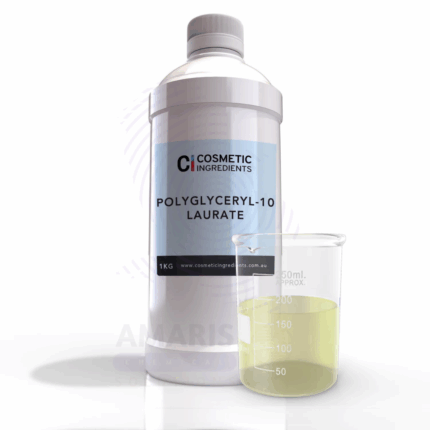
Polyglycerol-10-laurate Extra Pure is a high-purity, non-ionic surfactant and emulsifier composed of ten glycerol units esterified with lauric acid. This versatile compound is especially valued in cosmetic, pharmaceutical, and food-grade applications where ultra-high purity and biocompatibility are critical.
Known for its excellent emulsifying, dispersing, and solubilizing properties, Polyglycerol-10-laurate is widely used in formulations for creams, lotions, and other personal care products, particularly those designed for sensitive skin. In pharmaceuticals, it aids in enhancing bioavailability and improving the stability of active ingredients, while in food applications, it serves as a safe emulsifier and texturizer, often used in dairy and confectionery products.
Polyglyceryl Extra Pure
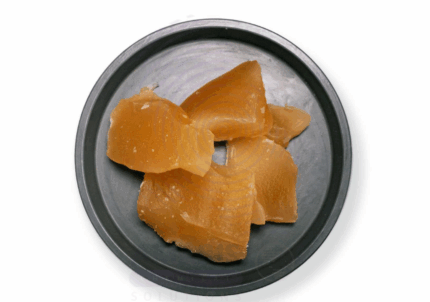
Polyglyceryl Extra Pure refers to a high-purity class of non-ionic surfactants and emulsifiers derived from glycerol units. These compounds are widely used in cosmetics, pharmaceuticals, and food formulations due to their excellent skin compatibility, emulsifying properties, and biodegradability.
Polyglyceryls come in various forms (e.g., Polyglyceryl-3, Polyglyceryl-6, Polyglyceryl-10), each offering different levels of hydrophilicity and emulsifying strength. In cosmetics, they help create stable oil-in-water emulsions, ideal for lotions, creams, cleansers, and sunscreens. In pharmaceuticals, their non-toxic and non-irritating nature makes them suitable carriers for active ingredients. In food products, they function as safe emulsifiers and stabilizers, supporting clean-label and natural product development.
This extra pure grade ensures low impurity levels, minimal odor, and consistent performance, making it ideal for sensitive applications. Store tightly sealed in a cool, dry place away from heat and light to maintain its stability and quality.
Potassium Iodide Extra Pure
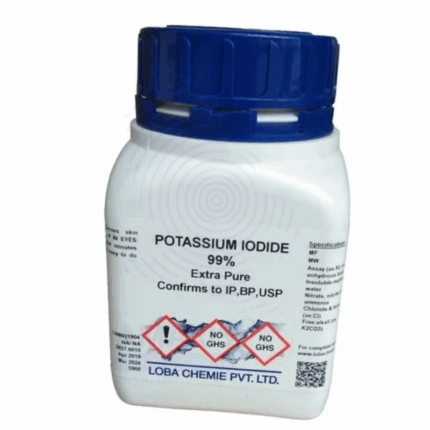
Potassium Iodide Extra Pure is a high-purity, white crystalline salt widely recognized for its excellent solubility in water and its versatile applications. In laboratories, it is commonly used as a reagent in iodometric titrations and for preparing iodine solutions. In the medical field, it serves as a key source of iodine and is used for thyroid protection against radioactive iodine exposure. Its antioxidant properties also make it valuable in pharmaceutical formulations and as a stabilizer in various chemical processes. The extra pure grade ensures maximum consistency and reliability for precise experimental and industrial outcomes.
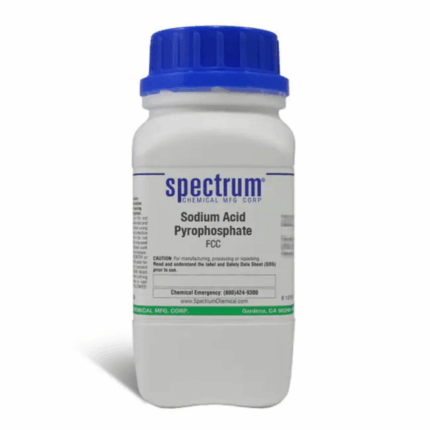
Sodium Acid Pyrophosphate Extra Pure
Sodium Acid Pyrophosphate Extra Pure is a high-quality, white granular or powdery inorganic chemical widely used as a leavening agent (E450), buffering agent, and sequestrant in food processing, laboratory applications, and chemical manufacturing. It maintains acidity, controls pH, and binds metal ions to improve stability and quality in various products. This compound is stable under normal conditions but should be stored dry and away from incompatible substances to preserve its purity and effectiveness. Handling precautions are essential to prevent irritation from dust exposure.
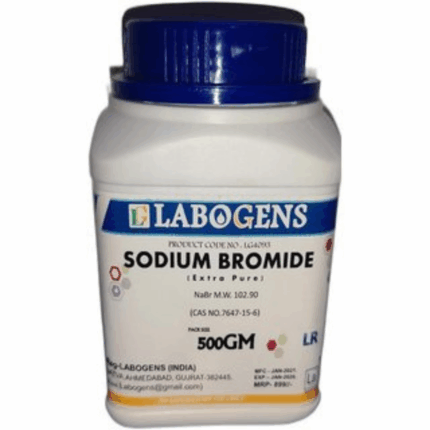
Sodium Bromide Extra Pure
Sodium Bromide Extra Pure is a high-purity, white crystalline inorganic salt used extensively in analytical chemistry, photography, pharmaceutical manufacturing, and water treatment. It serves as a source of bromide ions in various laboratory and industrial applications. Highly soluble in water and chemically stable, sodium bromide is an important specialty reagent with a wide range of uses requiring consistent, high-grade purity. It is non-flammable and safe under recommended handling conditions.












