

 Preservatives(food)
 Flavors
 Acidulants
 Sweeteners
 Antioxidants
 Colorants(food)
 Nutraceutical Ingredients (food)
 Nutrient Supplements
 Emulsifiers
 Collectors
 Dust Suppressants
 Explosives and Blasting Agents
 Flocculants and Coagulants
 Frothers
 Leaching Agents
 pH Modifiers
 Precious Metal Extraction Agents
 Antioxidants(plastic)
 Colorants (Pigments, Dyes)
 Fillers and Reinforcements
 Flame Retardants
 Monomers
 Plasticizers
 Polymerization Initiators
 Stabilizers (UV, Heat)
 Antifoaming Agents
 Chelating Agents
 Coagulants and Flocculants
 Corrosion Inhibitors
 Disinfectants and Biocides
 Oxidizing Agents
 pH Adjusters
 Scale Inhibitors( water)
 Antioxidants(cosmetic)
 Emollients
 Oils
Oils Carrier Oills
 Essential Oils
 Humectants
 Preservatives
 Surfactants(cosmetic)
 Thickeners
 UV Filters
 Fragrance (Cosmetics)
 Fertilizers
 Soil Conditioners
 Plant Growth Regulators
 Animal Feed Additives
 Biostimulants
 Pesticides (Herbicides, Insecticides, Fungicides)
 Active Pharmaceutical Ingredients (APIs)
 Excipients
 Solvents(pharmaceutical)
 Antibiotics
 Antiseptics and Disinfectants
 Vaccine Adjuvants
 Nutraceutical Ingredients (pharmaceutical)
 Analgesics & Antipyretics
 Analytical Reagents
 Solvents(lab)
 Chromatography Chemicals
 Spectroscopy Reagents
 microbiology-and-cell-culture-reagents
 Molecular Biology Reagents
 Biochemical Reagents
 Inorganic and Organic Standards
 Laboratory Safety Chemicals
 Specialty Laboratory Chemicals(Special Laboratory Equipment)
 Demulsifiers
 Hydraulic Fracturing Fluids
 Scale Inhibitors(oil)
 Surfactants(oil)
 Drilling Fluids
 Dyes and Pigments
 Bleaching Agents
 Softening Agents
 Finishing Agents
 Antistatic Agents
 Admixtures
 Waterproofing Agents
 Sealants and Adhesives
 Curing Compounds
 Concrete Repair Chemicals
 Anti-Corrosion Coatings
 Surfactants(cleaning)
 Builders
 Enzymes
 Solvents (Cleaning)
 Electronic Chemicals
 Catalysts
 Lubricants
 Photographic Chemicals
 Refrigerants
 Automotive chemicals
 Pyrotechnic Chemicals
 Biodegradable Surfactants
 Bio-based Solvents
 Renewable Polymers
 Carbon Capture Chemicals
 Wastewater Treatment Chemicals
 Pigments
 Solvents(paint)
 Specialty Coatings
 Binders/Resins
 Additives
 Driers
 Anti-Corrosion Agents
 Functional Coatings
 Application-Specific Coatings
 Leavening Agents
 Dough Conditioners
 Flour Treatments
 Fat Replacers
 Decoratives
 Preservatives(baking)
 Plasticizers & Softeners
 Reinforcing Agents
 Adhesion Promoters
 Vulcanizing Agents
 Antidegradants
 Blowing Agents
 Fillers & Extenders
 Accelerators & Retarders
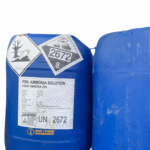
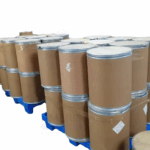

Ammonium Acetate
Original price was: $ 1.71.$ 1.62Current price is: $ 1.62.
Ammonium acetate is a white crystalline solid or granular powder that is highly soluble in water. It is the ammonium salt of acetic acid and commonly appears as a colorless, odorless compound. Ammonium acetate is widely used in laboratories, chemical synthesis, food industry, pharmaceuticals, and industrial applications due to its buffering capacity and ability to provide both ammonium and acetate ions in solution. It functions as a neutral salt and is valued for its role as a pH buffer, reagent, and stabilizer.
Ammonium Acetate
Primary Uses
- Buffering Agent in Biochemistry and Molecular Biology
- Used extensively as a buffering agent in biochemical applications, especially in nucleic acid and protein purification techniques such as DNA and RNA precipitation.
- Maintains pH stability in electrophoresis and chromatography.
- Helps stabilize enzyme activity during assays and molecular biology protocols.
- Chemical Synthesis
- Employed as a reagent in organic synthesis, for example, in the preparation of acetates and other chemical intermediates.
- Used in the manufacture of pharmaceuticals and dyes.
- Food Industry
- Functions as a food additive and acidity regulator (E264), used to control pH in processed foods and beverages.
- Acts as a stabilizer and preservative to extend shelf life.
- Often found in baking powders and gelatin preparations.
- Pharmaceutical Industry
- Utilized as an excipient or buffering agent in drug formulations to maintain pH stability and improve drug solubility and bioavailability.
- Sometimes used in intravenous fluids and injectable formulations.
- Textile Industry
- Used in textile printing and dyeing as a neutralizing agent and buffer.
- Helps in fixing dyes and improving color fastness.
Secondary Uses
- Analytical Chemistry
- Serves as a standard in titrations and analytical calibrations.
- Used in mass spectrometry as a volatile buffer to improve ionization and peak shape.
- Laboratory Uses
- Employed as a reagent for buffer solutions in chemical and biochemical labs.
- Used in some chemical experiments as a source of acetate and ammonium ions.
- Agriculture
- Occasionally used as a nitrogen source or soil conditioner, though less common compared to other ammonium salts.
- Cosmetics
- Incorporated in some cosmetic products as a pH adjuster and buffering agent.
1. Basic Identification Attributes
- Chemical Name (IUPAC): Ammonium acetate
- Common/Trade Names: Ammonium acetate
- CAS Number: 631-61-8
- HS Code: 2915.90.00
- Molecular Formula: C2H7NO2
- Synonyms: Acetic acid ammonium salt, Ammonium ethanoate
2. Physical & Chemical Properties
- Physical State: White crystalline powder or granules
- Color & Odor: Colorless to white, odorless or faint vinegar-like odor
- Melting Point: 114–117°C (decomposes)
- Boiling Point: Decomposes before boiling
- Density: ~1.175 g/cm³
- Solubility: Highly soluble in water (~290 g/L at 20°C), slightly soluble in alcohol
- pH Level: Neutral to slightly basic (~7–8 in aqueous solution)
- Vapor Pressure: Negligible
- Flash Point: Non-flammable
- Autoignition Temperature: N/A
- Stability: Stable under normal conditions
3. Safety & Hazard Attributes
- Hazard Class (GHS): Generally considered non-hazardous
- NFPA Ratings: Health 1, Flammability 0, Reactivity 0
- Exposure Limits: No established OSHA PEL or ACGIH TLV
- Reactivity: Stable, but decomposes with strong acids or bases releasing ammonia or acetic acid vapors
- Incompatible Materials: Strong oxidizers, strong acids, strong bases
4. Storage & Handling Attributes
- Storage Conditions: Store in a cool, dry place away from moisture and incompatible materials
- Container Type: Plastic or glass containers, tightly sealed
- Shelf Life: Typically 2-3 years if stored properly
- Special Handling: Avoid dust generation; use in well-ventilated areas; wear PPE during handling
5. Regulatory & Compliance Attributes
- Regulatory Status: Approved for use in food and pharmaceuticals with restrictions
- Transportation: Not classified as hazardous; normal transport conditions apply
- Waste Disposal: Dispose according to local regulations; generally non-hazardous waste
6. Environmental & Health Impact
- Ecotoxicity: Low toxicity to aquatic organisms
- Persistence: Biodegradable
- Carcinogenicity: Not classified as carcinogenic
- Biodegradability: Readily biodegradable
Safety Handling Precautions
- PPE: Use gloves, safety goggles, and dust masks when handling powder to prevent skin, eye, and respiratory exposure.
- Handling: Avoid dust inhalation; work in well-ventilated areas.
- Storage: Keep containers tightly sealed and store in dry areas to prevent caking.
- Hygiene: Wash hands after use; avoid eating or drinking during handling.
First Aid Measures
- Inhalation: Move affected person to fresh air. Seek medical attention if irritation persists.
- Skin Contact: Wash with soap and water; seek medical advice if irritation develops.
- Eye Contact: Rinse immediately with water for at least 15 minutes; consult a doctor if irritation continues.
- Ingestion: Rinse mouth; drink water. Seek medical advice if large quantities are ingested.
Firefighting Measures
- Fire Hazards: Non-flammable; may decompose at high temperatures releasing ammonia and acetic acid vapors.
- Extinguishing Media: Use water spray, dry chemical, foam, or CO₂ to extinguish surrounding fire.
- Special Precautions: Firefighters should wear self-contained breathing apparatus (SCBA) due to possible toxic gases.
Related products
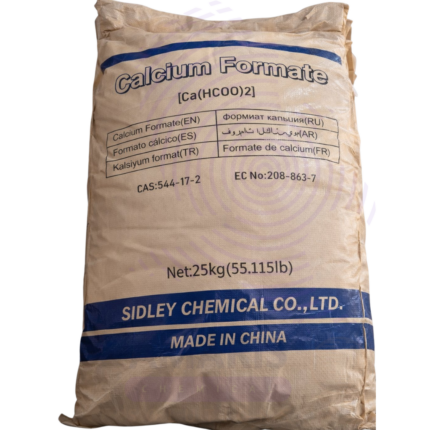
Calcium Formate
Calcium Formate is the calcium salt of formic acid, appearing as a white, free-flowing crystalline powder or granules. It is an odorless compound with a slightly bitter taste and is non-toxic. The chemical formula is Ca(HCOO)₂ with a molecular weight of 130.0 g/mol. Calcium Formate is slightly hygroscopic and readily soluble in water, with solubility of approximately 16.1 g/100 mL at 20°C. Its water solution is neutral with a pH of 6.0 to 8.0. The compound is stable under normal storage conditions and has a decomposition temperature exceeding 400°C. Technical grade Calcium Formate is manufactured for industrial applications including construction, animal feed, leather processing, and water treatment.
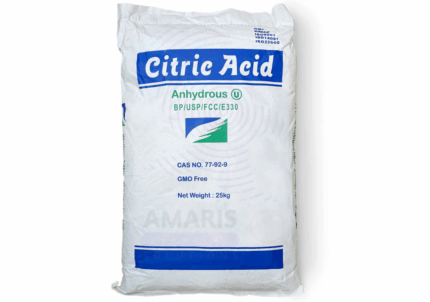
Citric Acid Anhydrous
Citric Acid Anhydrous is a white, crystalline organic acid widely used across food, pharmaceutical, cosmetic, and industrial sectors. It is the anhydrous form of citric acid, meaning it contains no water molecules in its crystal lattice, resulting in higher purity and more concentrated acidic properties compared to its monohydrate form. Derived from natural sources like citrus fruits or produced via microbial fermentation, citric acid anhydrous is valued for its sour taste, excellent chelating ability, and buffering capacity. It serves as a natural preservative, pH adjuster, antioxidant synergist, and cleaning agent, making it a versatile ingredient in many formulations.
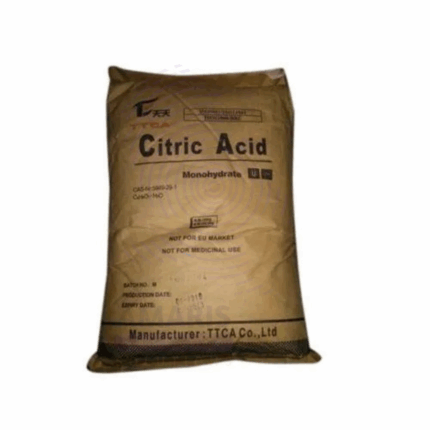
Citric Acid Monohydrate
Citric Acid Monohydrate is a white, crystalline powder or granule form of citric acid containing one molecule of water per molecule of acid. It is a natural organic acid commonly derived from citrus fruits or produced by fermentation processes. Citric Acid Monohydrate is widely used as an acidulant, preservative, and chelating agent in various industries. Compared to the anhydrous form, it has a slightly lower acid concentration due to the water molecule but offers excellent solubility and stability. It is prized for its sour flavor, buffering capacity, and ability to bind metal ions, making it indispensable in food, pharmaceutical, cosmetic, and industrial applications.
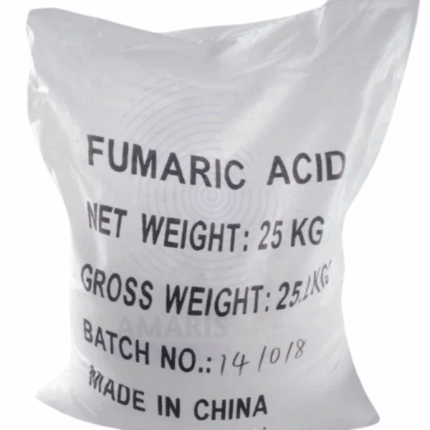
Fumaric Acid
Fumaric Acid is a naturally occurring dicarboxylic acid characterized by its white crystalline powder form and a slightly acidic taste. It is an unsaturated organic acid with the chemical formula C4H4O4 and is an intermediate in the Krebs cycle in biological systems. Fumaric Acid is commonly found in various plants and fungi and is commercially produced by isomerization of maleic acid or by fermentation. It is widely used in the food, pharmaceutical, chemical, and polymer industries due to its acidulant, antioxidant, and crosslinking properties.
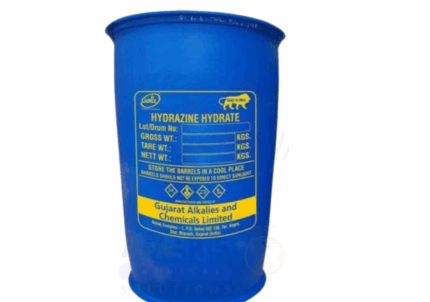
Hydrazine Food Grade
Hydrazine Food Grade is a high-purity form of hydrazine (N₂H₄), a highly reactive, colorless, and fuming liquid with a pungent ammonia-like odor. It is a powerful reducing agent and chemical intermediate widely used in industrial applications. The food-grade specification ensures purity and controlled impurity levels suitable for limited and specialized food industry uses, primarily as a processing aid or sterilizing agent. Hydrazine exhibits strong nucleophilic and reducing properties, enabling various chemical transformations and sterilization processes.
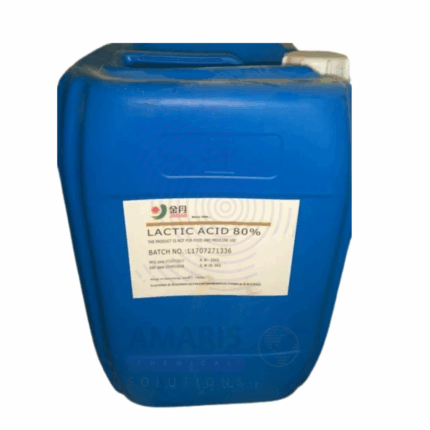
Lactic Acid
Lactic Acid is a colorless to pale yellow, viscous liquid with a mild acidic odor. It is an organic acid naturally produced by fermentation and widely used in industrial, pharmaceutical, cosmetic, and food applications. The 80% concentration provides a balance of potency and ease of handling, making it suitable for pH adjustment, preservation, and chemical synthesis. Lactic acid is biodegradable, non-toxic, and valued for its multifunctionality including antimicrobial properties and chelation abilities.

Sodium Bicarbonate
Sodium Bicarbonate, commonly known as Baking Soda, is a white crystalline powder with a mildly alkaline taste. It is widely used across multiple industries for its excellent buffering, neutralizing, and leavening properties. This compound is safe for food applications and also finds uses in pharmaceuticals, cleaning, and industrial processes. Its ability to react with acids releasing carbon dioxide makes it essential for baking and other chemical applications.
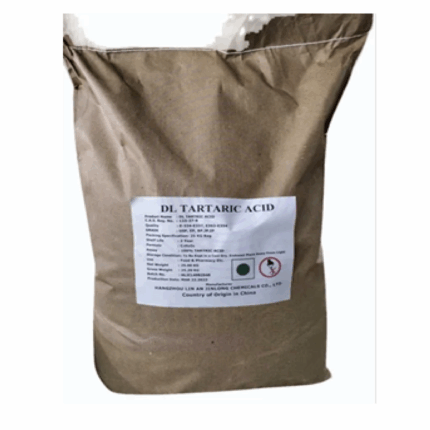
Tartaric Acid
Tartaric Acid is a naturally occurring organic acid found in many plants, particularly grapes. It is widely used in the food, pharmaceutical, and chemical industries due to its acidic properties and ability to act as a chiral building block in synthesis. This crystalline acid enhances flavor, stabilizes products, and serves as a key ingredient in baking powders, effervescent tablets, and various industrial applications.












