

 Preservatives(food)
 Flavors
 Acidulants
 Sweeteners
 Antioxidants
 Colorants(food)
 Nutraceutical Ingredients (food)
 Nutrient Supplements
 Emulsifiers
 Collectors
 Dust Suppressants
 Explosives and Blasting Agents
 Flocculants and Coagulants
 Frothers
 Leaching Agents
 pH Modifiers
 Precious Metal Extraction Agents
 Antioxidants(plastic)
 Colorants (Pigments, Dyes)
 Fillers and Reinforcements
 Flame Retardants
 Monomers
 Plasticizers
 Polymerization Initiators
 Stabilizers (UV, Heat)
 Antifoaming Agents
 Chelating Agents
 Coagulants and Flocculants
 Corrosion Inhibitors
 Disinfectants and Biocides
 Oxidizing Agents
 pH Adjusters
 Scale Inhibitors( water)
 Antioxidants(cosmetic)
 Emollients
 Oils
Oils Carrier Oills
 Essential Oils
 Humectants
 Preservatives
 Surfactants(cosmetic)
 Thickeners
 UV Filters
 Fragrance (Cosmetics)
 Fertilizers
 Soil Conditioners
 Plant Growth Regulators
 Animal Feed Additives
 Biostimulants
 Pesticides (Herbicides, Insecticides, Fungicides)
 Active Pharmaceutical Ingredients (APIs)
 Excipients
 Solvents(pharmaceutical)
 Antibiotics
 Antiseptics and Disinfectants
 Vaccine Adjuvants
 Nutraceutical Ingredients (pharmaceutical)
 Analgesics & Antipyretics
 Analytical Reagents
 Solvents(lab)
 Chromatography Chemicals
 Spectroscopy Reagents
 microbiology-and-cell-culture-reagents
 Molecular Biology Reagents
 Biochemical Reagents
 Inorganic and Organic Standards
 Laboratory Safety Chemicals
 Specialty Laboratory Chemicals(Special Laboratory Equipment)
 Demulsifiers
 Hydraulic Fracturing Fluids
 Scale Inhibitors(oil)
 Surfactants(oil)
 Drilling Fluids
 Dyes and Pigments
 Bleaching Agents
 Softening Agents
 Finishing Agents
 Antistatic Agents
 Admixtures
 Waterproofing Agents
 Sealants and Adhesives
 Curing Compounds
 Concrete Repair Chemicals
 Anti-Corrosion Coatings
 Surfactants(cleaning)
 Builders
 Enzymes
 Solvents (Cleaning)
 Electronic Chemicals
 Catalysts
 Lubricants
 Photographic Chemicals
 Refrigerants
 Automotive chemicals
 Pyrotechnic Chemicals
 Biodegradable Surfactants
 Bio-based Solvents
 Renewable Polymers
 Carbon Capture Chemicals
 Wastewater Treatment Chemicals
 Pigments
 Solvents(paint)
 Specialty Coatings
 Binders/Resins
 Additives
 Driers
 Anti-Corrosion Agents
 Functional Coatings
 Application-Specific Coatings
 Leavening Agents
 Dough Conditioners
 Flour Treatments
 Fat Replacers
 Decoratives
 Preservatives(baking)
 Plasticizers & Softeners
 Reinforcing Agents
 Adhesion Promoters
 Vulcanizing Agents
 Antidegradants
 Blowing Agents
 Fillers & Extenders
 Accelerators & Retarders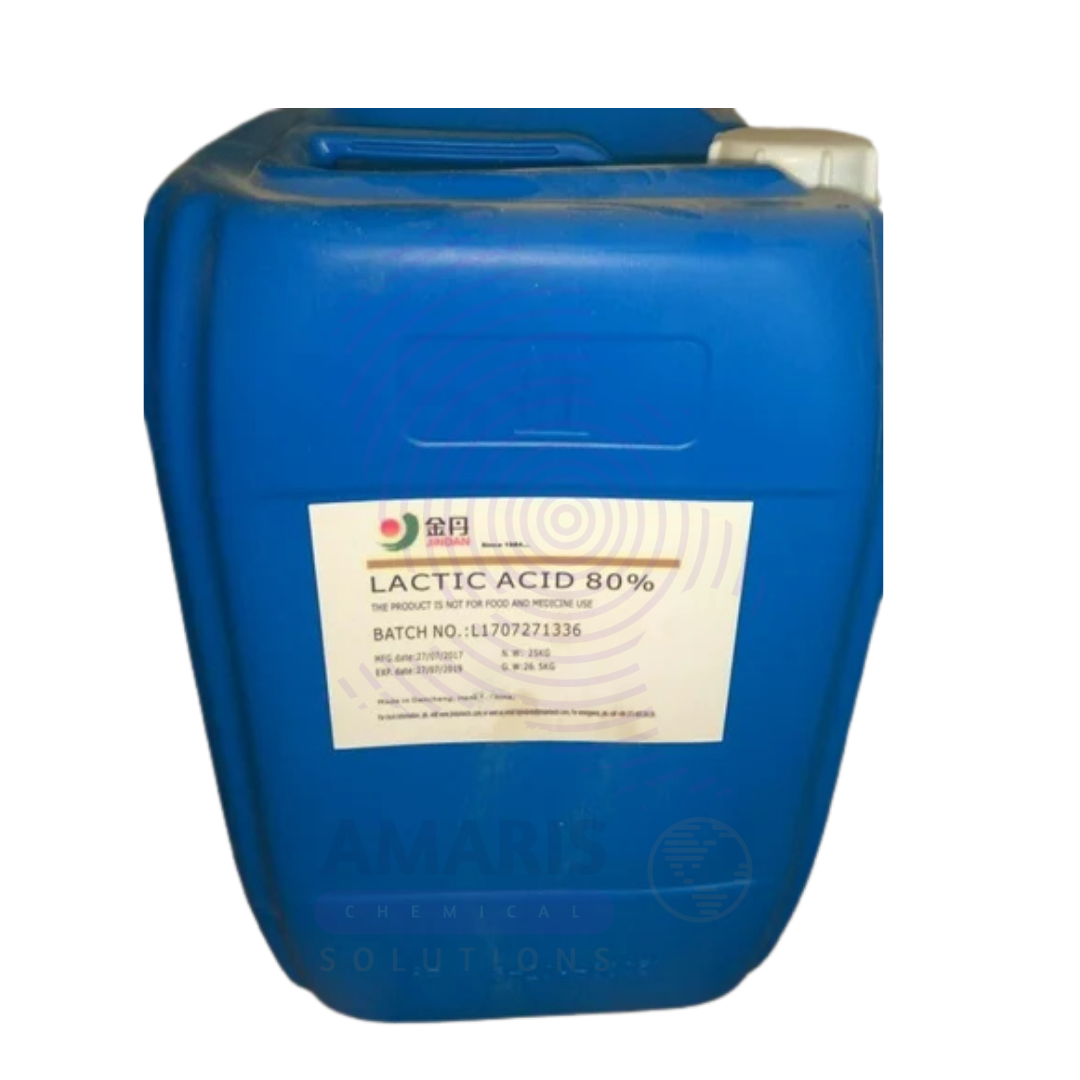


Lactic Acid
Lactic Acid is a colorless to pale yellow, viscous liquid with a mild acidic odor. It is an organic acid naturally produced by fermentation and widely used in industrial, pharmaceutical, cosmetic, and food applications. The 80% concentration provides a balance of potency and ease of handling, making it suitable for pH adjustment, preservation, and chemical synthesis. Lactic acid is biodegradable, non-toxic, and valued for its multifunctionality including antimicrobial properties and chelation abilities.
Lactic Acid
Primary Uses
- Food & Beverage Industry
- Used as a food acidulant and preservative to regulate acidity and enhance flavor in dairy products, beverages, sauces, and pickled foods.
- Acts as a fermentation aid and pH regulator in yogurt, cheese, and sourdough production.
- Pharmaceutical and Cosmetic Industry
- Employed as an active ingredient in skin care formulations for exfoliation, moisturizing, and pH balancing.
- Used in topical creams, lotions, and chemical peels for its keratolytic and humectant properties.
- Acts as a preservative and pH adjuster in pharmaceutical syrups and ointments.
- Industrial Applications
- Serves as a pH regulator and buffering agent in textile processing, leather tanning, and cleaning formulations.
- Used in biodegradable polymer production (e.g., polylactic acid) for environmentally friendly plastics and packaging.
- Functions as a chelating agent and descaling chemical in cleaning and metal treatment processes.
- Agriculture
- Used as a biocide and preservative in animal feed to inhibit microbial growth and spoilage.
Secondary Uses
- Water Treatment
- Applied as a biodegradable acidulant and pH regulator in water treatment plants to control alkalinity.
- Chemical Synthesis
- Used as a building block in the synthesis of various chemicals including solvents, biodegradable polymers, and pharmaceuticals.
- Cleaning Products
- Included in eco-friendly cleaning agents for its acidity and antimicrobial effects, useful in food processing and household cleaners.
- Textile Industry
- Acts as a mordant and pH adjuster in dyeing and finishing processes.
1. Basic Identification Attributes
- Chemical Name (IUPAC): 2-Hydroxypropanoic acid
- Common/Trade Name: Lactic Acid 80%
- CAS Number: 50-21-5
- HS Code: 2918.14.00
- Synonyms: Alpha-hydroxypropionic acid; Milk acid; 2-Hydroxypropionic acid
2. Physical & Chemical Properties
- Physical State: Viscous liquid
- Color & Odor: Colorless to pale yellow; mild acidic odor
- pH (80% solution): Approximately 2.0
- Density: ~1.21 g/cm³
- Solubility: Miscible with water and alcohols
- Boiling Point: 122 °C (decomposes)
3. Safety & Hazard Attributes
- GHS Classification: Skin corrosion/irritation (Category 2), Serious eye damage/eye irritation (Category 1)
- Toxicity: Low toxicity but corrosive at high concentrations
- Exposure Limits: No established occupational exposure limits; avoid inhalation and skin contact
4. Storage & Handling Attributes
- Storage Conditions: Store in a cool, dry, well-ventilated area away from incompatible substances like strong oxidizers and bases
- Container Type: Supplied in corrosion-resistant containers such as plastic drums or lined steel drums
- Shelf Life: Typically 1-2 years if stored properly
- Handling Precautions: Use appropriate PPE including gloves, goggles, and acid-resistant clothing; avoid inhalation and contact
5. Regulatory & Compliance Attributes
- Approved for food, cosmetic, and pharmaceutical applications by FDA, EFSA, and other regulatory bodies
- Complies with REACH and other chemical safety regulations
6. Environmental & Health Impact
- Biodegradability: Readily biodegradable
- Ecotoxicity: Low toxicity to aquatic organisms at typical use concentrations
- Bioaccumulation: Not expected to bioaccumulate
- Carcinogenicity/Mutagenicity: Not classified
Safety Handling Precautions
- PPE Required: Acid-resistant gloves, safety goggles, face shield, protective clothing
- Handling Guidelines: Use in well-ventilated areas; avoid skin and eye contact
- Storage Measures: Keep containers tightly closed and stored away from incompatible chemicals
First Aid Measures
- Inhalation: Move to fresh air immediately; seek medical attention if symptoms develop
- Skin Contact: Rinse thoroughly with water for at least 15 minutes; remove contaminated clothing; seek medical advice if irritation persists
- Eye Contact: Flush eyes immediately with plenty of water for at least 15 minutes; seek urgent medical attention
- Ingestion: Do not induce vomiting; rinse mouth and seek medical attention immediately
Firefighting Measures
- Fire Hazards: Combustible; emits toxic fumes of carbon oxides when heated to decomposition
- Extinguishing Media: Use water spray, foam, dry chemical, or CO2 extinguishers
- Special Precautions: Wear full protective gear and self-contained breathing apparatus during firefighting
- Hazardous Combustion Products: Carbon monoxide, carbon dioxide, and lactic acid vapors
Related products
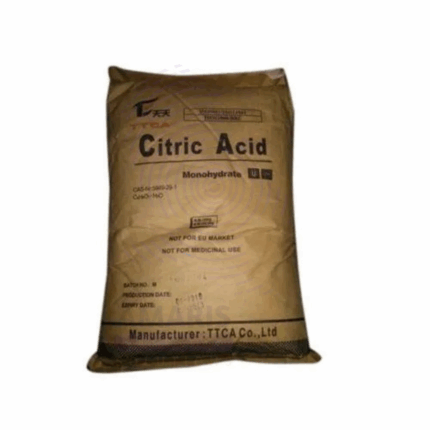
Citric Acid Monohydrate
Citric Acid Monohydrate is a white, crystalline powder or granule form of citric acid containing one molecule of water per molecule of acid. It is a natural organic acid commonly derived from citrus fruits or produced by fermentation processes. Citric Acid Monohydrate is widely used as an acidulant, preservative, and chelating agent in various industries. Compared to the anhydrous form, it has a slightly lower acid concentration due to the water molecule but offers excellent solubility and stability. It is prized for its sour flavor, buffering capacity, and ability to bind metal ions, making it indispensable in food, pharmaceutical, cosmetic, and industrial applications.
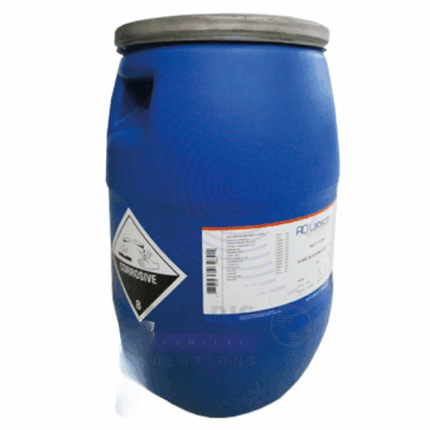
Disodium Hydrogen Phosphate
Disodium Hydrogen Phosphate, also known as sodium phosphate dibasic, is an inorganic salt widely used as a buffering agent, emulsifier, and food additive. It appears as a white, odorless crystalline powder or granules that are highly soluble in water and alkaline in nature. It plays a crucial role in maintaining pH balance, stabilizing formulations, and supplying essential sodium and phosphate ions in various industries including food, pharmaceuticals, water treatment, and agriculture.
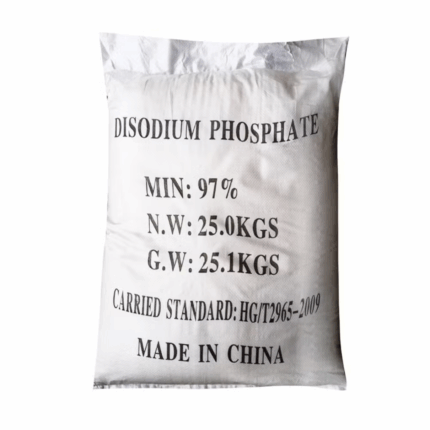
Disodium Phosphate
Disodium Phosphate, also known as sodium phosphate dibasic, is an inorganic compound widely used for its buffering, emulsifying, and chelating properties. It commonly appears as a white, odorless crystalline powder or granules that are highly soluble in water and alkaline in nature. Disodium Phosphate plays a vital role in regulating pH, improving stability in formulations, and providing essential sodium and phosphate ions. It finds extensive use across food processing, pharmaceuticals, water treatment, agriculture, and industrial applications.
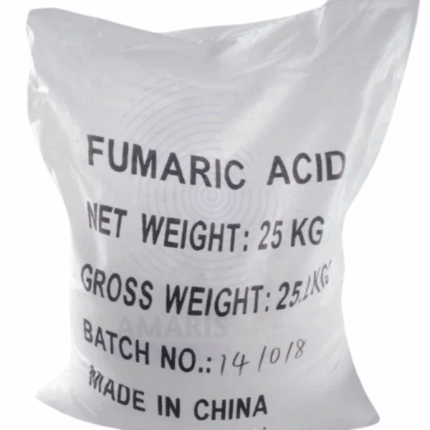
Fumaric Acid
Fumaric Acid is a naturally occurring dicarboxylic acid characterized by its white crystalline powder form and a slightly acidic taste. It is an unsaturated organic acid with the chemical formula C4H4O4 and is an intermediate in the Krebs cycle in biological systems. Fumaric Acid is commonly found in various plants and fungi and is commercially produced by isomerization of maleic acid or by fermentation. It is widely used in the food, pharmaceutical, chemical, and polymer industries due to its acidulant, antioxidant, and crosslinking properties.
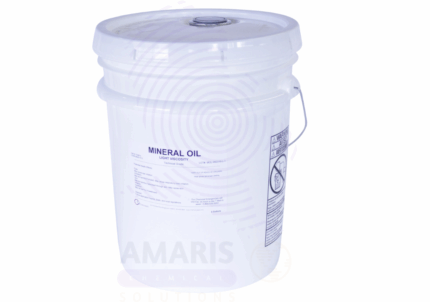
Light White Mineral Oil Tech Grade
Light White Mineral Oil Tech Grade is a highly refined, colorless, odorless, and tasteless petroleum-derived oil. It is characterized by its low viscosity and excellent lubricating properties. This technical-grade mineral oil undergoes stringent purification processes to remove impurities, making it suitable for various industrial, cosmetic, pharmaceutical, and food-related applications. Its chemical stability, non-reactivity, and safety profile make it a versatile ingredient and lubricant in many manufacturing and processing sectors.
Naphazolin hCL USP
Naphazolin hCL USP (Naphazolin HCL) is a topical sympathomimetic agent commonly used as a nasal decongestant and ophthalmic vasoconstrictor. It is a white to off-white crystalline powder soluble in water and alcohol. Naphazolin HCL works by constricting blood vessels, reducing swelling and redness in mucous membranes and eyes. It is widely used in pharmaceutical formulations such as nasal sprays and eye drops.

Sulphamethoxazole BP micronised
Sulphamethoxazole BP Micronised is a fine, micronized form of sulphamethoxazole, a synthetic sulfonamide antibiotic used extensively in human and veterinary medicine. Micronization improves its dissolution rate and bioavailability, enhancing efficacy in oral and injectable formulations. This British Pharmacopoeia (BP) grade product ensures high purity and consistent particle size, making it ideal for pharmaceutical manufacturing.
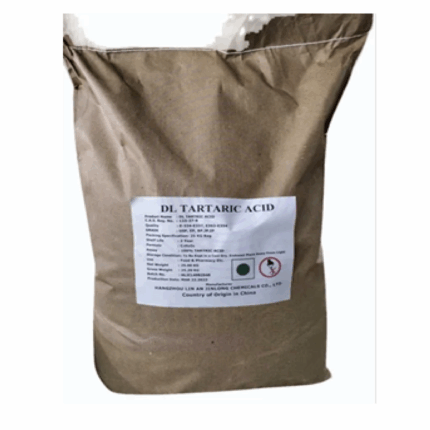
Tartaric Acid
Tartaric Acid is a naturally occurring organic acid found in many plants, particularly grapes. It is widely used in the food, pharmaceutical, and chemical industries due to its acidic properties and ability to act as a chiral building block in synthesis. This crystalline acid enhances flavor, stabilizes products, and serves as a key ingredient in baking powders, effervescent tablets, and various industrial applications.












