

 Preservatives(food)
 Flavors
 Acidulants
 Sweeteners
 Antioxidants
 Colorants(food)
 Nutraceutical Ingredients (food)
 Nutrient Supplements
 Emulsifiers
 Collectors
 Dust Suppressants
 Explosives and Blasting Agents
 Flocculants and Coagulants
 Frothers
 Leaching Agents
 pH Modifiers
 Precious Metal Extraction Agents
 Antioxidants(plastic)
 Colorants (Pigments, Dyes)
 Fillers and Reinforcements
 Flame Retardants
 Monomers
 Plasticizers
 Polymerization Initiators
 Stabilizers (UV, Heat)
 Antifoaming Agents
 Chelating Agents
 Coagulants and Flocculants
 Corrosion Inhibitors
 Disinfectants and Biocides
 Oxidizing Agents
 pH Adjusters
 Scale Inhibitors( water)
 Antioxidants(cosmetic)
 Emollients
 Oils
Oils Carrier Oills
 Essential Oils
 Humectants
 Preservatives
 Surfactants(cosmetic)
 Thickeners
 UV Filters
 Fragrance (Cosmetics)
 Fertilizers
 Soil Conditioners
 Plant Growth Regulators
 Animal Feed Additives
 Biostimulants
 Pesticides (Herbicides, Insecticides, Fungicides)
 Active Pharmaceutical Ingredients (APIs)
 Excipients
 Solvents(pharmaceutical)
 Antibiotics
 Antiseptics and Disinfectants
 Vaccine Adjuvants
 Nutraceutical Ingredients (pharmaceutical)
 Analgesics & Antipyretics
 Analytical Reagents
 Solvents(lab)
 Chromatography Chemicals
 Spectroscopy Reagents
 microbiology-and-cell-culture-reagents
 Molecular Biology Reagents
 Biochemical Reagents
 Inorganic and Organic Standards
 Laboratory Safety Chemicals
 Specialty Laboratory Chemicals(Special Laboratory Equipment)
 Demulsifiers
 Hydraulic Fracturing Fluids
 Scale Inhibitors(oil)
 Surfactants(oil)
 Drilling Fluids
 Dyes and Pigments
 Bleaching Agents
 Softening Agents
 Finishing Agents
 Antistatic Agents
 Admixtures
 Waterproofing Agents
 Sealants and Adhesives
 Curing Compounds
 Concrete Repair Chemicals
 Anti-Corrosion Coatings
 Surfactants(cleaning)
 Builders
 Enzymes
 Solvents (Cleaning)
 Electronic Chemicals
 Catalysts
 Lubricants
 Photographic Chemicals
 Refrigerants
 Automotive chemicals
 Pyrotechnic Chemicals
 Biodegradable Surfactants
 Bio-based Solvents
 Renewable Polymers
 Carbon Capture Chemicals
 Wastewater Treatment Chemicals
 Pigments
 Solvents(paint)
 Specialty Coatings
 Binders/Resins
 Additives
 Driers
 Anti-Corrosion Agents
 Functional Coatings
 Application-Specific Coatings
 Leavening Agents
 Dough Conditioners
 Flour Treatments
 Fat Replacers
 Decoratives
 Preservatives(baking)
 Plasticizers & Softeners
 Reinforcing Agents
 Adhesion Promoters
 Vulcanizing Agents
 Antidegradants
 Blowing Agents
 Fillers & Extenders
 Accelerators & Retarders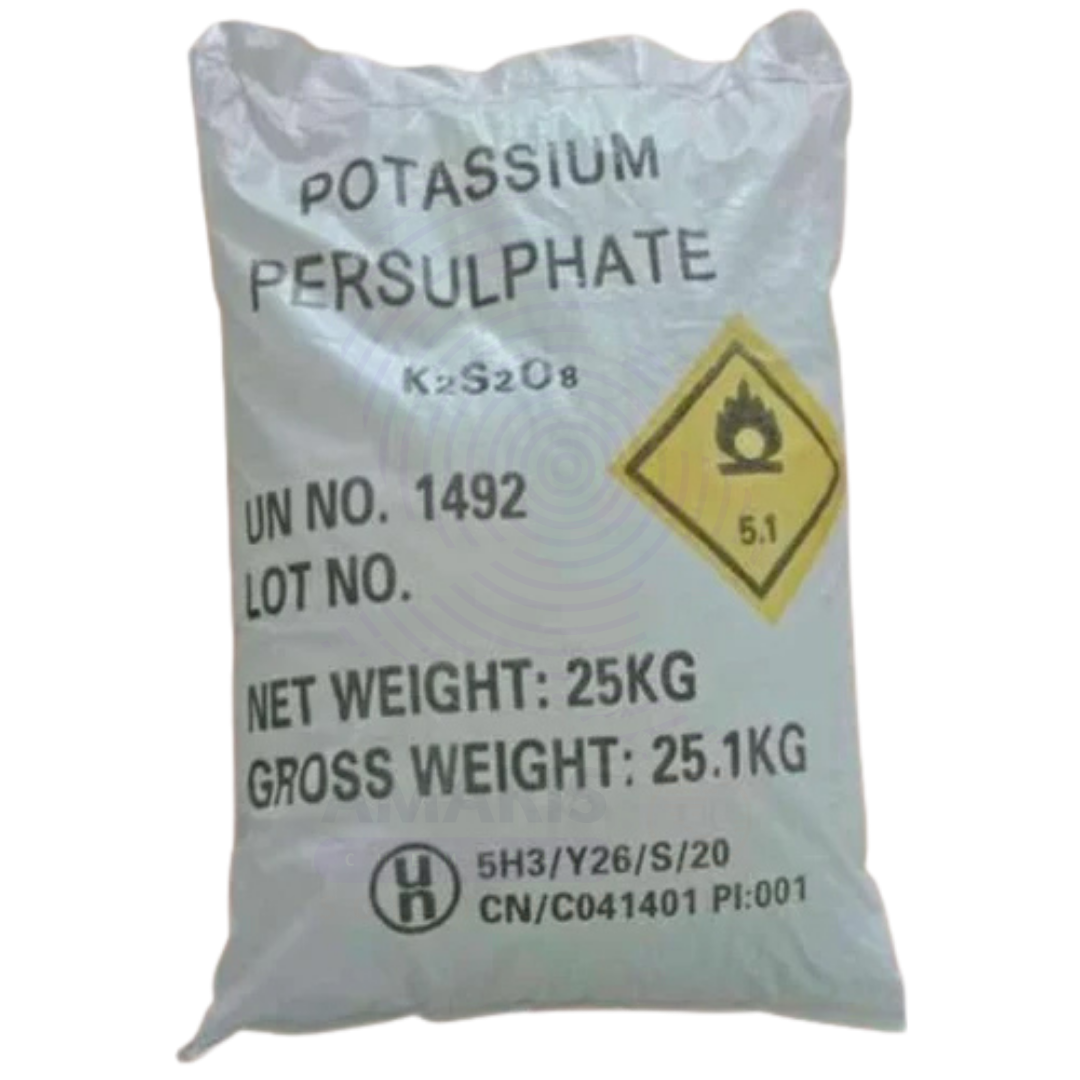

Sodium Persulfate
Sodium Persulfate is a white crystalline powder with the chemical formula Na₂S₂O₈. It is a powerful oxidizing agent widely used in industrial and chemical applications. This 25kg packaged product is highly soluble in water and decomposes to release oxygen, making it effective for polymerization, etching, and cleaning processes. Its strong oxidation properties and stability under storage conditions make it a preferred choice for various demanding applications.
Sodium Persulfate
Primary Uses
- Polymer Industry
- Emulsion Polymerization Initiator: Used in the production of synthetic rubbers (e.g., SBR, NBR) and acrylic resins.
- PVC Manufacturing: Initiates suspension polymerization of vinyl chloride.
- Electronics & PCB Manufacturing
- Copper Etching: Removes copper layers in printed circuit board (PCB) production.
- Desmearing: Cleans resin residues from drilled holes in multilayer PCBs.
- Hair Bleaching & Cosmetics
- Hair Lightening: Active ingredient in hair bleach formulations.
- Dye Oxidizer: Used in permanent hair dyes for color development.
- Water Treatment
- Groundwater Remediation: Oxidizes contaminants like chlorinated hydrocarbons.
- Swimming Pool Shock Treatment: Kills bacteria and algae.
- Textile Industry
- Desizing Agent: Removes starch from fabrics before dyeing.
- Wool Shrink-Proofing: Modifies wool fibers to prevent felting.
- Cleaning & Surface Preparation
- Metal Cleaning: Removes oxides and organic contaminants from steel and aluminum.
- Concrete Etching: Prepares surfaces for coatings and repairs.
Secondary Uses
- Photography
- Bleach-Fix Solutions: Used in color film processing.
- Laboratory & Research
- Chemical Synthesis: Oxidizing agent for organic and inorganic reactions.
- Analytical Reagent: Detects trace metals in environmental samples.
- Adhesives & Sealants
- Curing Agent: Accelerates polymerization in certain adhesive systems.
- Oil & Gas
- Well Stimulation: Breaks down polymer-based drilling fluids.
- Pulp & Paper
- Delignification: Assists in bleaching chemical pulps.
- Art Conservation
- Paper Bleaching: Restores aged paper artifacts.
1. Basic Identification Attributes
- Chemical Name (IUPAC): Sodium peroxodisulfate
- Common/Trade Name: Sodium persulfate, APS (Ammonium persulfate analog)
- CAS Number: 7775-27-1
- HS Code: 2833.40.00
- Synonyms: Peroxydisulfuric acid disodium salt
2. Physical & Chemical Properties
- Physical State: White crystalline powder
- Color & Odor: White; odorless
- Solubility: 55 g/100 mL water (20°C)
- Density: 2.4 g/cm³
- Active Oxygen: ~6.5% available
3. Safety & Hazard Attributes
- GHS Classification: Oxidizing Solid (Category 2), Skin Irritant (Category 2)
- Toxicity: LD₅₀ 895 mg/kg (oral, rat)
- Exposure Limits: TWA 5 mg/m³ (respirable dust)
4. Storage & Handling Attributes
- Storage Conditions: Cool, dry, away from organic materials and acids
- Container Type: 25kg PE-lined woven bags
- Shelf Life: 12 months in sealed containers
- Handling Precautions: Avoid dust generation; store separately from combustibles
5. Regulatory & Compliance Attributes
- REACH registered
- Complies with OSHA Hazard Communication Standard
- UN1505 (Oxidizing Substances)
6. Environmental & Health Impact
- Biodegradability: Not biodegradable
- Ecotoxicity: LC₅₀ 75 mg/L (fish)
- Bioaccumulation: None
Safety Handling Precautions
- PPE Required: Nitrile gloves, goggles, dust mask
- Handling Guidelines: Use local exhaust ventilation
- Storage Measures: Keep containers tightly closed
First Aid Measures
- Inhalation: Move to fresh air; seek medical attention
- Skin Contact: Wash with soap/water; remove contaminated clothing
- Eye Contact: Rinse with water for 15 minutes; seek medical help
- Ingestion: Rinse mouth; do NOT induce vomiting
Firefighting Measures
- Fire Hazards: Strong oxidizer; intensifies fires
- Extinguishing Media: Water spray, sand
- Hazardous Combustion Products: Sulfur oxides
Related products
Bismuth Subgallate
Bismuth Subgallate is a pale yellow, odorless, tasteless powder composed of bismuth and gallic acid derivatives. It is widely used as an internal deodorant for controlling odor from flatulence and stool, especially in patients with gastrointestinal conditions or post-surgery stomas. It also serves as a mild astringent and has hemostatic properties, making it useful in wound care products. Due to its insolubility in water and stability, it is suited for oral and topical formulations.
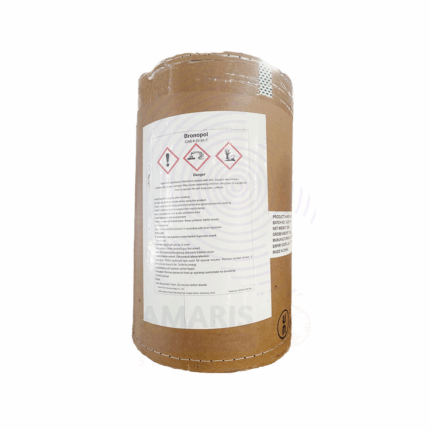
Bronopol
Bronopol (2-Bromo-2-nitropropane-1,3-diol) is a water-soluble, white crystalline powder or granules with a slight odor. It is a synthetic antimicrobial agent widely used as a preservative in personal care products, pharmaceuticals, cosmetics, and industrial applications. Bronopol exhibits broad-spectrum bactericidal and fungicidal activity, making it effective against a wide range of microorganisms. It works by releasing active formaldehyde slowly, which disrupts microbial metabolism and reproduction.
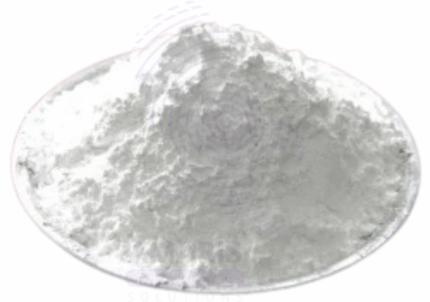
Chlorpheniramine Maleate
Chlorpheniramine Maleate is a first-generation alkylamine antihistamine used primarily to relieve allergy symptoms by blocking H1 histamine receptors. It appears as a white or off-white crystalline powder, freely soluble in water and alcohol. Known for rapid onset and moderate duration of action, it’s widely formulated in pharmaceuticals. It also exhibits mild anticholinergic and sedative effects.
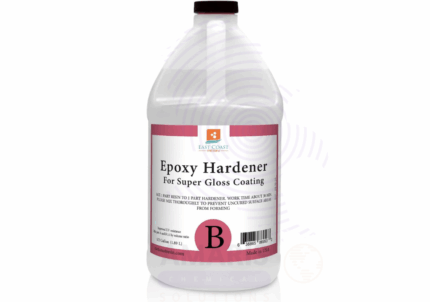
Craymide Epoxy Hardener
Craymide Epoxy Hardener is a high-performance epoxy hardener commonly used to cure epoxy resins. It is a polyamide-based curing agent that promotes excellent cross-linking with epoxy groups, resulting in coatings, adhesives, and composites with superior mechanical strength, chemical resistance, and durability. This hardener is widely used in industrial coatings, adhesives, and composite manufacturing due to its balanced curing profile and compatibility with a range of epoxy systems. Craymide 115 provides toughness and flexibility while maintaining strong adhesion to various substrates.
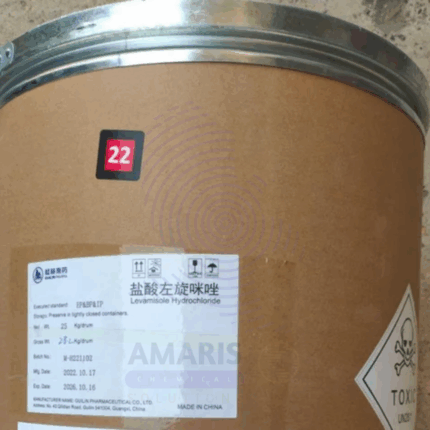
Levamisole Hcl BP2000
Levamisole Hcl BP2000 is a white to off-white crystalline powder, soluble in water, with anthelmintic and immunomodulatory properties. It is primarily used as a veterinary antiparasitic agent effective against gastrointestinal nematodes in livestock. Levamisole HCL BP2000 conforms to British Pharmacopoeia standards, ensuring high purity and quality for pharmaceutical and veterinary formulations. Beyond veterinary uses, it is also researched for immunostimulant properties in medical applications.
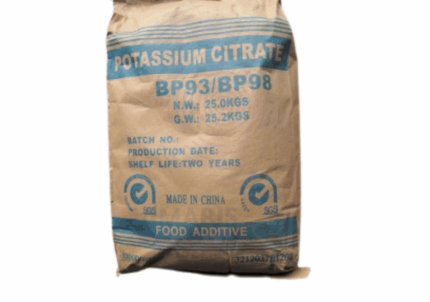
Potassium Citrate
Potassium Citrate is a potassium salt of citric acid, appearing as a white, crystalline, water-soluble powder. It is widely used in food, pharmaceutical, agricultural, and industrial applications due to its buffering, alkalizing, and sequestrant properties. Potassium Citrate helps regulate acidity and provides potassium ions critical for various biochemical and physiological functions.

Potassium Metabisulphite Food Grade
Potassium Metabisulphite Food Grade is a white crystalline powder with strong antioxidant and preservative properties. It is widely used in the food and beverage industry as a disinfectant, antioxidant, and preservative to prevent spoilage and microbial growth. It also acts as a bleaching agent and sulfur dioxide (SO₂) source. This compound is critical in winemaking, brewing, and food processing to maintain product quality and extend shelf life.
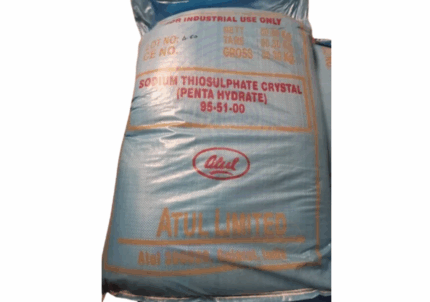
Sodium Thiosulphate Pentahydrate
Sodium Thiosulphate Pentahydrate (Na₂S₂O₃·5H₂O) is a white crystalline solid that is highly soluble in water. It is commonly used as a photographic fixer, reducing agent, and in water treatment processes. This 25kg packaged product contains five molecules of water of crystallization, which makes it more stable and easier to handle in industrial and laboratory applications. It is widely used to dechlorinate water, remove heavy metals, and in analytical chemistry for iodometric titrations.












