

 Preservatives(food)
 Flavors
 Acidulants
 Sweeteners
 Antioxidants
 Colorants(food)
 Nutraceutical Ingredients (food)
 Nutrient Supplements
 Emulsifiers
 Collectors
 Dust Suppressants
 Explosives and Blasting Agents
 Flocculants and Coagulants
 Frothers
 Leaching Agents
 pH Modifiers
 Precious Metal Extraction Agents
 Antioxidants(plastic)
 Colorants (Pigments, Dyes)
 Fillers and Reinforcements
 Flame Retardants
 Monomers
 Plasticizers
 Polymerization Initiators
 Stabilizers (UV, Heat)
 Antifoaming Agents
 Chelating Agents
 Coagulants and Flocculants
 Corrosion Inhibitors
 Disinfectants and Biocides
 Oxidizing Agents
 pH Adjusters
 Scale Inhibitors( water)
 Antioxidants(cosmetic)
 Emollients
 Oils
Oils Carrier Oills
 Essential Oils
 Humectants
 Preservatives
 Surfactants(cosmetic)
 Thickeners
 UV Filters
 Fragrance (Cosmetics)
 Fertilizers
 Soil Conditioners
 Plant Growth Regulators
 Animal Feed Additives
 Biostimulants
 Pesticides (Herbicides, Insecticides, Fungicides)
 Active Pharmaceutical Ingredients (APIs)
 Excipients
 Solvents(pharmaceutical)
 Antibiotics
 Antiseptics and Disinfectants
 Vaccine Adjuvants
 Nutraceutical Ingredients (pharmaceutical)
 Analgesics & Antipyretics
 Analytical Reagents
 Solvents(lab)
 Chromatography Chemicals
 Spectroscopy Reagents
 microbiology-and-cell-culture-reagents
 Molecular Biology Reagents
 Biochemical Reagents
 Inorganic and Organic Standards
 Laboratory Safety Chemicals
 Specialty Laboratory Chemicals(Special Laboratory Equipment)
 Demulsifiers
 Hydraulic Fracturing Fluids
 Scale Inhibitors(oil)
 Surfactants(oil)
 Drilling Fluids
 Dyes and Pigments
 Bleaching Agents
 Softening Agents
 Finishing Agents
 Antistatic Agents
 Admixtures
 Waterproofing Agents
 Sealants and Adhesives
 Curing Compounds
 Concrete Repair Chemicals
 Anti-Corrosion Coatings
 Surfactants(cleaning)
 Builders
 Enzymes
 Solvents (Cleaning)
 Electronic Chemicals
 Catalysts
 Lubricants
 Photographic Chemicals
 Refrigerants
 Automotive chemicals
 Pyrotechnic Chemicals
 Biodegradable Surfactants
 Bio-based Solvents
 Renewable Polymers
 Carbon Capture Chemicals
 Wastewater Treatment Chemicals
 Pigments
 Solvents(paint)
 Specialty Coatings
 Binders/Resins
 Additives
 Driers
 Anti-Corrosion Agents
 Functional Coatings
 Application-Specific Coatings
 Leavening Agents
 Dough Conditioners
 Flour Treatments
 Fat Replacers
 Decoratives
 Preservatives(baking)
 Plasticizers & Softeners
 Reinforcing Agents
 Adhesion Promoters
 Vulcanizing Agents
 Antidegradants
 Blowing Agents
 Fillers & Extenders
 Accelerators & Retarders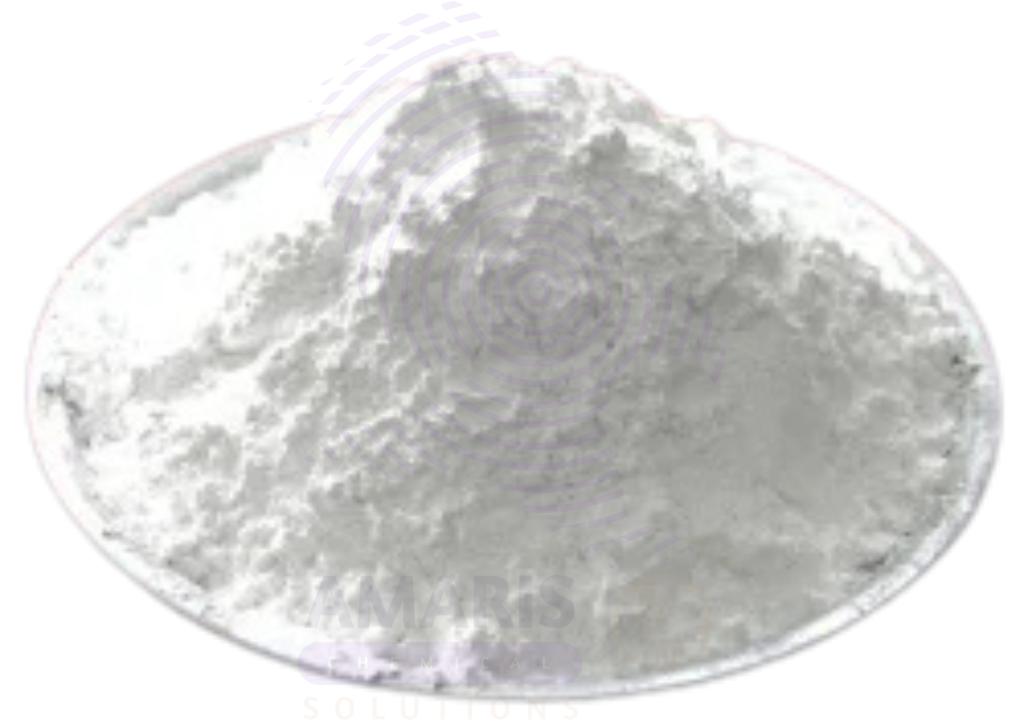




Chlorpheniramine Maleate
Chlorpheniramine Maleate is a first-generation alkylamine antihistamine used primarily to relieve allergy symptoms by blocking H1 histamine receptors. It appears as a white or off-white crystalline powder, freely soluble in water and alcohol. Known for rapid onset and moderate duration of action, it’s widely formulated in pharmaceuticals. It also exhibits mild anticholinergic and sedative effects.
Chlorpheniramine Maleate
Primary Uses
- Pharmaceuticals
- Active ingredient in oral tablets, capsules, and syrups for treatment of:
- Allergic rhinitis (hay fever)
- Urticaria (hives)
- Allergic conjunctivitis
- Anaphylaxis adjunct therapy
- Common cold symptom relief (sneezing, runny nose)
- Used in combination cold, flu, and allergy medications with decongestants, analgesics, and cough suppressants.
- Injectable forms used for rapid allergy symptom relief in emergency or clinical settings.
- Veterinary Medicine
- Treatment of pruritus and allergic reactions in animals including dogs and cats.
- Pharmacology & Toxicology Research
- Widely used in lab research to study histamine H1 receptor antagonism and allergy mechanisms.
Secondary Uses
- Cosmetics & Topical Preparations
- Incorporated in anti-itch creams, lotions, or gels for localized relief of itching and allergic skin reactions (limited use due to systemic absorption concerns).
- Over-the-Counter (OTC) Products
- Included in OTC antihistamine formulations targeting mild allergy symptoms and seasonal hay fever relief.
- Formulation Studies
- Used by pharmaceutical companies in drug formulation development for evaluating bioavailability, stability, and efficacy of antihistamines.
- Analytical Reference Standard
- Employed in quality control laboratories as a reference standard to verify purity and potency of antihistamine drugs.
1. Basic Identification Attributes
- Chemical Name (IUPAC): 3-(4-chlorophenyl)-N,N-dimethyl-3-pyridin-2-yl-propan-1-amine maleate
- Common/Trade Name: Chlorpheniramine Maleate
- CAS Number: 132-22-9
- HS Code: 2933.69.90
- Molecular Formula: C16H19ClN2 · C4H4O4
- Synonyms: CPM, Chlorphenamine Maleate
2. Physical & Chemical Properties
- Physical State: White or off-white crystalline powder
- Melting Point: 125–130°C
- Solubility: Freely soluble in water and ethanol; slightly soluble in chloroform and ether
- Stability: Stable under normal conditions; sensitive to light and moisture
3. Safety & Hazard Attributes
- Hazard Class (GHS): Harmful if swallowed; may cause drowsiness or dizziness
- NFPA Ratings: Health 2, Flammability 1, Reactivity 0
- Exposure Limits: No specific limits; dust exposure to be minimized
- Toxicity: Moderate toxicity; overdose can cause anticholinergic effects and CNS depression
4. Storage & Handling Attributes
- Store in cool, dry, dark place; use airtight containers
- Shelf life: 3–5 years
- Use PPE to avoid inhalation and skin contact
5. Regulatory & Compliance Attributes
- Included in USP, BP, EP
- FDA approved as antihistamine active pharmaceutical ingredient
- Registered under REACH and other international regulations
6. Environmental & Health Impact
- Low ecotoxicity; biodegradable; low bioaccumulation potential
- Not classified as carcinogenic or mutagenic
Safety Handling Precautions
- Wear gloves, dust masks, goggles
- Avoid inhalation, skin and eye contact
- Use in well-ventilated areas
First Aid Measures
- Inhalation: Fresh air, medical attention if symptoms persist
- Skin: Wash with soap and water, seek care if irritated
- Eyes: Flush with water, seek medical help if needed
- Ingestion: Do not induce vomiting, seek urgent medical attention
Firefighting Measures
- Combustible; use dry chemical, foam, CO₂
- Wear full protective gear
- Avoid inhalation of combustion products (HCl, nitrogen oxides)
Related products
Cetirizine Hydrochloride
Cetirizine Hydrochloride is a widely used second-generation antihistamine effective for treating allergic conditions such as allergic rhinitis, chronic urticaria, and other allergy symptoms. It is the hydrochloride salt form of cetirizine, existing as a white to off-white crystalline powder with a slightly bitter taste. Cetirizine HCl acts by selectively blocking peripheral H1 histamine receptors, thereby reducing allergic symptoms without significant sedation or central nervous system depression. It is commonly formulated into tablets, syrups, and capsules as an active pharmaceutical ingredient.
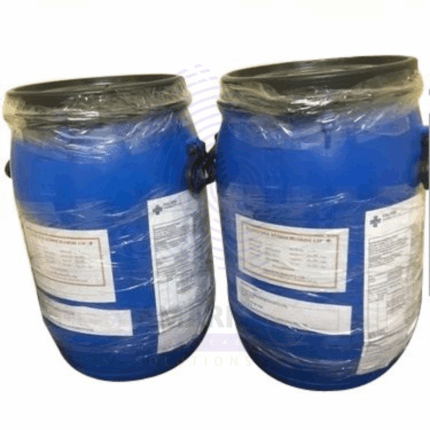
Dicyclomine Hydrochloride
Dicyclomine Hydrochloride is an anticholinergic and antispasmodic agent used primarily to relieve smooth muscle spasms in the gastrointestinal tract. It works by blocking muscarinic receptors, thereby reducing muscle contractions and spasms, which helps alleviate symptoms of irritable bowel syndrome (IBS) and other functional bowel disorders. It is commonly available in oral tablets, capsules, and injectable formulations.
Diloxanide Furoate
Diloxanide Furoate is an orally administered antiprotozoal agent used primarily for the treatment of amoebiasis. It is a furan-based derivative that acts as a luminal amoebicide, effectively targeting Entamoeba histolytica cysts and trophozoites within the intestinal lumen. This compound is well-regarded for its efficacy in eradicating asymptomatic cyst carriers and as a follow-up treatment after systemic amoebicidal therapy. Diloxanide Furoate has good oral bioavailability and a favorable safety profile.

Diphenhydramine HCL BP
Diphenhydramine HCL BP is a first-generation antihistamine with potent anticholinergic, sedative, and antiemetic properties. It is commonly used to relieve symptoms associated with allergies, hay fever, the common cold, and motion sickness. Diphenhydramine HCL is a white crystalline powder, highly soluble in water, making it suitable for oral, topical, and injectable pharmaceutical formulations. Due to its ability to cross the blood-brain barrier, it causes sedation and is often used as a sleep aid and for managing Parkinson’s disease symptoms.
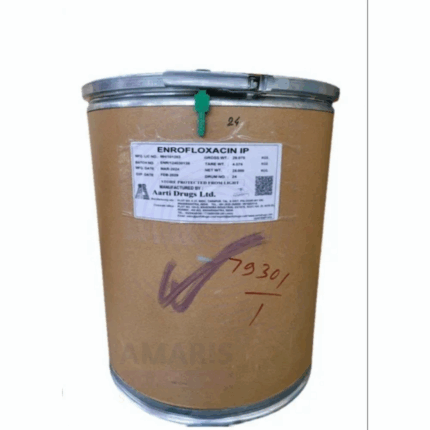
Enrofloxacin Hydrochloride
Enrofloxacin Hydrochloride is a broad-spectrum fluoroquinolone antibiotic used primarily in veterinary medicine. It is the hydrochloride salt of enrofloxacin, offering enhanced solubility and bioavailability. Enrofloxacin inhibits bacterial DNA gyrase and topoisomerase IV, disrupting DNA replication in Gram-negative and Gram-positive organisms as well as some Mycoplasma species. It is available as a white to off-white crystalline powder, used in injectable, oral, and topical formulations designed for livestock, companion animals, and aquatic species.
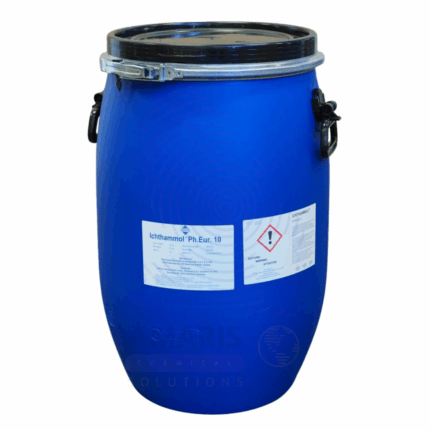
Ichthammol BP98
Ichthammol BP98, also known as ammonium bituminosulfonate, is a dark brown to black, viscous, sulfur-rich, semi-solid substance derived from the distillation of shale or bituminous rocks. It has a characteristic tar-like odor and is highly valued in pharmaceutical and dermatological applications for its anti-inflammatory, antiseptic, antipruritic (anti-itch), and keratolytic properties. Ichthammol penetrates deeply into the skin and soft tissues, helping to alleviate inflammation and promote healing. It is widely used in topical preparations for treating skin conditions such as eczema, psoriasis, boils, abscesses, and other dermatological infections.
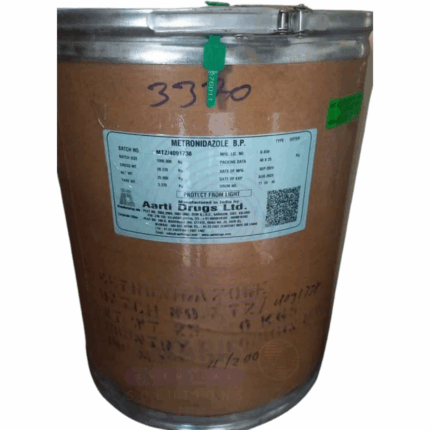
Metronidazole BP
Metronidazole BP is a benzoate ester derivative of metronidazole, used primarily as an antiprotozoal and antibacterial agent. It is a prodrug that hydrolyzes in the body to release metronidazole, making it more palatable for pediatric and geriatric oral suspensions. It complies with the British Pharmacopoeia (BP) standards for purity and efficacy.
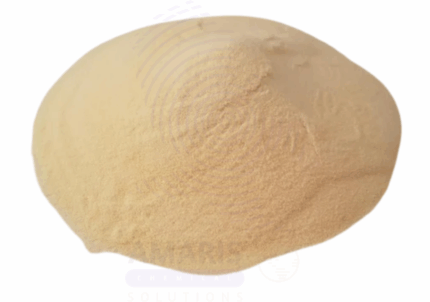
Norfloxacin
Norfloxacin is a synthetic broad-spectrum fluoroquinolone antibiotic used primarily to treat bacterial infections. It works by inhibiting bacterial DNA gyrase and topoisomerase IV, enzymes essential for DNA replication, transcription, repair, and recombination, leading to bacterial cell death. Norfloxacin is effective against various Gram-negative and some Gram-positive bacteria and is commonly used in urinary tract infections, prostatitis, and gastroenteritis.












