

 Preservatives(food)
 Flavors
 Acidulants
 Sweeteners
 Antioxidants
 Colorants(food)
 Nutraceutical Ingredients (food)
 Nutrient Supplements
 Emulsifiers
 Collectors
 Dust Suppressants
 Explosives and Blasting Agents
 Flocculants and Coagulants
 Frothers
 Leaching Agents
 pH Modifiers
 Precious Metal Extraction Agents
 Antioxidants(plastic)
 Colorants (Pigments, Dyes)
 Fillers and Reinforcements
 Flame Retardants
 Monomers
 Plasticizers
 Polymerization Initiators
 Stabilizers (UV, Heat)
 Antifoaming Agents
 Chelating Agents
 Coagulants and Flocculants
 Corrosion Inhibitors
 Disinfectants and Biocides
 Oxidizing Agents
 pH Adjusters
 Scale Inhibitors( water)
 Antioxidants(cosmetic)
 Emollients
 Oils
Oils Carrier Oills
 Essential Oils
 Humectants
 Preservatives
 Surfactants(cosmetic)
 Thickeners
 UV Filters
 Fragrance (Cosmetics)
 Fertilizers
 Soil Conditioners
 Plant Growth Regulators
 Animal Feed Additives
 Biostimulants
 Pesticides (Herbicides, Insecticides, Fungicides)
 Active Pharmaceutical Ingredients (APIs)
 Excipients
 Solvents(pharmaceutical)
 Antibiotics
 Antiseptics and Disinfectants
 Vaccine Adjuvants
 Nutraceutical Ingredients (pharmaceutical)
 Analgesics & Antipyretics
 Analytical Reagents
 Solvents(lab)
 Chromatography Chemicals
 Spectroscopy Reagents
 microbiology-and-cell-culture-reagents
 Molecular Biology Reagents
 Biochemical Reagents
 Inorganic and Organic Standards
 Laboratory Safety Chemicals
 Specialty Laboratory Chemicals(Special Laboratory Equipment)
 Demulsifiers
 Hydraulic Fracturing Fluids
 Scale Inhibitors(oil)
 Surfactants(oil)
 Drilling Fluids
 Dyes and Pigments
 Bleaching Agents
 Softening Agents
 Finishing Agents
 Antistatic Agents
 Admixtures
 Waterproofing Agents
 Sealants and Adhesives
 Curing Compounds
 Concrete Repair Chemicals
 Anti-Corrosion Coatings
 Surfactants(cleaning)
 Builders
 Enzymes
 Solvents (Cleaning)
 Electronic Chemicals
 Catalysts
 Lubricants
 Photographic Chemicals
 Refrigerants
 Automotive chemicals
 Pyrotechnic Chemicals
 Biodegradable Surfactants
 Bio-based Solvents
 Renewable Polymers
 Carbon Capture Chemicals
 Wastewater Treatment Chemicals
 Pigments
 Solvents(paint)
 Specialty Coatings
 Binders/Resins
 Additives
 Driers
 Anti-Corrosion Agents
 Functional Coatings
 Application-Specific Coatings
 Leavening Agents
 Dough Conditioners
 Flour Treatments
 Fat Replacers
 Decoratives
 Preservatives(baking)
 Plasticizers & Softeners
 Reinforcing Agents
 Adhesion Promoters
 Vulcanizing Agents
 Antidegradants
 Blowing Agents
 Fillers & Extenders
 Accelerators & Retarders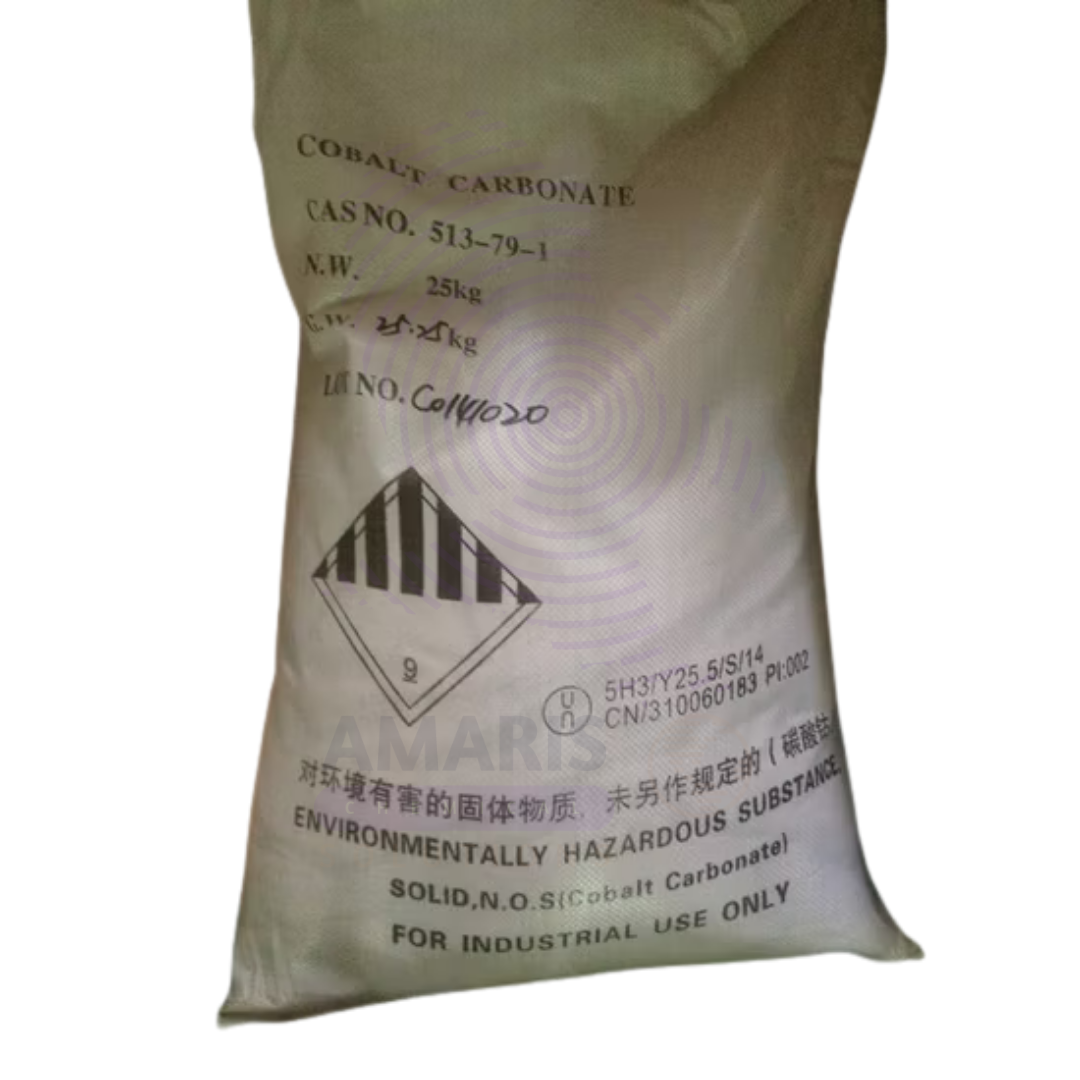



Cobalt Carbonate
Cobalt Carbonate is a rose-red to purplish powder with a metal content of approximately 46% cobalt by weight. It is an inorganic compound primarily used as a source of cobalt, either as a raw material in chemical synthesis or as a micronutrient in various formulations. It is slightly soluble in water and decomposes upon heating, releasing carbon dioxide and leaving cobalt oxide (CoO). Cobalt Carbonate is used in ceramics, catalysts, animal nutrition, batteries, and metal surface treatments. Its controlled release of cobalt makes it useful in both industrial and biological applications.
Cobalt Carbonate
Primary Uses
- Animal Nutrition (Feed Grade)
- Used as a trace mineral supplement in animal feeds, especially for ruminants (cattle, sheep).
- Provides cobalt, an essential component of vitamin B12 synthesis by rumen microbes.
- Helps improve digestion and nutrient absorption, especially in livestock grazing on cobalt-deficient soils.
- Typically added to mineral premixes or feed blocks.
- Catalysts & Chemical Synthesis
- Intermediate for the production of cobalt-based catalysts used in:
- Fischer–Tropsch synthesis
- Hydrodesulfurization
- Oxidation and hydrogenation reactions
- Converts to cobalt oxide (CoO or Co₃O₄) upon heating, which is used in various catalytic processes.
- Pigments & Ceramics
- Used in the production of cobalt blue and other ceramic pigments.
- Provides vivid color and thermal stability in glazes, enamels, and frits.
- Acts as a colorant in glass manufacturing and pottery.
- Battery Materials
- Acts as a precursor to cobalt salts and oxides used in lithium-ion battery cathodes (e.g., LiCoO₂).
- Used in laboratory research and development of rechargeable battery technologies.
Secondary Uses
- Electroplating & Surface Treatment
- Source of cobalt ions in electroplating baths for producing hard, wear-resistant, and corrosion-resistant surfaces.
- Used in passivation and conversion coatings for metal finishing industries.
- Fertilizers (Micronutrient Source)
- Sometimes added to specialty fertilizers for soil enrichment where cobalt deficiency affects plant-microbe interactions.
- Promotes nitrogen fixation in leguminous crops by supporting Rhizobium bacteria.
- Laboratory Reagent
- Used in analytical chemistry for cobalt ion preparation and related reactions.
- Reacts with acids to form various cobalt salts (e.g., cobalt chloride, sulfate, nitrate).
- Glass Manufacturing
- Used to color glass blue or pink, depending on the formulation and furnace conditions.
- Provides oxidation resistance and heat stability in specialty glass products.
1. Basic Identification Attributes
- Chemical Name (IUPAC): Cobalt(II) carbonate
- Common/Trade Name: Cobalt Carbonate 46%
- CAS Number: 513-79-1
- HS Code: 2836.99.00
- Molecular Formula: CoCO₃
- Molecular Weight: 118.94 g/mol
- Synonyms:
- Cobaltous carbonate
- Co(II) carbonate
- Carbonic acid, cobalt(2+) salt
2. Physical & Chemical Properties
- Physical State: Powder
- Color & Odor: Rose-red to purple; odorless
- Solubility:
- Slightly soluble in water
- Soluble in acids (releasing CO₂)
- Density: ~3.7 g/cm³
- Melting Point: Decomposes before melting (~300°C)
- Decomposition: Yields CoO and CO₂ upon heating
- Cobalt Content: ~46%
- pH (in water): Slightly alkaline
- Stability: Stable under normal storage; sensitive to strong acids
3. Safety & Hazard Attributes
- Hazard Class (GHS):
- Acute toxicity (oral, inhalation)
- Skin sensitizer
- Carcinogen (Category 2)
- Environmental hazard (Aquatic chronic)
- NFPA Ratings:
- Health: 2
- Flammability: 0
- Reactivity: 0
- Exposure Limits:
- OSHA PEL (as cobalt): 0.1 mg/m³ (TWA)
- ACGIH TLV: 0.02 mg/m³ (TWA, inhalable)
- Toxicity: Harmful if swallowed or inhaled; may cause allergic skin or respiratory reactions
- Reactivity: Reacts with acids to release CO₂
4. Storage & Handling Attributes
- Storage Conditions: Store in a cool, dry, well-ventilated area away from acids and moisture
- Container Type: Fiber drums, HDPE containers with liners
- Shelf Life: Up to 2 years under proper conditions
- Special Handling:
- Avoid dust formation
- Use proper ventilation
- Avoid contact with skin and eyes
5. Regulatory & Compliance Attributes
- FDA Status: Not approved for direct human consumption
- REACH Status: Registered under EU regulations
- RoHS/ELV: Subject to restrictions depending on application
- Transportation: Not classified as a dangerous good for transport (in powder form)
- Waste Disposal: Dispose as hazardous waste according to local, national, and international regulations
6. Environmental & Health Impact
- Ecotoxicity: Harmful to aquatic organisms with long-lasting effects
- Persistence: May persist in soils and aquatic sediments
- Bioaccumulation: Moderate potential for bioaccumulation
- Carcinogenicity/Mutagenicity: Suspected human carcinogen (IARC Group 2B)
- Biodegradability: Not applicable (inorganic compound)
Safety Handling Precautions
Personal Protective Equipment (PPE):
- Chemical-resistant gloves
- Safety goggles or face shield
- Dust mask or respirator (for airborne powder)
- Protective clothing
Handling Measures:
- Avoid generating or breathing dust
- Use only with adequate ventilation
- Wash hands thoroughly after handling
Storage Measures:
- Keep container tightly closed when not in use
- Store away from acids and moisture sources
Hygiene Practices:
- Do not eat, drink, or smoke while handling
- Decontaminate clothing and equipment after use
First Aid Measures
- Inhalation: Move to fresh air; seek medical attention if respiratory irritation occurs
- Skin Contact: Wash with soap and water; seek help if irritation or allergic reaction develops
- Eye Contact: Rinse thoroughly with water for at least 15 minutes; seek medical attention
- Ingestion: Rinse mouth; seek immediate medical attention—do not induce vomiting unless directed by a doctor
Firefighting Measures
- Fire Hazards: Non-combustible
- Extinguishing Media: Use appropriate media for surrounding fire
- Special Precautions: Use self-contained breathing apparatus in confined fire situations
- Decomposition Products: Cobalt oxide fumes, carbon dioxide
Related products
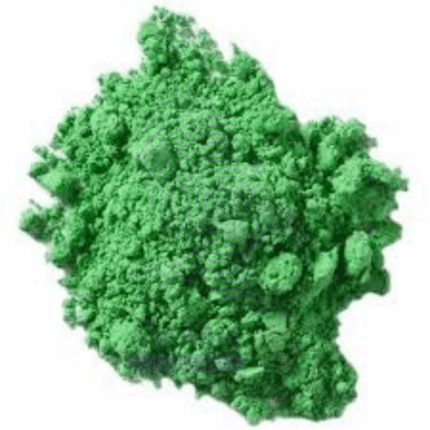
Green Pigment
Green Pigment is a concentrated dispersion of green pigment particles in a suitable carrier, designed for use in a variety of industrial and commercial applications. Known for its vivid green color and excellent stability, this pigment offers good resistance to heat, light, and chemicals. It is widely employed in plastics, coatings, inks, and other manufacturing processes where vibrant, durable green coloration is required.

Magnesium Oxide
Magnesium Oxide (MgO) is a white, odorless, alkaline earth metal oxide powder. It is produced by calcining magnesium carbonate or hydroxide at high temperatures, resulting in a fine, white powder with a high melting point. Magnesium Oxide is widely used for its refractory properties, chemical stability, and ability to neutralize acids. It serves important roles in pharmaceuticals, agriculture, environmental applications, and various industrial processes.

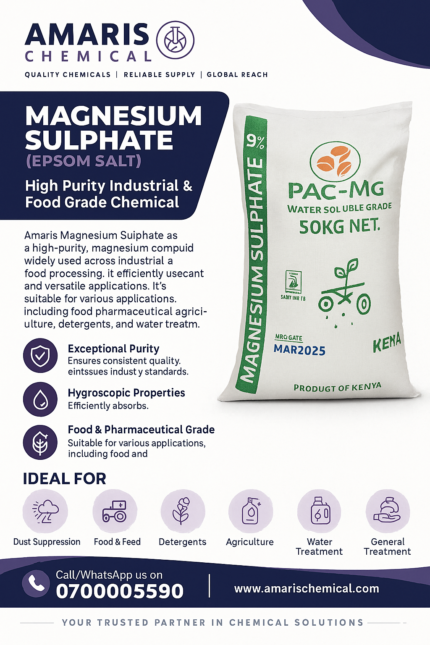
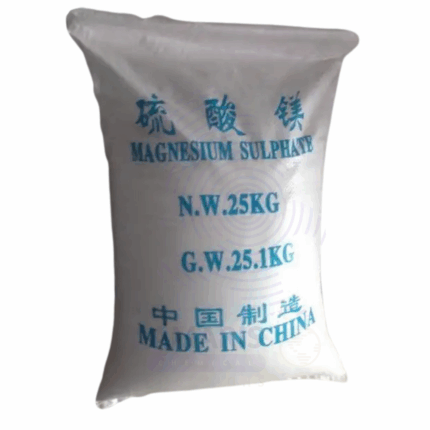
Magnesium Sulphate (Epsom Salt)
Magnesium Sulphate Epsom Salt, commonly known as Epsom Salt, is an inorganic salt composed of magnesium, sulfur, and oxygen with the formula MgSO₄. It typically appears as colorless or white crystalline granules and is highly soluble in water. In its heptahydrate form (MgSO₄·7H₂O), it is widely used in agriculture, pharmaceuticals, food, and industrial applications. Epsom Salt is valued for its muscle relaxant, laxative, and magnesium supplementation properties, as well as for its role in improving soil fertility and plant growth.
Manganese Sulphate Monohydrate
Manganese Sulphate Monohydrate is an inorganic chemical compound with the formula MnSO₄·H₂O. It appears as a pale pink crystalline powder and is highly soluble in water. It is primarily used as a source of manganese, an essential micronutrient, in fertilizers, animal feed, and industrial processes. This monohydrate form is the most stable and commonly used in agriculture and feed-grade applications. It also finds use in various chemical syntheses, electroplating, and as a reagent in laboratories.

Mineral lick ( Rock Salt)
Mineral Lick, commonly known as Rock Salt, is a naturally occurring mineral primarily composed of sodium chloride. It is harvested from salt deposits and widely used as a mineral supplement for livestock and wildlife, providing essential nutrients. Mineral Lick enhances animal health by promoting hydration, digestion, and mineral balance. It also has applications in industry, agriculture, and food processing.
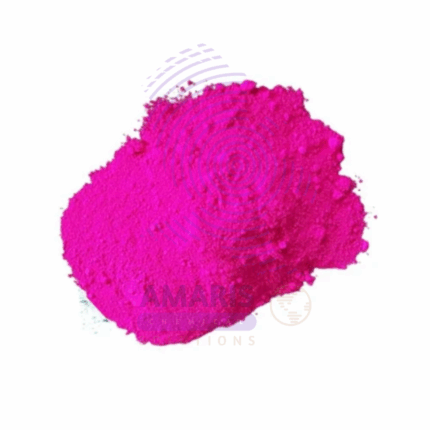
Pink Dye
Pink Dye is a synthetic dye formulation offering a vibrant pink coloration with a 6% dye concentration. It exhibits excellent affinity for protein fibers such as wool, silk, and nylon, providing bright and consistent pink hues. The dye is water-soluble under acidic conditions and is commonly used in textile dyeing, leather processing, and specialty applications requiring durable and vivid pink color. It also demonstrates good fastness to washing, light, and perspiration.
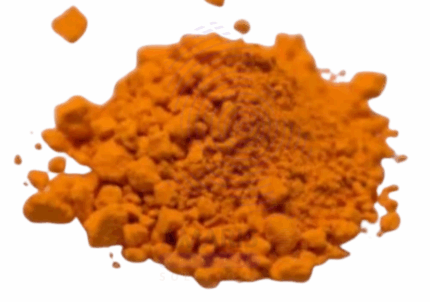
Solvent Orange
Solvent Orange is a synthetic azo dye widely used for coloring oils, waxes, plastics, and other non-polar substrates. It appears as an orange-red powder or granules and exhibits excellent solubility in organic solvents and oils, delivering bright, durable coloration. Packaged in a 25kg drum, this dye is favored in industrial applications requiring vibrant orange hues in solvent-based systems.
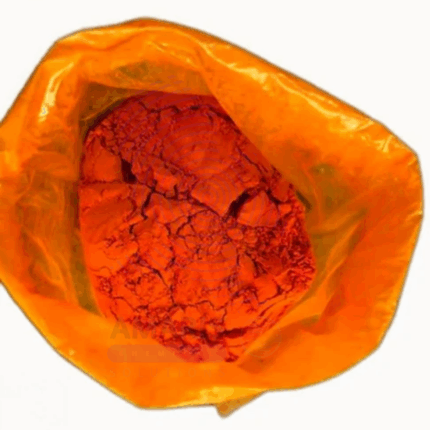
Waxol Solvent Yellow 2
Waxol Solvent Yellow 2 is a synthetic solvent dye known for its bright yellow hue and excellent solubility in organic solvents such as oils, waxes, hydrocarbons, and plasticizers. It provides consistent and vibrant yellow coloration in solvent-based systems, making it suitable for use in plastics, inks, coatings, and lubricants. The dye offers good chemical resistance and lightfastness, ensuring durability and stability of color in industrial and decorative applications. Waxol Solvent Yellow 2 is widely used where water-soluble dyes are unsuitable, providing high tinting strength and compatibility with various non-polar substrates.












