

 Preservatives(food)
 Flavors
 Acidulants
 Sweeteners
 Antioxidants
 Colorants(food)
 Nutraceutical Ingredients (food)
 Nutrient Supplements
 Emulsifiers
 Collectors
 Dust Suppressants
 Explosives and Blasting Agents
 Flocculants and Coagulants
 Frothers
 Leaching Agents
 pH Modifiers
 Precious Metal Extraction Agents
 Antioxidants(plastic)
 Colorants (Pigments, Dyes)
 Fillers and Reinforcements
 Flame Retardants
 Monomers
 Plasticizers
 Polymerization Initiators
 Stabilizers (UV, Heat)
 Antifoaming Agents
 Chelating Agents
 Coagulants and Flocculants
 Corrosion Inhibitors
 Disinfectants and Biocides
 Oxidizing Agents
 pH Adjusters
 Scale Inhibitors( water)
 Antioxidants(cosmetic)
 Emollients
 Oils
Oils Carrier Oills
 Essential Oils
 Humectants
 Preservatives
 Surfactants(cosmetic)
 Thickeners
 UV Filters
 Fragrance (Cosmetics)
 Fertilizers
 Soil Conditioners
 Plant Growth Regulators
 Animal Feed Additives
 Biostimulants
 Pesticides (Herbicides, Insecticides, Fungicides)
 Active Pharmaceutical Ingredients (APIs)
 Excipients
 Solvents(pharmaceutical)
 Antibiotics
 Antiseptics and Disinfectants
 Vaccine Adjuvants
 Nutraceutical Ingredients (pharmaceutical)
 Analgesics & Antipyretics
 Analytical Reagents
 Solvents(lab)
 Chromatography Chemicals
 Spectroscopy Reagents
 microbiology-and-cell-culture-reagents
 Molecular Biology Reagents
 Biochemical Reagents
 Inorganic and Organic Standards
 Laboratory Safety Chemicals
 Specialty Laboratory Chemicals(Special Laboratory Equipment)
 Demulsifiers
 Hydraulic Fracturing Fluids
 Scale Inhibitors(oil)
 Surfactants(oil)
 Drilling Fluids
 Dyes and Pigments
 Bleaching Agents
 Softening Agents
 Finishing Agents
 Antistatic Agents
 Admixtures
 Waterproofing Agents
 Sealants and Adhesives
 Curing Compounds
 Concrete Repair Chemicals
 Anti-Corrosion Coatings
 Surfactants(cleaning)
 Builders
 Enzymes
 Solvents (Cleaning)
 Electronic Chemicals
 Catalysts
 Lubricants
 Photographic Chemicals
 Refrigerants
 Automotive chemicals
 Pyrotechnic Chemicals
 Biodegradable Surfactants
 Bio-based Solvents
 Renewable Polymers
 Carbon Capture Chemicals
 Wastewater Treatment Chemicals
 Pigments
 Solvents(paint)
 Specialty Coatings
 Binders/Resins
 Additives
 Driers
 Anti-Corrosion Agents
 Functional Coatings
 Application-Specific Coatings
 Leavening Agents
 Dough Conditioners
 Flour Treatments
 Fat Replacers
 Decoratives
 Preservatives(baking)
 Plasticizers & Softeners
 Reinforcing Agents
 Adhesion Promoters
 Vulcanizing Agents
 Antidegradants
 Blowing Agents
 Fillers & Extenders
 Accelerators & Retarders
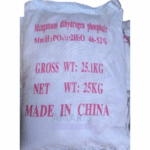


Manganese Sulphate Monohydrate
Manganese Sulphate Monohydrate is an inorganic chemical compound with the formula MnSO₄·H₂O. It appears as a pale pink crystalline powder and is highly soluble in water. It is primarily used as a source of manganese, an essential micronutrient, in fertilizers, animal feed, and industrial processes. This monohydrate form is the most stable and commonly used in agriculture and feed-grade applications. It also finds use in various chemical syntheses, electroplating, and as a reagent in laboratories.
Manganese Sulphate Monohydrate
Primary Uses
- Agriculture and Fertilizer Industry
- Micronutrient Fertilizer: Used as a manganese supplement in soil to correct manganese deficiency in crops like cereals, fruits, vegetables, and legumes.
- Foliar Spray and Soil Application: Applied directly to plants or soil to improve photosynthesis, chlorophyll production, and enzyme activation.
- Component in NPK Blends: Included in multi-nutrient formulations for balanced crop nutrition.
- Animal Feed Industry
- Feed Additive: Serves as a manganese supplement in poultry, swine, cattle, and aquaculture feed to support bone development, enzyme function, and reproductive health.
- Premix Formulations: Used in vitamin-mineral premixes for livestock and pets.
- Chemical Industry
- Intermediate in Manganese Compound Production: Used in the manufacture of other manganese-based chemicals (e.g., manganese dioxide, manganese carbonate).
- Electroplating: Employed as an additive in electroplating baths for depositing manganese coatings.
- Battery Industry
- Raw Material in Battery Manufacturing: Used in the production of manganese dioxide for dry cell batteries (particularly alkaline and zinc-carbon batteries).
Secondary Uses
- Water Treatment
- Trace Element Supplementation: Occasionally used in treating drinking or industrial water where manganese is deficient or as part of a micronutrient mix.
- Laboratory Applications
- Analytical Reagent: Used in lab reagents and tests, including redox titrations and preparation of analytical manganese solutions.
- Textile and Dyeing Industry
- Catalyst/Modifier: Used in dyeing processes and textile treatments as a mordant or chemical modifier.
- Pharmaceuticals and Nutraceuticals
- Nutrient Source: May be used in trace amounts in vitamin or mineral formulations, although less common than food-grade alternatives.
1. Basic Identification Attributes
- Chemical Name (IUPAC): Manganese(II) sulfate monohydrate
- Common/Trade Name: Manganese Sulphate Monohydrate
- CAS Number: 10034-96-5
- HS Code: 2833.29.30
- Synonyms: Manganous sulfate monohydrate; MnSO₄·H₂O; Pink salt of manganese; Manganese(II) sulfate hydrate
2. Physical & Chemical Properties
- Physical State: Crystalline solid
- Color & Odor: Pale pink; odorless
- Molecular Formula: MnSO₄·H₂O
- Molecular Weight: 169.02 g/mol
- Solubility: Highly soluble in water; insoluble in ethanol
- Density: ~2.95 g/cm³
- Melting Point: Decomposes at ~850 °C
- pH (5% Solution): ~4.0 – 6.0
- Stability: Stable under normal conditions
3. Safety & Hazard Attributes
- GHS Classification:
- Acute toxicity (oral) – Category 4
- Eye irritation – Category 2A
- Harmful to aquatic life – Category 2
- Toxicity:
- Harmful if swallowed in large quantities
- May cause irritation to eyes and respiratory tract
- Exposure Limits:
- ACGIH TLV (as Mn): 0.1 mg/m³ (inhalable)
- OSHA PEL (total Mn dust): 5 mg/m³ (ceiling limit)
4. Storage & Handling Attributes
- Storage Conditions:
- Store in a cool, dry, well-ventilated place
- Protect from moisture, as it may cake or dissolve
- Container Type:
- Packed in woven bags, drums, or HDPE-lined sacks
- Shelf Life:
- 2–3 years if stored in sealed packaging
- Handling Precautions:
- Avoid dust formation
- Use appropriate PPE (gloves, goggles, dust mask)
5. Regulatory & Compliance Attributes
- Compliance:
- Approved for use in agriculture and feed industries (FAO/WHO, AAFCO)
- REACH-registered and listed on TSCA inventory
- Must comply with heavy metal limits in food and feed use
- Labeling Requirements:
- Include hazard symbols for health and environmental risks
- State manganese content clearly for agricultural use
6. Environmental & Health Impact
- Biodegradability: Not applicable (inorganic compound)
- Ecotoxicity: Harmful to aquatic organisms at high concentrations
- Bioaccumulation: Not significant
- Carcinogenicity/Mutagenicity: Not classified as carcinogenic
- Soil Impact: Beneficial in appropriate doses; excess may inhibit other micronutrient uptake
Safety Handling Precautions
- PPE Required:
- Dust mask or respirator
- Safety goggles
- Protective gloves and clothing
- Handling Guidelines:
- Minimize dust generation
- Wash hands thoroughly after handling
- Storage Measures:
- Keep containers sealed and labeled
- Avoid contamination with food or feed not intended for fortification
First Aid Measures
- Inhalation: Move to fresh air; seek medical attention if irritation persists
- Skin Contact: Wash thoroughly with soap and water
- Eye Contact: Rinse immediately with water for at least 15 minutes
- Ingestion: Rinse mouth; seek medical advice if large amounts are ingested
Firefighting Measures
- Fire Hazards: Non-flammable
- Extinguishing Media: Use media suitable for surrounding materials (water, foam, dry chemical)
- Special Precautions: Avoid inhaling dust or fumes
- Hazardous Combustion Products: May release sulfur oxides and manganese oxides when decomposed at high temperatures
Related products

Acid Oil Soya
Acid Oil Soya is a byproduct derived from the refining of soybean oil. It is a dark-colored, free fatty acid-rich liquid containing mainly oleic and linoleic acids. Acid Oil Soya is commonly used in industrial applications such as soap making, animal feed, and as a raw material in the production of biodiesel, lubricants, and other chemicals.
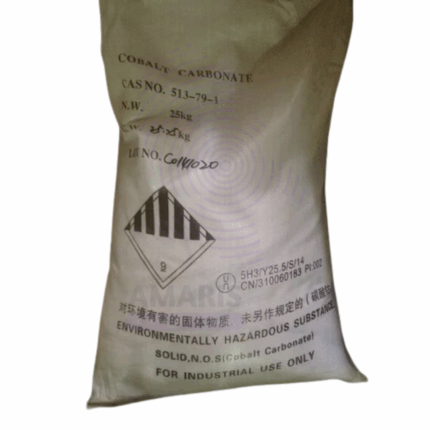
Cobalt Carbonate
Cobalt Carbonate is a rose-red to purplish powder with a metal content of approximately 46% cobalt by weight. It is an inorganic compound primarily used as a source of cobalt, either as a raw material in chemical synthesis or as a micronutrient in various formulations. It is slightly soluble in water and decomposes upon heating, releasing carbon dioxide and leaving cobalt oxide (CoO). Cobalt Carbonate is used in ceramics, catalysts, animal nutrition, batteries, and metal surface treatments. Its controlled release of cobalt makes it useful in both industrial and biological applications.
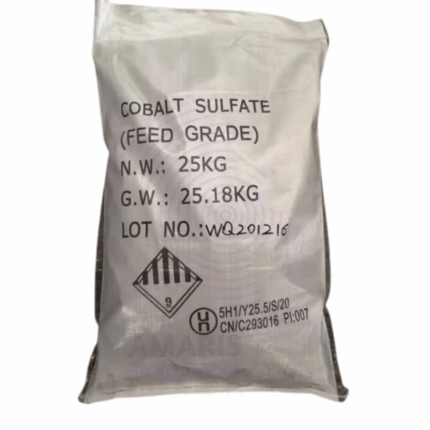
Cobalt Sulphate Feed Grade
Cobalt Sulphate Feed Grade is a cobalt salt of sulfuric acid, typically appearing as a pink to reddish crystalline powder or granules. It is specifically manufactured and purified for use as a trace mineral supplement in animal nutrition. Cobalt is an essential trace element required in small amounts for the synthesis of vitamin B12 (cobalamin) in ruminants, playing a vital role in maintaining proper metabolism, growth, and overall health. Feed grade cobalt sulfate ensures safe, bioavailable cobalt supply to livestock such as cattle, sheep, goats, and poultry, supporting rumen microbial activity, appetite, and red blood cell production.
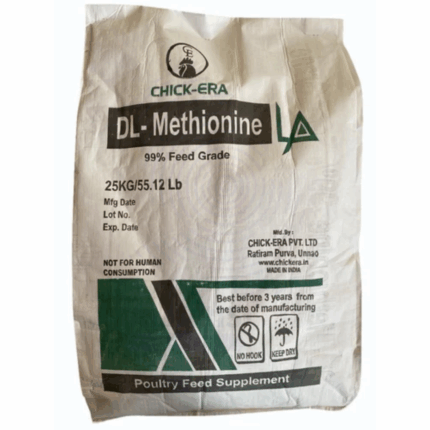
DL-Methionine Feed Grade
DL-Methionine Feed Grade is a synthetic, racemic mixture of the amino acid methionine, consisting of equal parts D- and L-isomers. It is an essential sulfur-containing amino acid widely used as a nutritional supplement in animal feed formulations. DL-Methionine plays a critical role in protein synthesis, growth, and metabolic functions in livestock and poultry. This feed-grade quality ensures high purity (minimum 99%) and suitability for inclusion in feed blends to enhance growth performance, improve feed efficiency, and prevent methionine deficiency-related disorders.
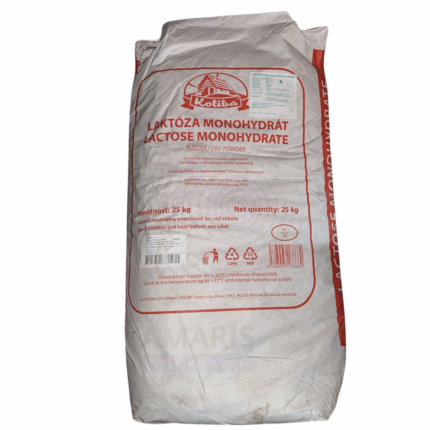
Lactose Monohydrate 200 Mesh
Lactose Monohydrate 200 Mesh is a fine, white, crystalline powder derived from milk sugar with a particle size of 200 mesh, indicating very fine granules. It is widely used in pharmaceutical, food, and confectionery industries as a filler, binder, and stabilizer. Lactose Monohydrate is valued for its excellent compressibility, low hygroscopicity, and compatibility with many active pharmaceutical ingredients (APIs). The monohydrate form contains one molecule of water, enhancing its stability and flow properties.

Mineral lick ( Rock Salt)
Mineral Lick, commonly known as Rock Salt, is a naturally occurring mineral primarily composed of sodium chloride. It is harvested from salt deposits and widely used as a mineral supplement for livestock and wildlife, providing essential nutrients. Mineral Lick enhances animal health by promoting hydration, digestion, and mineral balance. It also has applications in industry, agriculture, and food processing.
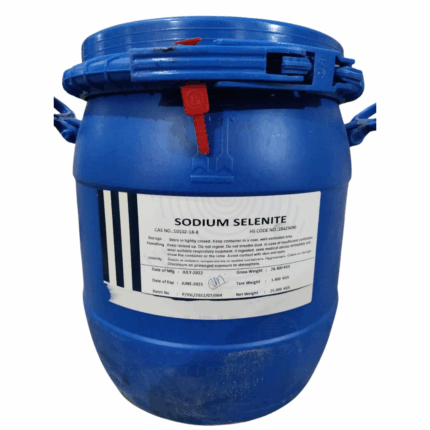
Sodium Selenite
Sodium Selenite is an inorganic selenium compound with the formula Na₂SeO₃. In its commercial 45% concentration, it is typically supplied as a colorless to slightly yellow aqueous solution or as a crystalline solid with 45% selenium content. It is primarily used as a micronutrient additive in animal nutrition, a reagent in the pharmaceutical and glass industries, and in various research applications. Highly bioavailable, it serves as a key selenium source where controlled selenium supplementation is critical. This 25kg product offers precise dosing, stability, and ease of handling in industrial and agricultural settings.

Toxin Binder Premix
Toxin Binder Premix is a specialized feed additive formulated to adsorb and neutralize a broad range of mycotoxins and other harmful toxins present in animal feed. It enhances animal health by preventing the absorption of toxins in the gastrointestinal tract, thereby improving feed efficiency and productivity. The premix typically contains activated clays, yeast cell wall components, and other natural or synthetic adsorbents designed for use in livestock, poultry, and aquaculture feeds. This product supports animal growth, immune function, and overall well-being by mitigating the adverse effects of feed contamination.












