

 Preservatives(food)
 Flavors
 Acidulants
 Sweeteners
 Antioxidants
 Colorants(food)
 Nutraceutical Ingredients (food)
 Nutrient Supplements
 Emulsifiers
 Collectors
 Dust Suppressants
 Explosives and Blasting Agents
 Flocculants and Coagulants
 Frothers
 Leaching Agents
 pH Modifiers
 Precious Metal Extraction Agents
 Antioxidants(plastic)
 Colorants (Pigments, Dyes)
 Fillers and Reinforcements
 Flame Retardants
 Monomers
 Plasticizers
 Polymerization Initiators
 Stabilizers (UV, Heat)
 Antifoaming Agents
 Chelating Agents
 Coagulants and Flocculants
 Corrosion Inhibitors
 Disinfectants and Biocides
 Oxidizing Agents
 pH Adjusters
 Scale Inhibitors( water)
 Antioxidants(cosmetic)
 Emollients
 Oils
Oils Carrier Oills
 Essential Oils
 Humectants
 Preservatives
 Surfactants(cosmetic)
 Thickeners
 UV Filters
 Fragrance (Cosmetics)
 Fertilizers
 Soil Conditioners
 Plant Growth Regulators
 Animal Feed Additives
 Biostimulants
 Pesticides (Herbicides, Insecticides, Fungicides)
 Active Pharmaceutical Ingredients (APIs)
 Excipients
 Solvents(pharmaceutical)
 Antibiotics
 Antiseptics and Disinfectants
 Vaccine Adjuvants
 Nutraceutical Ingredients (pharmaceutical)
 Analgesics & Antipyretics
 Analytical Reagents
 Solvents(lab)
 Chromatography Chemicals
 Spectroscopy Reagents
 microbiology-and-cell-culture-reagents
 Molecular Biology Reagents
 Biochemical Reagents
 Inorganic and Organic Standards
 Laboratory Safety Chemicals
 Specialty Laboratory Chemicals(Special Laboratory Equipment)
 Demulsifiers
 Hydraulic Fracturing Fluids
 Scale Inhibitors(oil)
 Surfactants(oil)
 Drilling Fluids
 Dyes and Pigments
 Bleaching Agents
 Softening Agents
 Finishing Agents
 Antistatic Agents
 Admixtures
 Waterproofing Agents
 Sealants and Adhesives
 Curing Compounds
 Concrete Repair Chemicals
 Anti-Corrosion Coatings
 Surfactants(cleaning)
 Builders
 Enzymes
 Solvents (Cleaning)
 Electronic Chemicals
 Catalysts
 Lubricants
 Photographic Chemicals
 Refrigerants
 Automotive chemicals
 Pyrotechnic Chemicals
 Biodegradable Surfactants
 Bio-based Solvents
 Renewable Polymers
 Carbon Capture Chemicals
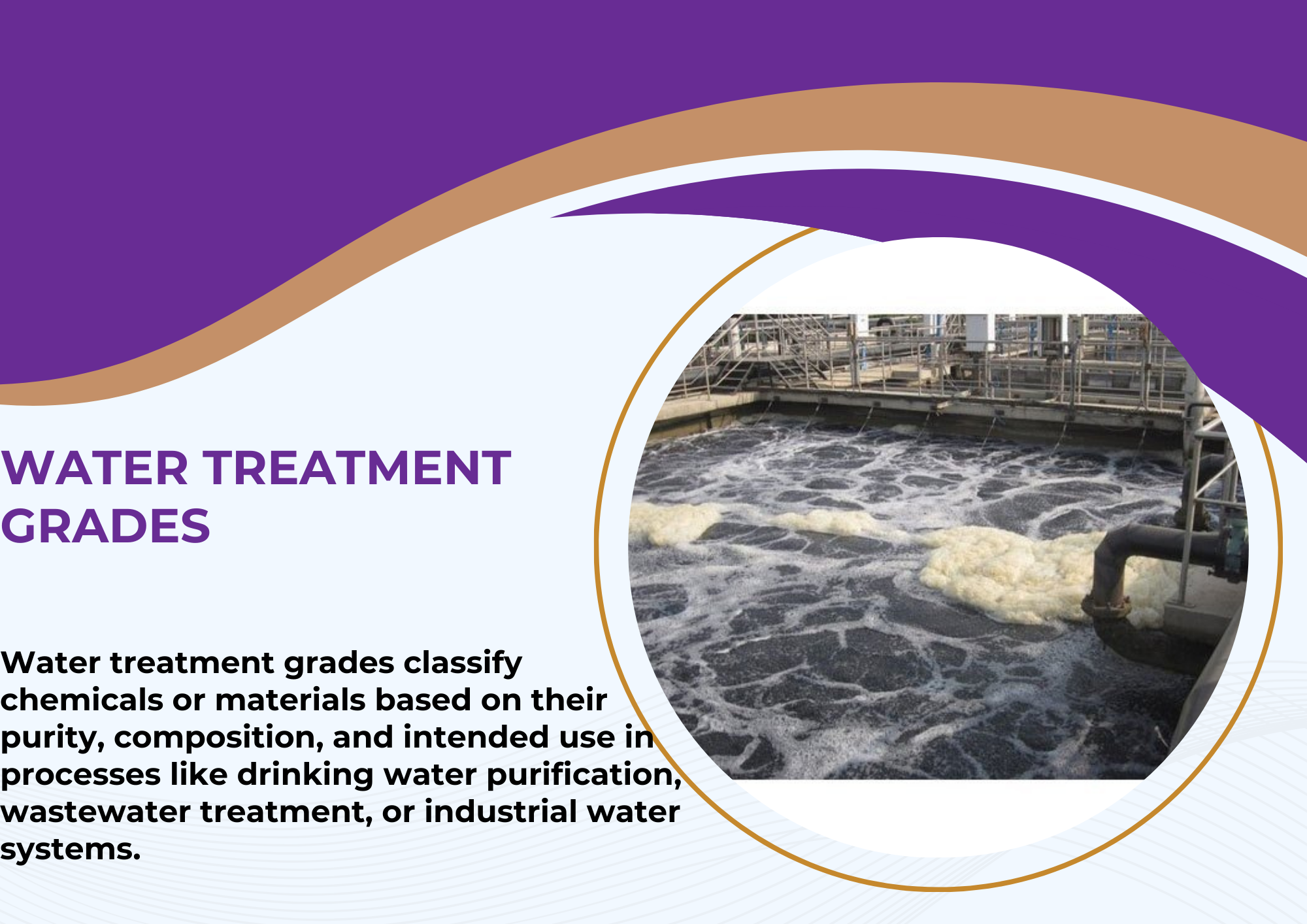
 Wastewater Treatment Chemicals
 Pigments
 Solvents(paint)
 Specialty Coatings
 Binders/Resins
 Additives
 Driers
 Anti-Corrosion Agents
 Functional Coatings
 Application-Specific Coatings
 Leavening Agents
 Dough Conditioners
 Flour Treatments
 Fat Replacers
 Decoratives
 Preservatives(baking)
 Plasticizers & Softeners
 Reinforcing Agents
 Adhesion Promoters
 Vulcanizing Agents
 Antidegradants
 Blowing Agents
 Fillers & Extenders
 Accelerators & Retarders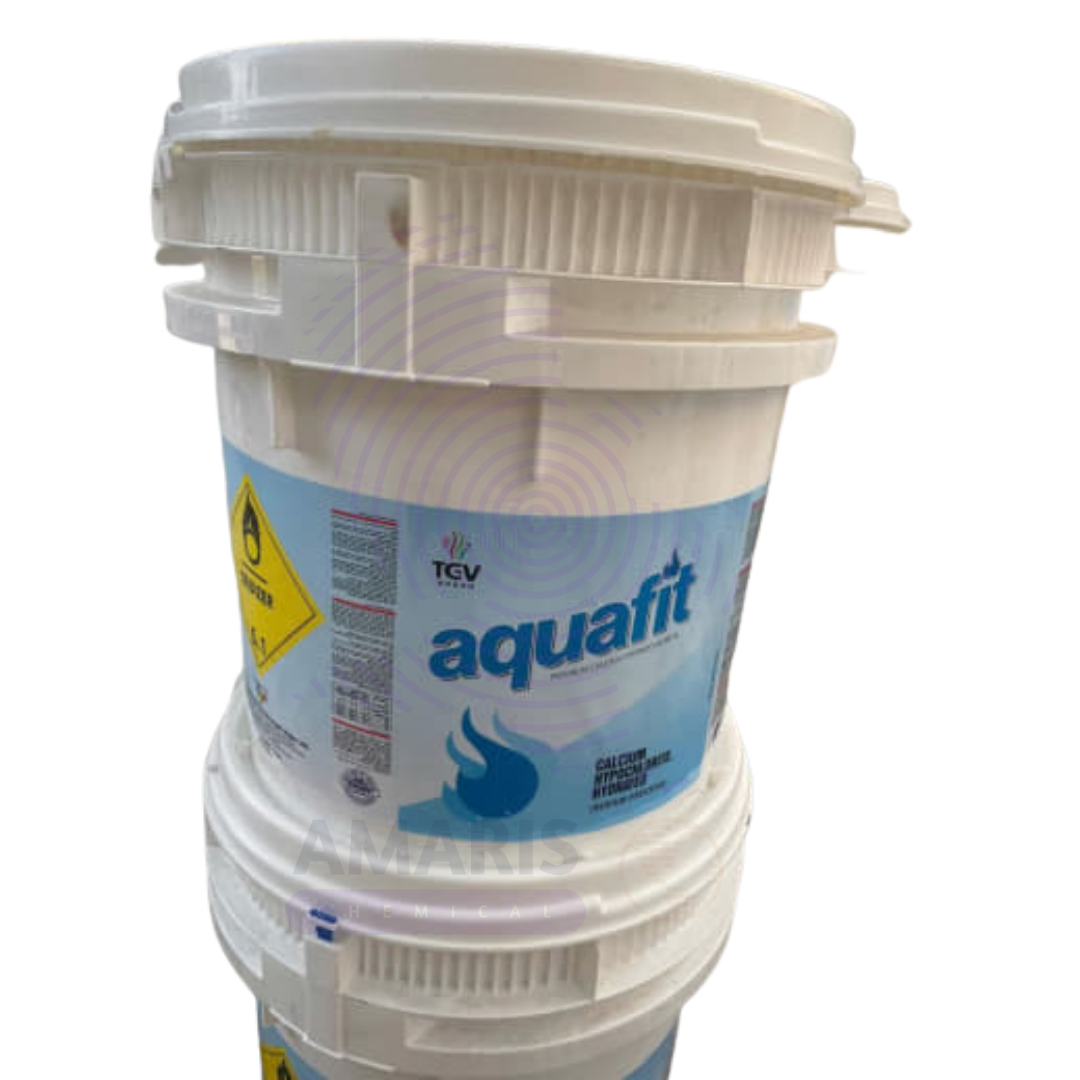


Calcium Hypochlorite
Original price was: $ 5.09.$ 4.97Current price is: $ 4.97.
Calcium Hypochlorite Chlorine is a white to slightly yellow crystalline powder or granules known for its strong oxidizing and disinfectant properties. The 65% grade indicates the available chlorine content, making it a powerful bleaching, sanitizing, and oxidizing agent. It is commonly used for water treatment, sanitation, and as a bleaching agent in industrial and household applications. Calcium Hypochlorite dissolves in water to release hypochlorous acid, which effectively kills bacteria, viruses, and fungi.
Calcium Hypochlorite (Chlorine)
Primary Uses
- Water Treatment & Disinfection
- Widely used to disinfect drinking water and swimming pools by killing harmful microorganisms.
- Used in wastewater treatment to oxidize contaminants and reduce pathogens.
- Sanitation & Hygiene
- Applied for sanitizing surfaces in hospitals, food processing plants, and public facilities.
- Used for deodorizing and controlling microbial growth in sewage systems.
- Industrial & Household Bleaching
- Acts as a bleaching agent for textiles, paper pulp, and other materials.
- Commonly used in household disinfectants and cleaners.
- Agriculture
- Used to sanitize irrigation water and disinfect equipment.
Secondary Uses
- Odor Control
- Employed in waste management to reduce odors by oxidizing odor-causing compounds.
- Chemical Manufacturing
- Used as an oxidizing agent in various chemical synthesis processes.
- Food Industry
- Occasionally used for washing and disinfecting fruits, vegetables, and food-contact surfaces (regulated use).
1. Basic Identification Attributes
- Chemical Name (IUPAC): Calcium hypochlorite
- Common/Trade Name: Calcium Hypochlorite 65%, Bleaching Powder, Chlorinated Lime
- CAS Number: 7778-54-3
- HS Code: 2828.10.00
- Molecular Formula: Ca(ClO)₂
- Synonyms:
- Bleaching powder
- Chlorinated lime
- Calcium oxychloride
- Hypochlorous acid calcium salt
2. Physical & Chemical Properties
- Physical State: Granular or powder
- Color & Odor: White to pale yellow; strong chlorine odor
- Melting Point: Decomposes at ~100°C releasing chlorine gas
- Boiling Point: Not applicable (decomposes)
- Density: Approx. 2.4 g/cm³
- Solubility: Soluble in water releasing hypochlorous acid and calcium hydroxide
- pH: Strongly alkaline (around pH 11–12 in solution)
- Stability: Sensitive to moisture, heat, and sunlight; decomposes releasing chlorine gas
3. Safety & Hazard Attributes
- Hazard Class (GHS): Oxidizer, corrosive, irritant
- NFPA Ratings:
- Health: 3
- Flammability: 0
- Reactivity: 3
- Exposure Limits: No specific OSHA limits; avoid inhalation of dust and fumes
- Toxicity: Toxic by ingestion and inhalation; causes severe skin and eye burns
- Reactivity: Reacts violently with acids, organic materials, and reducing agents; releases chlorine gas
4. Storage & Handling Attributes
- Storage Conditions: Store in a cool, dry, well-ventilated area away from incompatible materials (acids, organic substances)
- Container Type: Sealed, moisture-proof containers (polyethylene drums, lined steel containers)
- Shelf Life: Typically 6–12 months if stored properly in dry conditions
- Special Handling: Use PPE; avoid moisture contact and dust generation; store away from heat and sunlight
5. Regulatory & Compliance Attributes
- FDA Status: Approved for use in water disinfection (regulated levels)
- Transportation: Classified as an oxidizing solid (UN 2880 or UN 2014 depending on form)
- Waste Disposal: Dispose according to hazardous chemical waste regulations; neutralize before disposal
6. Environmental & Health Impact
- Ecotoxicity: Highly toxic to aquatic life; avoid environmental release
- Persistence: Decomposes releasing chlorine and calcium salts
- Bioaccumulation: Not expected to bioaccumulate
- Carcinogenicity/Mutagenicity: Not classified as carcinogenic or mutagenic
- Biodegradability: Not biodegradable; decomposes chemically
Safety Handling Precautions
Personal Protective Equipment (PPE):
- Chemical-resistant gloves
- Safety goggles or face shield
- Respirator or dust mask (for dust/fume)
- Protective clothing
Handling Measures:
- Avoid inhalation, ingestion, and skin or eye contact
- Handle in well-ventilated areas
- Avoid contact with moisture, acids, and organic materials
Storage Measures:
- Keep containers tightly sealed and dry
- Store away from incompatible materials and sources of heat
Hygiene Practices:
- Wash hands and exposed skin thoroughly after handling
- Do not eat, drink, or smoke while handling the chemical
First Aid Measures
- Inhalation: Move to fresh air immediately; seek medical attention if breathing difficulties occur
- Skin Contact: Rinse with plenty of water for at least 15 minutes; remove contaminated clothing; seek medical attention
- Eye Contact: Flush eyes with water for at least 15 minutes; seek urgent medical care
- Ingestion: Do not induce vomiting; rinse mouth and seek immediate medical attention
Firefighting Measures
- Fire Hazards: Non-flammable but strong oxidizer; may intensify fire of combustible materials
- Extinguishing Media: Use water spray, fog, or foam; do NOT use dry chemical or CO₂ alone
- Special Precautions: Firefighters should wear full protective gear and SCBA
- Decomposition Products: May release toxic chlorine gas and calcium oxides under fire conditions
Related products
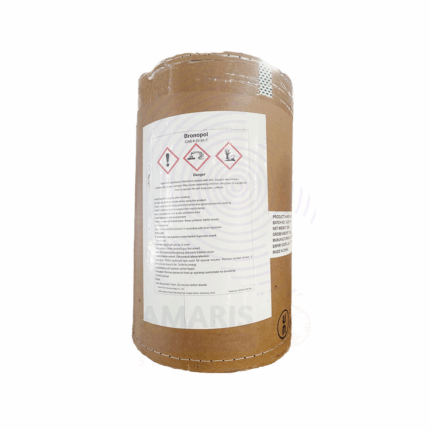
Bronopol
Bronopol (2-Bromo-2-nitropropane-1,3-diol) is a water-soluble, white crystalline powder or granules with a slight odor. It is a synthetic antimicrobial agent widely used as a preservative in personal care products, pharmaceuticals, cosmetics, and industrial applications. Bronopol exhibits broad-spectrum bactericidal and fungicidal activity, making it effective against a wide range of microorganisms. It works by releasing active formaldehyde slowly, which disrupts microbial metabolism and reproduction.
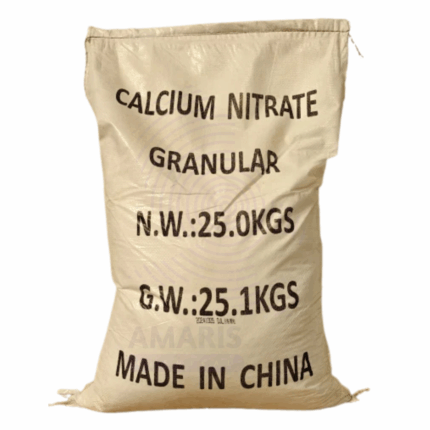
Calcium Nitrate
Calcium Nitrate is a highly soluble, white crystalline salt composed of calcium and nitrate ions. It is commonly available as a tetrahydrate (Ca(NO₃)₂·4H₂O). Known for its excellent solubility in water, calcium nitrate is widely used as a fertilizer providing both calcium and nitrogen to plants. It improves soil structure, enhances nutrient uptake, and prevents disorders such as blossom-end rot in fruits. Beyond agriculture, calcium nitrate serves in wastewater treatment, concrete acceleration, and industrial chemical processes.
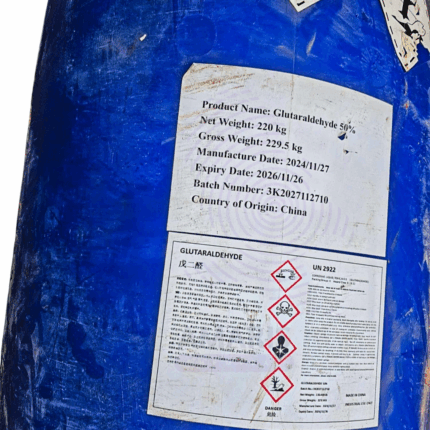
Glutardehyde
Glutardehydeis a potent biocidal agent and chemical sterilant widely used in healthcare, water treatment, and industrial applications. It is a colorless to pale yellow oily liquid with a pungent, sharp odor. Chemically, it is a dialdehyde, primarily valued for its ability to cross-link proteins, making it highly effective as a disinfectant, fixative, and preservative. Typically supplied in concentrations of 25% or 50% aqueous solutions, Glutaraldehyde is used where high-level disinfection is needed—especially against bacteria, viruses, fungi, and spores. Its versatility also extends to tanning, laboratory science, and wastewater treatment.
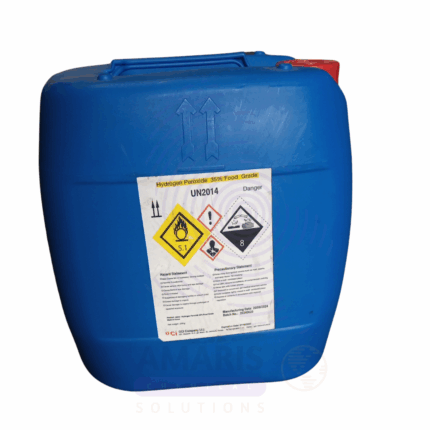

Hydrogen Peroxide Food Grade
Hydrogen Peroxide Food Grade is a highly concentrated aqueous solution of hydrogen peroxide (H₂O₂), formulated specifically for use in food processing and related applications. It appears as a clear, colorless liquid with a slightly sharp, acrid odor. Renowned for its powerful oxidizing and bleaching properties, hydrogen peroxide is a strong antimicrobial agent and environmentally friendly disinfectant that decomposes into water and oxygen, leaving no harmful residues. The food-grade designation ensures compliance with strict purity standards, making it suitable for direct and indirect food contact uses, including sterilization, sanitation, and preservation.

Nyclone (Chlorine)
Nyclone (Chlorine) is a high-purity chlorine-based chemical used primarily as a disinfectant and bleaching agent. It delivers effective sanitization in water treatment, industrial cleaning, and chemical manufacturing. Known for its strong oxidizing properties, Nyclone (Chlorine) is widely applied to control microbial contamination, remove stains, and support various chemical synthesis processes.

Pine Oil
Pine Oil is a powerful, aromatic essential oil obtained through the steam distillation of the needles, twigs, and cones of pine trees, primarily Pinus sylvestris or other Pinus species. It features a sharp, woody, and fresh scent with natural disinfectant and deodorizing properties. Rich in monoterpenes such as alpha-pinene and beta-pinene, Pine Oil is widely utilized in cleaning products, disinfectants, air care, cosmetics, and industrial formulations. It is valued for its antimicrobial, anti-inflammatory, and degreasing capabilities, making it an effective multi-purpose ingredient across various sectors.
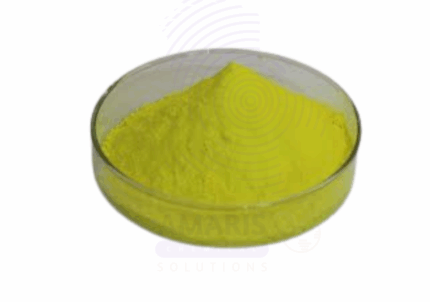
Santophene( 4-chloro-2-Benzyl phenol)
Santophene (4-chloro-2-benzylphenol) is a chlorinated phenolic compound used primarily as a biocide and preservative in various industrial applications. It exhibits strong antimicrobial properties, effectively controlling the growth of bacteria, fungi, and algae. This compound is widely applied in coatings, paints, wood preservation, and water treatment to protect materials from microbial degradation and extend their service life.
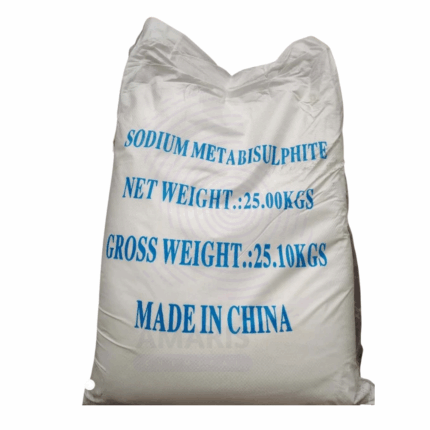
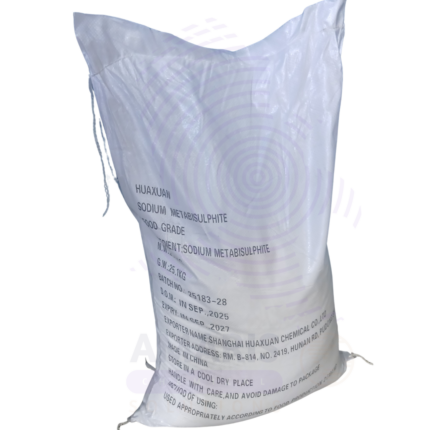
Sodium Metabisulphite
Sodium Metabisulphite is a white crystalline powder widely used as an antioxidant, disinfectant, and preservative. It dissolves readily in water, releasing sulfur dioxide, which acts as a powerful antimicrobial and antioxidant agent. This chemical finds broad applications in food processing, water treatment, pharmaceuticals, and industrial manufacturing to prevent spoilage, control microbial growth, and protect equipment from corrosion.












