

 Preservatives(food)
 Flavors
 Acidulants
 Sweeteners
 Antioxidants
 Colorants(food)
 Nutraceutical Ingredients (food)
 Nutrient Supplements
 Emulsifiers
 Collectors
 Dust Suppressants
 Explosives and Blasting Agents
 Flocculants and Coagulants
 Frothers
 Leaching Agents
 pH Modifiers
 Precious Metal Extraction Agents
 Antioxidants(plastic)
 Colorants (Pigments, Dyes)
 Fillers and Reinforcements
 Flame Retardants
 Monomers
 Plasticizers
 Polymerization Initiators
 Stabilizers (UV, Heat)
 Antifoaming Agents
 Chelating Agents
 Coagulants and Flocculants
 Corrosion Inhibitors
 Disinfectants and Biocides
 Oxidizing Agents
 pH Adjusters
 Scale Inhibitors( water)
 Antioxidants(cosmetic)
 Emollients
 Oils
Oils Carrier Oills
 Essential Oils
 Humectants
 Preservatives
 Surfactants(cosmetic)
 Thickeners
 UV Filters
 Fertilizers
 Soil Conditioners
 Plant Growth Regulators
 Animal Feed Additives
 Biostimulants
 Pesticides (Herbicides, Insecticides, Fungicides)
 Active Pharmaceutical Ingredients (APIs)
 Excipients
 Solvents(pharmaceutical)
 Antibiotics
 Antiseptics and Disinfectants
 Vaccine Adjuvants
 Nutraceutical Ingredients (pharmaceutical)
 Analgesics & Antipyretics
 Analytical Reagents
 Solvents(lab)
 Chromatography Chemicals
 Spectroscopy Reagents
 microbiology-and-cell-culture-reagents
 Molecular Biology Reagents
 Biochemical Reagents
 Inorganic and Organic Standards
 Laboratory Safety Chemicals
 Specialty Laboratory Chemicals(Special Laboratory Equipment)
 Demulsifiers
 Hydraulic Fracturing Fluids
 Scale Inhibitors(oil)
 Surfactants(oil)
 Drilling Fluids
 Dyes and Pigments
 Bleaching Agents
 Softening Agents
 Finishing Agents
 Antistatic Agents
 Admixtures
 Waterproofing Agents
 Sealants and Adhesives
 Curing Compounds
 Concrete Repair Chemicals
 Anti-Corrosion Coatings
 Surfactants(cleaning)
 Builders
 Enzymes
 Solvents (Cleaning)
 Fragrances (Cleaning)
 Electronic Chemicals
 Catalysts
 Lubricants
 Photographic Chemicals
 Refrigerants
 Automotive chemicals
 Pyrotechnic Chemicals
 Biodegradable Surfactants
 Bio-based Solvents
 Renewable Polymers
 Carbon Capture Chemicals
 Wastewater Treatment Chemicals
 Pigments
 Solvents(paint)
 Specialty Coatings
 Binders/Resins
 Additives
 Driers
 Anti-Corrosion Agents
 Functional Coatings
 Application-Specific Coatings
 Leavening Agents
 Dough Conditioners
 Flour Treatments
 Fat Replacers
 Decoratives
 Preservatives(baking)
 Plasticizers & Softeners
 Reinforcing Agents
 Adhesion Promoters
 Vulcanizing Agents
 Antidegradants
 Blowing Agents
 Fillers & Extenders
 Accelerators & Retarders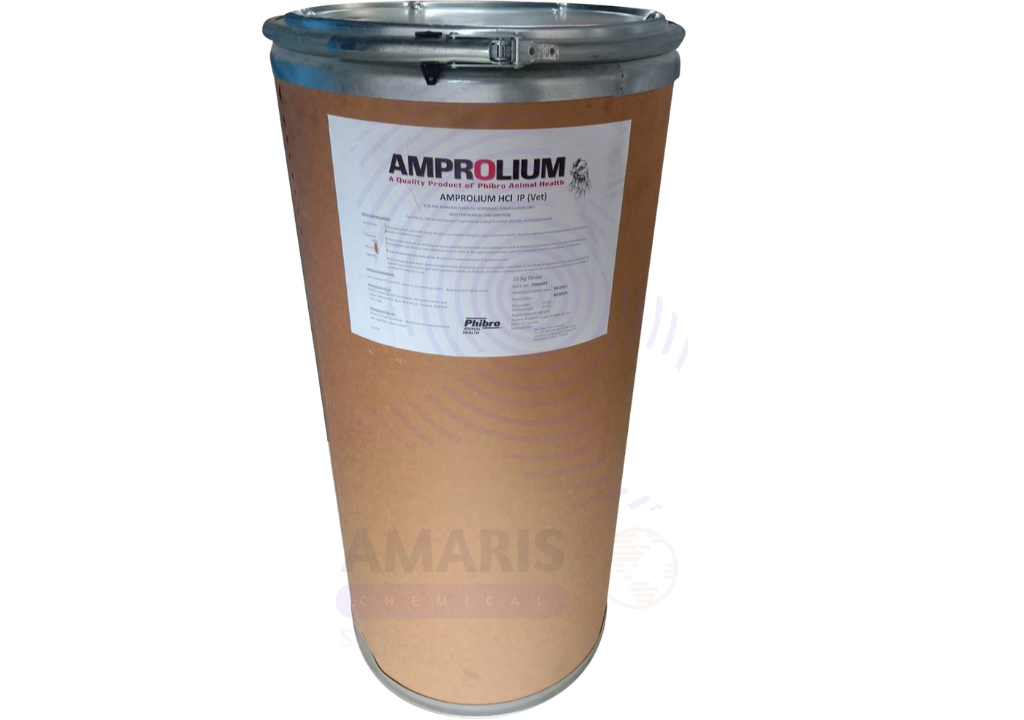



Amprolium Hydrochloride
Amprolium Hydrochloride is a white, odorless, crystalline powder used primarily as a coccidiostat, which means it inhibits the growth of Eimeria species (protozoan parasites) responsible for coccidiosis in poultry and other animals. It works by mimicking thiamine (vitamin B1), thereby competitively inhibiting thiamine uptake by the parasite, disrupting its metabolism, and preventing its proliferation. Amprolium HCl is widely used in veterinary medicine, especially in poultry farming, and is often included in feed or drinking water. It complies with BP 2008 and USP 32 pharmacopeial standards.
Amprolium Hydrochloride
Primary Uses
- Veterinary Medicine – Coccidiostat
- Poultry (chickens, turkeys, ducks):
- Used for prevention and treatment of coccidiosis, a major parasitic disease affecting intestinal health and feed efficiency.
- Administered via feed or drinking water either continuously or in specific programs.
- Effective against Eimeria tenella, E. necatrix, E. acervulina, and other species.
- Calves, Lambs, Goats, Rabbits, and other livestock:
- Used to prevent or treat protozoal infections, especially in young or weaning animals.
- Veterinary Formulations
- Incorporated into premixes, soluble powders, oral solutions, and sometimes injectables.
- Can be used alone or in combination with other agents (e.g., sulfonamides, vitamins).
- Included in preventive health protocols in large-scale farming systems.
Secondary Uses
- Pharmaceutical Ingredient in Animal Drug Manufacturing
- Used as an API (Active Pharmaceutical Ingredient) in licensed veterinary medicinal products (VMPs).
- Sometimes incorporated in multi-component formulations with electrolytes or other antiparasitic agents.
- Agricultural & Research Applications
- Used in parasitological studies for inducing or preventing coccidial infections in laboratory settings.
- Employed in diagnostic research to evaluate coccidia resistance or drug efficacy.
- Ornamental Birds & Game Birds
- Occasionally used under veterinary supervision in aviaries, pet birds, and game birds like quail and pheasants.
1. Basic Identification Attributes
- Chemical Name (IUPAC): 1-[(4-Amino-2-propylpyrimidin-5-yl)methyl]-2-methylpyridinium chloride
- Common/Trade Names: Amprolium HCl, Amprolium Hydrochloride
- CAS Number: 137-88-2
- HS Code: 2933.59.95
- Molecular Formula: C₁₄H₁₉ClN₄
- Molecular Weight: 278.78 g/mol
- Synonyms: Amprolium monohydrochloride, Amprol, Coccidiostat HCl
2. Physical & Chemical Properties
- Appearance: White to off-white crystalline powder
- Odor: Odorless
- Solubility: Freely soluble in water; practically insoluble in ethanol or ether
- Melting Point: 165–170°C (decomposes)
- pH (1% solution): 4.5–5.5
- Stability: Stable under recommended storage conditions; may degrade under strong light or humidity
- Particle Size: Can be micronized for uniform feed mixing
- Bulk Density: ~0.45–0.60 g/cm³
3. Safety & Hazard Attributes
- GHS Classification: Not classified as hazardous
- NFPA Ratings:
- Health: 1 (low hazard)
- Flammability: 0 (non-flammable)
- Reactivity: 0 (stable)
- Toxicity:
- Oral LD₅₀ (rat): ~3,000 mg/kg (low acute toxicity)
- Non-teratogenic, non-mutagenic in standard tests
- Reactivity: Stable under normal conditions; avoid mixing with oxidizers
- Incompatibilities: Strong oxidizing agents, strong acids or bases
4. Storage & Handling Attributes
- Storage Conditions:
- Store in tightly sealed containers
- Keep in a cool, dry, well-ventilated place
- Protect from light and moisture
- Shelf Life: 3–5 years under proper storage
- Packaging Types:
- HDPE drums, fiber drums with PE liners, laminated foil bags
- Handling Precautions:
- Avoid inhalation of dust; use appropriate PPE (gloves, goggles, dust mask)
5. Regulatory & Compliance Attributes
- Pharmacopoeia Standards:
- BP 2008 Compliant
- USP 32 Compliant
- Veterinary Approval:
- Approved by FDA (USA), EMA (EU), and other international veterinary authorities
- Residue Limits (MRLs):
- MRLs vary by species and jurisdiction; withdrawal periods required before slaughter
- Transportation:
- Not classified as hazardous for transport
- Waste Disposal:
- Dispose of in accordance with local environmental and pharmaceutical regulations
6. Environmental & Health Impact
- Ecotoxicity:
- Low toxicity to aquatic life at typical usage levels
- Must avoid direct discharge into water bodies
- Persistence:
- Biodegradable under aerobic conditions
- Bioaccumulation:
- Low potential for bioaccumulation
- Public Health Risk:
- Requires veterinary supervision to avoid resistance or misuse
- Carcinogenicity/Mutagenicity:
- Not classified as carcinogenic or mutagenic
Safety Handling Precautions
- PPE Requirements:
- Wear protective gloves, lab coat, goggles, and dust mask or respirator when handling powders.
- Hygiene Measures:
- Do not eat, drink, or smoke while handling.
- Wash hands thoroughly after use.
First Aid Measures
- Inhalation:
- Move to fresh air. Seek medical attention if symptoms persist.
- Skin Contact:
- Wash with soap and water. Remove contaminated clothing.
- Eye Contact:
- Rinse thoroughly with water for at least 15 minutes.
- Ingestion:
- Rinse mouth with water. Do not induce vomiting. Seek medical help.
Firefighting Measures
- Flammability:
- Non-flammable solid
- Extinguishing Media:
- Use dry chemical, CO₂, water spray, or foam
- Special Precautions:
- Avoid dust inhalation; use SCBA in confined areas
- Thermal Decomposition:
- May release nitrogen oxides, carbon monoxide
Related products
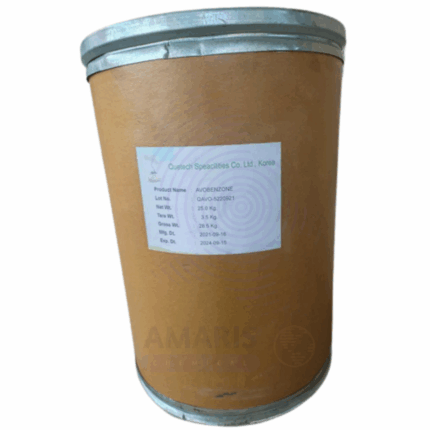
Avobenzone
Avobenzone (chemical name: Butyl Methoxydibenzoylmethane) is an oil-soluble organic compound widely used as a UVA filter in sunscreen formulations. It is valued for its ability to absorb a broad spectrum of ultraviolet A (UVA) rays (320–400 nm), protecting the skin from premature aging and damage caused by sun exposure. Avobenzone is often combined with other UV filters to provide broad-spectrum sun protection. It is a pale yellow liquid or crystalline powder, soluble in oils and alcohols but unstable in sunlight unless stabilized with other agents.
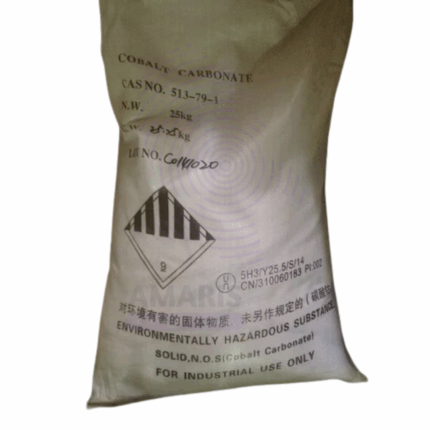
Cobalt Carbonate
Cobalt Carbonate is a rose-red to purplish powder with a metal content of approximately 46% cobalt by weight. It is an inorganic compound primarily used as a source of cobalt, either as a raw material in chemical synthesis or as a micronutrient in various formulations. It is slightly soluble in water and decomposes upon heating, releasing carbon dioxide and leaving cobalt oxide (CoO). Cobalt Carbonate is used in ceramics, catalysts, animal nutrition, batteries, and metal surface treatments. Its controlled release of cobalt makes it useful in both industrial and biological applications.
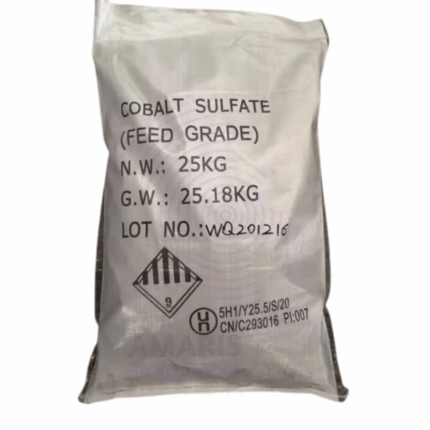
Cobalt Sulphate Feed Grade
Cobalt Sulphate Feed Grade is a cobalt salt of sulfuric acid, typically appearing as a pink to reddish crystalline powder or granules. It is specifically manufactured and purified for use as a trace mineral supplement in animal nutrition. Cobalt is an essential trace element required in small amounts for the synthesis of vitamin B12 (cobalamin) in ruminants, playing a vital role in maintaining proper metabolism, growth, and overall health. Feed grade cobalt sulfate ensures safe, bioavailable cobalt supply to livestock such as cattle, sheep, goats, and poultry, supporting rumen microbial activity, appetite, and red blood cell production.

Passion Liquid Flavor
Passion Liquid Flavor is a concentrated, vibrant flavoring agent designed to impart the sweet and tangy taste of passion fruit in food and beverage products. This high-quality liquid flavor is formulated for excellent solubility and stability in various aqueous and non-aqueous food systems. It is widely used in confectionery, beverages, dairy products, bakery, and snacks to deliver a natural tropical fruit flavor profile. Manufactured following stringent food safety standards, Passion Liquid Flavor ensures consistent taste, purity, and compliance with regulatory requirements for food-grade ingredients.
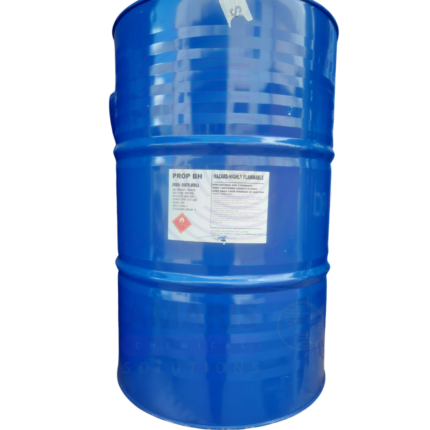
Propylparaben (Prop BH)
Prop BH, also known as Propylparaben or Propyl 4-Hydroxybenzoate, is an organic compound belonging to the paraben family of preservatives. It appears as colorless small crystals or a white crystalline powder with a characteristic mild odor and a slightly bitter taste. The compound is practically insoluble in cold water but readily soluble in alcohols, ethers, and other organic solvents. Propylparaben is widely recognized for its broad-spectrum antimicrobial activity, particularly effective against molds, yeasts, and bacteria. Propylparaben is manufactured for use as a preservative in various industrial applications and is not intended for direct human consumption without appropriate certification.
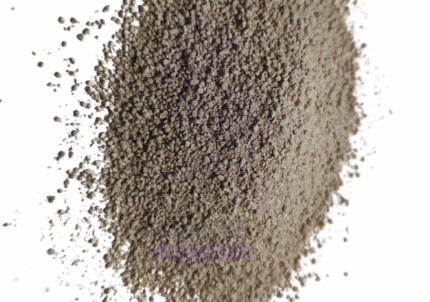
Salinomycin Granular Feed Grade
Salinomycin Granular Feed Grade is an ionophore antibiotic widely used as a coccidiostat in poultry and livestock feed. It helps control and prevent coccidiosis, a parasitic disease affecting the intestinal tract of animals, thereby improving growth performance and feed efficiency. This granular formulation ensures uniform mixing in feed and stable dosage delivery.
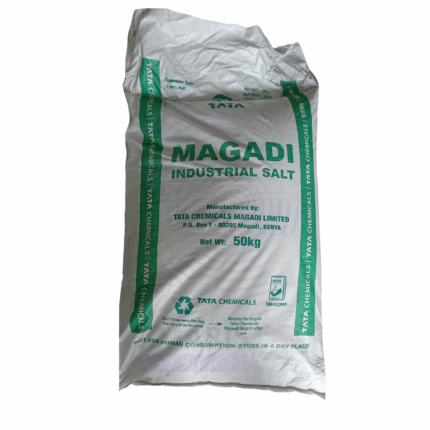
Sodium Chloride (Industrial Salt)
Sodium Chloride (Industrial Salt) is a highly purified, sterile, and non-pyrogenic salt intended for intravenous, intramuscular, and subcutaneous administration. It is commonly used in medical and pharmaceutical settings as a key component of intravenous fluids, for rehydration therapy, electrolyte replenishment, and as a diluent for injectable drugs. This grade meets stringent pharmacopoeial standards (British Pharmacopoeia) ensuring safety and compatibility with parenteral use.

Tylosin Tartrate
Tylosin Tartrate is a water-soluble macrolide antibiotic derived from Streptomyces fradiae, primarily used in veterinary medicine. It is the tartrate salt form of tylosin, enhancing its solubility and making it ideal for administration via drinking water or injectable solutions. Tylosin Tartrate is active against a wide range of Gram-positive bacteria and some Gram-negative organisms, as well as Mycoplasma spp. It is particularly effective for treating respiratory, gastrointestinal, and reproductive infections in livestock and poultry.












