

 Preservatives(food)
 Flavors
 Acidulants
 Sweeteners
 Antioxidants
 Colorants(food)
 Nutraceutical Ingredients (food)
 Nutrient Supplements
 Emulsifiers
 Collectors
 Dust Suppressants
 Explosives and Blasting Agents
 Flocculants and Coagulants
 Frothers
 Leaching Agents
 pH Modifiers
 Precious Metal Extraction Agents
 Antioxidants(plastic)
 Colorants (Pigments, Dyes)
 Fillers and Reinforcements
 Flame Retardants
 Monomers
 Plasticizers
 Polymerization Initiators
 Stabilizers (UV, Heat)
 Antifoaming Agents
 Chelating Agents
 Coagulants and Flocculants
 Corrosion Inhibitors
 Disinfectants and Biocides
 Oxidizing Agents
 pH Adjusters
 Scale Inhibitors( water)
 Antioxidants(cosmetic)
 Emollients
 Oils
Oils Carrier Oills
 Essential Oils
 Humectants
 Preservatives
 Surfactants(cosmetic)
 Thickeners
 UV Filters
 Fragrance (Cosmetics)
 Fertilizers
 Soil Conditioners
 Plant Growth Regulators
 Animal Feed Additives
 Biostimulants
 Pesticides (Herbicides, Insecticides, Fungicides)
 Active Pharmaceutical Ingredients (APIs)
 Excipients
 Solvents(pharmaceutical)
 Antibiotics
 Antiseptics and Disinfectants
 Vaccine Adjuvants
 Nutraceutical Ingredients (pharmaceutical)
 Analgesics & Antipyretics
 Analytical Reagents
 Solvents(lab)
 Chromatography Chemicals
 Spectroscopy Reagents
 microbiology-and-cell-culture-reagents
 Molecular Biology Reagents
 Biochemical Reagents
 Inorganic and Organic Standards
 Laboratory Safety Chemicals
 Specialty Laboratory Chemicals(Special Laboratory Equipment)
 Demulsifiers
 Hydraulic Fracturing Fluids
 Scale Inhibitors(oil)
 Surfactants(oil)
 Drilling Fluids
 Dyes and Pigments
 Bleaching Agents
 Softening Agents
 Finishing Agents
 Antistatic Agents
 Admixtures
 Waterproofing Agents
 Sealants and Adhesives
 Curing Compounds
 Concrete Repair Chemicals
 Anti-Corrosion Coatings
 Surfactants(cleaning)
 Builders
 Enzymes
 Solvents (Cleaning)
 Electronic Chemicals
 Catalysts
 Lubricants
 Photographic Chemicals
 Refrigerants
 Automotive chemicals
 Pyrotechnic Chemicals
 Biodegradable Surfactants
 Bio-based Solvents
 Renewable Polymers
 Carbon Capture Chemicals
 Wastewater Treatment Chemicals
 Pigments
 Solvents(paint)
 Specialty Coatings
 Binders/Resins
 Additives
 Driers
 Anti-Corrosion Agents
 Functional Coatings
 Application-Specific Coatings
 Leavening Agents
 Dough Conditioners
 Flour Treatments
 Fat Replacers
 Decoratives
 Preservatives(baking)
 Plasticizers & Softeners
 Reinforcing Agents
 Adhesion Promoters
 Vulcanizing Agents
 Antidegradants
 Blowing Agents
 Fillers & Extenders
 Accelerators & Retarders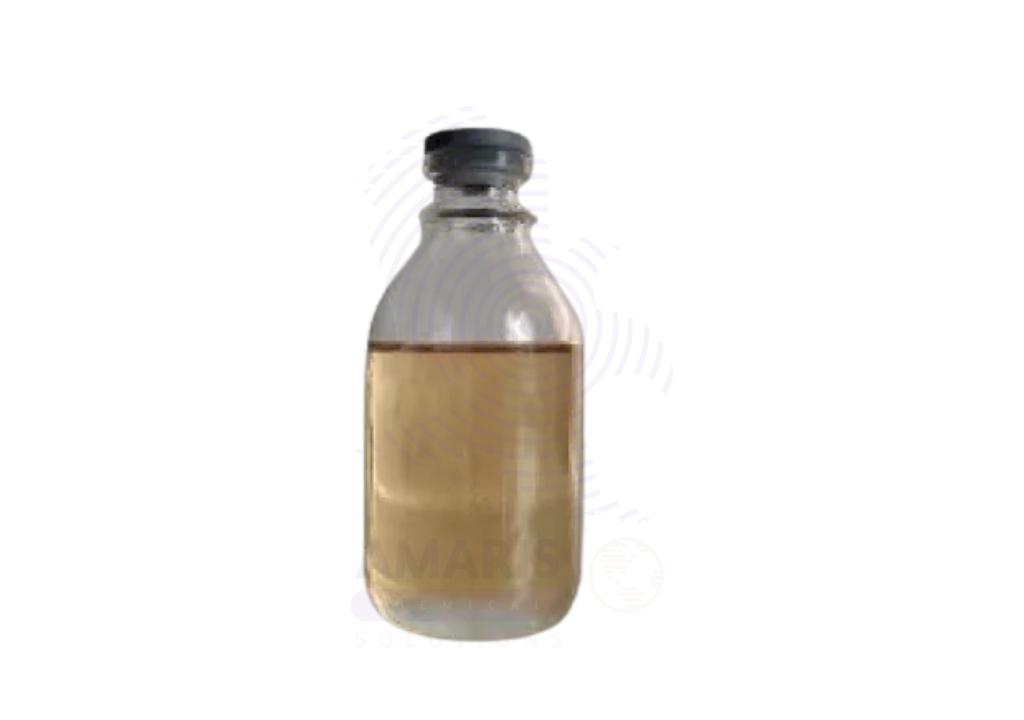


Amphoteric Surfactants
Amphoteric surfactants are unique surface-active agents that can act as either anionic or cationic surfactants depending on the pH of the solution. These molecules contain both acidic (carboxyl or sulfonic) and basic (amine or quaternary ammonium) functional groups, giving them high versatility, mildness, and compatibility with other surfactants. Amphoteric surfactants are widely used in personal care, household cleaning, industrial applications, pharmaceuticals, and specialty formulations where low irritation and effective cleansing are critical. Common examples include Cocamidopropyl Betaine and Lauryl Betaine.
Amphoteric Surfactants
Primary Uses
- Personal Care & Cosmetics
- Shampoos & Conditioners: Provide mild cleansing, excellent foam, and compatibility with skin and hair.
- Facial Cleansers & Body Washes: Offer gentle cleansing without stripping natural oils.
- Baby Products: Preferred in baby shampoos and body washes due to low irritation potential.
- Shaving Creams & Lotions: Aid in foam stabilization and improve skin feel.
- Household Cleaning Products
- Dishwashing Liquids: Enhance foaming and grease-cutting while being gentle on hands.
- All-Purpose Cleaners: Used for their ability to remove dirt while being non-corrosive and mild.
- Laundry Detergents: Improve wetting and soil removal, especially in sensitive skin formulas.
- Industrial & Institutional Cleaning
- Hard Surface Cleaners: Effective in low to moderate pH environments, compatible with disinfectants.
- Car Wash Soaps: Provide thick foam and reduce surface tension without damaging paint or wax coatings.
- Metal Cleaners: Aid in removing oil and particulates without causing corrosion.
- Textile & Leather Processing
- Used as wetting agents, dye leveling agents, and softeners in textile finishing.
- Employed in leather degreasing and treatment processes.
- Pharmaceutical Formulations
- Used in topical creams, emulsions, and transdermal delivery systems for stability and emulsification.
- Present in ophthalmic solutions and skin cleansers.
Secondary Uses
- Oil & Gas Industry
- Utilized as emulsifiers and foam stabilizers in enhanced oil recovery and drilling fluids.
- Help reduce interfacial tension in oil-water systems.
- Agricultural Chemicals
- Added to pesticide and herbicide formulations to improve spreadability, wetting, and leaf coverage.
- Help reduce phytotoxicity in foliar sprays.
- Electroplating & Metal Finishing
- Aid in degreasing and preparing metal surfaces without harsh corrosion.
- Paints & Coatings
- Used as dispersing agents to maintain pigment stability and improve flow properties.
- Help reduce surface tension in waterborne coatings.
- Firefighting Foams
- Improve the foam formation and spreadability in Class A and B firefighting foams.
- Printing Inks
- Used to control ink flow and reduce surface defects.
1. Basic Identification Attributes
- Chemical Family: Surfactants containing both anionic and cationic groups
- Common Types: Cocamidopropyl Betaine, Lauryl Betaine, Amphoacetates, Amphopropionates
- CAS Number: Varies by specific compound (e.g., Cocamidopropyl Betaine: 61789-40-0)
- HS Code: Typically 3402.90.10 (surface-active agents)
- Synonyms: Zwitterionic surfactants, dual-charge surfactants
2. Physical & Chemical Properties
- Physical State: Clear to pale yellow viscous liquid (depends on specific surfactant)
- Odor: Mild or characteristic fatty odor
- pH: Amphoteric behavior – cationic in acidic, anionic in alkaline conditions
- Solubility: Fully soluble in water
- Surface Tension: Typically reduces surface tension to 25–35 mN/m
- Foam Properties: High foaming; stable and fine-textured foam
- Biodegradability: Generally readily biodegradable
- Stability: Stable in wide pH range (3–10), compatible with electrolytes and other surfactants
3. Safety & Hazard Attributes
- GHS Classification: Generally not hazardous; varies by specific chemical
- NFPA Ratings (typical): Health 1, Flammability 1, Reactivity 0
- Toxicity: Low dermal and oral toxicity
- Sensitization: Very low irritation to eyes and skin, non-sensitizing in most cases
- Incompatibilities: Strong oxidizers and highly acidic or alkaline materials can degrade some amphoterics
4. Storage & Handling Attributes
- Storage Conditions: Store in cool, dry, and well-ventilated area away from sunlight
- Shelf Life: 12–24 months depending on specific compound and storage conditions
- Packaging: HDPE drums, IBCs, or sealed containers
- Handling Precautions: Use gloves and goggles when handling concentrated materials
5. Regulatory & Compliance Attributes
- FDA (USA): Some amphoterics are approved for indirect food contact
- EU (REACH): Registered substances depending on compound
- Cosmetic Regulations: Approved for use in cosmetics (e.g., INCI-listed in EU and US)
- Environmental Regulations: Must comply with discharge and biodegradability standards
6. Environmental & Health Impact
- Ecotoxicity: Low aquatic toxicity; however, always assess specific compound data
- Biodegradability: Readily biodegradable under aerobic conditions
- Bioaccumulation: Low potential for bioaccumulation
- Carcinogenicity/Mutagenicity: Not classified as carcinogenic or mutagenic
- Human Exposure: Safe for routine use in cosmetics and cleaning products
Safety Handling Precautions
- PPE: Wear chemical-resistant gloves, safety glasses, and protective clothing.
- Ventilation: Use in well-ventilated area to avoid aerosol formation.
- Hygiene Measures: Wash hands thoroughly after handling. Do not ingest or contact eyes.
- Storage: Keep in original containers, sealed, and away from moisture and direct sunlight.
First Aid Measures
- Inhalation: Remove to fresh air. Seek medical attention if symptoms persist.
- Skin Contact: Wash with soap and water. Seek medical advice if irritation occurs.
- Eye Contact: Rinse cautiously with water for several minutes. Remove contact lenses if applicable.
- Ingestion: Rinse mouth with water. Do NOT induce vomiting unless instructed by a physician.
Firefighting Measures
- Fire Hazard: Non-flammable. May emit fumes under thermal decomposition.
- Suitable Extinguishing Media: Water spray, foam, dry chemical, or CO₂.
- Protective Equipment: Firefighters should wear self-contained breathing apparatus (SCBA) for large fires.
- Decomposition Products: May release nitrogen oxides, carbon monoxide, carbon dioxide.
Related products
Ceteareth 20 Ginonic
Ceteareth 20 Ginonic CSA 20 is a nonionic surfactant and emulsifier derived from the ethoxylation of cetearyl alcohol, incorporating approximately 20 ethylene oxide units per molecule. It appears as a white to off-white waxy solid or viscous liquid, depending on temperature and formulation. This emulsifier is widely used in cosmetic, pharmaceutical, and industrial formulations for its excellent ability to stabilize oil-in-water emulsions, improve texture, and enhance the sensory properties of finished products. Its high hydrophilic-lipophilic balance (HLB) makes it especially effective in forming stable emulsions and solubilizing lipophilic ingredients in aqueous phases. Ceteareth 20 is valued for its mildness, broad compatibility, and multifunctional performance.
Ceteareth 25 Ginonic
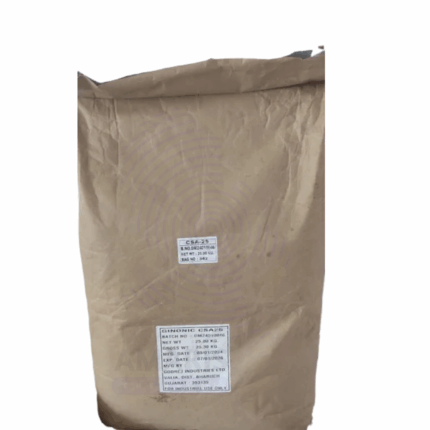
Ceteareth 25 Ginonic CSA 25 is a nonionic surfactant and emulsifier derived from the ethoxylation of cetearyl alcohol, incorporating approximately 20 ethylene oxide units per molecule. It appears as a white to off-white waxy solid or viscous liquid, depending on temperature and formulation. This emulsifier is widely used in cosmetic, pharmaceutical, and industrial formulations for its excellent ability to stabilize oil-in-water emulsions, improve texture, and enhance the sensory properties of finished products. Its high hydrophilic-lipophilic balance (HLB) makes it especially effective in forming stable emulsions and solubilizing lipophilic ingredients in aqueous phases. Ceteareth 20 is valued for its mildness, broad compatibility, and multifunctional performance.
Cetyl Trimethyl Ammonium Chloride
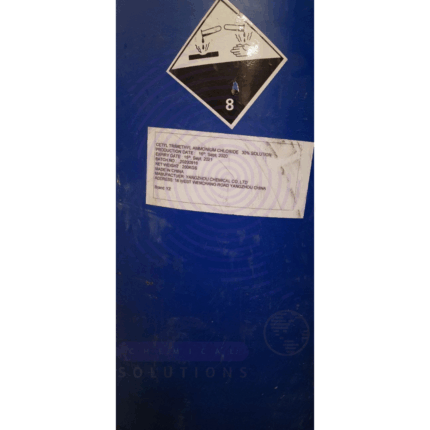
Cetyl Trimethyl Ammonium Chloride (CTAC) is a cationic surfactant and quaternary ammonium compound characterized by a long hydrophobic cetyl (C16) alkyl chain and a positively charged ammonium head group. It appears as a white to pale yellow powder or flakes, soluble in water, and exhibits strong surface-active properties. CTAC is widely used in cosmetics, personal care, and industrial applications for its excellent conditioning, antistatic, emulsifying, and disinfectant capabilities. It functions primarily as a fabric softener, hair conditioner, and antimicrobial agent.
Cocamino Propyl Betaine Desmocol
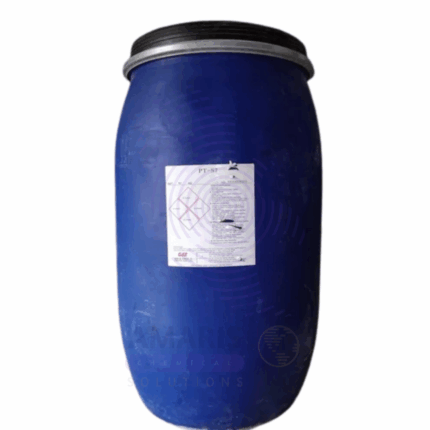
Cocamino Propyl Betaine Desmocol is a mild amphoteric surfactant derived from coconut oil fatty acids and amino acids. It appears as a clear to slightly hazy liquid with a faint coconut-like odor. CAPB is widely used in personal care and household cleaning products for its excellent foaming, cleansing, and conditioning properties. Being a zwitterionic surfactant, it is compatible with anionic, cationic, and nonionic surfactants, enhancing the mildness and stability of formulations. The 30% active solution is easy to handle and incorporate in various cosmetic and detergent products. It functions as a foam booster, viscosity builder, and anti-irritant agent, making it a versatile ingredient in mild formulations.
![Diethanolamine [C4H11NO2 or (CH2CH2OH)2NH] Amaris Chemicals](https://amarischemicalsolutions.com/wp-content/uploads/2025/07/Diethanolamine-C4H11NO2-or-CH2CH2OH2NH-Amaris-Chemicals-430x430.png)
Diethanolamine
Diethanolamine is a colorless to pale yellow, viscous liquid with a mild ammonia-like odor. It is a secondary amine and diol, widely used in various industrial, pharmaceutical, and cosmetic applications. DEA is highly soluble in water and many organic solvents. It acts as an intermediate in the synthesis of surfactants, emulsifiers, corrosion inhibitors, and pharmaceuticals. It is valued for its alkalinity, emulsifying properties, and ability to form stable complexes with fatty acids.
Emulsifying Wax Non ionic
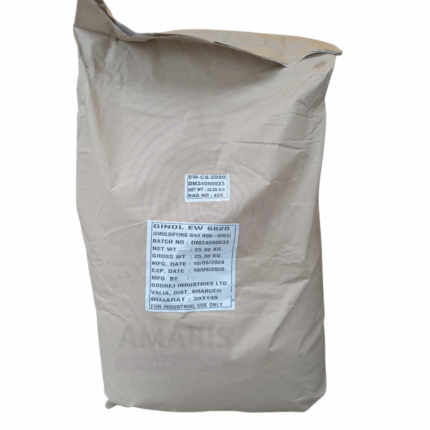
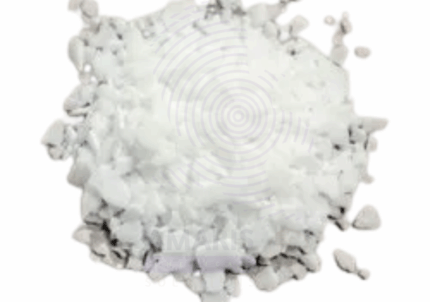
Emulsifying Wax Non ionic is a self-emulsifying, non-ionic wax blend composed primarily of fatty alcohols (typically cetostearyl alcohol or stearyl alcohol) and non-ionic surfactants like polyethylene glycol (PEG) derivatives. It is used to stabilize oil-in-water (O/W) emulsions without relying on ionic charges, making it highly compatible with a wide range of ingredients, including both cationic and anionic components. This wax is commonly found in white, odorless solid flakes or pellets and is dispersible in hot water to form smooth, stable emulsions. It is widely used in cosmetic, pharmaceutical, and industrial applications where gentle emulsification, stability, and broad pH compatibility are needed.
Polyglyceryl
Polyglyceryl refers to a family of non-ionic surfactants and emulsifiers made by the polymerization of glycerol units. Depending on the number of glycerol units (e.g., Polyglyceryl-2, -3, -6, -10) and fatty acid esterification (e.g., laurate, oleate, stearate), they offer different emulsifying and solubilizing properties. These compounds are biodegradable, mild, and skin-friendly, making them ideal for use in cosmetics, food, pharmaceuticals, and personal care products. Polyglyceryl esters are often chosen in natural and organic product formulations due to their origin and non-toxic profile.

Triethanolamine (TEA)
Triethanolamine (TEA) is a viscous, colorless to pale yellow liquid with a mild ammonia-like odor. It is a multifunctional organic compound widely used in cosmetics, pharmaceuticals, and industrial applications as a pH adjuster, emulsifier, surfactant, and corrosion inhibitor. Triethanolamine neutralizes fatty acids to form soaps and helps stabilize emulsions, making it essential in personal care formulations and various chemical manufacturing processes. Its versatility and compatibility with other ingredients make it a valuable additive in numerous industries.












