

 Preservatives(food)
 Flavors
 Acidulants
 Sweeteners
 Antioxidants
 Colorants(food)
 Nutraceutical Ingredients (food)
 Nutrient Supplements
 Emulsifiers
 Collectors
 Dust Suppressants
 Explosives and Blasting Agents
 Flocculants and Coagulants
 Frothers
 Leaching Agents
 pH Modifiers
 Precious Metal Extraction Agents
 Antioxidants(plastic)
 Colorants (Pigments, Dyes)
 Fillers and Reinforcements
 Flame Retardants
 Monomers
 Plasticizers
 Polymerization Initiators
 Stabilizers (UV, Heat)
 Antifoaming Agents
 Chelating Agents
 Coagulants and Flocculants
 Corrosion Inhibitors
 Disinfectants and Biocides
 Oxidizing Agents
 pH Adjusters
 Scale Inhibitors( water)
 Antioxidants(cosmetic)
 Emollients
 Oils
Oils Carrier Oills
 Essential Oils
 Humectants
 Preservatives
 Surfactants(cosmetic)
 Thickeners
 UV Filters
 Fragrance (Cosmetics)
 Fertilizers
 Soil Conditioners
 Plant Growth Regulators
 Animal Feed Additives
 Biostimulants
 Pesticides (Herbicides, Insecticides, Fungicides)
 Active Pharmaceutical Ingredients (APIs)
 Excipients
 Solvents(pharmaceutical)
 Antibiotics
 Antiseptics and Disinfectants
 Vaccine Adjuvants
 Nutraceutical Ingredients (pharmaceutical)
 Analgesics & Antipyretics
 Analytical Reagents
 Solvents(lab)
 Chromatography Chemicals
 Spectroscopy Reagents
 microbiology-and-cell-culture-reagents
 Molecular Biology Reagents
 Biochemical Reagents
 Inorganic and Organic Standards
 Laboratory Safety Chemicals
 Specialty Laboratory Chemicals(Special Laboratory Equipment)
 Demulsifiers
 Hydraulic Fracturing Fluids
 Scale Inhibitors(oil)
 Surfactants(oil)
 Drilling Fluids
 Dyes and Pigments
 Bleaching Agents
 Softening Agents
 Finishing Agents
 Antistatic Agents
 Admixtures
 Waterproofing Agents
 Sealants and Adhesives
 Curing Compounds
 Concrete Repair Chemicals
 Anti-Corrosion Coatings
 Surfactants(cleaning)
 Builders
 Enzymes
 Solvents (Cleaning)
 Electronic Chemicals
 Catalysts
 Lubricants
 Photographic Chemicals
 Refrigerants
 Automotive chemicals
 Pyrotechnic Chemicals
 Biodegradable Surfactants
 Bio-based Solvents
 Renewable Polymers
 Carbon Capture Chemicals
 Wastewater Treatment Chemicals
 Pigments
 Solvents(paint)
 Specialty Coatings
 Binders/Resins
 Additives
 Driers
 Anti-Corrosion Agents
 Functional Coatings
 Application-Specific Coatings
 Leavening Agents
 Dough Conditioners
 Flour Treatments
 Fat Replacers
 Decoratives
 Preservatives(baking)
 Plasticizers & Softeners
 Reinforcing Agents
 Adhesion Promoters
 Vulcanizing Agents
 Antidegradants
 Blowing Agents
 Fillers & Extenders
 Accelerators & Retarders


Hypro
Hypro is a high-quality, non-ionic, water-soluble cellulose ether used primarily as a thickening, suspending, and stabilizing agent. It is derived from cellulose and chemically modified to achieve excellent water retention, rheological control, and film-forming properties. Hypro 88 is widely valued in industries such as construction, paints and coatings, adhesives, pharmaceuticals, and personal care for its ability to enhance texture, improve workability, and stabilize formulations.
Hypro
Primary Uses
- Construction Industry
- Used as a thickener and water retention agent in cementitious mortars, tile adhesives, plasters, and renders, improving workability and open time.
- Enhances adhesion and flexibility of construction materials, reducing cracking and shrinkage.
- Provides improved consistency and pumpability in cement-based formulations.
- Paints and Coatings
- Acts as a rheology modifier and thickener in water-based paints, coatings, and emulsions to optimize viscosity and application properties.
- Stabilizes pigment dispersions and prevents settling and flocculation.
- Improves sag resistance and brushability.
- Adhesives and Sealants
- Serves as a binder and thickener in water-based adhesives, improving bonding strength and film formation.
- Enhances stability and consistency of adhesive formulations.
- Pharmaceutical and Personal Care
- Used as a thickening and suspending agent in topical gels, creams, and ointments.
- Provides controlled viscosity and improved texture in eye drops, lotions, and other formulations.
- Food Industry
- Occasionally used as a stabilizer and thickener in certain food applications, following regulatory approval.
Secondary Uses
- Oil & Gas Industry
- Applied as a viscosifier and suspending agent in drilling fluids and hydraulic fracturing fluids.
- Textile Industry
- Employed as a thickener and binder in textile printing pastes and finishing products.
- Ceramics and Paper
- Used as a binder and rheology modifier in ceramic slip casting and paper coating formulations.
1. Basic Identification Attributes
- Chemical Name (IUPAC): Hydroxyethyl cellulose (non-ionic cellulose ether)
- Common/Trade Name: Hypro 88
- CAS Number: 9004-62-0
- HS Code: 3912.90.00
- Synonyms: Hydroxyethyl Cellulose, HEC
2. Physical & Chemical Properties
- Physical State: White to off-white powder
- Odor: Odorless
- Solubility: Readily soluble in cold water, forming clear viscous solutions
- Viscosity: Adjustable depending on grade and concentration
- pH Stability: Stable in pH range 3 – 11
- Thermal Stability: Stable up to approximately 130-150 °C before degradation
3. Safety & Hazard Attributes
- GHS Classification: Generally recognized as safe and non-hazardous
- Toxicity: Low toxicity; non-irritant and non-sensitizing
- Exposure Limits: No specific occupational exposure limits
4. Storage & Handling Attributes
- Storage Conditions: Store in a cool, dry place away from moisture
- Container Type: Sealed polyethylene bags or drums
- Shelf Life: Typically 24 months when stored properly
- Handling Precautions: Avoid dust inhalation; use dust masks if necessary
5. Regulatory & Compliance Attributes
- Complies with regulatory requirements for pharmaceuticals, cosmetics, construction, and food-grade applications where applicable
- Listed in pharmacopoeias and cosmetic ingredient databases
6. Environmental & Health Impact
- Biodegradability: Biodegradable under aerobic conditions
- Ecotoxicity: Low toxicity to aquatic life
- Bioaccumulation: Not expected
- Carcinogenicity/Mutagenicity: Not classified
Safety Handling Precautions
- PPE Required: Dust mask, gloves, and safety goggles recommended during handling
- Handling Guidelines: Use in well-ventilated areas; minimize dust generation
- Storage Measures: Keep container tightly closed and dry
First Aid Measures
- Inhalation: Move to fresh air if irritation occurs; seek medical attention if symptoms persist
- Skin Contact: Wash with soap and water; seek medical advice if irritation develops
- Eye Contact: Rinse immediately with water for at least 15 minutes; consult a physician if irritation continues
- Ingestion: Rinse mouth; low toxicity but seek medical advice if large amounts ingested
Firefighting Measures
- Fire Hazards: Combustible solid; may burn producing toxic fumes
- Extinguishing Media: Water spray, foam, dry chemical, CO₂
- Special Precautions: Avoid inhalation of smoke; wear protective equipment
- Decomposition Products: Carbon monoxide, carbon dioxide, and other harmful gases
Related products
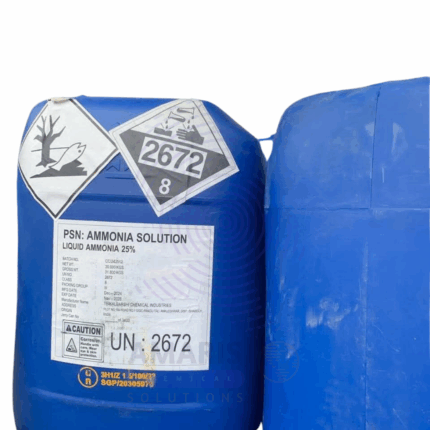
Ammonia solution
Ammonia solutions, often referred to as aqueous ammonia or ammonium hydroxide, are clear, colorless liquids consisting of ammonia gas dissolved in water. The concentration of ammonia in these solutions typically ranges from 5% to 35% by weight. Ammonia solutions possess a pungent odor characteristic of ammonia gas and are alkaline with a pH typically between 11 and 12.5. This solution is widely used across various industries due to its excellent cleaning properties, reactivity, and role as a nitrogen source.
Amphoteric Surfactants
Amphoteric surfactants are unique surface-active agents that can act as either anionic or cationic surfactants depending on the pH of the solution. These molecules contain both acidic (carboxyl or sulfonic) and basic (amine or quaternary ammonium) functional groups, giving them high versatility, mildness, and compatibility with other surfactants. Amphoteric surfactants are widely used in personal care, household cleaning, industrial applications, pharmaceuticals, and specialty formulations where low irritation and effective cleansing are critical. Common examples include Cocamidopropyl Betaine and Lauryl Betaine.
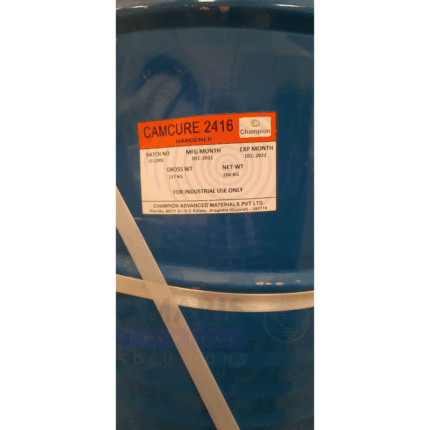
Camcure (Hardener)
Camcure is a specialized epoxy hardener designed to be used in conjunction with epoxy resins to facilitate curing, improve mechanical strength, and enhance chemical resistance. It typically appears as a clear to pale yellow liquid with low viscosity, enabling easy mixing with resin systems. This hardener is widely used in coatings, adhesives, composites, and industrial applications requiring durable, tough, and chemically resistant cured products. Camcure 9115X70 promotes rapid curing at ambient or elevated temperatures and offers excellent adhesion to a variety of substrates including metals, plastics, and concrete.
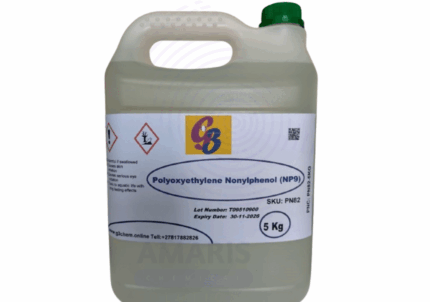
Emulsifier ( Emulgator) NP-9
Emulsifier ( Emulgator) NP-9 is a nonionic surfactant belonging to the family of Nonylphenol Ethoxylates (NPEs), specifically with an average of 9 ethylene oxide (EO) units. It is widely used as an effective emulsifying, wetting, dispersing, and solubilizing agent. NP-9 is typically a pale yellow to amber viscous liquid, soluble in water and various organic solvents. It is valued for its strong emulsifying ability to stabilize oil-in-water (O/W) and water-in-oil (W/O) emulsions, excellent detergency, and good compatibility with other surfactants and formulation ingredients. NP-9 is commonly employed in industrial, agricultural, cosmetic, pharmaceutical, and cleaning applications.
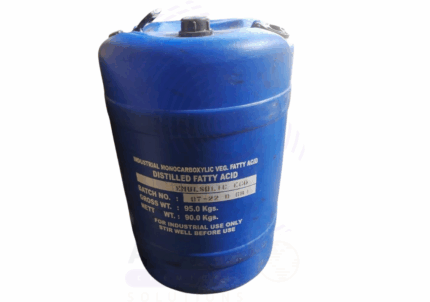
Fatty Acid
Fatty acids are a group of carboxylic acids consisting of long aliphatic chains, which can be either saturated or unsaturated. They are typically derived from natural fats and oils through hydrolysis or saponification and appear as colorless to pale yellow liquids or solids depending on the chain length and degree of saturation. Fatty acids are fundamental building blocks in biochemistry and industrial chemistry, serving as raw materials in the manufacture of soaps, detergents, lubricants, cosmetics, plastics, and food additives. Their amphiphilic nature—containing both hydrophilic (carboxyl group) and hydrophobic (alkyl chain) components—makes them versatile for various chemical and industrial applications.

Hytan RS
Hytan RS is a premium reactive silicone-based release agent engineered for efficient mold release, surface protection, and lubrication across diverse industrial sectors. Its unique formulation ensures the formation of a durable, non-stick, thin silicone film that facilitates easy demolding and improves surface finish quality on metals, plastics, rubber, and composite substrates. Its robust performance enhances production efficiency by reducing cycle times and minimizing defects.
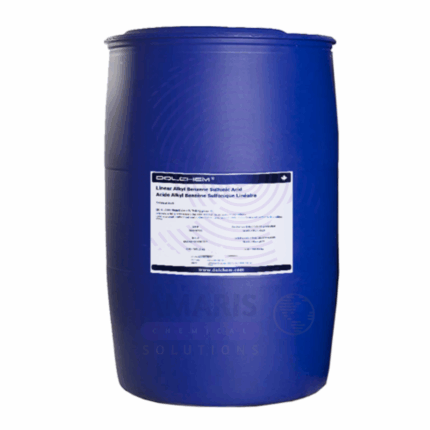
Labsa
Labsa Ufacid, also known as Ufacid 90%, is a highly concentrated anionic surfactant widely used in the detergent and cleaning industries. It is a viscous, oily liquid or semi-solid with strong acidic properties and excellent surface-active capabilities. Labsa 90% acts as a primary raw material for manufacturing laundry detergents, dishwashing liquids, and industrial cleaners due to its excellent foaming, wetting, and emulsifying properties. It is valued for its strong cleaning power and compatibility with various formulations.
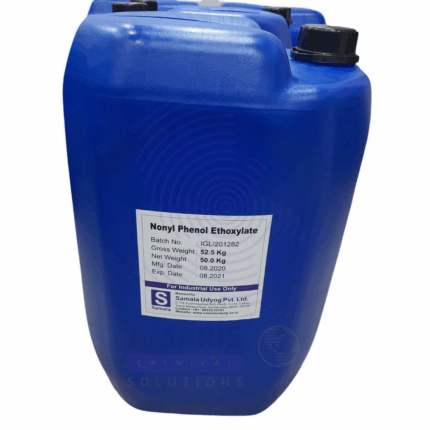
Nonylphenol Ethoxylate
Nonylphenol Ethoxylate is a non-ionic surfactant belonging to the alkylphenol ethoxylate family, characterized by an average of 9 ethylene oxide units. It is widely used as a detergent, emulsifier, dispersant, and wetting agent in various industrial and commercial applications. NPE9 offers excellent cleaning power, low foaming properties, and good compatibility with other surfactants, making it a versatile ingredient in formulations such as textile processing, paints, coatings, and metal treatment.












