

 Preservatives(food)
 Flavors
 Acidulants
 Sweeteners
 Antioxidants
 Colorants(food)
 Nutraceutical Ingredients (food)
 Nutrient Supplements
 Emulsifiers
 Collectors
 Dust Suppressants
 Explosives and Blasting Agents
 Flocculants and Coagulants
 Frothers
 Leaching Agents
 pH Modifiers
 Precious Metal Extraction Agents
 Antioxidants(plastic)
 Colorants (Pigments, Dyes)
 Fillers and Reinforcements
 Flame Retardants
 Monomers
 Plasticizers
 Polymerization Initiators
 Stabilizers (UV, Heat)
 Antifoaming Agents
 Chelating Agents
 Coagulants and Flocculants
 Corrosion Inhibitors
 Disinfectants and Biocides
 Oxidizing Agents
 pH Adjusters
 Scale Inhibitors( water)
 Antioxidants(cosmetic)
 Emollients
 Oils
Oils Carrier Oills
 Essential Oils
 Humectants
 Preservatives
 Surfactants(cosmetic)
 Thickeners
 UV Filters
 Fragrance (Cosmetics)
 Fertilizers
 Soil Conditioners
 Plant Growth Regulators
 Animal Feed Additives
 Biostimulants
 Pesticides (Herbicides, Insecticides, Fungicides)
 Active Pharmaceutical Ingredients (APIs)
 Excipients
 Solvents(pharmaceutical)
 Antibiotics
 Antiseptics and Disinfectants
 Vaccine Adjuvants
 Nutraceutical Ingredients (pharmaceutical)
 Analgesics & Antipyretics
 Analytical Reagents
 Solvents(lab)
 Chromatography Chemicals
 Spectroscopy Reagents
 microbiology-and-cell-culture-reagents
 Molecular Biology Reagents
 Biochemical Reagents
 Inorganic and Organic Standards
 Laboratory Safety Chemicals
 Specialty Laboratory Chemicals(Special Laboratory Equipment)
 Demulsifiers
 Hydraulic Fracturing Fluids
 Scale Inhibitors(oil)
 Surfactants(oil)
 Drilling Fluids
 Dyes and Pigments
 Bleaching Agents
 Softening Agents
 Finishing Agents
 Antistatic Agents
 Admixtures
 Waterproofing Agents
 Sealants and Adhesives
 Curing Compounds
 Concrete Repair Chemicals
 Anti-Corrosion Coatings
 Surfactants(cleaning)
 Builders
 Enzymes
 Solvents (Cleaning)
 Electronic Chemicals
 Catalysts
 Lubricants
 Photographic Chemicals
 Refrigerants
 Automotive chemicals
 Pyrotechnic Chemicals
 Biodegradable Surfactants
 Bio-based Solvents
 Renewable Polymers
 Carbon Capture Chemicals
 Wastewater Treatment Chemicals
 Pigments
 Solvents(paint)
 Specialty Coatings
 Binders/Resins
 Additives
 Driers
 Anti-Corrosion Agents
 Functional Coatings
 Application-Specific Coatings
 Leavening Agents
 Dough Conditioners
 Flour Treatments
 Fat Replacers
 Decoratives
 Preservatives(baking)
 Plasticizers & Softeners
 Reinforcing Agents
 Adhesion Promoters
 Vulcanizing Agents
 Antidegradants
 Blowing Agents
 Fillers & Extenders
 Accelerators & Retarders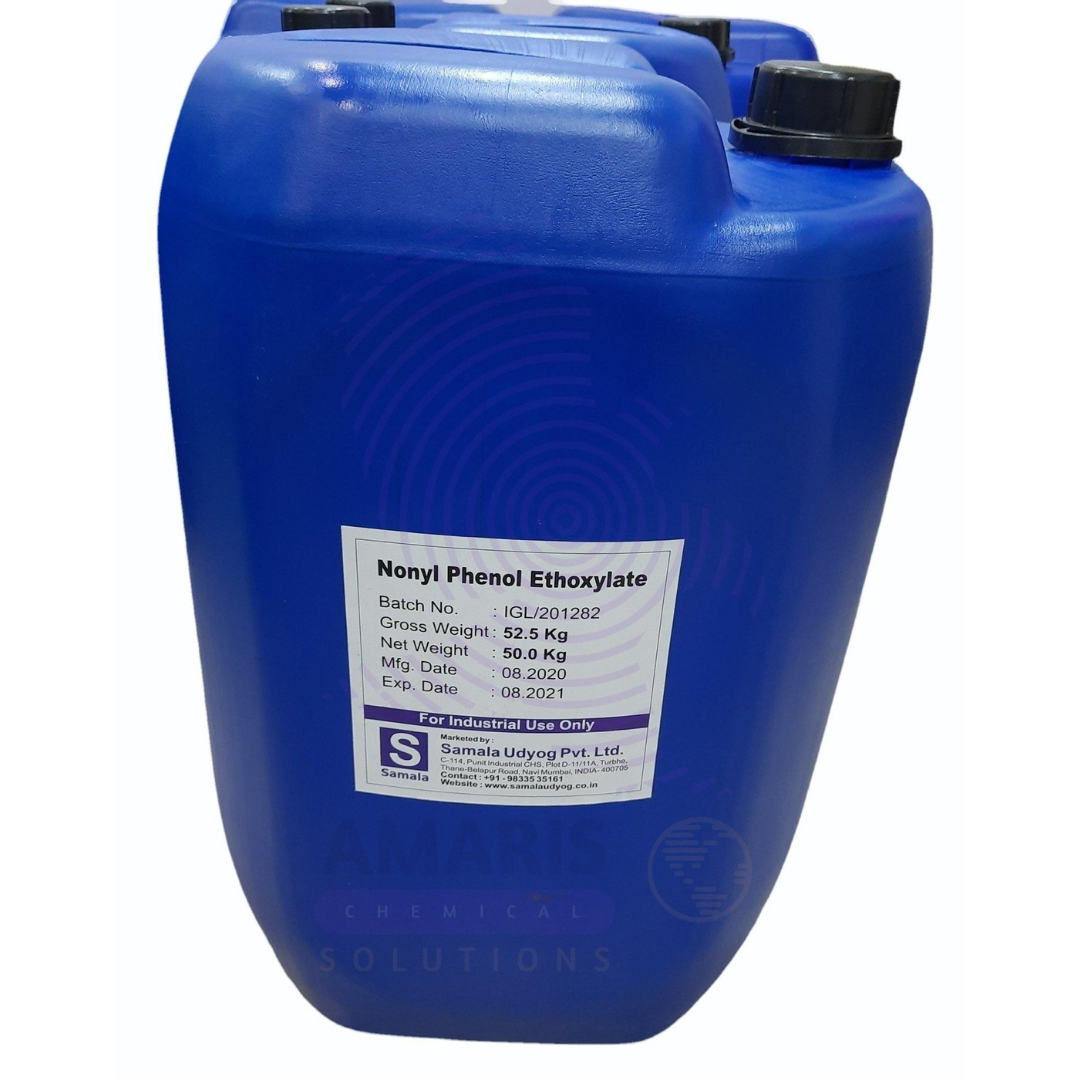


Nonylphenol Ethoxylate
Nonylphenol Ethoxylate is a non-ionic surfactant belonging to the alkylphenol ethoxylate family, characterized by an average of 9 ethylene oxide units. It is widely used as a detergent, emulsifier, dispersant, and wetting agent in various industrial and commercial applications. NPE9 offers excellent cleaning power, low foaming properties, and good compatibility with other surfactants, making it a versatile ingredient in formulations such as textile processing, paints, coatings, and metal treatment.
Nonylphenol Ethoxylate
Primary Uses
- Industrial Cleaning and Detergents
- Acts as a powerful emulsifier and wetting agent in heavy-duty cleaners and degreasers.
- Used in metal cleaning and surface preparation to remove oils, greases, and soils.
- Textile Processing
- Employed as a detergent and wetting agent in scouring and bleaching operations.
- Helps in dye penetration and uniform application of textile chemicals.
- Paints and Coatings
- Functions as an emulsifier and dispersant to stabilize pigment dispersions.
- Improves flow and leveling in water-based paints and coatings.
- Agricultural Formulations
- Used in pesticide formulations as a surfactant to enhance spray coverage and adhesion.
Secondary Uses
- Oil Recovery and Drilling Fluids
- Utilized as a surfactant to improve oil displacement and emulsification in enhanced oil recovery processes.
- Leather Processing
- Assists in degreasing and wetting during leather manufacture.
- Paper Industry
- Used as a dispersing agent to improve fiber treatment and retention.
- Cosmetics and Personal Care (Limited)
- Occasionally found in formulations where strong emulsification is needed, but usage is declining due to environmental concerns.
1. Basic Identification Attributes
- Chemical Name (IUPAC): Nonylphenol ethoxylate (average EO = 9)
- Common/Trade Name: NPE9, Nonylphenol Ethoxylate 9
- CAS Number: 127087-87-0 (varies by exact EO chain length)
- HS Code: 3402.19.00 (Other non-ionic surface-active agents)
- Synonyms: NPE-9, Nonylphenol polyethylene glycol ether
2. Physical & Chemical Properties
- Physical State: Clear to pale yellow liquid
- Odor: Mild phenolic odor
- pH (1% solution): 6.0 – 8.0
- Solubility: Miscible with water and organic solvents
- Density: Approx. 1.05 – 1.07 g/cm³
- Cloud Point: Typically 60–70°C (depends on formulation)
3. Safety & Hazard Attributes
- GHS Classification: May cause skin and eye irritation
- Toxicity: Moderate; avoid prolonged exposure
- Environmental Concerns: Classified as a hazardous pollutant in some regions due to persistence and endocrine disruption potential
4. Storage & Handling Attributes
- Storage Conditions: Store in cool, dry place, away from heat and direct sunlight
- Container Type: Supplied in plastic drums or containers
- Shelf Life: 12 – 24 months under proper storage
- Handling Precautions: Use protective gloves and goggles; avoid inhalation and prolonged skin contact
5. Regulatory & Compliance Attributes
- Restricted or banned in some countries due to environmental toxicity and persistence
- Subject to regulations such as REACH (EU) and TSCA (USA) with use restrictions or phase-outs
- Compliance with industrial chemical standards when used under regulation
6. Environmental & Health Impact
- Biodegradability: Slowly biodegradable; breakdown products may be persistent
- Ecotoxicity: High toxicity to aquatic organisms; bioaccumulative potential in some breakdown products
- Bioaccumulation: Possible concern with degradation products (nonylphenol)
- Carcinogenicity/Mutagenicity: Not classified as carcinogenic but considered an endocrine disruptor
Safety Handling Precautions
- PPE Required: Gloves, safety goggles, and protective clothing recommended
- Handling Guidelines: Use in well-ventilated areas; avoid release to the environment
- Storage Measures: Keep containers tightly closed; prevent spills and leaks
First Aid Measures
- Inhalation: Move to fresh air; seek medical attention if breathing difficulty occurs
- Skin Contact: Wash thoroughly with soap and water; seek medical help if irritation persists
- Eye Contact: Rinse immediately with water for 15 minutes; consult a physician if irritation continues
- Ingestion: Rinse mouth; do not induce vomiting; seek medical advice promptly
Firefighting Measures
- Fire Hazards: Combustible liquid; avoid open flames and sparks
- Extinguishing Media: Foam, dry chemical, CO₂, or water spray
- Special Precautions: Use self-contained breathing apparatus and protective clothing
- Hazardous Combustion Products: Carbon oxides, nitrogen oxides, phenolic compounds
Related products
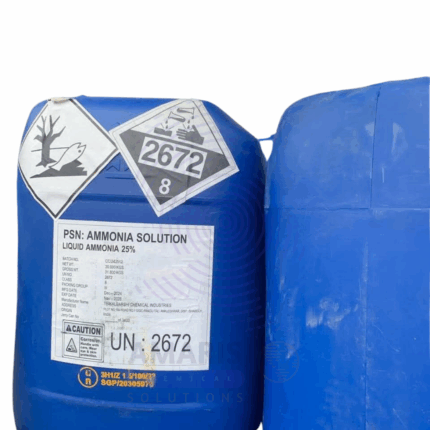
Ammonia solution
Ammonia solutions, often referred to as aqueous ammonia or ammonium hydroxide, are clear, colorless liquids consisting of ammonia gas dissolved in water. The concentration of ammonia in these solutions typically ranges from 5% to 35% by weight. Ammonia solutions possess a pungent odor characteristic of ammonia gas and are alkaline with a pH typically between 11 and 12.5. This solution is widely used across various industries due to its excellent cleaning properties, reactivity, and role as a nitrogen source.
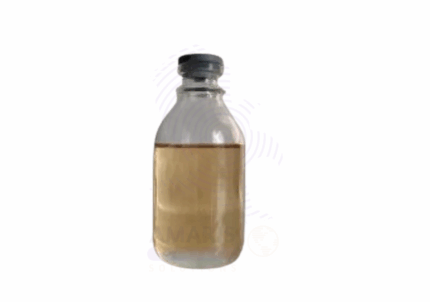
Amphoteric Surfactants
Amphoteric surfactants are unique surface-active agents that can act as either anionic or cationic surfactants depending on the pH of the solution. These molecules contain both acidic (carboxyl or sulfonic) and basic (amine or quaternary ammonium) functional groups, giving them high versatility, mildness, and compatibility with other surfactants. Amphoteric surfactants are widely used in personal care, household cleaning, industrial applications, pharmaceuticals, and specialty formulations where low irritation and effective cleansing are critical. Common examples include Cocamidopropyl Betaine and Lauryl Betaine.
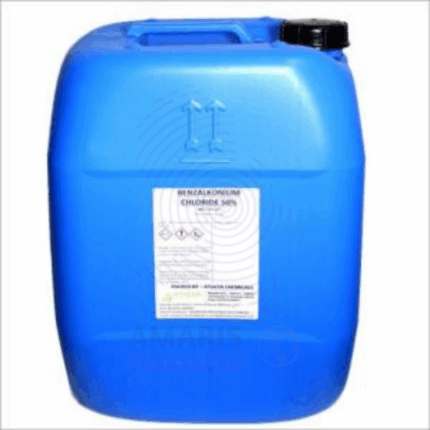
Benzyl Konium Chloride
Benzyl Konium Chloride (BAC) 50% is a quaternary ammonium compound with potent antimicrobial and disinfectant properties. It is a cationic surfactant widely used for its bactericidal, fungicidal, and virucidal effects. This clear to pale yellow liquid concentrate is highly soluble in water and is commonly used in healthcare, sanitation, and industrial hygiene applications. BAC 50% solutions serve as active ingredients in disinfectants, sanitizers, and antiseptics due to their effectiveness against a broad spectrum of microorganisms.

Concrete & cabro stain cleaner
Concrete & Cabro Stain Cleaner is a specialized, acidic cleaning formulation designed to remove stubborn stains, discoloration, and mineral deposits from concrete surfaces and cabro paving blocks (interlocking pavers). It is typically a liquid concentrate that works by chemically dissolving and lifting embedded grime, organic growth, and inorganic salts. This product is intended for heavy-duty industrial, commercial, and residential exterior cleaning and is not suitable for use on sensitive surfaces like marble, limestone, or certain metals, or for general household cleaning.
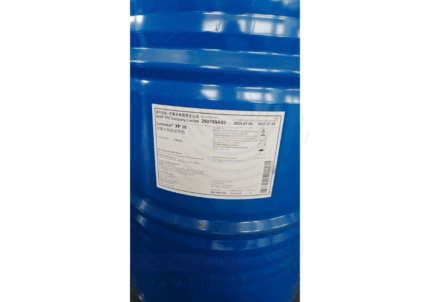
Galaxy MW 257( Lutensol A07)
Galaxy MW 257( Lutensol A07), also known commercially as Lutensol A07, is a nonionic surfactant belonging to the class of ethoxylated alcohols. It is synthesized by ethoxylation of C7 fatty alcohols, resulting in a hydrophilic-lipophilic balance (HLB) suitable for versatile applications in detergency, emulsification, wetting, and dispersing. This liquid surfactant is valued for its excellent surface-active properties, biodegradability, low toxicity, and compatibility with other formulation ingredients. It is widely used in industrial, household, agricultural, and personal care products to improve formulation stability and performance.
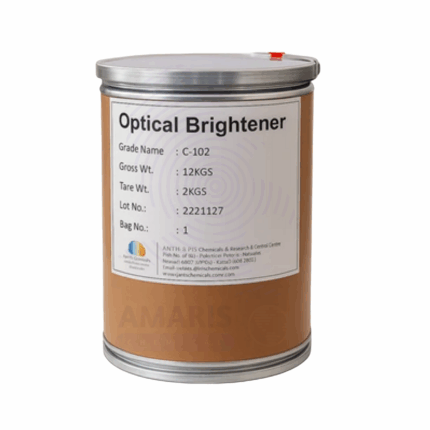
Optical Brightner Conc Grade
Optical Brightner Conc Grade is a highly concentrated fluorescent whitening agent used to enhance the brightness and whiteness of textiles, paper, plastics, and detergents. It works by absorbing ultraviolet light and re-emitting it as visible blue light, thereby compensating for yellowing and dullness in materials. This brightener is valued for its excellent compatibility, high efficiency, and stability in various industrial applications, particularly in detergents and textile processing.

Sodium Xylene Sulphonate
Sodium Xylene Sulphonate (SXS) is a white to off-white crystalline powder or granule with the chemical formula C₈H₇NaO₃S. It is a highly water-soluble anionic surfactant commonly used as a hydrotrope to enhance the solubility and stability of other surfactants and ingredients in detergent and cleaning formulations. Packaged in 25kg bags, SXS improves the clarity of liquid detergents and personal care products while boosting performance in hard water and various industrial applications.
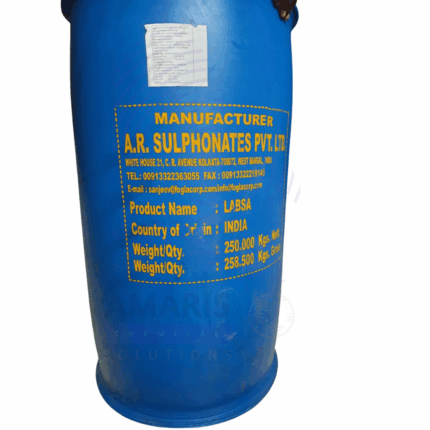
Sulphonic Acid (LABSA)
Sulphonic Acid, commonly known as Linear Alkyl Benzene Sulphonic Acid (LABSA) 90%, is a high-quality anionic surfactant widely used as a key raw material in the detergent and cleaning products industry. It is produced by sulfonation of linear alkyl benzene, resulting in a biodegradable, highly effective wetting and foaming agent. The 90% concentration grade offers excellent performance in formulation of powders, liquids, and specialty detergents.












