

 Preservatives(food)
 Flavors
 Acidulants
 Sweeteners
 Antioxidants
 Colorants(food)
 Nutraceutical Ingredients (food)
 Nutrient Supplements
 Emulsifiers
 Collectors
 Dust Suppressants
 Explosives and Blasting Agents
 Flocculants and Coagulants
 Frothers
 Leaching Agents
 pH Modifiers
 Precious Metal Extraction Agents
 Antioxidants(plastic)
 Colorants (Pigments, Dyes)
 Fillers and Reinforcements
 Flame Retardants
 Monomers
 Plasticizers
 Polymerization Initiators
 Stabilizers (UV, Heat)
 Antifoaming Agents
 Chelating Agents
 Coagulants and Flocculants
 Corrosion Inhibitors
 Disinfectants and Biocides
 Oxidizing Agents
 pH Adjusters
 Scale Inhibitors( water)
 Antioxidants(cosmetic)
 Emollients
 Oils
Oils Carrier Oills
 Essential Oils
 Humectants
 Preservatives
 Surfactants(cosmetic)
 Thickeners
 UV Filters
 Fragrance (Cosmetics)
 Fertilizers
 Soil Conditioners
 Plant Growth Regulators
 Animal Feed Additives
 Biostimulants
 Pesticides (Herbicides, Insecticides, Fungicides)
 Active Pharmaceutical Ingredients (APIs)
 Excipients
 Solvents(pharmaceutical)
 Antibiotics
 Antiseptics and Disinfectants
 Vaccine Adjuvants
 Nutraceutical Ingredients (pharmaceutical)
 Analgesics & Antipyretics
 Analytical Reagents
 Solvents(lab)
 Chromatography Chemicals
 Spectroscopy Reagents
 microbiology-and-cell-culture-reagents
 Molecular Biology Reagents
 Biochemical Reagents
 Inorganic and Organic Standards
 Laboratory Safety Chemicals
 Specialty Laboratory Chemicals(Special Laboratory Equipment)
 Demulsifiers
 Hydraulic Fracturing Fluids
 Scale Inhibitors(oil)
 Surfactants(oil)
 Drilling Fluids
 Dyes and Pigments
 Bleaching Agents
 Softening Agents
 Finishing Agents
 Antistatic Agents
 Admixtures
 Waterproofing Agents
 Sealants and Adhesives
 Curing Compounds
 Concrete Repair Chemicals
 Anti-Corrosion Coatings
 Surfactants(cleaning)
 Builders
 Enzymes
 Solvents (Cleaning)
 Electronic Chemicals
 Catalysts
 Lubricants
 Photographic Chemicals
 Refrigerants
 Automotive chemicals
 Pyrotechnic Chemicals
 Biodegradable Surfactants
 Bio-based Solvents
 Renewable Polymers
 Carbon Capture Chemicals
 Wastewater Treatment Chemicals
 Pigments
 Solvents(paint)
 Specialty Coatings
 Binders/Resins
 Additives
 Driers
 Anti-Corrosion Agents
 Functional Coatings
 Application-Specific Coatings
 Leavening Agents
 Dough Conditioners
 Flour Treatments
 Fat Replacers
 Decoratives
 Preservatives(baking)
 Plasticizers & Softeners
 Reinforcing Agents
 Adhesion Promoters
 Vulcanizing Agents
 Antidegradants
 Blowing Agents
 Fillers & Extenders
 Accelerators & Retarders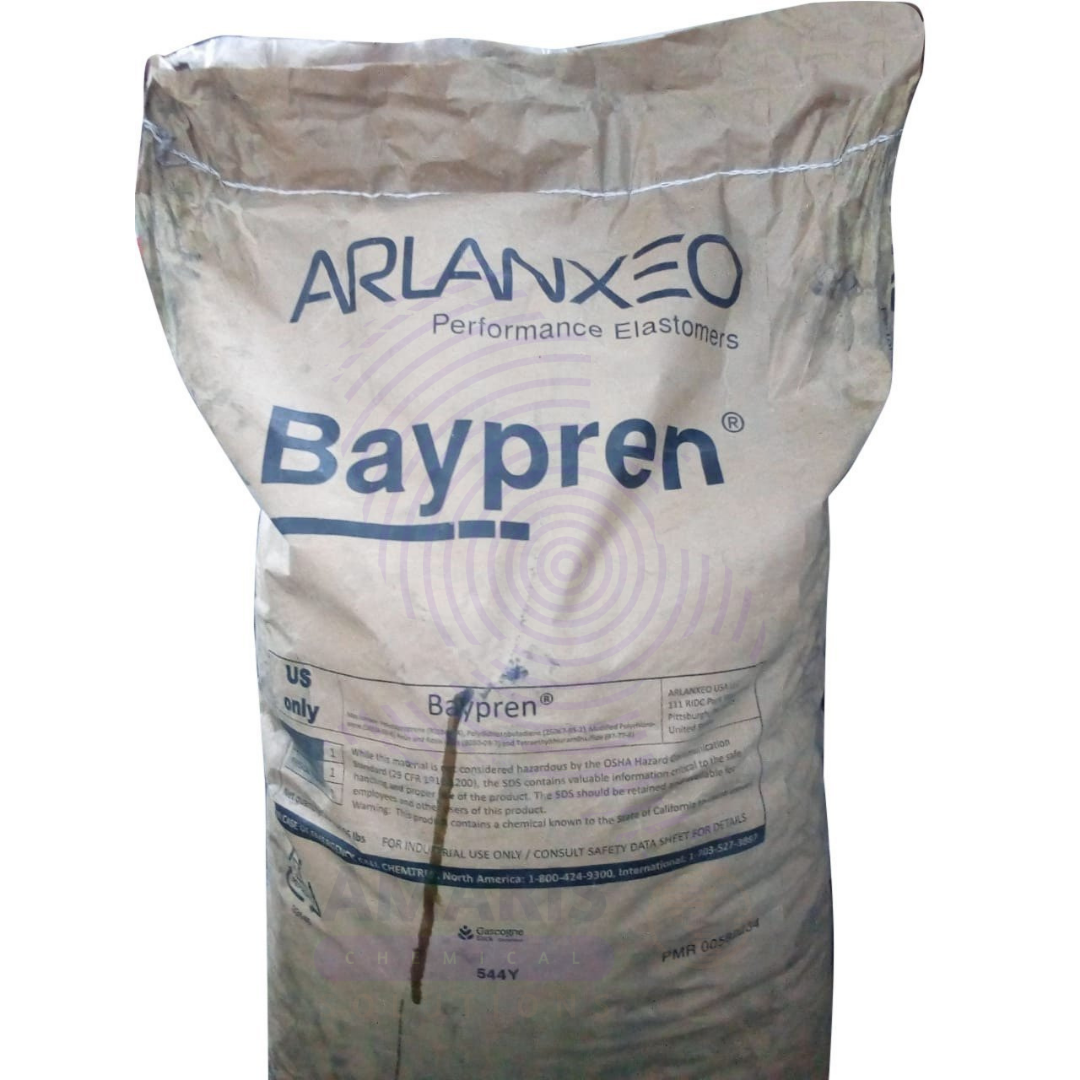


Bayprene
Bayprene is a high-quality, synthetic rubber polymer belonging to the class of nitrile butadiene rubbers (NBR). It is widely used for its excellent resistance to oils, fuels, chemicals, and abrasion, making it ideal for sealing, gasketing, hoses, and industrial applications where durability and chemical resistance are required. Bayprene exhibits good mechanical properties, high tensile strength, and resistance to swelling and degradation, especially in petroleum-based environments. It is commonly supplied as solid rubber sheets, molded parts, or raw polymer for compounding.
Bayprene
Primary Uses
- Sealing and Gasketing:
- Used extensively in the manufacturing of oil seals, gaskets, and O-rings in automotive, aerospace, and industrial machinery due to its resistance to petroleum oils and fuels.
- Hoses and Tubing:
- Ideal material for fuel and oil handling hoses, hydraulic hoses, and flexible tubing in harsh chemical environments.
- Automotive Industry:
- Applied in fuel system components, brake system seals, and vibration dampening parts due to its durability and chemical resistance.
- Industrial Applications:
- Used for conveyor belts, diaphragms, and molded parts exposed to oils and solvents in manufacturing plants and refineries.
- Adhesives and Coatings:
- Employed in specialty adhesives and protective coatings where resistance to fuels and oils is necessary.
Secondary Uses
- Protective Gloves:
- Used in nitrile gloves production, offering resistance to punctures and chemicals in medical and industrial settings.
- Sporting Goods:
- Occasionally incorporated in synthetic rubber blends for grips and protective equipment.
- Sealants:
- Used as a component in sealant formulations for marine and construction industries requiring oil resistance.
- Electrical Insulation:
- Limited use as insulating material due to good dielectric properties and chemical stability.
1. Basic Identification Attributes
- Chemical Name (IUPAC): Acrylonitrile butadiene copolymer
- Common/Trade Name: Bayprene
- CAS Number: 25038-81-7 (typical for nitrile rubber)
- HS Code: 4002.49.00 (Rubber and articles thereof)
- Molecular Formula: (C₄H₅N)_x·(C₄H₆)_y (copolymer composition varies)
- Synonyms: Nitrile Butadiene Rubber (NBR), Buna-N
2. Physical & Chemical Properties
- Physical State: Solid rubber (sheets, blocks, or molded parts)
- Color & Odor: Typically black or dark brown, characteristic rubber odor
- Melting Point: Does not have a sharp melting point; softens over range 160-190°C
- Density: ~1.0 - 1.2 g/cm³
- Solubility: Insoluble in water; soluble in aromatic and chlorinated hydrocarbons
- Mechanical Properties: Tensile strength ~15-25 MPa, elongation at break 300-600%
- Resistance: Excellent resistance to oils, fuels, and many chemicals; moderate resistance to heat and ozone
- Flammability: Flammable, but self-extinguishing when removed from flame
3. Safety & Hazard Attributes
- Hazard Class (GHS): Not classified as hazardous in solid form; dust/fume inhalation hazardous
- NFPA Ratings: Health 1, Flammability 2, Reactivity 0
- Exposure Limits: No specific limits, but dust may irritate respiratory system
- Reactivity: Stable under normal conditions; avoid strong oxidizers and high temperatures
- Incompatibilities: Avoid exposure to strong acids, bases, and oxidizing agents
4. Storage & Handling Attributes
- Storage Conditions: Store in cool, dry place away from heat, flame, and sunlight
- Container Type: Rolls, sheets, or blocks wrapped in polyethylene or other moisture-proof packaging
- Shelf Life: Typically 1-3 years if stored properly
- Special Handling: Use gloves to avoid skin irritation; minimize dust generation when cutting or grinding
5. Regulatory & Compliance Attributes
- Regulatory Status: Complies with international standards for synthetic rubbers
- Transportation: Not classified as hazardous for transport
- Waste Disposal: Dispose in accordance with local environmental regulations; avoid incineration without proper controls
6. Environmental & Health Impact
- Ecotoxicity: Low direct toxicity; synthetic polymer persistence in environment
- Persistence: Not biodegradable; stable polymeric material
- Carcinogenicity/Mutagenicity: No known carcinogenic or mutagenic effects
- Biodegradability: Non-biodegradable
Safety Handling Precautions
- PPE: Wear gloves, protective clothing, and eye protection when handling rubber sheets or powders.
- Dust Control: Avoid inhalation of dust when cutting or grinding; use local exhaust ventilation or respirators if necessary.
- Fire Safety: Keep away from ignition sources; have suitable fire extinguishers (foam, CO₂) nearby.
- Handling: Use mechanical aids for heavy rolls or blocks; avoid prolonged skin contact to reduce irritation risk.
- Storage: Store away from strong oxidizers and direct sunlight to prevent degradation.
First Aid Measures
- Inhalation: Remove to fresh air if dust inhaled; seek medical attention if respiratory irritation persists.
- Skin Contact: Wash with soap and water; seek medical advice if irritation occurs.
- Eye Contact: Rinse with plenty of water for at least 15 minutes; get medical help if irritation continues.
- Ingestion: Not expected; rinse mouth and seek medical advice if swallowed.
Firefighting Measures
- Fire Hazards: Flammable solid; produces toxic fumes including carbon monoxide and nitrogen oxides on burning.
- Extinguishing Media: Use foam, dry chemical powder, or CO₂ extinguishers. Avoid water streams that may spread fire.
- Special Precautions: Firefighters should wear full protective gear and self-contained breathing apparatus (SCBA).
- Preventive Actions: Store away from heat sources and oxidizers to prevent fire risks.
Related products
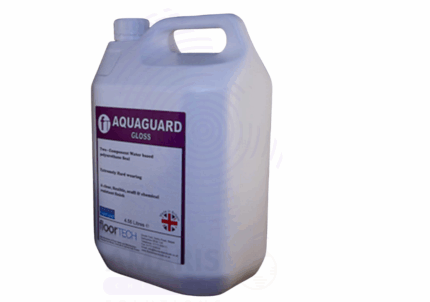
Aquaguard
Aquaguard is a brand name commonly associated with water purification products and filtration systems designed to provide safe, clean drinking water. These systems typically use technologies such as UV purification, RO (reverse osmosis), UF (ultrafiltration), and activated carbon filters to remove contaminants including bacteria, viruses, dissolved salts, heavy metals, and suspended particles. Aquaguard products are widely used in residential, commercial, and industrial settings to improve water quality, taste, and safety. The brand encompasses water purifiers, filters, and treatment units tailored to different water sources and purity requirements.
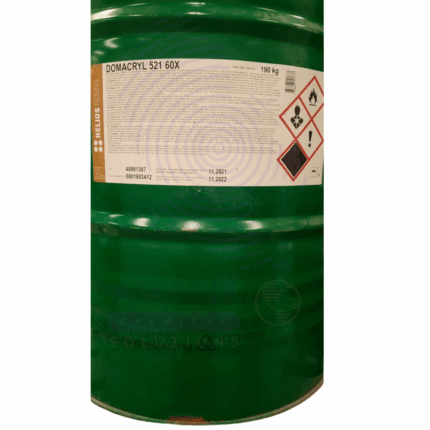
Domacryl
Domacryl is a high-performance acrylic polymer latex designed for use as a binder in water-based coatings, adhesives, sealants, and construction materials. It is a styrene-acrylic copolymer emulsion offering excellent film formation, adhesion, durability, and chemical resistance. Domacryl provides superior mechanical strength and flexibility in formulated products, making it ideal for applications requiring long-lasting protection and enhanced aesthetic qualities. The polymer is supplied as a stable aqueous dispersion with approximately 50% solids content, packed in bulk (190 kg drums) for industrial use.
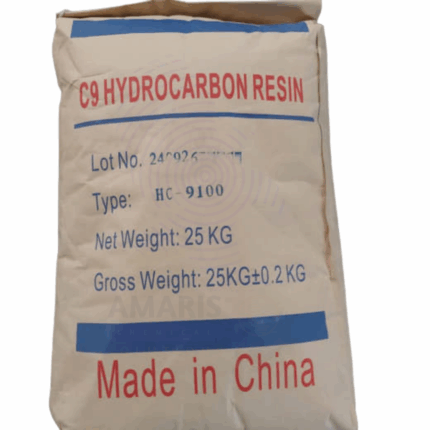
Hydrocarbon Resins
Hydrocarbon Resins C5 And C9 Petroleum Resins are synthetic petroleum-derived resins produced through the polymerization of C5 (pentene) and C9 (nonene) fraction monomers. These resins appear as pale yellow to amber solid materials, usually in pellet or flake form, characterized by tackifying and adhesive properties. C5 resins are derived from aliphatic hydrocarbons, while C9 resins originate from aromatic hydrocarbons. Often blended, these resins provide a balance of hardness, tackiness, and compatibility with various polymers. Widely used as tackifiers, binders, and modifiers, C5 & C9 hydrocarbon resins enhance performance in adhesives, coatings, rubber compounding, and more.

Lacitex
Lacitex is a high-quality natural latex concentrate derived from Hevea brasiliensis (rubber tree) latex. It is a milky, white colloidal suspension primarily used in the manufacture of latex-based products such as gloves, adhesives, coatings, and foam rubber. Lacitex offers excellent film-forming properties, elasticity, and tensile strength. It provides superior binding, water resistance, and flexibility in finished products, making it widely valued in various industrial and manufacturing applications.
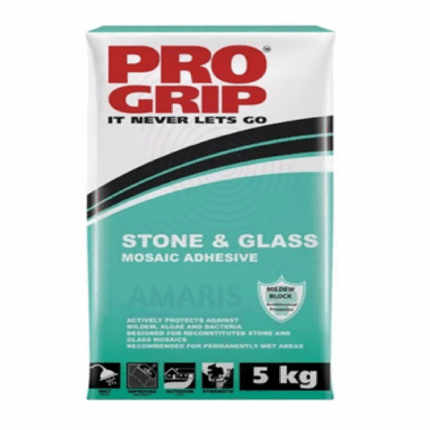
Pro Grip White Mosaic Adhesive Grout
Pro Grip White Mosaic Adhesive Grout is a premium-quality, ready-to-use adhesive and grout designed specifically for mosaic tiles and small-format tile installations. It provides excellent bonding strength, smooth application, and a durable white finish that enhances the appearance of tile joints. The product is resistant to water, mold, and stains, making it ideal for both indoor and outdoor use in areas such as kitchens, bathrooms, swimming pools, and decorative mosaic works.
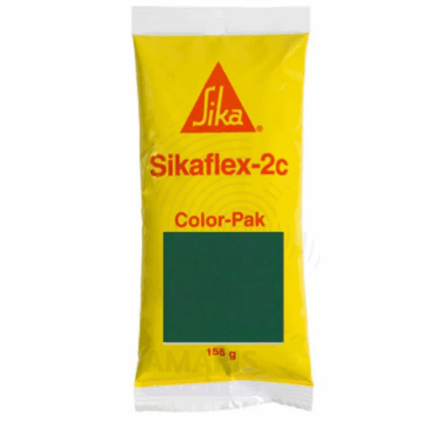
Sika Flex 2c Color Pack
Sika Flex 2c Color Pack is a high-quality, ready-to-use colorant additive designed specifically to tint two-component polyurethane and hybrid sealants and adhesives. It provides consistent, vibrant, and durable colors that enhance the aesthetic appeal and blend seamlessly with construction materials. This color pack is compatible with Sika Flex 2c sealants, enabling customized color matching for joints and sealing applications in construction, automotive, and industrial projects.
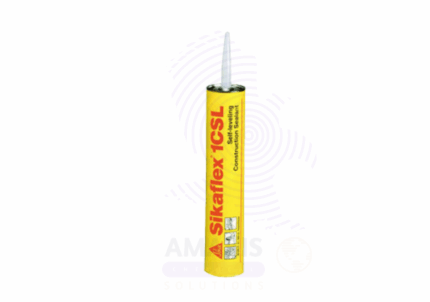
sikaflex 1c sl limestone 10oz
sikaflex 1c sl limestone 10oz is a single-component, self-leveling polyurethane sealant designed for horizontal joints in concrete and other construction materials. The “Limestone” refers to its color, and the 10oz packaging is typically in cartridge form for convenient use. It cures with atmospheric moisture to form a flexible and durable seal. This sealant offers excellent adhesion, weather resistance, and movement capability, making it ideal for both commercial and industrial applications where horizontal sealing is required.












