

 Preservatives(food)
 Flavors
 Acidulants
 Sweeteners
 Antioxidants
 Colorants(food)
 Nutraceutical Ingredients (food)
 Nutrient Supplements
 Emulsifiers
 Collectors
 Dust Suppressants
 Explosives and Blasting Agents
 Flocculants and Coagulants
 Frothers
 Leaching Agents
 pH Modifiers
 Precious Metal Extraction Agents
 Antioxidants(plastic)
 Colorants (Pigments, Dyes)
 Fillers and Reinforcements
 Flame Retardants
 Monomers
 Plasticizers
 Polymerization Initiators
 Stabilizers (UV, Heat)
 Antifoaming Agents
 Chelating Agents
 Coagulants and Flocculants
 Corrosion Inhibitors
 Disinfectants and Biocides
 Oxidizing Agents
 pH Adjusters
 Scale Inhibitors( water)
 Antioxidants(cosmetic)
 Emollients
 Oils
Oils Carrier Oills
 Essential Oils
 Humectants
 Preservatives
 Surfactants(cosmetic)
 Thickeners
 UV Filters
 Fragrance (Cosmetics)
 Fertilizers
 Soil Conditioners
 Plant Growth Regulators
 Animal Feed Additives
 Biostimulants
 Pesticides (Herbicides, Insecticides, Fungicides)
 Active Pharmaceutical Ingredients (APIs)
 Excipients
 Solvents(pharmaceutical)
 Antibiotics
 Antiseptics and Disinfectants
 Vaccine Adjuvants
 Nutraceutical Ingredients (pharmaceutical)
 Analgesics & Antipyretics
 Analytical Reagents
 Solvents(lab)
 Chromatography Chemicals
 Spectroscopy Reagents
 microbiology-and-cell-culture-reagents
 Molecular Biology Reagents
 Biochemical Reagents
 Inorganic and Organic Standards
 Laboratory Safety Chemicals
 Specialty Laboratory Chemicals(Special Laboratory Equipment)
 Demulsifiers
 Hydraulic Fracturing Fluids
 Scale Inhibitors(oil)
 Surfactants(oil)
 Drilling Fluids
 Dyes and Pigments
 Bleaching Agents
 Softening Agents
 Finishing Agents
 Antistatic Agents
 Admixtures
 Waterproofing Agents
 Sealants and Adhesives
 Curing Compounds
 Concrete Repair Chemicals
 Anti-Corrosion Coatings
 Surfactants(cleaning)
 Builders
 Enzymes
 Solvents (Cleaning)
 Electronic Chemicals
 Catalysts
 Lubricants
 Photographic Chemicals
 Refrigerants
 Automotive chemicals
 Pyrotechnic Chemicals
 Biodegradable Surfactants
 Bio-based Solvents
 Renewable Polymers
 Carbon Capture Chemicals
 Wastewater Treatment Chemicals
 Pigments
 Solvents(paint)
 Specialty Coatings
 Binders/Resins
 Additives
 Driers
 Anti-Corrosion Agents
 Functional Coatings
 Application-Specific Coatings
 Leavening Agents
 Dough Conditioners
 Flour Treatments
 Fat Replacers
 Decoratives
 Preservatives(baking)
 Plasticizers & Softeners
 Reinforcing Agents
 Adhesion Promoters
 Vulcanizing Agents
 Antidegradants
 Blowing Agents
 Fillers & Extenders
 Accelerators & Retarders
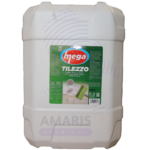

Concrete & cabro stain cleaner
Original price was: $ 24.62.$ 23.39Current price is: $ 23.39.
Concrete & Cabro Stain Cleaner is a specialized, acidic cleaning formulation designed to remove stubborn stains, discoloration, and mineral deposits from concrete surfaces and cabro paving blocks (interlocking pavers). It is typically a liquid concentrate that works by chemically dissolving and lifting embedded grime, organic growth, and inorganic salts. This product is intended for heavy-duty industrial, commercial, and residential exterior cleaning and is not suitable for use on sensitive surfaces like marble, limestone, or certain metals, or for general household cleaning.
Concrete & cabro stain cleaner
Primary Uses
1. Concrete Surface Restoration
-
Stain removal: Effectively removes oil, grease, rust, tire marks, and chemical spills from concrete driveways, floors, and walkways.
-
Efflorescence cleaning: Dissolves and removes white salt deposits (efflorescence) that appear on concrete and masonry surfaces.
-
General deep cleaning: Cleans heavy dirt, mud, and soiling from concrete prior to sealing or coating.
2. Cabro Paving & Paver Maintenance
-
Paver rejuvenation: Cleans interlocking concrete paving blocks (cabro) to restore original color and remove stains between joints.
-
Organic growth removal: Kills and removes mold, mildew, algae, and moss from paver surfaces and sand joints.
-
Mineral deposit cleanup: Eliminates hard water stains and runoff marks from pavers.
3. Masonry and Stone Cleaning
-
Exterior wall cleaning: Used on stained brick, cinder block, and other masonry (after confirming compatibility).
-
Pre-treatment for coatings: Prepares concrete and stone surfaces by etching and cleaning before the application of paints, sealers, or epoxies.
Secondary Uses
1. Industrial Floor Cleaning
-
Warehouse and garage floors: Degreases and cleans concrete floors in industrial settings.
-
Equipment pad cleanup: Removes stains and spills from areas around HVAC units, generators, or other outdoor equipment.
2. Pool Deck & Patio Maintenance
-
Deck stain removal: Cleans concrete pool decks and patios of chlorine stains, sunscreen oils, and general weathering.
3. Construction Site Cleanup
-
Post-construction cleanup: Removes mortar droppings, cement splatter, and grout haze from cured concrete surfaces.
1. Basic Identification Attributes
-
-
Chemical Name: Typically a blend of acids and surfactants
-
Common/Trade Name: Concrete & Cabro Stain Cleaner; Paver Cleaner; Concrete Reviver
-
Typical Active Ingredients: Hydrochloric acid, Phosphoric acid, Sulfamic acid, or Citric acid blends
-
Form: Liquid concentrate
-
-
Synonyms:
-
-
Acidic concrete cleaner
-
Masonry cleaner
-
Paver restoration cleaner
-
Efflorescence remover
-
2. Physical & Chemical Properties
-
Physical State: Liquid
-
Color & Odor: Clear to slightly colored liquid with a sharp, pungent acidic odor
-
pH: Very low (highly acidic, typically pH < 2 for concentrated formulas)
-
Solubility: Miscible with water
-
Density: Heavier than water (~1.1 - 1.2 g/cm³)
-
Stability: Stable under normal storage conditions. Reacts violently with bases.
3. Safety & Hazard Attributes
-
Hazard Class (GHS):
-
-
H314: Causes severe skin burns and eye damage
-
H335: May cause respiratory irritation
-
H290: May be corrosive to metals
-
-
Toxicity: Corrosive; causes severe chemical burns.
-
Environmental Hazards: Toxic to aquatic life with long-lasting effects.
4. Storage & Handling Attributes
-
-
Storage Conditions: Store in a tightly closed, corrosion-resistant container in a cool, well-ventilated area away from alkalines, metals, and heat sources.
-
Container Type: High-density polyethylene (HDPE) or glass.
-
Shelf Life: Typically 2 years if stored properly.
-
-
Handling Precautions:
-
-
Always add acid to water, never water to acid.
-
Use in well-ventilated areas.
-
Avoid contact with skin, eyes, and clothing.
-
Do not mix with other cleaners, especially bleach (produces toxic chlorine gas).
-
5. Regulatory & Compliance Attributes
-
-
Labeling Requirements: Must carry GHS corrosive and toxic pictograms. Instructions for safe dilution and emergency procedures.
-
-
Transport Classification:
-
-
UN Number: 1760 (Corrosive liquid, n.o.s.)
-
Class 8 – Corrosive
-
6. Environmental & Health Impact
-
Biodegradability: Varies by formulation; acidic component may neutralize but surfactants may be slow to degrade.
-
Ecotoxicity: Highly toxic to aquatic organisms.
-
Runoff Precautions: Must not enter drains, waterways, or soil without neutralization.
Safety Handling Precautions
-
PPE Required: Chemical-resistant gloves (nitrile or neoprene), safety goggles or full-face shield, acid-resistant apron or clothing, and respiratory protection if mist is generated.
-
Handling Guidelines: Dilute according to manufacturer instructions before use. Apply with acid-resistant sprayer or brush.
-
Storage Measures: Store separately from alkaline products, oxidizers, and reactive metals.
-
Hygiene Practices: Wash thoroughly after handling. Remove contaminated clothing immediately.
First Aid Measures
-
Inhalation: Move to fresh air. If breathing is difficult, give oxygen. Seek medical attention.
-
Skin Contact: Immediately remove contaminated clothing. Rinse skin with plenty of water for 15-20 minutes. Seek medical attention.
-
Eye Contact: Rinse cautiously with water for at least 15 minutes, holding eyelids open. Seek immediate medical attention.
-
Ingestion: Do NOT induce vomiting. Rinse mouth. Drink water or milk if conscious. Seek immediate medical attention.
Firefighting Measures
-
Fire Hazards: Not flammable, but may react with combustible materials. Heated containers may explode.
-
Hazardous Combustion Products: Toxic fumes (hydrogen chloride, oxides of sulfur).
-
Extinguishing Media: Use water spray, dry chemical, CO₂, or alcohol-resistant foam. Use water spray to cool exposed containers.
-
Special Precautions: Wear full protective gear and self-contained breathing apparatus (SCBA). Fight fire from a safe distance.
Related products
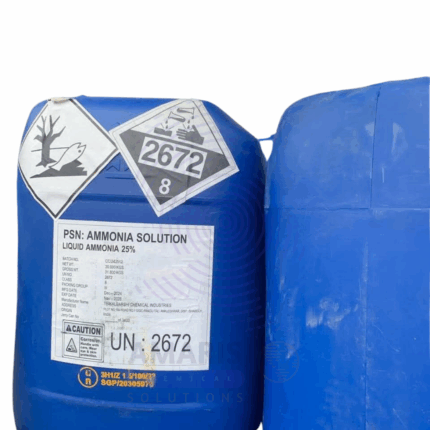
Ammonia solution
Ammonia solutions, often referred to as aqueous ammonia or ammonium hydroxide, are clear, colorless liquids consisting of ammonia gas dissolved in water. The concentration of ammonia in these solutions typically ranges from 5% to 35% by weight. Ammonia solutions possess a pungent odor characteristic of ammonia gas and are alkaline with a pH typically between 11 and 12.5. This solution is widely used across various industries due to its excellent cleaning properties, reactivity, and role as a nitrogen source.
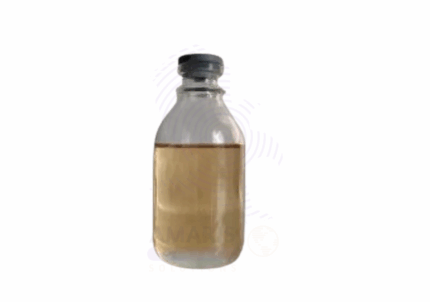
Amphoteric Surfactants
Amphoteric surfactants are unique surface-active agents that can act as either anionic or cationic surfactants depending on the pH of the solution. These molecules contain both acidic (carboxyl or sulfonic) and basic (amine or quaternary ammonium) functional groups, giving them high versatility, mildness, and compatibility with other surfactants. Amphoteric surfactants are widely used in personal care, household cleaning, industrial applications, pharmaceuticals, and specialty formulations where low irritation and effective cleansing are critical. Common examples include Cocamidopropyl Betaine and Lauryl Betaine.
![Diethanolamine [C4H11NO2 or (CH2CH2OH)2NH] Amaris Chemicals](https://amarischemicalsolutions.com/wp-content/uploads/2025/07/Diethanolamine-C4H11NO2-or-CH2CH2OH2NH-Amaris-Chemicals-430x430.png)
Diethanolamine
Diethanolamine is a colorless to pale yellow, viscous liquid with a mild ammonia-like odor. It is a secondary amine and diol, widely used in various industrial, pharmaceutical, and cosmetic applications. DEA is highly soluble in water and many organic solvents. It acts as an intermediate in the synthesis of surfactants, emulsifiers, corrosion inhibitors, and pharmaceuticals. It is valued for its alkalinity, emulsifying properties, and ability to form stable complexes with fatty acids.

Marlophen NP9
Marlophen NP9 is a nonionic surfactant based on alkylphenol ethoxylates, widely used as a wetting agent, emulsifier, and detergent in various industrial and agricultural applications. It offers excellent compatibility with a range of chemicals and demonstrates strong emulsifying and dispersing properties. Marlophen NP9 enhances the performance of formulations such as pesticides, cleaning agents, and textile auxiliaries by improving spreading, penetration, and stability. It is valued for its ability to reduce surface tension and increase solubility of active ingredients in aqueous systems.
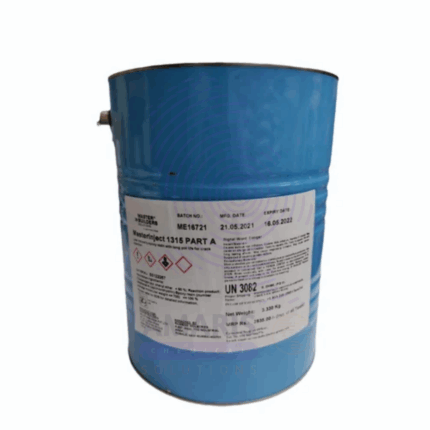
Master Inject
Master Inject is a premium chemical grout designed for sealing, stabilizing, and strengthening concrete and masonry structures. It is a low-viscosity, high-penetration injection resin that fills cracks, voids, and cavities effectively, preventing water ingress and improving structural integrity. Master Inject is commonly used in construction repair, waterproofing, and foundation strengthening applications. Its fast-curing formula allows for rapid project completion with durable, long-lasting results.
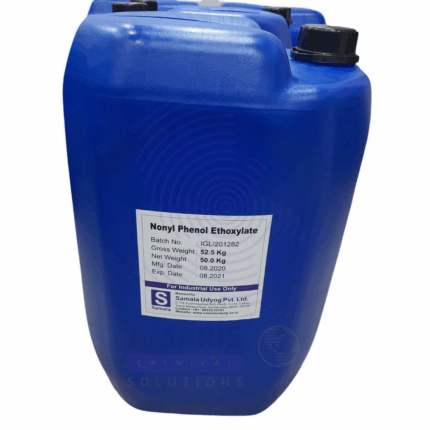
Nonylphenol Ethoxylate
Nonylphenol Ethoxylate is a non-ionic surfactant belonging to the alkylphenol ethoxylate family, characterized by an average of 9 ethylene oxide units. It is widely used as a detergent, emulsifier, dispersant, and wetting agent in various industrial and commercial applications. NPE9 offers excellent cleaning power, low foaming properties, and good compatibility with other surfactants, making it a versatile ingredient in formulations such as textile processing, paints, coatings, and metal treatment.


Sodium Lauryl Ether Sulphate
Sodium Lauryl Ether Sulphate (SLES) is a versatile anionic surfactant commonly used in personal care, household, and industrial cleaning products. It is a clear to slightly yellow viscous liquid or powder derived from ethoxylated lauryl alcohol and sulfuric acid, neutralized with sodium hydroxide. SLES is valued for its excellent foaming, cleansing, and emulsifying properties. It is biodegradable and widely accepted for use in cosmetic and cleaning formulations, providing mildness and effective removal of dirt and oils.

White Cement
White Cement is a specialized type of Portland cement characterized by its bright white color and high purity. Manufactured from raw materials low in iron and manganese, it offers superior aesthetic qualities and is widely used for architectural and decorative applications. White Cement provides excellent strength, durability, and resistance to harsh environmental conditions, making it suitable for high-quality finishes, precast structures, and artistic concrete work.












