

 Preservatives(food)
 Flavors
 Acidulants
 Sweeteners
 Antioxidants
 Colorants(food)
 Nutraceutical Ingredients (food)
 Nutrient Supplements
 Emulsifiers
 Collectors
 Dust Suppressants
 Explosives and Blasting Agents
 Flocculants and Coagulants
 Frothers
 Leaching Agents
 pH Modifiers
 Precious Metal Extraction Agents
 Antioxidants(plastic)
 Colorants (Pigments, Dyes)
 Fillers and Reinforcements
 Flame Retardants
 Monomers
 Plasticizers
 Polymerization Initiators
 Stabilizers (UV, Heat)
 Antifoaming Agents
 Chelating Agents
 Coagulants and Flocculants
 Corrosion Inhibitors
 Disinfectants and Biocides
 Oxidizing Agents
 pH Adjusters
 Scale Inhibitors( water)
 Antioxidants(cosmetic)
 Emollients
 Oils
Oils Carrier Oills
 Essential Oils
 Humectants
 Preservatives
 Surfactants(cosmetic)
 Thickeners
 UV Filters
 Fragrance (Cosmetics)
 Fertilizers
 Soil Conditioners
 Plant Growth Regulators
 Animal Feed Additives
 Biostimulants
 Pesticides (Herbicides, Insecticides, Fungicides)
 Active Pharmaceutical Ingredients (APIs)
 Excipients
 Solvents(pharmaceutical)
 Antibiotics
 Antiseptics and Disinfectants
 Vaccine Adjuvants
 Nutraceutical Ingredients (pharmaceutical)
 Analgesics & Antipyretics
 Analytical Reagents
 Solvents(lab)
 Chromatography Chemicals
 Spectroscopy Reagents
 microbiology-and-cell-culture-reagents
 Molecular Biology Reagents
 Biochemical Reagents
 Inorganic and Organic Standards
 Laboratory Safety Chemicals
 Specialty Laboratory Chemicals(Special Laboratory Equipment)
 Demulsifiers
 Hydraulic Fracturing Fluids
 Scale Inhibitors(oil)
 Surfactants(oil)
 Drilling Fluids
 Dyes and Pigments
 Bleaching Agents
 Softening Agents
 Finishing Agents
 Antistatic Agents
 Admixtures
 Waterproofing Agents
 Sealants and Adhesives
 Curing Compounds
 Concrete Repair Chemicals
 Anti-Corrosion Coatings
 Surfactants(cleaning)
 Builders
 Enzymes
 Solvents (Cleaning)
 Electronic Chemicals
 Catalysts
 Lubricants
 Photographic Chemicals
 Refrigerants
 Automotive chemicals
 Pyrotechnic Chemicals
 Biodegradable Surfactants
 Bio-based Solvents
 Renewable Polymers
 Carbon Capture Chemicals
 Wastewater Treatment Chemicals
 Pigments
 Solvents(paint)
 Specialty Coatings
 Binders/Resins
 Additives
 Driers
 Anti-Corrosion Agents
 Functional Coatings
 Application-Specific Coatings
 Leavening Agents
 Dough Conditioners
 Flour Treatments
 Fat Replacers
 Decoratives
 Preservatives(baking)
 Plasticizers & Softeners
 Reinforcing Agents
 Adhesion Promoters
 Vulcanizing Agents
 Antidegradants
 Blowing Agents
 Fillers & Extenders
 Accelerators & Retarders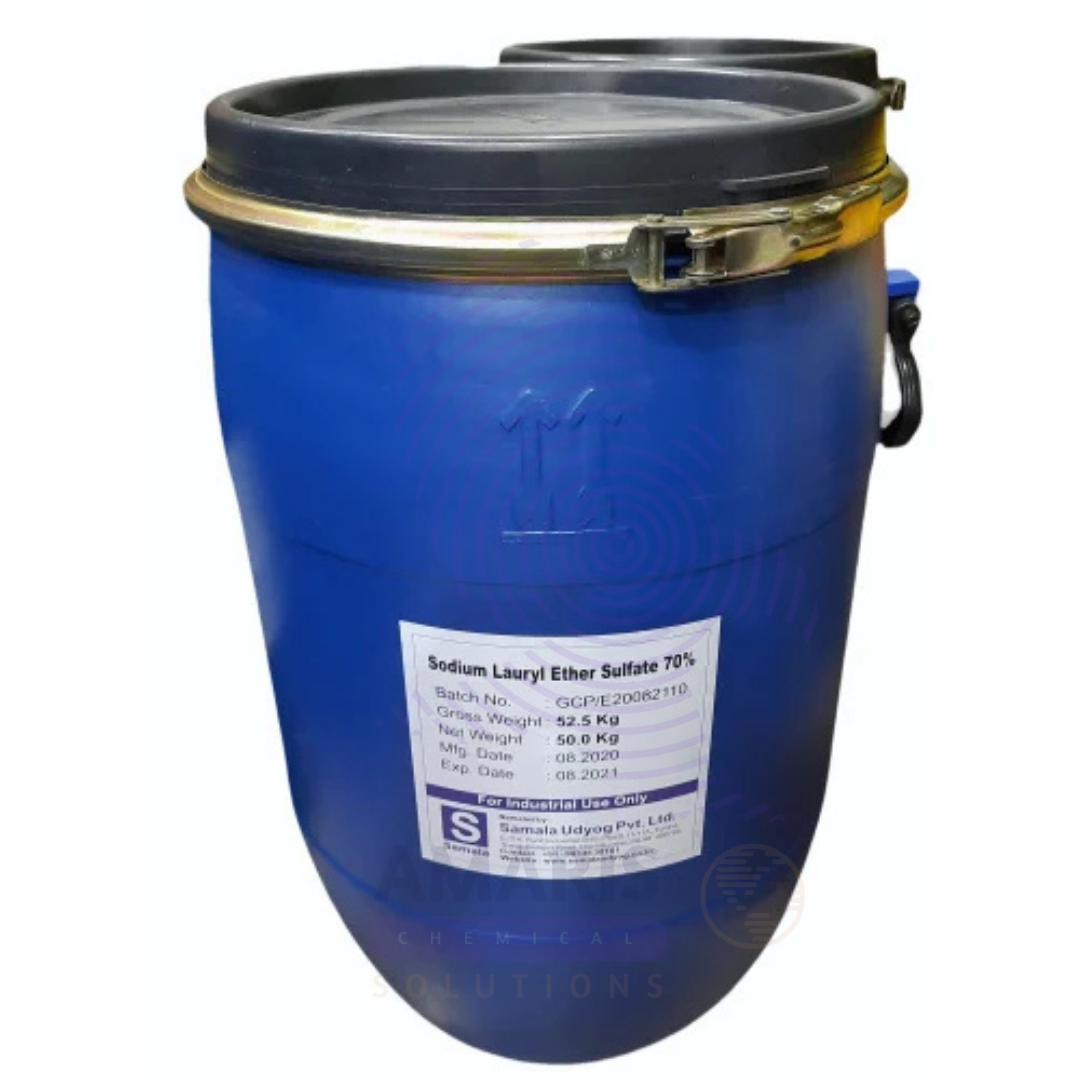
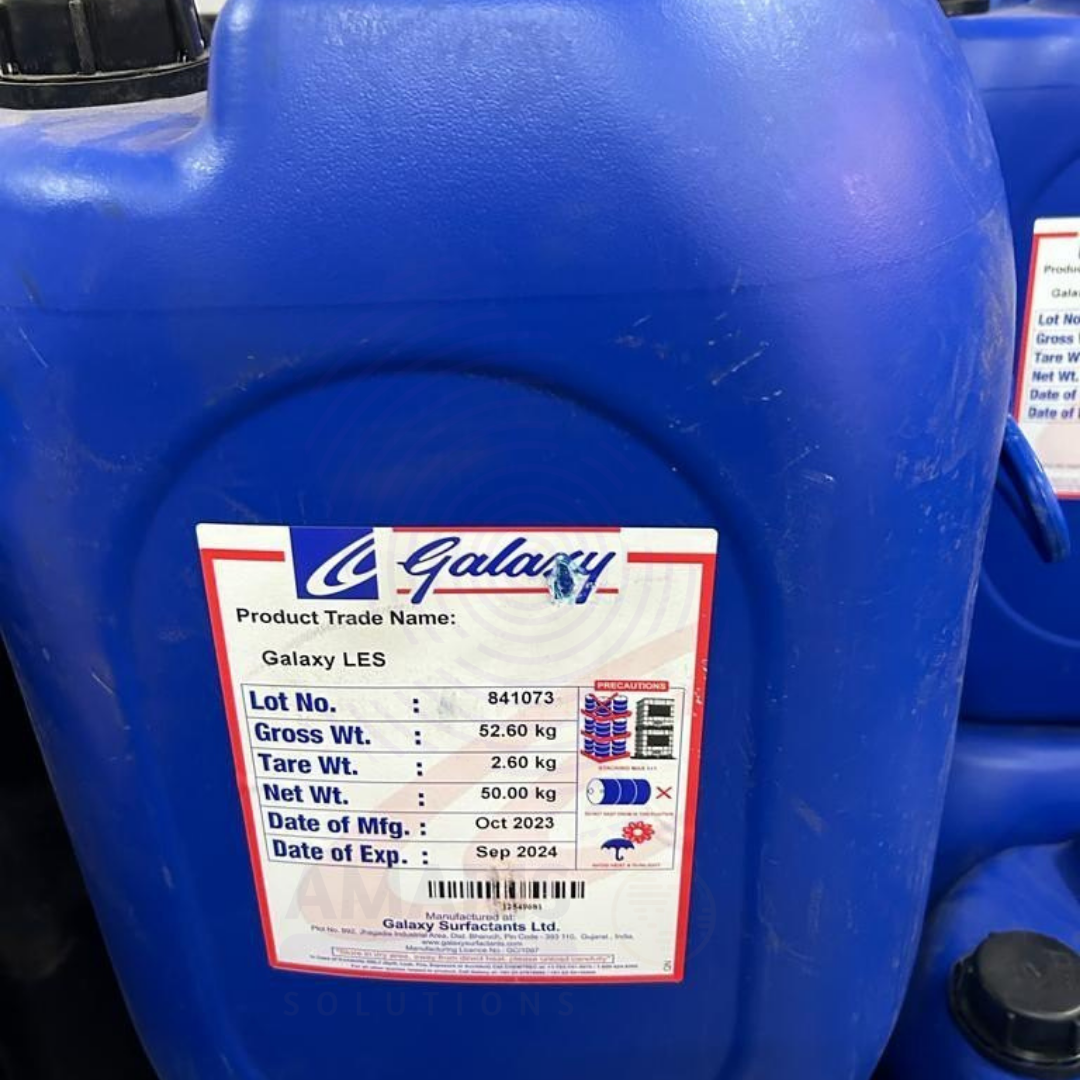

Sodium Lauryl Ether Sulphate
Original price was: $ 2.95.$ 2.82Current price is: $ 2.82.
Sodium Lauryl Ether Sulphate (SLES) is a versatile anionic surfactant commonly used in personal care, household, and industrial cleaning products. It is a clear to slightly yellow viscous liquid or powder derived from ethoxylated lauryl alcohol and sulfuric acid, neutralized with sodium hydroxide. SLES is valued for its excellent foaming, cleansing, and emulsifying properties. It is biodegradable and widely accepted for use in cosmetic and cleaning formulations, providing mildness and effective removal of dirt and oils.
Sodium Lauryl Ether Sulphate
Primary Uses
- Personal Care Industry
- Used as a primary surfactant in shampoos, body washes, liquid soaps, and facial cleansers due to its excellent foaming and cleansing ability.
- Functions as a detergent and emulsifier in toothpaste and bubble baths.
- Acts as a wetting agent in shaving creams and other skincare products.
- Household Cleaning Products
- Key ingredient in dishwashing liquids, laundry detergents, and surface cleaners for effective grease and soil removal.
- Provides foaming and emulsification in hard surface cleaners and car shampoos.
- Industrial Applications
- Used in textile processing, metal cleaning, and as a component in industrial degreasers.
- Employed in oilfield chemicals as a foaming agent.
- Agricultural Products
- Functions as an emulsifier and wetting agent in pesticide and herbicide formulations.
Secondary Uses
- Pharmaceuticals
- Incorporated in topical pharmaceutical creams and gels as a surfactant and emulsifier.
- Cosmetics
- Used in formulations of facial masks, scrubs, and bath salts for texture and cleansing enhancement.
- Food Industry
- Occasionally used in non-food-contact applications requiring surfactants, but not for direct food contact.
1. Basic Identification Attributes
- Chemical Name (IUPAC): Sodium laureth sulfate
- Common/Trade Name: Sodium Lauryl Ether Sulphate, SLES
- CAS Number: 9004-82-4
- HS Code: 3402.11
- Synonyms: Sodium lauryl ether sulfate, Sodium laureth sulfate, SLES
2. Physical & Chemical Properties
- Physical State: Viscous liquid or powder (depending on formulation)
- Color & Odor: Clear to pale yellow; mild characteristic odor
- pH: Typically 7-9 (1% solution)
- Density: Approximately 1.01-1.03 g/cm³ (liquid form)
- Solubility: Fully soluble in water; insoluble in oils and hydrocarbons
3. Safety & Hazard Attributes
- GHS Classification: Eye irritant, skin irritant at high concentrations
- Toxicity: Low toxicity; mild irritant to eyes and skin on prolonged contact
- Exposure Limits: Follow occupational safety guidelines for surfactants
4. Storage & Handling Attributes
- Storage Conditions: Store in a cool, dry place away from direct sunlight and strong oxidizers
- Container Type: Supplied in plastic drums, totes, or bulk containers
- Shelf Life: Typically 12-24 months under proper storage
- Handling Precautions: Use protective gloves and goggles; avoid inhalation of aerosols or dust
- Storage Measures: Keep containers tightly closed and stored in a dry environment
5. Regulatory & Compliance Attributes
- Complies with cosmetic and personal care ingredient regulations (e.g., EU Cosmetic Regulation, FDA)
- Listed as safe for use in rinse-off cosmetic products by CIR (Cosmetic Ingredient Review)
- Meets REACH and GHS regulatory standards
6. Environmental & Health Impact
- Biodegradability: Readily biodegradable under aerobic conditions
- Ecotoxicity: Low toxicity to aquatic organisms at typical use concentrations
- Bioaccumulation: Not expected to bioaccumulate
Safety Handling Precautions
- PPE Required: Gloves, eye protection, protective clothing recommended
- Handling Guidelines: Avoid contact with eyes and prolonged skin exposure
- Storage Measures: Store separately from strong acids and oxidizers
First Aid Measures
- Inhalation: Move to fresh air; seek medical attention if irritation occurs
- Skin Contact: Wash affected area with soap and water; seek medical advice if irritation persists
- Eye Contact: Rinse eyes thoroughly with water for 15 minutes; seek immediate medical care if irritation persists
- Ingestion: Rinse mouth; do not induce vomiting; seek medical attention if large amounts ingested
Firefighting Measures
- Fire Hazards: Non-flammable
- Extinguishing Media: Use water spray, foam, dry chemical, or CO₂ extinguisher
- Special Precautions: Avoid breathing fumes from heated material
- Hazardous Combustion Products: Carbon oxides, sulfur oxides
Related products

Concrete & cabro stain cleaner
Concrete & Cabro Stain Cleaner is a specialized, acidic cleaning formulation designed to remove stubborn stains, discoloration, and mineral deposits from concrete surfaces and cabro paving blocks (interlocking pavers). It is typically a liquid concentrate that works by chemically dissolving and lifting embedded grime, organic growth, and inorganic salts. This product is intended for heavy-duty industrial, commercial, and residential exterior cleaning and is not suitable for use on sensitive surfaces like marble, limestone, or certain metals, or for general household cleaning.
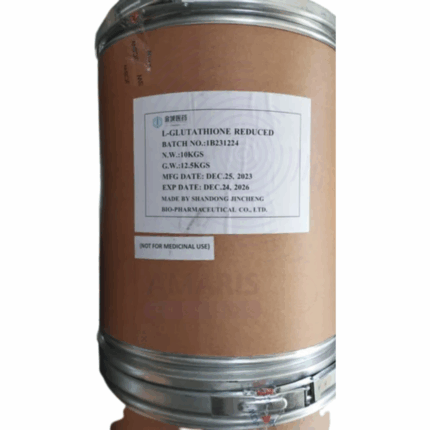
L-Glutathione Reduced
L-Glutathione Reduced is a tripeptide composed of glutamine, cysteine, and glycine, present in cells as a vital antioxidant. It appears as a white to off-white crystalline powder and plays a key role in protecting cells from oxidative stress by neutralizing free radicals and reactive oxygen species. Reduced glutathione (GSH) is the active form that participates in cellular detoxification, immune support, and regeneration of other antioxidants. It is widely used in pharmaceutical, cosmetic, and food industries due to its potent antioxidant properties and skin-brightening effects.
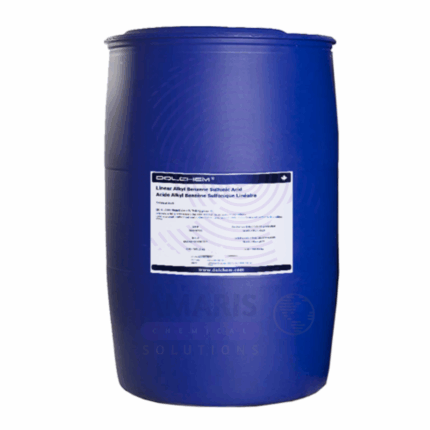
Labsa
Labsa Ufacid, also known as Ufacid 90%, is a highly concentrated anionic surfactant widely used in the detergent and cleaning industries. It is a viscous, oily liquid or semi-solid with strong acidic properties and excellent surface-active capabilities. Labsa 90% acts as a primary raw material for manufacturing laundry detergents, dishwashing liquids, and industrial cleaners due to its excellent foaming, wetting, and emulsifying properties. It is valued for its strong cleaning power and compatibility with various formulations.
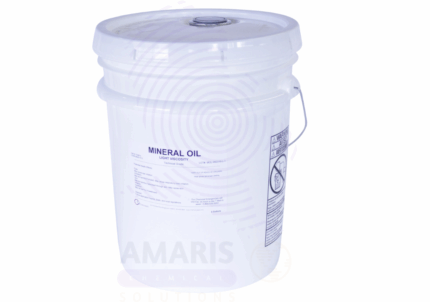
Light White Mineral Oil Tech Grade
Light White Mineral Oil Tech Grade is a highly refined, colorless, odorless, and tasteless petroleum-derived oil. It is characterized by its low viscosity and excellent lubricating properties. This technical-grade mineral oil undergoes stringent purification processes to remove impurities, making it suitable for various industrial, cosmetic, pharmaceutical, and food-related applications. Its chemical stability, non-reactivity, and safety profile make it a versatile ingredient and lubricant in many manufacturing and processing sectors.
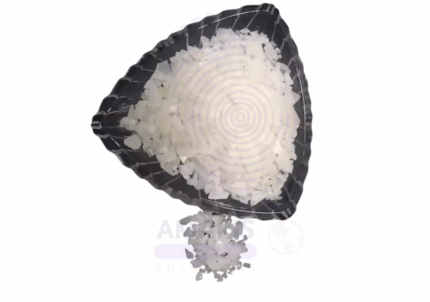
Polyethyl Glycol( PEG 6000)
Polyethyl Glycol( PEG 6000) is a high-molecular-weight polymer derived from ethylene oxide. It appears as a white, waxy solid or flake and is non-toxic, water-soluble, and chemically stable. PEG 6000 is widely used in pharmaceuticals, cosmetics, food processing, industrial formulations, and biotechnology, valued for its lubricating, solubilizing, binding, and moisturizing properties. It is odorless and tasteless, making it suitable for sensitive formulations.

Sodium Xylene Sulphonate
Sodium Xylene Sulphonate (SXS) is a white to off-white crystalline powder or granule with the chemical formula C₈H₇NaO₃S. It is a highly water-soluble anionic surfactant commonly used as a hydrotrope to enhance the solubility and stability of other surfactants and ingredients in detergent and cleaning formulations. Packaged in 25kg bags, SXS improves the clarity of liquid detergents and personal care products while boosting performance in hard water and various industrial applications.
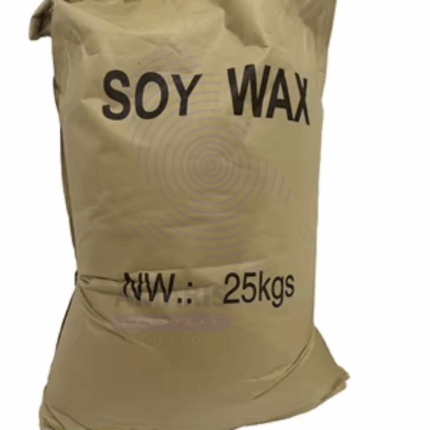
Soya Wax
Soya Wax is a natural, biodegradable wax derived from hydrogenated soybean oil. It appears as a creamy white to pale yellow solid with a smooth texture and a mild soybean aroma. This 25kg packaged product is widely used as a renewable alternative to paraffin wax in candle making, cosmetics, and other industrial applications due to its clean-burning properties and environmental friendliness.
Ufanon- KDS/CDE
Ufanon- KDS/CDE is a proprietary blend of chelating and dispersing agents formulated for use in industrial water treatment and boiler systems. It is designed to control hardness, prevent scale formation, disperse sludge and iron deposits, and enhance corrosion protection. The product is typically supplied as a concentrated aqueous solution and compatible with continuous and intermittent dosing systems. It maintains system efficiency and longevity by stabilizing metal ions and preventing deposit buildup.












