

 Preservatives(food)
 Flavors
 Acidulants
 Sweeteners
 Antioxidants
 Colorants(food)
 Nutraceutical Ingredients (food)
 Nutrient Supplements
 Emulsifiers
 Collectors
 Dust Suppressants
 Explosives and Blasting Agents
 Flocculants and Coagulants
 Frothers
 Leaching Agents
 pH Modifiers
 Precious Metal Extraction Agents
 Antioxidants(plastic)
 Colorants (Pigments, Dyes)
 Fillers and Reinforcements
 Flame Retardants
 Monomers
 Plasticizers
 Polymerization Initiators
 Stabilizers (UV, Heat)
 Antifoaming Agents
 Chelating Agents
 Coagulants and Flocculants
 Corrosion Inhibitors
 Disinfectants and Biocides
 Oxidizing Agents
 pH Adjusters
 Scale Inhibitors( water)
 Antioxidants(cosmetic)
 Emollients
 Oils
Oils Carrier Oills
 Essential Oils
 Humectants
 Preservatives
 Surfactants(cosmetic)
 Thickeners
 UV Filters
 Fragrance (Cosmetics)
 Fertilizers
 Soil Conditioners
 Plant Growth Regulators
 Animal Feed Additives
 Biostimulants
 Pesticides (Herbicides, Insecticides, Fungicides)
 Active Pharmaceutical Ingredients (APIs)
 Excipients
 Solvents(pharmaceutical)
 Antibiotics
 Antiseptics and Disinfectants
 Vaccine Adjuvants
 Nutraceutical Ingredients (pharmaceutical)
 Analgesics & Antipyretics
 Analytical Reagents
 Solvents(lab)
 Chromatography Chemicals
 Spectroscopy Reagents
 microbiology-and-cell-culture-reagents
 Molecular Biology Reagents
 Biochemical Reagents
 Inorganic and Organic Standards
 Laboratory Safety Chemicals
 Specialty Laboratory Chemicals(Special Laboratory Equipment)
 Demulsifiers
 Hydraulic Fracturing Fluids
 Scale Inhibitors(oil)
 Surfactants(oil)
 Drilling Fluids
 Dyes and Pigments
 Bleaching Agents
 Softening Agents
 Finishing Agents
 Antistatic Agents
 Admixtures
 Waterproofing Agents
 Sealants and Adhesives
 Curing Compounds
 Concrete Repair Chemicals
 Anti-Corrosion Coatings
 Surfactants(cleaning)
 Builders
 Enzymes
 Solvents (Cleaning)
 Electronic Chemicals
 Catalysts
 Lubricants
 Photographic Chemicals
 Refrigerants
 Automotive chemicals
 Pyrotechnic Chemicals
 Biodegradable Surfactants
 Bio-based Solvents
 Renewable Polymers
 Carbon Capture Chemicals
 Wastewater Treatment Chemicals
 Pigments
 Solvents(paint)
 Specialty Coatings
 Binders/Resins
 Additives
 Driers
 Anti-Corrosion Agents
 Functional Coatings
 Application-Specific Coatings
 Leavening Agents
 Dough Conditioners
 Flour Treatments
 Fat Replacers
 Decoratives
 Preservatives(baking)
 Plasticizers & Softeners
 Reinforcing Agents
 Adhesion Promoters
 Vulcanizing Agents
 Antidegradants
 Blowing Agents
 Fillers & Extenders
 Accelerators & Retarders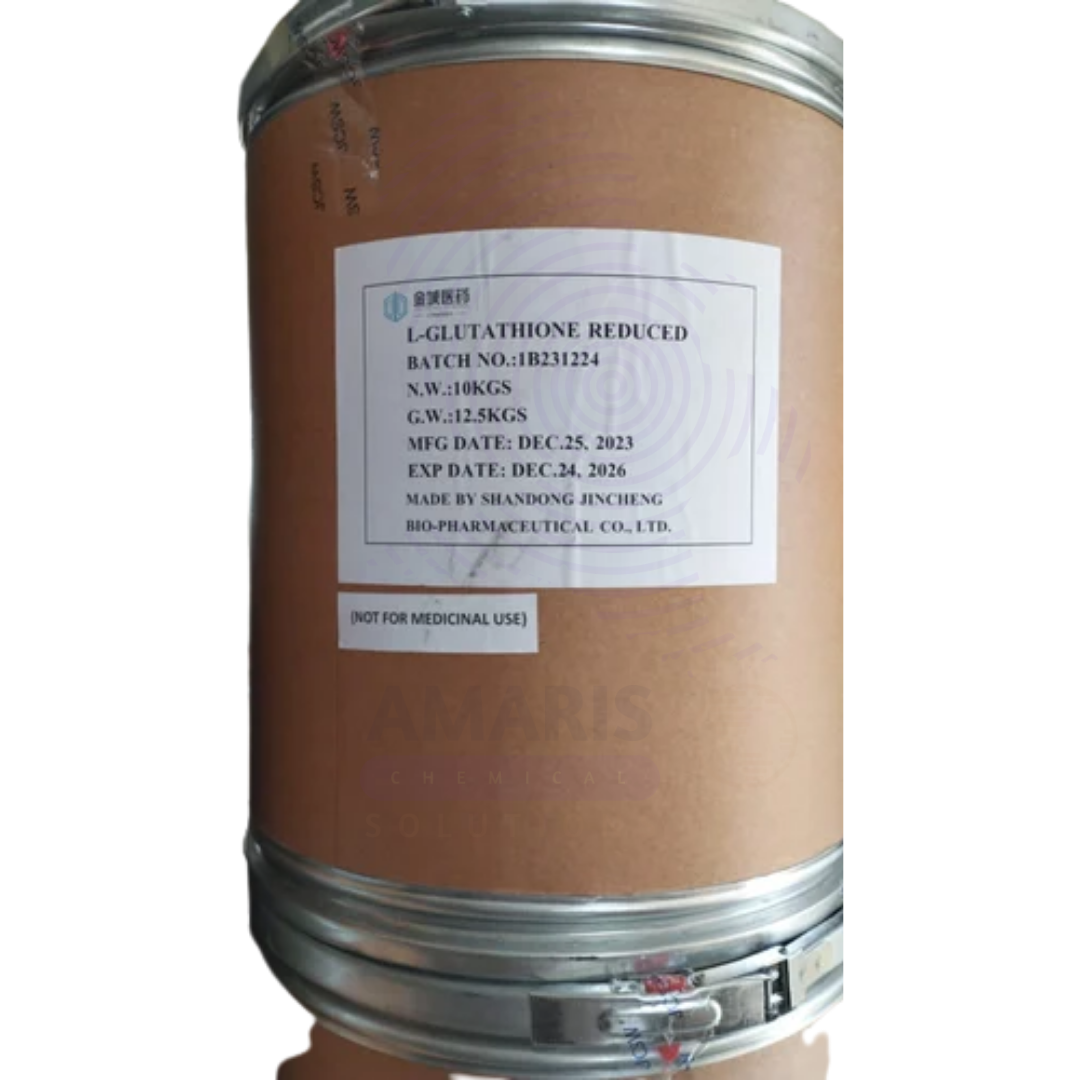


L-Glutathione Reduced
L-Glutathione Reduced is a tripeptide composed of glutamine, cysteine, and glycine, present in cells as a vital antioxidant. It appears as a white to off-white crystalline powder and plays a key role in protecting cells from oxidative stress by neutralizing free radicals and reactive oxygen species. Reduced glutathione (GSH) is the active form that participates in cellular detoxification, immune support, and regeneration of other antioxidants. It is widely used in pharmaceutical, cosmetic, and food industries due to its potent antioxidant properties and skin-brightening effects.
L-Glutathione Reduced
Primary Uses
- Pharmaceutical Industry
- Antioxidant Supplement: Used in oral and injectable formulations to support detoxification in liver diseases, protect against oxidative damage, and improve immune function.
- Therapeutic Agent: Employed in treatments for conditions like Parkinson’s disease, cystic fibrosis, and certain cancers due to its role in cellular protection and regeneration.
- Cosmetic Industry
- Skin Whitening Agent: Incorporated in creams, serums, and lotions to reduce melanin synthesis and promote even skin tone by inhibiting tyrosinase enzyme activity.
- Anti-Aging: Helps combat oxidative stress in skin cells, improving skin elasticity and reducing wrinkles.
- Detoxification: Aids in removing toxins from skin cells, enhancing overall skin health and radiance.
- Food and Nutraceuticals
- Dietary Supplement: Added to health supplements to boost the body’s antioxidant defenses and support overall wellness.
- Food Additive: Used as a preservative to prevent oxidation and extend shelf life of sensitive food products.
Secondary Uses
- Biotechnology and Research
- Cell Culture: Used as a supplement in cell culture media to maintain cellular redox balance and improve cell viability.
- Diagnostic Kits: Utilized in assays measuring oxidative stress and glutathione levels in biological samples.
- Veterinary Medicine
- Supplement in animal feeds and treatments to improve immunity and reduce oxidative stress in livestock and pets.
- Industrial Applications
- Incorporated in anti-corrosion coatings and stabilizers where antioxidant properties help prolong material lifespan.
1. Basic Identification Attributes
- Chemical Name (IUPAC): (2S)-2-Amino-4-{[(1R)-1-[(carboxymethyl)amino]-1-oxopropan-2-yl]amino}-4-oxobutanoic acid
- Common/Trade Name: L-Glutathione Reduced; GSH
- CAS Number: 70-18-8
- HS Code: 2934.99.90
- Synonyms: Reduced glutathione; GSH; L-γ-Glutamyl-L-cysteinylglycine
2. Physical & Chemical Properties
- Physical State: Crystalline powder
- Color & Odor: White to off-white; odorless or faint sulfur-like smell
- Melting Point: ~200 °C (decomposes)
- Solubility: Soluble in water; slightly soluble in alcohol
- Stability: Sensitive to air, light, and heat; prone to oxidation
3. Safety & Hazard Attributes
- GHS Classification: Not classified as hazardous under normal use
- Toxicity: Low toxicity; generally regarded as safe for human consumption and topical use
- Exposure Limits: No established occupational exposure limits
4. Storage & Handling Attributes
- Storage Conditions: Store in airtight containers, protected from light and moisture, preferably refrigerated
- Container Type: Sealed, opaque containers to minimize oxidation
- Shelf Life: Typically 1-2 years under proper storage conditions
- Handling Precautions: Avoid prolonged exposure to air and light; handle with gloves to prevent contamination
5. Regulatory & Compliance Attributes
- Approved for use in cosmetics and dietary supplements by FDA and other regulatory agencies
- Complies with pharmaceutical grade purity standards when used in medicinal products
- Labeling must indicate antioxidant properties and potential allergen information where applicable
6. Environmental & Health Impact
- Biodegradability: Biodegradable and environmentally safe
- Ecotoxicity: Low ecotoxicity
- Bioaccumulation: Not expected to bioaccumulate
- Carcinogenicity/Mutagenicity: Not classified as carcinogenic or mutagenic
Safety Handling Precautions
- PPE Required: Gloves recommended during handling to avoid contamination
- Handling Guidelines: Use in well-ventilated areas; avoid inhalation of dust
- Storage Measures: Keep containers tightly closed, store in cool, dark place
First Aid Measures
- Inhalation: Move to fresh air if inhalation causes irritation
- Skin Contact: Wash with soap and water if irritation occurs
- Eye Contact: Rinse eyes with water for 15 minutes; seek medical attention if irritation persists
- Ingestion: Generally safe; seek medical attention if large amounts ingested and adverse effects occur
Firefighting Measures
- Fire Hazards: Non-flammable
- Extinguishing Media: Use water spray, foam, or dry chemical extinguishers for surrounding fires
- Special Precautions: Avoid inhaling combustion products
- Hazardous Combustion Products: May produce carbon oxides and sulfur-containing compounds
Related products
Calcium D-Panthothenate
Calcium D-Panthothenate is the calcium salt of D-pantothenic acid (vitamin B5), appearing as a white or off-white crystalline powder. It is a stable, water-soluble compound widely used as a dietary supplement and pharmaceutical ingredient to supply vitamin B5, essential for coenzyme A synthesis and normal metabolism of carbohydrates, proteins, and fats. Calcium D-Panthothenate supports adrenal function, wound healing, and nervous system health, and is frequently incorporated into multivitamins, nutritional supplements, fortified foods, and topical formulations.
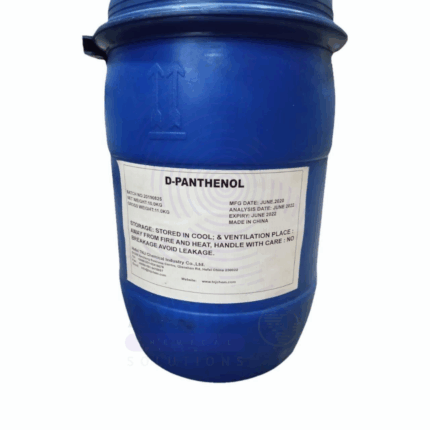
D-Panthenol USP
D-Panthenol USP, also known as Provitamin B5, is the dextrorotatory isomer of panthenol and is biologically active. It is a water-soluble, viscous, clear liquid with a slightly sweet odor and is widely used in pharmaceutical, cosmetic, personal care, and nutraceutical applications. D-Panthenol is the alcohol analog of pantothenic acid (Vitamin B5) and is converted into Vitamin B5 in the skin and body, where it plays a vital role in cellular metabolism and tissue repair. Its moisturizing, anti-inflammatory, and healing properties make it highly valuable across industries.
Desgel HG (Carbomer)
Desgel HG is a high-purity Carbomer-based thickening agent, widely used in pharmaceutical, cosmetic, and personal care formulations. It is a cross-linked polyacrylic acid polymer, neutralized to form high-viscosity gels with excellent clarity and stability. Desgel HG is prized for its thickening, suspending, emulsifying, and stabilizing capabilities, especially in aqueous and hydroalcoholic systems. It is highly efficient at low concentrations and compatible with a wide pH range (when neutralized). This makes it ideal for use in gels, creams, lotions, hand sanitizers, topical formulations, and other semi-solid systems.
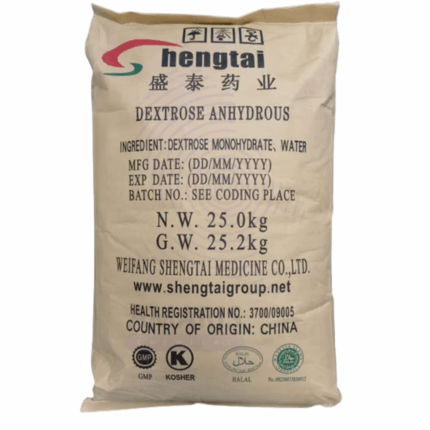
Dextrose Anhydrous BP Injectable
Dextrose Anhydrous BP Injectable is a sterile, highly purified crystalline form of glucose that serves as a critical energy source in intravenous therapy. It is widely used in parenteral nutrition, rehydration, and hypoglycemia management. The anhydrous form contains no water, allowing precise control of concentration in injectable solutions. Meeting British Pharmacopoeia (BP) standards, it ensures pharmaceutical-grade purity and sterility, suitable for direct injection or as a component in compounded IV fluids. It provides readily available carbohydrates metabolized to supply energy, regulate osmolarity, and maintain fluid-electrolyte balance in clinical care.
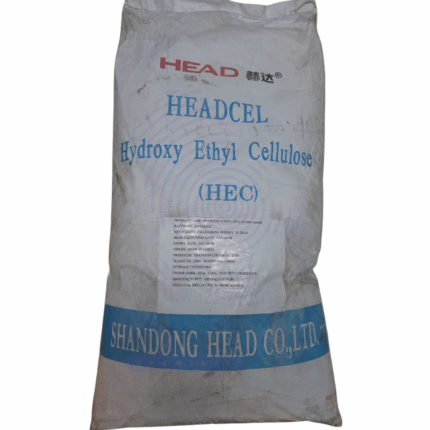
Hydroxyethyl Cellulose
Hydroxyethyl Cellulose , marketed under brand names such as Natrosol, is a non-ionic, water-soluble polymer derived from cellulose by reacting alkali cellulose with ethylene oxide. It appears as a white to off-white, free-flowing powder with excellent thickening, binding, and film-forming properties. HEC is widely used as a rheology modifier and stabilizer due to its high water retention, solubility, and compatibility with a broad range of ingredients. It is valued in many industries including cosmetics, pharmaceuticals, paints, adhesives, and personal care products.
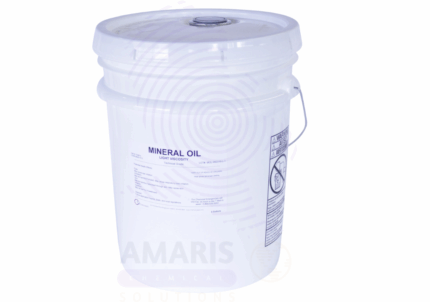
Light White Mineral Oil Tech Grade
Light White Mineral Oil Tech Grade is a highly refined, colorless, odorless, and tasteless petroleum-derived oil. It is characterized by its low viscosity and excellent lubricating properties. This technical-grade mineral oil undergoes stringent purification processes to remove impurities, making it suitable for various industrial, cosmetic, pharmaceutical, and food-related applications. Its chemical stability, non-reactivity, and safety profile make it a versatile ingredient and lubricant in many manufacturing and processing sectors.
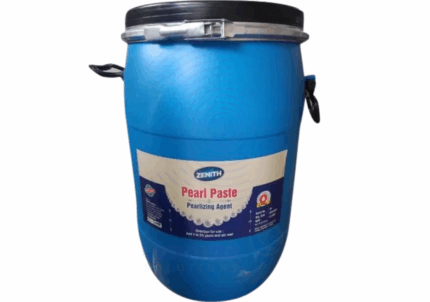
Sparkle 660 (Pearlizing Agent)
Sparkle 660 (Pearlizing Agent) is a specialized pearlizing agent used to impart a lustrous, iridescent finish to various products. It typically consists of micronized mica coated with titanium dioxide or other oxides to create a shimmering pearl effect. This additive is widely employed in personal care, cosmetics, and industrial formulations to enhance visual appeal with a pearlescent shine.
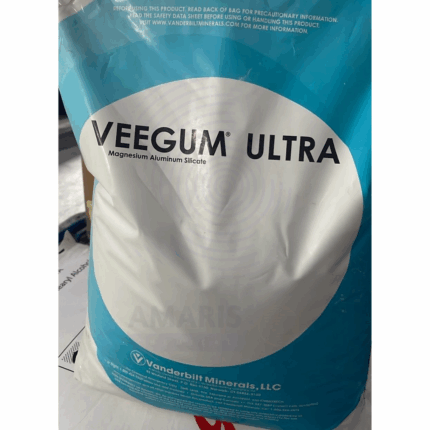
Veegum
Veegum is a purified magnesium aluminum silicate clay known for its excellent suspending, thickening, and stabilizing properties. It is widely used in pharmaceuticals, cosmetics, and industrial applications as a rheology modifier, suspension stabilizer, and emulsifier. Veegum enhances the texture, consistency, and stability of formulations, providing improved performance in both liquid and semi-solid systems.












