

 Preservatives(food)
 Flavors
 Acidulants
 Sweeteners
 Antioxidants
 Colorants(food)
 Nutraceutical Ingredients (food)
 Nutrient Supplements
 Emulsifiers
 Collectors
 Dust Suppressants
 Explosives and Blasting Agents
 Flocculants and Coagulants
 Frothers
 Leaching Agents
 pH Modifiers
 Precious Metal Extraction Agents
 Antioxidants(plastic)
 Colorants (Pigments, Dyes)
 Fillers and Reinforcements
 Flame Retardants
 Monomers
 Plasticizers
 Polymerization Initiators
 Stabilizers (UV, Heat)
 Antifoaming Agents
 Chelating Agents
 Coagulants and Flocculants
 Corrosion Inhibitors
 Disinfectants and Biocides
 Oxidizing Agents
 pH Adjusters
 Scale Inhibitors( water)
 Antioxidants(cosmetic)
 Emollients
 Oils
Oils Carrier Oills
 Essential Oils
 Humectants
 Preservatives
 Surfactants(cosmetic)
 Thickeners
 UV Filters
 Fragrance (Cosmetics)
 Fertilizers
 Soil Conditioners
 Plant Growth Regulators
 Animal Feed Additives
 Biostimulants
 Pesticides (Herbicides, Insecticides, Fungicides)
 Active Pharmaceutical Ingredients (APIs)
 Excipients
 Solvents(pharmaceutical)
 Antibiotics
 Antiseptics and Disinfectants
 Vaccine Adjuvants
 Nutraceutical Ingredients (pharmaceutical)
 Analgesics & Antipyretics
 Analytical Reagents
 Solvents(lab)
 Chromatography Chemicals
 Spectroscopy Reagents
 microbiology-and-cell-culture-reagents
 Molecular Biology Reagents
 Biochemical Reagents
 Inorganic and Organic Standards
 Laboratory Safety Chemicals
 Specialty Laboratory Chemicals(Special Laboratory Equipment)
 Demulsifiers
 Hydraulic Fracturing Fluids
 Scale Inhibitors(oil)
 Surfactants(oil)
 Drilling Fluids
 Dyes and Pigments
 Bleaching Agents
 Softening Agents
 Finishing Agents
 Antistatic Agents
 Admixtures
 Waterproofing Agents
 Sealants and Adhesives
 Curing Compounds
 Concrete Repair Chemicals
 Anti-Corrosion Coatings
 Surfactants(cleaning)
 Builders
 Enzymes
 Solvents (Cleaning)
 Electronic Chemicals
 Catalysts
 Lubricants
 Photographic Chemicals
 Refrigerants
 Automotive chemicals
 Pyrotechnic Chemicals
 Biodegradable Surfactants
 Bio-based Solvents
 Renewable Polymers
 Carbon Capture Chemicals
 Wastewater Treatment Chemicals
 Pigments
 Solvents(paint)
 Specialty Coatings
 Binders/Resins
 Additives
 Driers
 Anti-Corrosion Agents
 Functional Coatings
 Application-Specific Coatings
 Leavening Agents
 Dough Conditioners
 Flour Treatments
 Fat Replacers
 Decoratives
 Preservatives(baking)
 Plasticizers & Softeners
 Reinforcing Agents
 Adhesion Promoters
 Vulcanizing Agents
 Antidegradants
 Blowing Agents
 Fillers & Extenders
 Accelerators & Retarders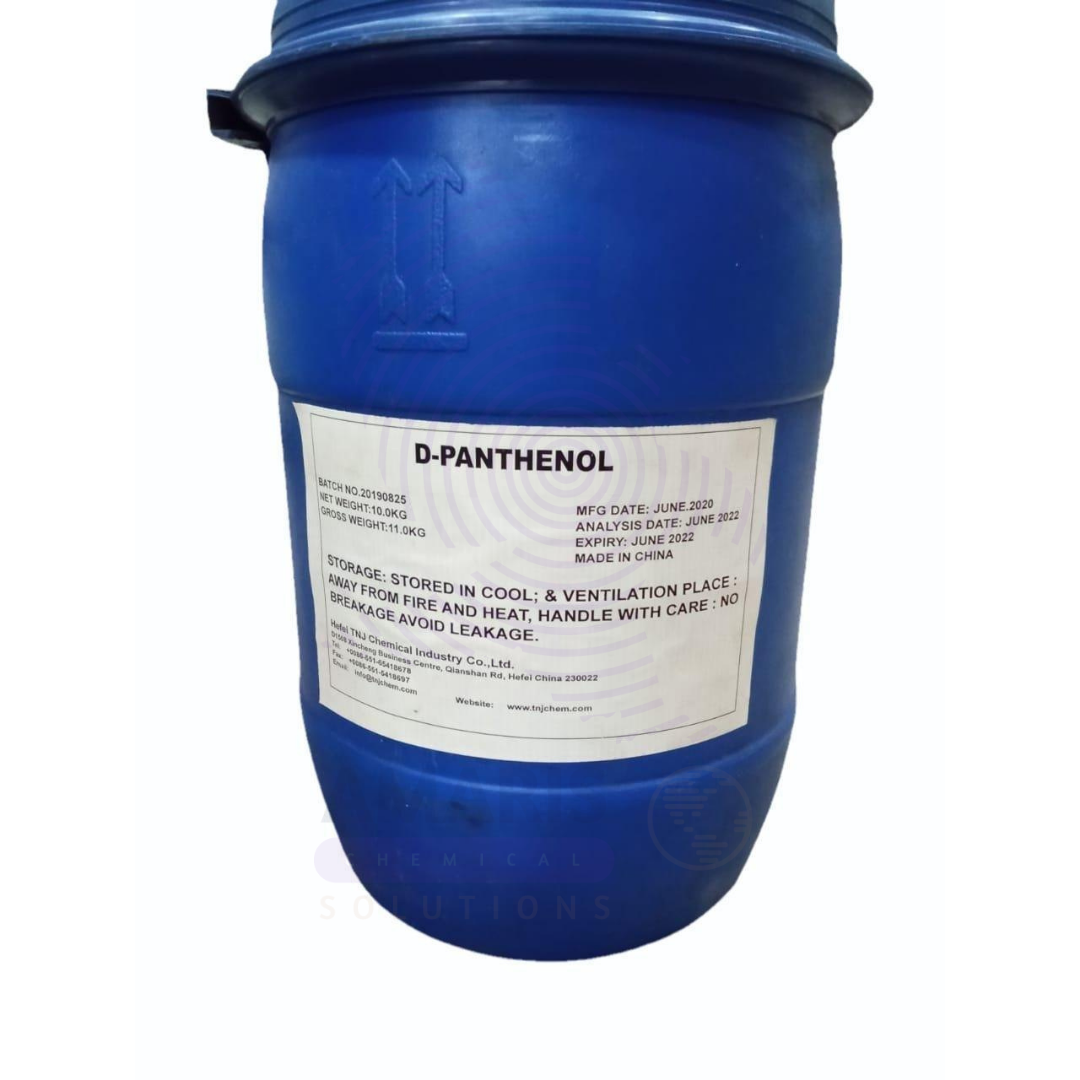

D-Panthenol USP
D-Panthenol USP, also known as Provitamin B5, is the dextrorotatory isomer of panthenol and is biologically active. It is a water-soluble, viscous, clear liquid with a slightly sweet odor and is widely used in pharmaceutical, cosmetic, personal care, and nutraceutical applications. D-Panthenol is the alcohol analog of pantothenic acid (Vitamin B5) and is converted into Vitamin B5 in the skin and body, where it plays a vital role in cellular metabolism and tissue repair. Its moisturizing, anti-inflammatory, and healing properties make it highly valuable across industries.
D-Panthenol USP
Primary Uses
- Cosmetics & Personal Care
- Used in skin care products (lotions, creams, serums) for its moisturizing, soothing, and anti-inflammatory properties.
- Improves skin hydration, reduces redness, and enhances skin barrier repair.
- Commonly found in shampoos, conditioners, and hair serums to improve hair strength, shine, and manageability.
- A key ingredient in baby care products due to its mildness and skin-healing benefits.
- Included in after-sun and burn relief products for its calming effects.
- Pharmaceuticals
- Used in wound healing creams, ointments, and gels for its epithelialization-promoting and anti-inflammatory actions.
- Incorporated into nasal sprays, eye drops, and oral formulations for mucosal repair.
- Applied in burn and dermatitis treatment formulations.
- Serves as a humectant and skin protectant in topical drugs.
- Nutraceuticals & Dietary Supplements
- Used in vitamin formulations and fortified beverages as a source of Vitamin B5.
- Supports adrenal function, cellular metabolism, and skin/mucosal health.
Secondary Uses
- Veterinary Care
- Used in veterinary skin creams and hair products for animals to promote healing and coat health.
- Applied in topical ointments for livestock to treat minor wounds and dermatitis.
- Industrial Applications
- Used in industrial skin-care formulations (e.g., barrier creams for workers).
- Added in formulations for protective creams used in occupational settings to treat or prevent irritant contact dermatitis.
- Research & Biotechnology
- Utilized in cell culture media and tissue engineering applications due to its role in cellular repair and proliferation.
1. Basic Identification Attributes
- Chemical Name (IUPAC): (2R)-2,4-dihydroxy-N-(3-hydroxypropyl)-3,3-dimethylbutanamide
- Common/Trade Name: D-Panthenol USP
- CAS Number: 81-13-0
- HS Code: 2936.26.00
- Molecular Formula: C9H19NO4
- Synonyms:
- Provitamin B5
- Dexpanthenol
- Pantothenol
2. Physical & Chemical Properties
- Physical State: Viscous liquid
- Color & Odor: Colorless to slightly yellow; mild, characteristic odor
- Melting Point: Not applicable (liquid form)
- Boiling Point: ~118–120°C at 0.15 mmHg
- Density: 1.145–1.160 g/cm³ at 20°C
- Solubility:
- Freely soluble in water and alcohol
- Insoluble in oils and hydrocarbons
- pH (10% solution): 5.0–7.0
- Stability: Stable under recommended storage; sensitive to high heat and oxidizing agents
3. Safety & Hazard Attributes
- Hazard Class (GHS): Not classified as hazardous
- NFPA Ratings:
- Health: 0
- Flammability: 1
- Reactivity: 0
- Exposure Limits: No established limits; generally considered safe
- Toxicity: Non-toxic; well-tolerated on skin and mucosa
- Reactivity: Non-reactive; avoid contact with strong oxidizers
4. Storage & Handling Attributes
- Storage Conditions: Store in tightly sealed containers at 15–25°C, away from direct sunlight and heat
- Container Type: Amber glass or HDPE containers with airtight seals
- Shelf Life: Up to 3 years under optimal conditions
- Special Handling: Use clean, dry tools; protect from contamination and moisture
5. Regulatory & Compliance Attributes
- USP/NF Status: Complies with United States Pharmacopeia (USP) standards
- FDA Status: GRAS (Generally Recognized as Safe); approved for cosmetic and pharmaceutical use
- REACH Status: Registered under EU REACH
- Transportation: Not classified as hazardous for transport
- Waste Disposal: Dispose in accordance with local regulations; biodegradable and non-toxic
6. Environmental & Health Impact
- Ecotoxicity: Not toxic to aquatic or terrestrial life
- Persistence: Readily biodegradable
- Bioaccumulation: Not expected to bioaccumulate
- Carcinogenicity/Mutagenicity: Not classified as carcinogenic or mutagenic
- Biodegradability: High; environmentally safe for disposal
Safety Handling Precautions
Personal Protective Equipment (PPE):
- Nitrile gloves
- Protective eyewear
- Lab coat or apron
Handling Measures:
- Avoid inhalation of vapors or aerosols during processing
- Use in a well-ventilated area
- Avoid contact with incompatible substances
Storage Measures:
- Keep containers sealed and protected from light and air
- Store in original packaging or approved chemical storage containers
Hygiene Practices:
- Wash hands thoroughly after handling
- Avoid contact with eyes and broken skin
- Do not eat or drink in processing areas
First Aid Measures
- Inhalation: Not expected to pose inhalation hazard; move to fresh air if discomfort occurs
- Skin Contact: Generally non-irritating; rinse with water if needed
- Eye Contact: Rinse with water for several minutes; seek medical attention if irritation persists
- Ingestion: Non-toxic in small quantities; seek medical advice if large amounts are ingested
Firefighting Measures
- Fire Hazards: Slightly combustible
- Extinguishing Media: Use dry chemical, CO₂, water spray, or foam
- Special Precautions: Firefighters should wear full protective gear and self-contained breathing apparatus
- Decomposition Products: May release carbon oxides upon combustion
Related products
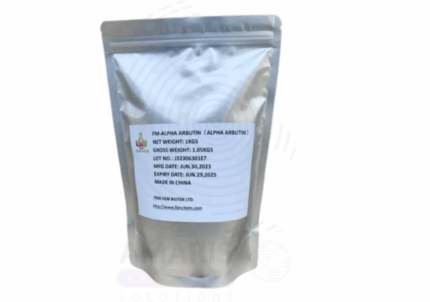
Alpha Arbutin
Alpha Arbutin is a biosynthetic active ingredient derived from hydroquinone and glucose. It is widely used in cosmetic and skincare formulations for its skin-brightening and spot-reducing properties. Alpha Arbutin inhibits tyrosinase, an enzyme involved in melanin production, thereby helping to reduce pigmentation, dark spots, and uneven skin tone. It is more stable and effective than its beta counterpart and is suitable for all skin types, including sensitive skin.
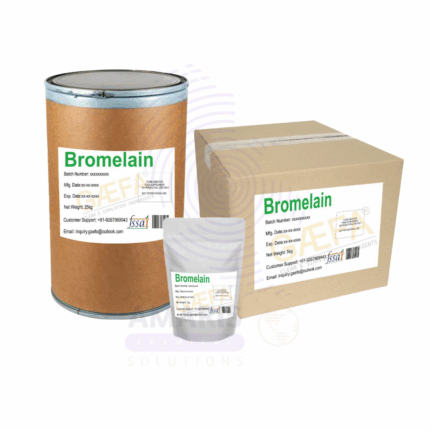
Bromelain
Bromelain is a natural mixture of proteolytic enzymes derived primarily from the stem and fruit of the pineapple plant (Ananas comosus). It appears as a pale yellow to off-white powder with a characteristic mild odor and is water-soluble. Bromelain exhibits protease activity, breaking down proteins into peptides and amino acids, making it valuable in medical, food, and industrial applications. It is widely used as an anti-inflammatory agent, digestive aid, meat tenderizer, and in cosmetic formulations due to its enzymatic and therapeutic properties.
Cetyl Palmitate
Cetyl Palmitate is a naturally derived ester formed by the reaction of cetyl alcohol and palmitic acid. It appears as a white to off-white waxy solid with a mild fatty odor. This compound is widely used in cosmetic, pharmaceutical, and industrial formulations for its emollient, thickening, and texture-enhancing properties. Cetyl Palmitate imparts a smooth, creamy feel to products and contributes to improved stability and consistency in creams, lotions, balms, and ointments. Its film-forming and skin-conditioning attributes make it a preferred ingredient in personal care products as well as in specialty industrial applications.
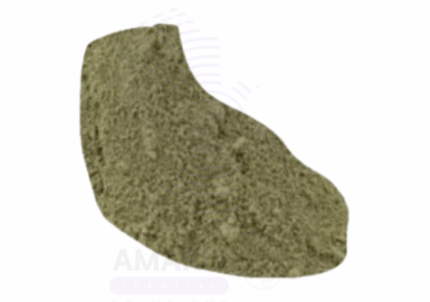
Ellagic Acid
Ellagic Acid is a naturally occurring polyphenolic compound found in numerous fruits, nuts, and vegetables such as pomegranates, strawberries, raspberries, walnuts, and cranberries. It is a potent antioxidant known for its ability to scavenge free radicals and chelate metal ions. Due to its significant anti-inflammatory, anti-carcinogenic, and anti-viral properties, Ellagic Acid has gained extensive interest in pharmaceutical, nutraceutical, cosmetic, and food industries. It appears as a yellow to light brown crystalline powder, insoluble in water but soluble in organic solvents like ethanol and DMSO.
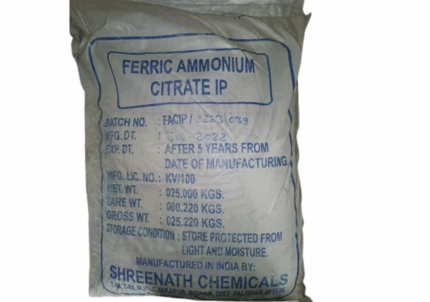
Ferric Ammonium Citrate
Ferric Ammonium Citrate is a dark green to black crystalline or granular inorganic compound composed of iron, ammonium ions, and citrate ions. It is a complex salt of citric acid with ferric iron (Fe³⁺) and ammonium. This compound is highly soluble in water, forming a greenish solution, and is widely utilized as a source of iron in various chemical, pharmaceutical, photographic, and food applications. It acts as a mild oxidizing agent and an iron supplement, valued for its bioavailability and ease of incorporation into formulations. Ferric Ammonium Citrate is typically available in different formulations distinguished by their water and ammonium content, such as green and brown types.
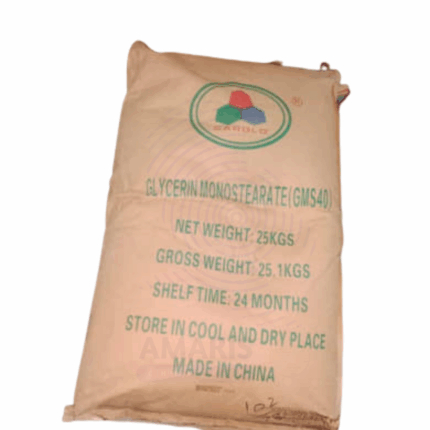
Glycerol Monostearate
Glycerol Monostearate is a white to off-white, free-flowing powder composed of 50% monoglycerides of stearic and palmitic acids, typically derived from vegetable oils. It is a non-ionic emulsifier widely used in food, cosmetics, pharmaceuticals, plastics, and industrial applications. GMS functions as an emulsifying agent, stabilizer, thickener, anti-staling agent, and opacifier. In food, it improves texture and extends shelf life. In cosmetics and pharmaceuticals, it enhances creaminess and stability. GMS 50% is often blended with other emulsifiers or surfactants and is valued for its versatile functionality, safety, and compatibility with a wide range of ingredients.
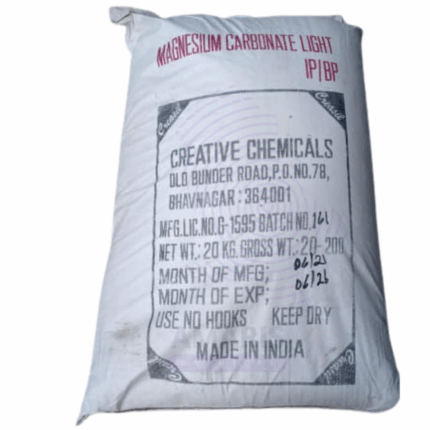
Magnesium Carbonate Light
Magnesium Carbonate Light is a fine, white, odorless powder primarily composed of magnesium carbonate (MgCO₃). It is characterized by its light texture and high purity. This mineral compound is widely used across various industries due to its excellent absorption properties, mild alkalinity, and non-toxic nature. Magnesium Carbonate Light is commonly employed as an antacid, drying agent, filler, and flow aid in food, pharmaceutical, cosmetic, and industrial applications.
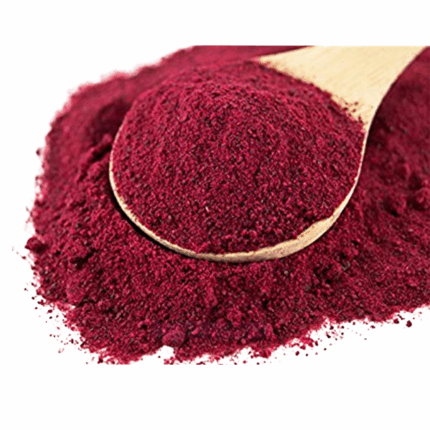
Red Cherry Powder Flavor
Red Cherry Powder Flavor is a high-quality, concentrated flavoring agent designed to impart a natural and vibrant cherry taste to a variety of food and beverage applications. This fine powder is made from carefully selected ingredients to ensure consistent flavor intensity, solubility, and stability. Ideal for use in dry mixes, confectionery, beverages, and baked goods, Red Cherry Powder Flavor provides a convenient and versatile way to enhance taste profiles without altering texture.












