

 Preservatives(food)
 Flavors
 Acidulants
 Sweeteners
 Antioxidants
 Colorants(food)
 Nutraceutical Ingredients (food)
 Nutrient Supplements
 Emulsifiers
 Collectors
 Dust Suppressants
 Explosives and Blasting Agents
 Flocculants and Coagulants
 Frothers
 Leaching Agents
 pH Modifiers
 Precious Metal Extraction Agents
 Antioxidants(plastic)
 Colorants (Pigments, Dyes)
 Fillers and Reinforcements
 Flame Retardants
 Monomers
 Plasticizers
 Polymerization Initiators
 Stabilizers (UV, Heat)
 Antifoaming Agents
 Chelating Agents
 Coagulants and Flocculants
 Corrosion Inhibitors
 Disinfectants and Biocides
 Oxidizing Agents
 pH Adjusters
 Scale Inhibitors( water)
 Antioxidants(cosmetic)
 Emollients
 Oils
Oils Carrier Oills
 Essential Oils
 Humectants
 Preservatives
 Surfactants(cosmetic)
 Thickeners
 UV Filters
 Fragrance (Cosmetics)
 Fertilizers
 Soil Conditioners
 Plant Growth Regulators
 Animal Feed Additives
 Biostimulants
 Pesticides (Herbicides, Insecticides, Fungicides)
 Active Pharmaceutical Ingredients (APIs)
 Excipients
 Solvents(pharmaceutical)
 Antibiotics
 Antiseptics and Disinfectants
 Vaccine Adjuvants
 Nutraceutical Ingredients (pharmaceutical)
 Analgesics & Antipyretics
 Analytical Reagents
 Solvents(lab)
 Chromatography Chemicals
 Spectroscopy Reagents
 microbiology-and-cell-culture-reagents
 Molecular Biology Reagents
 Biochemical Reagents
 Inorganic and Organic Standards
 Laboratory Safety Chemicals
 Specialty Laboratory Chemicals(Special Laboratory Equipment)
 Demulsifiers
 Hydraulic Fracturing Fluids
 Scale Inhibitors(oil)
 Surfactants(oil)
 Drilling Fluids
 Dyes and Pigments
 Bleaching Agents
 Softening Agents
 Finishing Agents
 Antistatic Agents
 Admixtures
 Waterproofing Agents
 Sealants and Adhesives
 Curing Compounds
 Concrete Repair Chemicals
 Anti-Corrosion Coatings
 Surfactants(cleaning)
 Builders
 Enzymes
 Solvents (Cleaning)
 Electronic Chemicals
 Catalysts
 Lubricants
 Photographic Chemicals
 Refrigerants
 Automotive chemicals
 Pyrotechnic Chemicals
 Biodegradable Surfactants
 Bio-based Solvents
 Renewable Polymers
 Carbon Capture Chemicals
 Wastewater Treatment Chemicals
 Pigments
 Solvents(paint)
 Specialty Coatings
 Binders/Resins
 Additives
 Driers
 Anti-Corrosion Agents
 Functional Coatings
 Application-Specific Coatings
 Leavening Agents
 Dough Conditioners
 Flour Treatments
 Fat Replacers
 Decoratives
 Preservatives(baking)
 Plasticizers & Softeners
 Reinforcing Agents
 Adhesion Promoters
 Vulcanizing Agents
 Antidegradants
 Blowing Agents
 Fillers & Extenders
 Accelerators & Retarders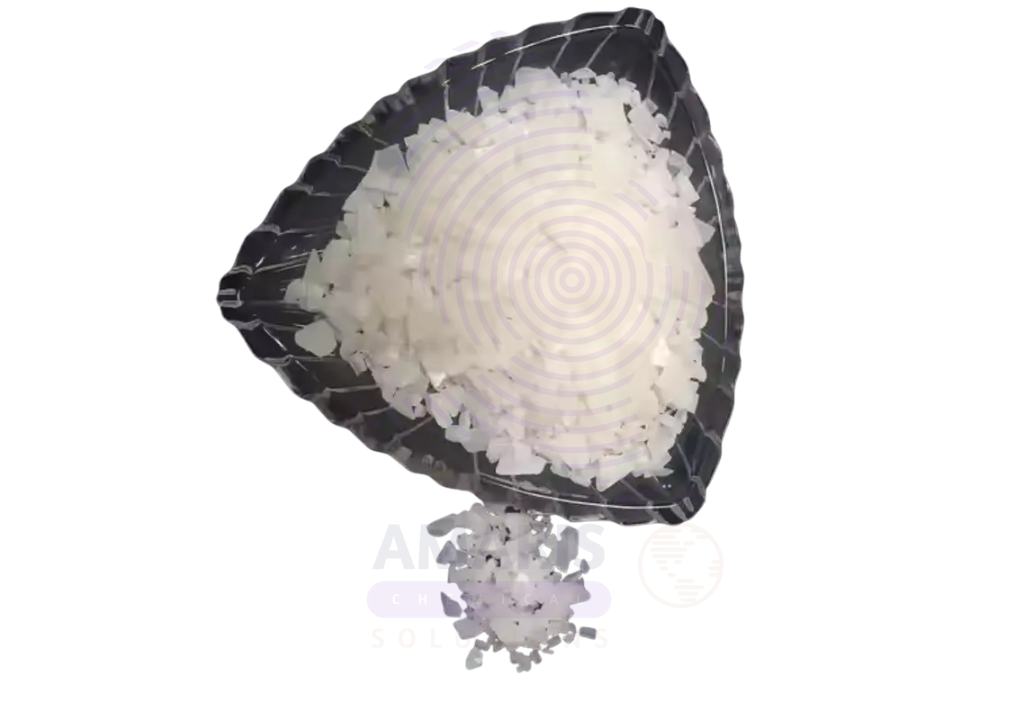

Polyethyl Glycol( PEG 6000)
Polyethyl Glycol( PEG 6000) is a high-molecular-weight polymer derived from ethylene oxide. It appears as a white, waxy solid or flake and is non-toxic, water-soluble, and chemically stable. PEG 6000 is widely used in pharmaceuticals, cosmetics, food processing, industrial formulations, and biotechnology, valued for its lubricating, solubilizing, binding, and moisturizing properties. It is odorless and tasteless, making it suitable for sensitive formulations.
Polyethylene Glycol (PEG 6000)
Primary Uses
- Food Industry
- Used as a processing aid, carrier, or anti-caking agent in food additives.
- May be found in confectionery coatings, chewing gums, and bakery items.
- Recognized as safe (GRAS) for indirect food contact applications.
- Industrial Applications
- Employed as a mold release agent and lubricant in plastic and rubber processing.
- Used as an anti-static and anti-dust agent in powder formulations.
- Functions as a dispersant and lubricant in textile and leather finishing.
- Biotechnology & Laboratory Use
- Commonly used for protein precipitation and DNA purification.
- Acts as a crowding agent in cell fusion and virus precipitation.
- Serves as a medium for enzyme storage and protein stabilization.
Secondary Uses
- Paints and Coatings
- Used to improve flow, leveling, and flexibility in water-based paints and coatings.
- Printing Inks & Toners
- Functions as a binder and viscosity regulator for better print quality and stability.
- Ceramics and Construction
- Acts as a binder and plasticizer in ceramic slurries and dry mix mortars.
- Improves workability and water retention.
- Agricultural Chemicals
- Used as a carrier and wetting agent in pesticide and fertilizer formulations.
- Adhesives and Sealants
- Improves flexibility and tack in hot-melt adhesives and sealant compositions.
1. Basic Identification Attributes
- Chemical Name (IUPAC): Poly(oxy-1,2-ethanediyl), α-hydro-ω-hydroxy-
- Common/Trade Name: PEG 6000
- CAS Number: 25322-68-3
- HS Code: 3907.20.00 (Polyethylene glycol and derivatives)
- Synonyms: Polyethylene oxide; Macrogol 6000
2. Physical & Chemical Properties
- Physical State: Solid (flakes or powder)
- Color & Odor: White; odorless
- Solubility: Completely soluble in water and alcohol
- Melting Point: 55–63°C
- Molecular Weight: Approx. 6,000 g/mol
- Viscosity (25°C, 20% solution): 90–130 cP
- pH (5% solution): 4.5–7.5
3. Safety & Hazard Attributes
- GHS Classification: Not classified as hazardous
- Toxicity: Non-toxic; safe for topical, oral, and parenteral use
- Allergen Status: Hypoallergenic
- Inhalation: Low risk; avoid excessive dust exposure
4. Storage & Handling Attributes
- Storage Conditions: Store in a dry, cool, well-ventilated area away from moisture and heat
- Container Type: Typically supplied in 25kg kraft paper bags or fiber drums with liners
- Shelf Life: Up to 3 years under proper storage conditions
- Handling Precautions: Use gloves and dust mask during bulk handling; avoid contact with eyes
5. Regulatory & Compliance Attributes
- Complies with:
- USP/NF, Ph. Eur., JP (pharmaceutical grades)
- FDA (GRAS for food contact and excipient use)
- REACH and RoHS (industrial use)
- ISO 9001 certified production
6. Environmental & Health Impact
- Biodegradability: Biodegradable under aerobic conditions
- Ecotoxicity: Low ecological risk
- Bioaccumulation: Not expected
- Allergenic Potential: None
Safety Handling Precautions
- PPE Required: Gloves, safety glasses, dust mask (bulk use)
- Handling Guidelines:
- Minimize dust generation
- Avoid ingestion or eye contact
- Use in well-ventilated areas
- Storage Measures: Keep sealed in moisture-proof containers
First Aid Measures
- Inhalation: Move to fresh air; seek help if coughing or discomfort persists
- Skin Contact: Wash with water and mild soap
- Eye Contact: Rinse cautiously with water for 15 minutes
- Ingestion: Rinse mouth with water; generally non-toxic, but consult a physician if large amounts are ingested
Firefighting Measures
- Fire Hazards: Slightly combustible at high temperatures
- Flash Point: >200°C
- Extinguishing Media: Water spray, CO₂, dry chemical, or foam
- Special Precautions: Avoid dust cloud formation
- Hazardous Combustion Products: Carbon dioxide, carbon monoxide
Related products

Bitter Masking Pharmaceutical Liquid flavors
Bitter Masking Pharmaceutical Liquid Flavors are specially formulated liquid flavors designed to mask the bitter taste of active pharmaceutical ingredients (APIs). These flavors improve the palatability of oral syrups, suspensions, and liquid medications, enhancing patient compliance. Compatible with various pharmaceutical formulations, they exhibit excellent solubility and stability in aqueous systems and provide a pleasant taste profile without affecting the efficacy of the medication.
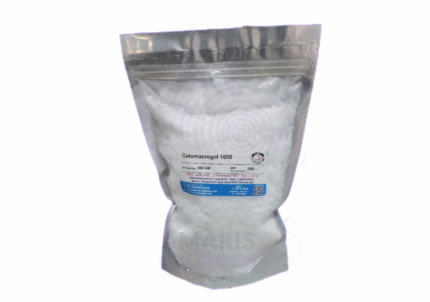
Cetomacrogol PEG1000 (Ginonic CSA 20)
Cetomacrogol PEG (Ginonic CSA) is a polyethylene glycol-based nonionic surfactant and emulsifier with an average molecular weight of approximately 1000 Da. It appears as a white to off-white waxy solid or flakes with a neutral odor. This high-quality grade is widely used in cosmetic, pharmaceutical, and personal care formulations due to its excellent emulsifying, solubilizing, and moisturizing properties. Cetomacrogol PEG1000 (Ginonic CSA 20) facilitates stable oil-in-water emulsions, improves product texture and skin feel, and enhances the bioavailability of active ingredients. Its hydrophilic nature and compatibility with a wide range of ingredients make it a versatile additive in creams, lotions, ointments, and topical gels.
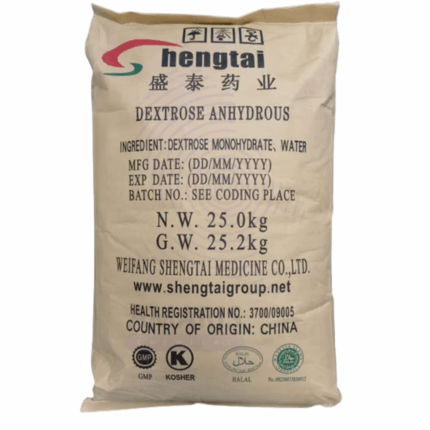
Dextrose Anhydrous BP Injectable
Dextrose Anhydrous BP Injectable is a sterile, highly purified crystalline form of glucose that serves as a critical energy source in intravenous therapy. It is widely used in parenteral nutrition, rehydration, and hypoglycemia management. The anhydrous form contains no water, allowing precise control of concentration in injectable solutions. Meeting British Pharmacopoeia (BP) standards, it ensures pharmaceutical-grade purity and sterility, suitable for direct injection or as a component in compounded IV fluids. It provides readily available carbohydrates metabolized to supply energy, regulate osmolarity, and maintain fluid-electrolyte balance in clinical care.
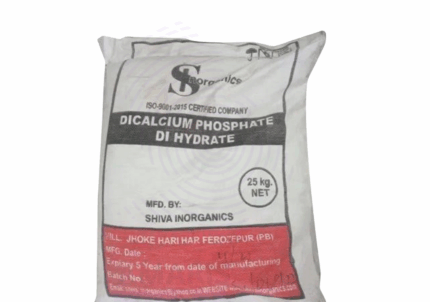
Dicalcium Phosphate Dihydrate
Dicalcium Phosphate Dihydrate (DCP Dihydrate) is an odorless, white crystalline powder or granule composed of calcium and phosphate in a hydrated form. It is widely used in the pharmaceutical, food, animal feed, and industrial sectors. It serves as a calcium and phosphorus supplement, excipient, and abrasive agent, valued for its stability, bioavailability, and neutral taste. DCP Dihydrate complies with various pharmacopeial standards (e.g., USP, BP, FCC) depending on the grade.
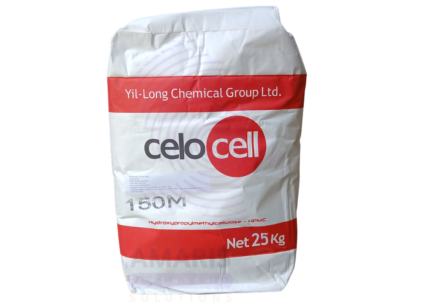
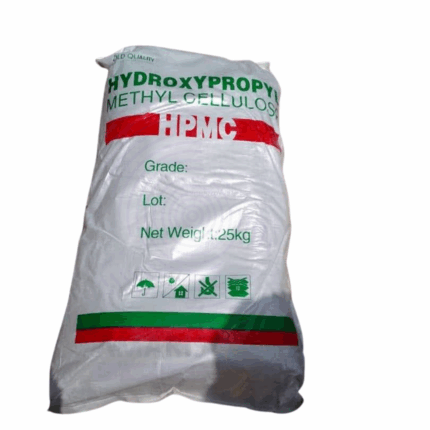
Hydroxypropyl Methylcellulose
Hydroxypropyl Methylcellulose HPMC, also known as hypromellose, is a semi-synthetic, non-ionic cellulose ether derived by chemically modifying cellulose through methylation and hydroxypropylation. It is a white to off-white, odorless, tasteless powder that dissolves in cold water to form clear, viscous solutions. HPMC is renowned for its thickening, film-forming, emulsifying, and controlled-release properties. It is widely used in pharmaceuticals, food, cosmetics, construction, and industrial applications due to its safety profile, versatility, and compatibility with various ingredients.
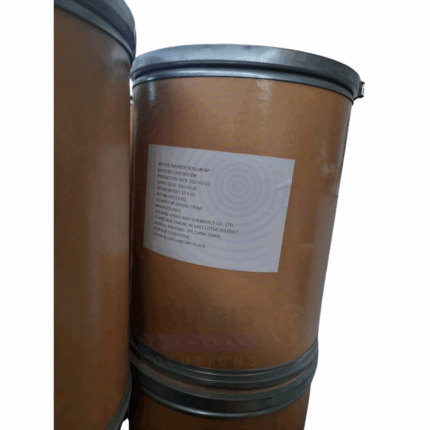
Methlyl Paraben Sodium BP
Methlyl Paraben Sodium BP is the sodium salt form of methyl paraben, a widely used preservative in pharmaceuticals, cosmetics, and food products. It exhibits excellent antimicrobial properties, particularly against molds, yeasts, and some bacteria, extending the shelf life and safety of formulations. It is a white to off-white crystalline powder, highly soluble in water, and stable across a range of pH levels.
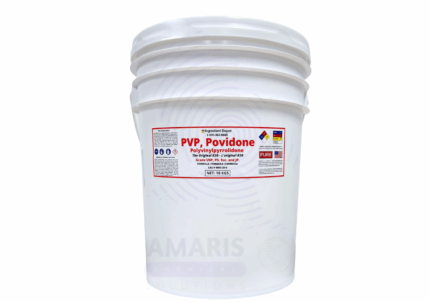
Povidone PVP25 USP
Povidone PVP25 USP is a synthetic polymer of vinylpyrrolidone with an average molecular weight of approximately 25,000. It is a water-soluble, non-toxic, and biodegradable polymer widely used as a binder, film former, stabilizer, and solubilizing agent in pharmaceutical, cosmetic, and industrial applications. Its excellent adhesive properties and compatibility with a wide range of substances make it essential in tablet formulations, topical products, and adhesives.
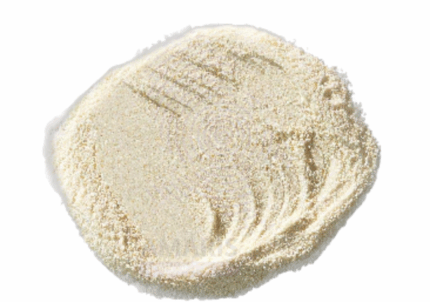
Pullulan
Pullulan is a natural polysaccharide polymer produced by the fermentation of starch by the fungus Aureobasidium pullulans. It is a water-soluble, tasteless, and odorless biopolymer widely used in the food, pharmaceutical, and cosmetic industries due to its excellent film-forming, adhesive, and oxygen barrier properties. Pullulan is biodegradable, non-toxic, and approved for use in various applications requiring edible and biodegradable films.












