

 Preservatives(food)
 Flavors
 Acidulants
 Sweeteners
 Antioxidants
 Colorants(food)
 Nutraceutical Ingredients (food)
 Nutrient Supplements
 Emulsifiers
 Collectors
 Dust Suppressants
 Explosives and Blasting Agents
 Flocculants and Coagulants
 Frothers
 Leaching Agents
 pH Modifiers
 Precious Metal Extraction Agents
 Antioxidants(plastic)
 Colorants (Pigments, Dyes)
 Fillers and Reinforcements
 Flame Retardants
 Monomers
 Plasticizers
 Polymerization Initiators
 Stabilizers (UV, Heat)
 Antifoaming Agents
 Chelating Agents
 Coagulants and Flocculants
 Corrosion Inhibitors
 Disinfectants and Biocides
 Oxidizing Agents
 pH Adjusters
 Scale Inhibitors( water)
 Antioxidants(cosmetic)
 Emollients
 Oils
Oils Carrier Oills
 Essential Oils
 Humectants
 Preservatives
 Surfactants(cosmetic)
 Thickeners
 UV Filters
 Fragrance (Cosmetics)
 Fertilizers
 Soil Conditioners
 Plant Growth Regulators
 Animal Feed Additives
 Biostimulants
 Pesticides (Herbicides, Insecticides, Fungicides)
 Active Pharmaceutical Ingredients (APIs)
 Excipients
 Solvents(pharmaceutical)
 Antibiotics
 Antiseptics and Disinfectants
 Vaccine Adjuvants
 Nutraceutical Ingredients (pharmaceutical)
 Analgesics & Antipyretics
 Analytical Reagents
 Solvents(lab)
 Chromatography Chemicals
 Spectroscopy Reagents
 microbiology-and-cell-culture-reagents
 Molecular Biology Reagents
 Biochemical Reagents
 Inorganic and Organic Standards
 Laboratory Safety Chemicals
 Specialty Laboratory Chemicals(Special Laboratory Equipment)
 Demulsifiers
 Hydraulic Fracturing Fluids
 Scale Inhibitors(oil)
 Surfactants(oil)
 Drilling Fluids
 Dyes and Pigments
 Bleaching Agents
 Softening Agents
 Finishing Agents
 Antistatic Agents
 Admixtures
 Waterproofing Agents
 Sealants and Adhesives
 Curing Compounds
 Concrete Repair Chemicals
 Anti-Corrosion Coatings
 Surfactants(cleaning)
 Builders
 Enzymes
 Solvents (Cleaning)
 Electronic Chemicals
 Catalysts
 Lubricants
 Photographic Chemicals
 Refrigerants
 Automotive chemicals
 Pyrotechnic Chemicals
 Biodegradable Surfactants
 Bio-based Solvents
 Renewable Polymers
 Carbon Capture Chemicals
 Wastewater Treatment Chemicals
 Pigments
 Solvents(paint)
 Specialty Coatings
 Binders/Resins
 Additives
 Driers
 Anti-Corrosion Agents
 Functional Coatings
 Application-Specific Coatings
 Leavening Agents
 Dough Conditioners
 Flour Treatments
 Fat Replacers
 Decoratives
 Preservatives(baking)
 Plasticizers & Softeners
 Reinforcing Agents
 Adhesion Promoters
 Vulcanizing Agents
 Antidegradants
 Blowing Agents
 Fillers & Extenders
 Accelerators & Retarders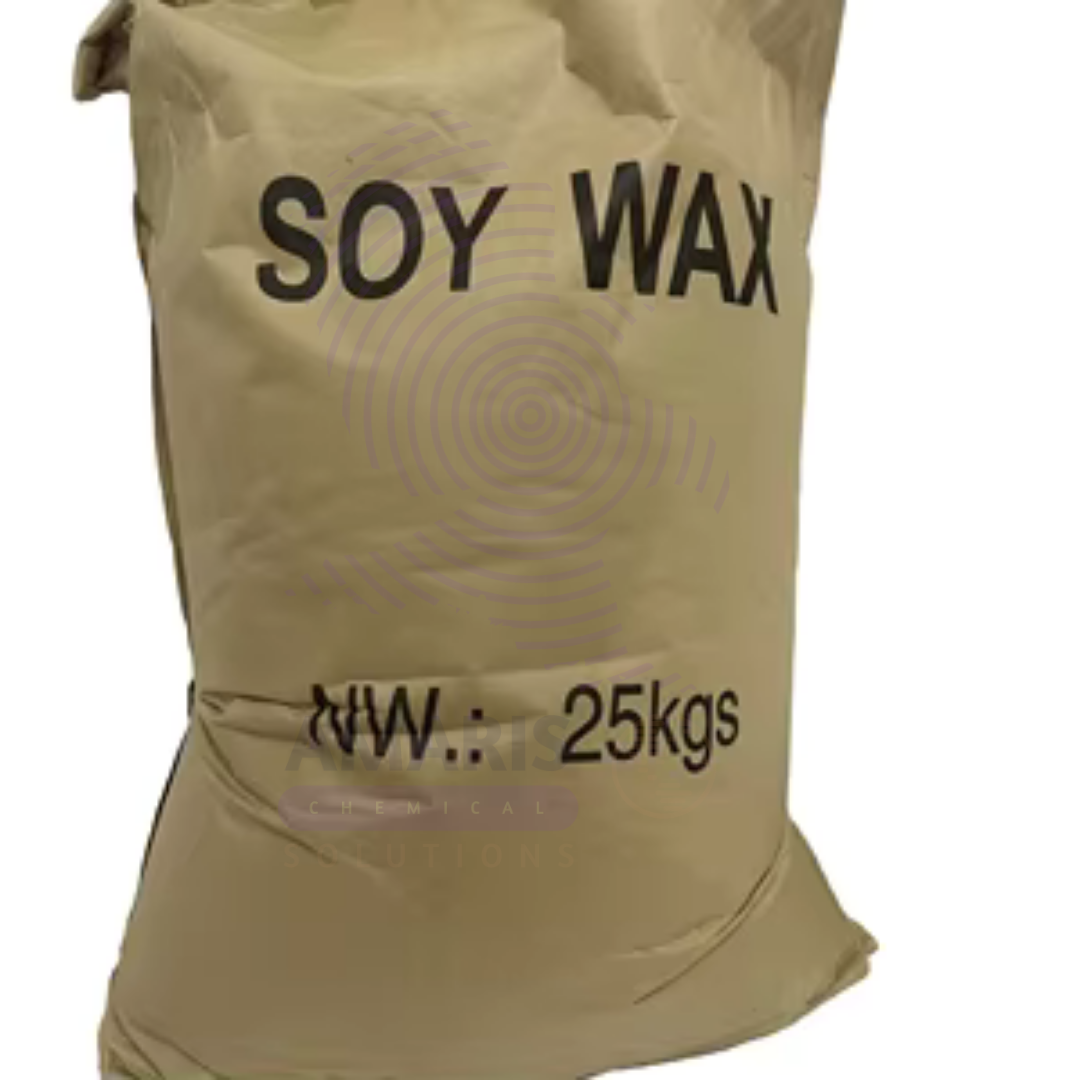


Soya Wax
Soya Wax is a natural, biodegradable wax derived from hydrogenated soybean oil. It appears as a creamy white to pale yellow solid with a smooth texture and a mild soybean aroma. This 25kg packaged product is widely used as a renewable alternative to paraffin wax in candle making, cosmetics, and other industrial applications due to its clean-burning properties and environmental friendliness.
Soya Wax
Primary Uses
- Candle Industry
- Candle Production: Used as the primary wax for making container, pillar, and votive candles.
- Blending Agent: Mixed with other waxes to improve texture and burning characteristics.
- Cosmetics & Personal Care
- Emollient: Used in lip balms, lotions, and creams to provide texture and moisture retention.
- Thickening Agent: Provides body and stability to cosmetic formulations.
- Food Industry
- Food Coatings: Used as an edible coating or glazing agent in some food products.
- Industrial Applications
- Polishes & Coatings: Ingredient in floor polishes, car waxes, and furniture finishes.
Secondary Uses
- Pharmaceuticals
- Excipient: Used as a base in ointments and suppositories.
- Arts & Crafts
- Modeling & Molding: Utilized for sculpting and casting applications.
1. Basic Identification Attributes
- Chemical Name (IUPAC): Hydrogenated soybean oil
- Common/Trade Name: Soya Wax
- CAS Number: 8016-70-4
- HS Code: 1521.90.90
- Synonyms: Soybean wax, hydrogenated soy oil wax
2. Physical & Chemical Properties
- Physical State: Solid wax, flaky or pellet form
- Color & Odor: Creamy white to pale yellow; mild soybean odor
- Melting Point: Approximately 50-54°C
- Solubility: Insoluble in water; soluble in organic solvents
- Density: Approx. 0.9 g/cm³
3. Safety & Hazard Attributes
- GHS Classification: Not classified as hazardous
- Toxicity: Low toxicity; non-toxic when used as intended
- Exposure Limits: No specific occupational exposure limits
4. Storage & Handling Attributes
- Storage Conditions: Store in a cool, dry place away from direct sunlight and heat sources
- Container Type: 25kg drums or bags
- Shelf Life: 12-24 months under proper storage
- Handling Precautions: Avoid dust generation; handle with care to prevent melting
5. Regulatory & Compliance Attributes
- Complies with FDA regulations for cosmetic and food contact use
- REACH registered
6. Environmental & Health Impact
- Biodegradability: Readily biodegradable
- Ecotoxicity: Low environmental toxicity
- Bioaccumulation: Not expected to bioaccumulate
Safety Handling Precautions
- PPE Required: Gloves recommended for handling hot or melted wax
- Handling Guidelines: Avoid skin burns; use heat-resistant gloves when melting
- Storage Measures: Keep away from ignition sources
First Aid Measures
- Inhalation: Not applicable (solid at room temperature)
- Skin Contact: Wash with soap and water; seek medical help if burns occur
- Eye Contact: Rinse immediately with water; seek medical attention if irritation persists
- Ingestion: Not expected to be harmful; seek medical advice if large amounts ingested
Firefighting Measures
- Fire Hazards: Combustible solid; may ignite if exposed to flame or heat
- Extinguishing Media: Foam, dry chemical, CO₂
- Hazardous Combustion Products: Carbon oxides and hydrocarbons
Related products

Chlorinated Paraffin
Chlorinated paraffins are complex mixtures of polychlorinated n-alkanes produced by reacting chlorine gas with unbranched paraffin fractions derived from petroleum distillation. They appear as colorless or yellowish viscous liquids or solids depending on chain length and chlorine content. Chlorinated paraffins are classified based on carbon chain length into short-chain, medium-chain, and long-chain varieties. Technical grade chlorinated paraffins are manufactured for industrial applications including plasticizers, flame retardants, metalworking additives, and surface coatings. They exhibit excellent compatibility with polymers, high thermal stability, water resistance, and chemical resistance.
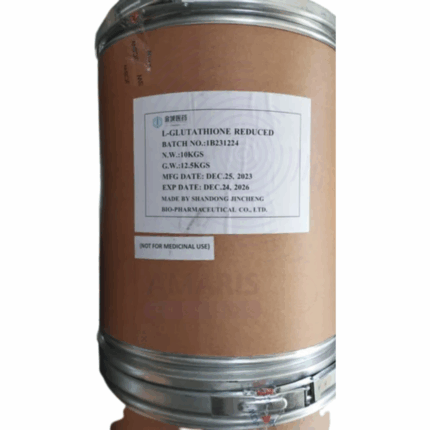
L-Glutathione Reduced
L-Glutathione Reduced is a tripeptide composed of glutamine, cysteine, and glycine, present in cells as a vital antioxidant. It appears as a white to off-white crystalline powder and plays a key role in protecting cells from oxidative stress by neutralizing free radicals and reactive oxygen species. Reduced glutathione (GSH) is the active form that participates in cellular detoxification, immune support, and regeneration of other antioxidants. It is widely used in pharmaceutical, cosmetic, and food industries due to its potent antioxidant properties and skin-brightening effects.
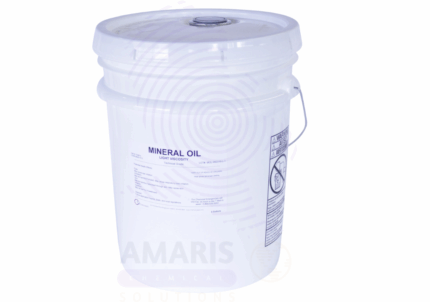
Light White Mineral Oil Tech Grade
Light White Mineral Oil Tech Grade is a highly refined, colorless, odorless, and tasteless petroleum-derived oil. It is characterized by its low viscosity and excellent lubricating properties. This technical-grade mineral oil undergoes stringent purification processes to remove impurities, making it suitable for various industrial, cosmetic, pharmaceutical, and food-related applications. Its chemical stability, non-reactivity, and safety profile make it a versatile ingredient and lubricant in many manufacturing and processing sectors.
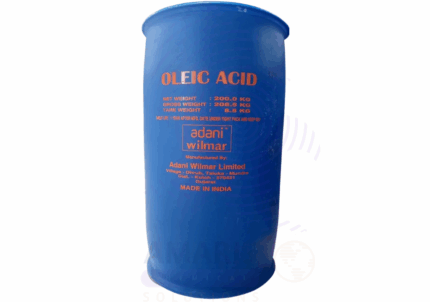
Oleic Acid
Oleic Acid is a naturally occurring monounsaturated fatty acid commonly derived from vegetable oils such as olive, sunflower, and canola oils. This oily liquid is widely used in the chemical, pharmaceutical, cosmetic, and food industries due to its excellent emollient, surfactant, and stabilizing properties. Oleic Acid 75% is a key raw material in manufacturing soaps, detergents, lubricants, and personal care products. Its amphiphilic nature makes it an effective emulsifier and penetration enhancer.
Parallizer
Parallizer (UFABLEND) is a versatile liquid paralytic agent used primarily in the formulation of pesticides and herbicides to enhance the immobilization of target pests. It acts by disrupting the nervous system of insects and other pests, providing quick knockdown effects. UFABLEND is valued for its fast action, compatibility with other agrochemicals, and stability under various environmental conditions.
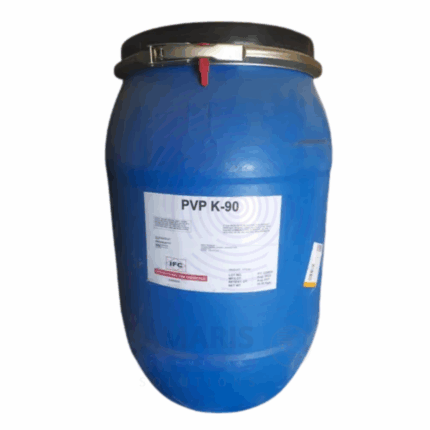
PVP K 90 USP
PVP K 90 USP (Polyvinylpyrrolidone K-90) is a high molecular weight water-soluble polymer widely used in pharmaceutical, cosmetic, and industrial applications. Known for its excellent film-forming, adhesive, and thickening properties, PVP K 90 is particularly valued where higher viscosity and stronger binding are required. This grade meets USP standards, ensuring purity and suitability for pharmaceutical use, especially in sustained-release formulations, suspensions, and topical products.
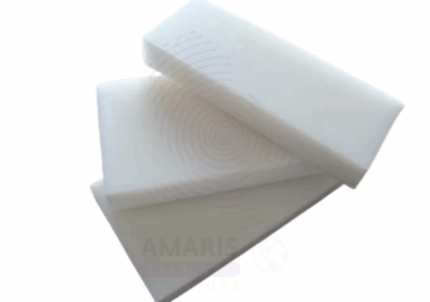
Snow White Microwax
Snow White Microwax is a refined, high-purity microcrystalline wax with a bright white color and fine crystalline structure. It is derived from petroleum and modified to enhance flexibility, adhesion, and water resistance. This wax is widely used in industries requiring a blend of hardness and elasticity, along with excellent binding and coating properties. Its low odor and neutral pH make it suitable for sensitive applications, including cosmetics and food packaging.
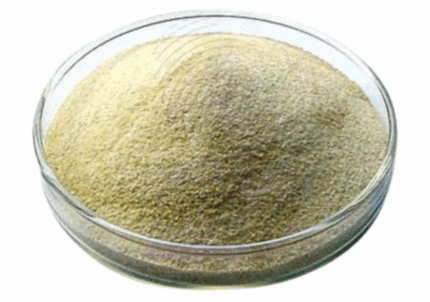
Sodium Aliginate
Sodium Aliginate is a natural polysaccharide extracted from brown seaweed. It appears as a white to yellowish powder that is odorless and tasteless. It is highly soluble in cold water, forming viscous solutions and gels. Sodium alginate is widely used in the food, pharmaceutical, textile, and cosmetic industries due to its excellent thickening, gelling, stabilizing, and film-forming properties. It acts as a natural hydrocolloid and is valued for its biocompatibility and biodegradability.












