

 Preservatives(food)
 Flavors
 Acidulants
 Sweeteners
 Antioxidants
 Colorants(food)
 Nutraceutical Ingredients (food)
 Nutrient Supplements
 Emulsifiers
 Collectors
 Dust Suppressants
 Explosives and Blasting Agents
 Flocculants and Coagulants
 Frothers
 Leaching Agents
 pH Modifiers
 Precious Metal Extraction Agents
 Antioxidants(plastic)
 Colorants (Pigments, Dyes)
 Fillers and Reinforcements
 Flame Retardants
 Monomers
 Plasticizers
 Polymerization Initiators
 Stabilizers (UV, Heat)
 Antifoaming Agents
 Chelating Agents
 Coagulants and Flocculants
 Corrosion Inhibitors
 Disinfectants and Biocides
 Oxidizing Agents
 pH Adjusters
 Scale Inhibitors( water)
 Antioxidants(cosmetic)
 Emollients
 Oils
Oils Carrier Oills
 Essential Oils
 Humectants
 Preservatives
 Surfactants(cosmetic)
 Thickeners
 UV Filters
 Fragrance (Cosmetics)
 Fertilizers
 Soil Conditioners
 Plant Growth Regulators
 Animal Feed Additives
 Biostimulants
 Pesticides (Herbicides, Insecticides, Fungicides)
 Active Pharmaceutical Ingredients (APIs)
 Excipients
 Solvents(pharmaceutical)
 Antibiotics
 Antiseptics and Disinfectants
 Vaccine Adjuvants
 Nutraceutical Ingredients (pharmaceutical)
 Analgesics & Antipyretics
 Analytical Reagents
 Solvents(lab)
 Chromatography Chemicals
 Spectroscopy Reagents
 microbiology-and-cell-culture-reagents
 Molecular Biology Reagents
 Biochemical Reagents
 Inorganic and Organic Standards
 Laboratory Safety Chemicals
 Specialty Laboratory Chemicals(Special Laboratory Equipment)
 Demulsifiers
 Hydraulic Fracturing Fluids
 Scale Inhibitors(oil)
 Surfactants(oil)
 Drilling Fluids
 Dyes and Pigments
 Bleaching Agents
 Softening Agents
 Finishing Agents
 Antistatic Agents
 Admixtures
 Waterproofing Agents
 Sealants and Adhesives
 Curing Compounds
 Concrete Repair Chemicals
 Anti-Corrosion Coatings
 Surfactants(cleaning)
 Builders
 Enzymes
 Solvents (Cleaning)
 Electronic Chemicals
 Catalysts
 Lubricants
 Photographic Chemicals
 Refrigerants
 Automotive chemicals
 Pyrotechnic Chemicals
 Biodegradable Surfactants
 Bio-based Solvents
 Renewable Polymers
 Carbon Capture Chemicals
 Wastewater Treatment Chemicals
 Pigments
 Solvents(paint)
 Specialty Coatings
 Binders/Resins
 Additives
 Driers
 Anti-Corrosion Agents
 Functional Coatings
 Application-Specific Coatings
 Leavening Agents
 Dough Conditioners
 Flour Treatments
 Fat Replacers
 Decoratives
 Preservatives(baking)
 Plasticizers & Softeners
 Reinforcing Agents
 Adhesion Promoters
 Vulcanizing Agents
 Antidegradants
 Blowing Agents
 Fillers & Extenders
 Accelerators & Retarders
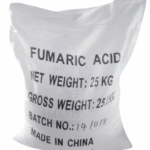


Galaxy CAPB
Galaxy CAPB is a high-performance amphoteric surfactant based on Cocamidopropyl Betaine, produced from coconut fatty acids. It appears as a translucent to pale yellow liquid with mild viscosity and a mild coconut-like odor. As a zwitterionic surfactant, it provides exceptional foaming, mildness, and synergistic compatibility with other surfactants, making it ideal for personal care, household, and industrial formulations.
Galaxy CAPB
Primary Uses
- Personal Care & Cosmetics
- Acts as a mild foaming and lathering agent in shampoos, body washes, facial cleansers, and bubble baths.
- Enhances viscosity and texture while boosting mildness in sulfate-containing and sulfate-free systems.
- Incorporated into baby care and sensitive-skin products due to its gentle nature.
- Used in liquid soaps, hand washes, and shaving gels as a secondary surfactant to reduce irritation.
- Household Cleaning Products
- Functions as a co-surfactant in dishwashing liquids, multipurpose cleaners, and laundry detergents to improve sudsing and cleaning performance.
- Helps reduce harshness of primary surfactants and improves product rinsability.
- Compatible with bleach in non-oxidizing household cleaner formulations.
- Industrial & Institutional Cleaners
- Used in foam control and grease-cutting cleaners in automotive, floor maintenance, and entry-mat pre-sprays.
- Serves as a stabilizer in foam-based fire-fighting formulations.
- Pet Care
- Included in mild pet shampoos and grooming products to provide gentle cleansing and safe formulation for animal skin and coat.
Secondary Uses
- Cosmetic Emulsions & Lotions
- Helps stabilize oil/water emulsions in creams, lotions, sunscreens, and makeup removers.
- Enhances sensory feel and spreadability.
- Industrial and Textile Applications
- Functions as a wetting agent and foam stabilizer in textile processing, dyeing, and finishing.
- Used in some industrial metal cleaning and degreasing applications.
- Agricultural & Veterinary Formulations
- Serves as a wetting/spreading agent in pesticide sprays and veterinary wash solutions.
1. Basic Identification Attributes
- Chemical Name (IUPAC): Cocamidopropyl Betaine
- Common/Trade Name: CAPB, Galaxy CAPB
- CAS Number: 61789-40-0
- HS Code: 3402.20.90
- Molecular Formula: C₁₉H₃₈N₂O₃
- Synonyms:
- CAPB
- Cocamidopropylbetain
- Cocamidopropylamine Oxide Derivative
2. Physical & Chemical Properties
- Appearance: Clear to pale yellow liquid (can be slightly hazy)
- Odor: Mild coconut-like
- pH (1 % aqueous): Approx. 5.0–7.0 (mildly acidic to neutral)
- Viscosity: Low to moderate (1,000–5,000 cP depending on dilution)
- Solubility: Completely miscible with water
- Stability: Stable in typical personal-care pH range (4–8); may degrade under strong acidic or alkaline extremes
- Foaming Ability: High in both hard and soft water
3. Safety & Hazard Attributes
- Hazard Class (GHS):
- Eye Irritant, Category 2A
- Skin Irritant, Category 3 (mild irritant)
- Toxicity: Low in dermal and oral exposures
- Allergenicity: Generally mild, but trace impurities (e.g., amidoamines, fatty acids) can cause sensitivity in some individuals; use high-purity grades to minimize risk.
4. Storage & Handling Attributes
- Storage Conditions: Store in cool (10–30 °C), dry, ventilated areas; avoid freezing and direct sunlight.
- Container Type: LDPE/HDPE drums, IBCs, or boxed tote containers.
- Shelf Life: 12–24 months when stored properly.
- Handling Precautions: Use basic PPE (gloves, goggles); ensure containers are sealed and stored on spill pallets to prevent leakage.
5. Regulatory & Compliance Attributes
- Listed on major chemical inventories (TSCA, REACH, AICS).
- Cosmetic-grade formulations often meet IFRA and RIFM purity guidelines.
- Acceptable for rinse-off and leave-on personal-care products; regulated under EU Cosmetics Regulation (EC) No 1223/2009, FDA (US), and other regions.
6. Environmental & Health Impact
- Ecotoxicity: Low to moderate; biodegradable under aerobic conditions.
- Bioaccumulation: None expected due to high water solubility and degradation.
- Carcinogenicity/Mutagenicity: Not classified.
- Environmental Fate: Rapid degradation in wastewater treatment; low persistence.
Safety Handling Precautions
PPE Required:
- Nitrile or chemical-resistant gloves
- Safety goggles or face shield
- Protective clothing (e.g., apron) for bulk handling
Handling Guidelines:
- Avoid contact with eyes and prolonged skin exposure.
- In case of spills, contain and dilute with water; mop or absorb and rinse thoroughly.
- Ventilate area during transfers; dust/deaggregate only when product is dehydrated or half-solid.
Storage Measures:
- Keep containers sealed and upright.
- Store away from oxidizers and strong acids.
- Use first-in-first-out (FIFO) to ensure freshness and potency.
Hygiene Practices:
- Wash hands and exposed skin after handling.
- Avoid eating or smoking in product handling areas.
- Rinse equipment with water before maintenance.
First Aid Measures
- Inhalation: Not expected to cause respiratory issues; if mist is inhaled, move to fresh air and monitor.
- Skin Contact: Rinse affected area with water; if irritation persists, seek medical advice.
- Eye Contact: Rinse with plenty of water for at least 15 minutes and consult a doctor.
- Ingestion: Rinse mouth, drink water, and seek medical attention if symptoms occur.
Firefighting Measures
- Fire Hazards: Non-flammable; product will not ignite.
- Extinguishing Media: Use media for adjacent fires—water spray, foam, dry chemical, or CO₂.
- Special Precautions: Wear standard firefighting gear and self-contained breathing apparatus if fire involves other flammable materials.
- Decomposition Products: May emit carbon oxides, nitrogen oxides under fire conditions.
Related products
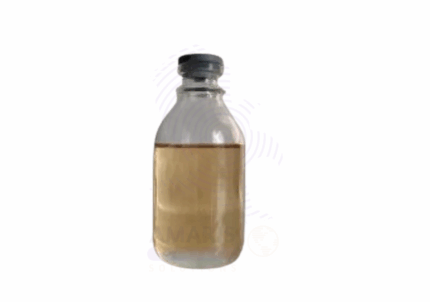
Amphoteric Surfactants
Amphoteric surfactants are unique surface-active agents that can act as either anionic or cationic surfactants depending on the pH of the solution. These molecules contain both acidic (carboxyl or sulfonic) and basic (amine or quaternary ammonium) functional groups, giving them high versatility, mildness, and compatibility with other surfactants. Amphoteric surfactants are widely used in personal care, household cleaning, industrial applications, pharmaceuticals, and specialty formulations where low irritation and effective cleansing are critical. Common examples include Cocamidopropyl Betaine and Lauryl Betaine.
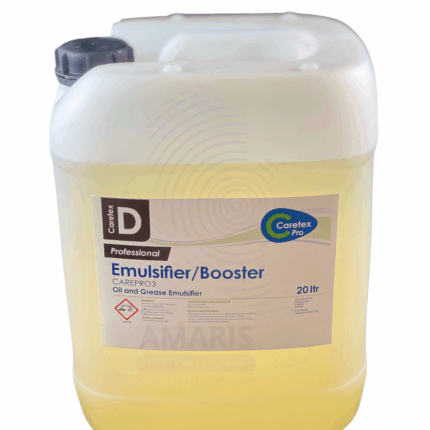
Booster Emulsifier
Booster Emulsifier is a specialized surfactant-based additive formulated to enhance the stability, texture, and uniformity of emulsions in food, cosmetic, and pharmaceutical formulations. It acts by reducing surface tension between immiscible liquids such as oil and water, facilitating the formation of stable, homogeneous emulsions. Booster Emulsifier is valued for its ability to improve product appearance, extend shelf life, and enhance sensory properties such as mouthfeel and creaminess. It is typically available as a liquid or powder and compatible with a wide range of ingredients.
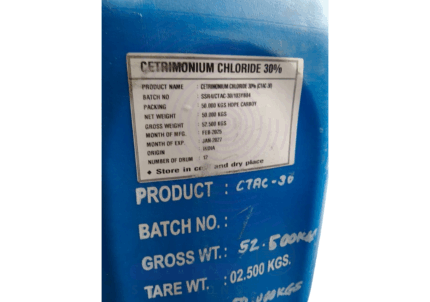
Centrimonium Chloride Solution
Centrimonium Chloride Solution (also known as Cetyltrimethylammonium Chloride), with the chemical formula C₁₉H₄₂ClN, is a quaternary ammonium compound presented here as a 30% aqueous solution. It is a cationic surfactant widely used as an antistatic agent, conditioner, and emulsifier in personal care and industrial applications. This 25kg packaged solution is highly soluble and stable, providing excellent conditioning and antimicrobial properties in hair care formulations, fabric softeners, and disinfectants.
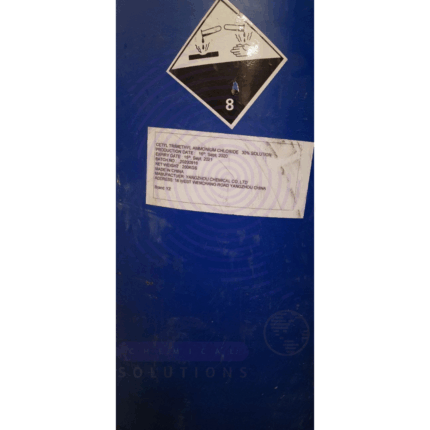
Cetyl Trimethyl Ammonium Chloride
Cetyl Trimethyl Ammonium Chloride (CTAC) is a cationic surfactant and quaternary ammonium compound characterized by a long hydrophobic cetyl (C16) alkyl chain and a positively charged ammonium head group. It appears as a white to pale yellow powder or flakes, soluble in water, and exhibits strong surface-active properties. CTAC is widely used in cosmetics, personal care, and industrial applications for its excellent conditioning, antistatic, emulsifying, and disinfectant capabilities. It functions primarily as a fabric softener, hair conditioner, and antimicrobial agent.
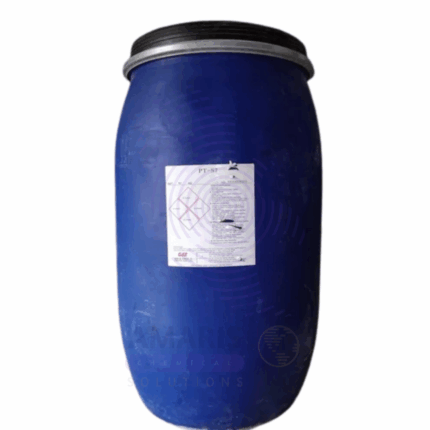
Cocamino Propyl Betaine Desmocol
Cocamino Propyl Betaine Desmocol is a mild amphoteric surfactant derived from coconut oil fatty acids and amino acids. It appears as a clear to slightly hazy liquid with a faint coconut-like odor. CAPB is widely used in personal care and household cleaning products for its excellent foaming, cleansing, and conditioning properties. Being a zwitterionic surfactant, it is compatible with anionic, cationic, and nonionic surfactants, enhancing the mildness and stability of formulations. The 30% active solution is easy to handle and incorporate in various cosmetic and detergent products. It functions as a foam booster, viscosity builder, and anti-irritant agent, making it a versatile ingredient in mild formulations.
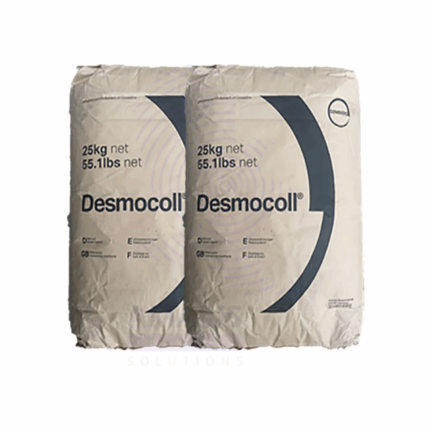
Desmocol
Desmocol is a trade name for Cocamido Propyl Betaine (CAPB), a mild amphoteric surfactant derived from coconut oil and dimethylaminopropylamine. It is widely used in personal care and cleaning formulations due to its excellent foaming, thickening, and conditioning properties. Desmocol is known for its skin-friendly nature, compatibility with a broad range of surfactants, and ability to reduce irritation potential in formulations. It appears as a viscous, amber-colored liquid or paste with a characteristic mild coconut odor.
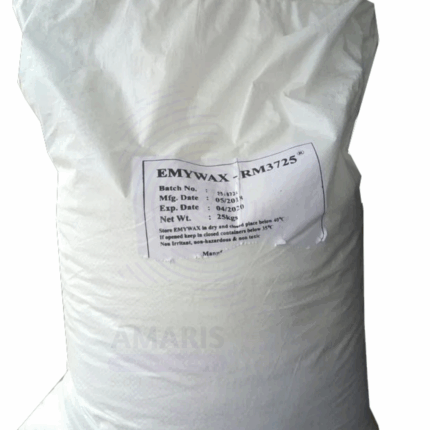
Emulsifying Wax Anionic
Emulsifying Wax Anionic is a versatile surfactant blend composed primarily of fatty alcohols (such as cetyl or stearyl alcohol) and anionic surfactants like sodium lauryl sulfate. It is designed to stabilize oil-in-water (O/W) emulsions by reducing interfacial tension between water and oil phases. It appears as white to off-white solid flakes or pellets, with a mild fatty odor and is dispersible in water with agitation and mild heat. Known for its excellent emulsification, cleansing, and thickening properties, this emulsifying wax is widely used in cosmetics, pharmaceuticals, household cleaners, and industrial applications.
Polyglycerol-10-Laurate
Polyglycerol-10-Laurate is a non-ionic, biodegradable surfactant and emulsifier derived from natural lauric acid and polyglycerol (with ten glycerol units). It is known for its excellent emulsifying, dispersing, and solubilizing properties, especially in oil-in-water systems. Commonly used in cosmetics, food, pharmaceuticals, and personal care products, it is valued for being mild, non-toxic, and suitable for sensitive applications, including baby care and oral care.












